Where Florida's Dune Lakes Meet Quartz-sand Shores
The 30A corridor harbours a rare coastal phenomenon and a quieter vision of the Gulf Coast.
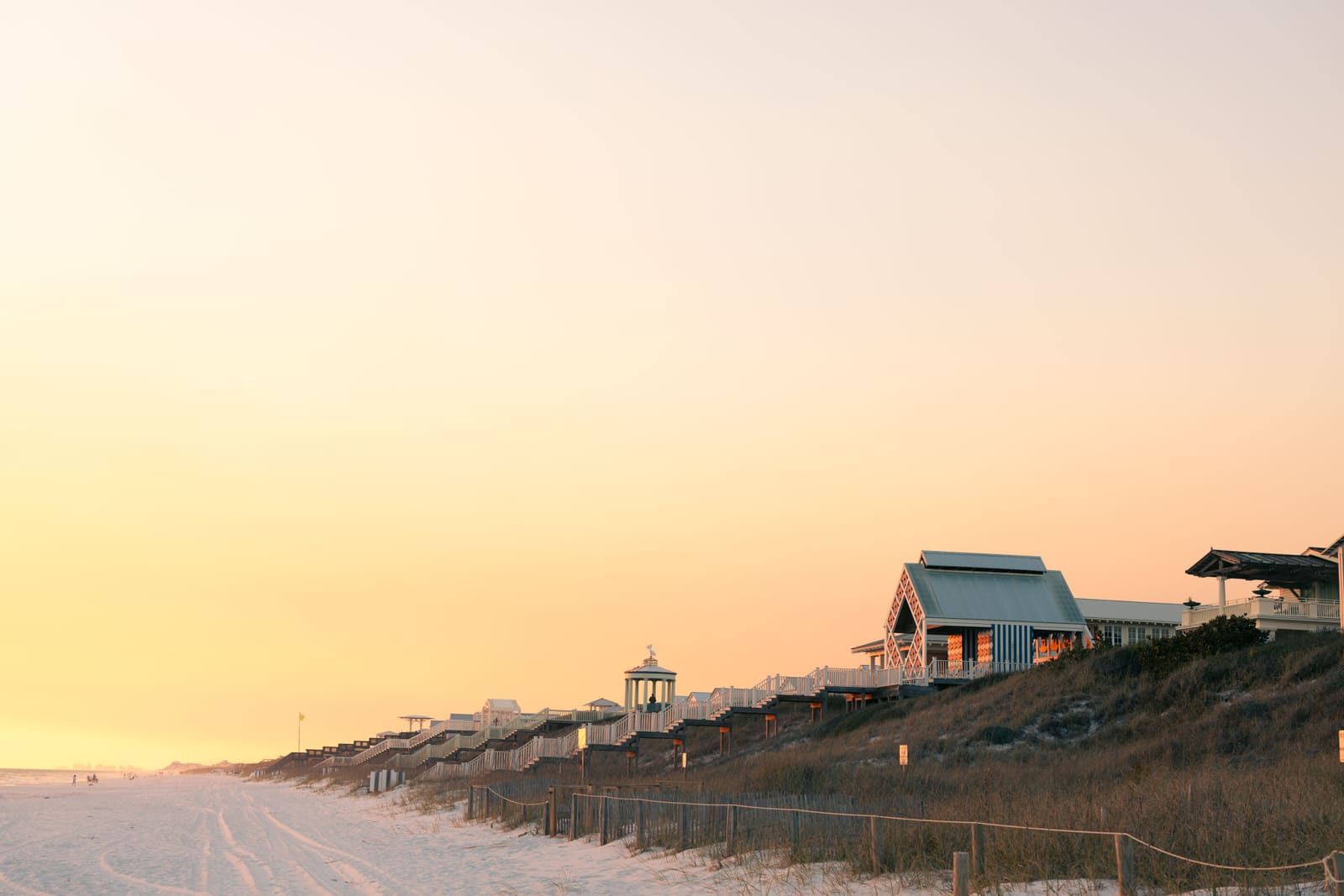
A Geography of Rarity
The stretch of Florida's Panhandle known as 30A - named for the scenic county highway that traces its length - sits on an accident of geology. Here, fifteen coastal dune lakes pool behind barriers of sand, fed by freshwater seeps and rainfall, occasionally breaching to mingle with the Gulf of Mexico. Fewer than three hundred such formations exist worldwide; most of the others lie in Madagascar, Australia, New Zealand, and Oregon. The phenomenon requires precise conditions: a gently sloping coastal shelf, fine quartz sand that compacts into natural dams, and seasonal variation in water levels that allow periodic connection to the sea.
The lakes themselves - Western, Camp Creek, Fuller, Stallworth among them - shift in salinity depending on storm surge, rainfall, and the integrity of the sand berm separating them from open water. When pressure builds after heavy rain, the berm collapses in a brief, dramatic outflow called an "outfall," flushing nutrients into the Gulf and resetting the cycle. The resulting brackish habitat supports species adapted to constant flux: redfish, flounder, blue crabs, wading birds, and migrating waterfowl that time their visits to the lakes' rhythms.
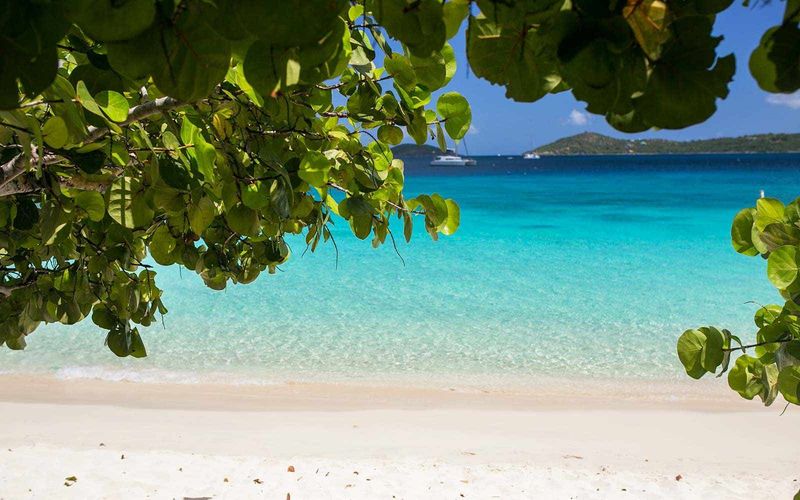
The sand itself is another anomaly. Ground from Appalachian quartz over millennia and carried south by rivers, it contains almost no shell fragments or organic matter - just crystalline silica that remains cool underfoot even at midday and squeaks audibly when walked upon. The absence of impurities gives the beaches their near-blinding whiteness, a colour that under afternoon sun reads almost blue.
A Corridor of Sixteen Communities
The 30A corridor spans roughly forty kilometres between Inlet Beach to the east and Dune Allen Beach to the west, encompassing sixteen named communities that range in character from planned resort enclaves to older fishing settlements. Seaside, built in the 1980s, became the prototype for New Urbanist town planning: pastel-painted cottages, white picket fences, narrow brick streets designed to slow traffic, and a commercial centre within walking distance of every residence. Its aesthetic - part Caribbean vernacular, part nostalgic Americana - has been replicated in developments across the United States, though the original retains a tidiness that can feel curated.
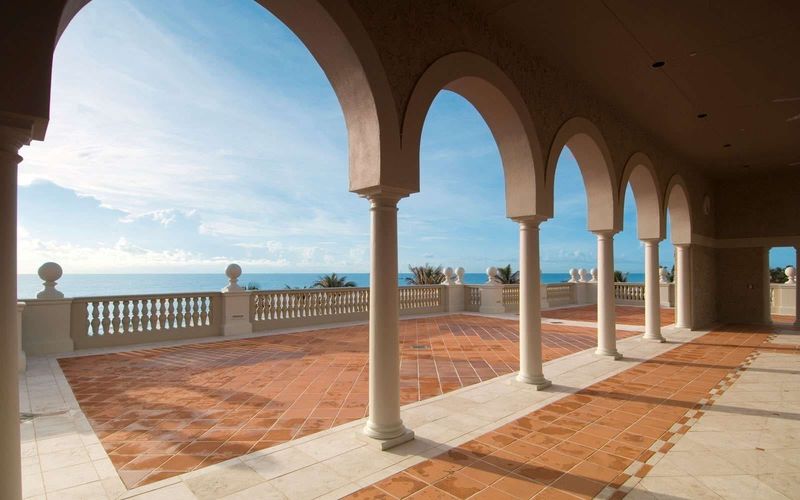
Rosemary Beach, laid out a decade later, draws instead on European coastal villages: stucco façades, wrought-iron balconies, cobbled courtyards, and a more formal town square anchored by a baroque-style performance green. Alys Beach, the most recent of the master-planned communities, adopts a minimalist approach inspired by Bermudian and Moorish architecture - stark white walls, flat roofs, interior courtyards that create microclimates - and enforces a monochromatic palette that photographs strikingly against the blue Gulf sky.
Between these developments lie older settlements: Grayton Beach, with its unpaved streets and weathered bungalows; WaterColor, built around a dune lake and designed with more naturalistic landscaping; and Seagrove, a quieter stretch favoured by families returning year after year to the same rental cottages. The contrasts are deliberate. Each community markets a distinct vision of coastal living, and visitors tend to align themselves accordingly.
Eating Along the Highway
The restaurant landscape has evolved considerably over the past decade, moving away from the fried-seafood-and-grouper-sandwich model that once dominated the Panhandle. At The Bay in WaterSound, the kitchen works with day-boat fishermen to source triggerfish, vermilion snapper, and Gulf shrimp, preparing them with restraint - grilled whole, dressed with herb oil, accompanied by seasonal vegetables from North Florida farms. The dining room opens onto a lawn that slopes toward a coastal lake, and tables fill early on evenings when the light is favorable.
In Rosemary Beach, La Crema Tapas & Chocolate serves small plates that lean Mediterranean: Marcona almonds, jamón ibérico, grilled octopus, patatas bravas. The wine list favours Spanish and Portuguese producers, and the chocolate shop attached to the dining room makes single-origin ganaches and drinking chocolate thick enough to coat a spoon.
Grayton Beach's stretch of County Road 283 holds The Red Bar, a ramshackle venue that has operated since the mid-1990s. The interior is cluttered with folk art, mismatched furniture, and a stage that hosts live music most nights. The menu is secondary to the atmosphere - fried shrimp, burgers, cold beer - but the place functions as a social anchor for the community, drawing a mix of locals, second-home owners, and visitors seeking something less polished than the resort dining rooms.
For breakfast, Amavida Coffee Roasters in Seaside sources beans directly from farming cooperatives in Central and South America, roasting them on-site in small batches. The café occupies a corner building on the central square, and by mid-morning the outdoor tables are claimed by cyclists, families, and remote workers taking advantage of the wifi.
Where to Stay
Accommodation options divide broadly into three categories: large resort properties, boutique inns within the planned communities, and private rental homes managed by local agencies. The choices reflect different priorities - access to amenities versus seclusion, proximity to dining versus direct beach access - and the decision often hinges on whether one intends to leave the property frequently or remain within a single enclave.
WaterColor Inn, set on a forty-hectare nature preserve that includes a coastal dune lake, offers a middle path. The property provides resort infrastructure - pool, spa, watercraft rentals, dedicated beach service - while maintaining a quieter profile than the larger Gulf-front hotels. Rooms are finished in a palette of whites and soft blues, with screened balconies that overlook either the lake or the Gulf. The boathouse on the lake lends kayaks and paddleboards at no additional charge, and a network of boardwalks and trails connects the inn to the beach without requiring guests to cross the highway.
The Pearl Hotel in Rosemary Beach occupies a building designed to evoke a European seaside manor, with a central courtyard, fountain, and second-floor loggia. Interiors are more formal than most 30A properties - velvet upholstery, antique mirrors, marble baths - and the rooftop bar draws a clientele that skews older and more dressed. The location within Rosemary Beach's compact grid means restaurants, shops, and the beach are all within a five-minute walk.
For those seeking immersion in the older, less manicured character of the area, Grayton Beach offers several rental options in vintage cottages dating from the 1950s and 1960s. These lack the finish of newer construction - floors may slope, kitchens are often dated - but they sit on generous lots shaded by live oaks and are a short walk from both the Gulf and the state park.
What the Landscape Offers
Grayton Beach State Park, which abuts the western edge of the community, protects one of the longest undeveloped stretches of coastline remaining on the Florida Panhandle. The park encompasses over eight hundred hectares, including dune systems, coastal scrub, pine flatwoods, and Western Lake, the largest of the dune lakes. A boardwalk extends from the main parking area over the primary dune to the beach, where the sand spreads wide and flat at low tide.
The lake itself is accessible by a separate trail that winds through scrub habitat thick with rosemary, yaupon, and saw palmetto. Kayakers and stand-up paddleboarders launch from a small put-in on the lake's north shore, exploring the irregular shoreline and the narrow channels that thread through marsh grass. Birdlife is abundant - ospreys nest in dead pines along the water's edge, herons stalk the shallows, and during migration seasons the lake serves as a stopover for warblers, tanagers, and other neotropical species.
Point Washington State Forest, a few kilometres inland, offers a contrasting landscape: longleaf pine savanna interspersed with cypress domes and blackwater creeks. The forest is laced with trails suitable for hiking and mountain biking, and in spring the understory blooms with wiregrass, pitcher plants, and wild lupine. The forest is less visited than the beach parks, and it is possible to walk for an hour without encountering another person.
Topsail Hill Preserve State Park, at the western end of 30A, contains three more dune lakes and some of the tallest dunes on the Gulf Coast - several exceed twenty-five metres in height. Access to the beach requires either a tram ride or a walk of nearly two kilometres, a distance that keeps crowds thinner than at more accessible points along the highway. The preserve also maintains a small campground for those willing to trade convenience for proximity to a landscape that remains close to its pre-development state.
The Seasonal Calculus
Visitor patterns follow a predictable rhythm. Summer brings families, filling rental homes and resort pools, and the beaches become crowded by mid-morning. Autumn offers the most favorable conditions: water temperatures remain warm into October, afternoon thunderstorms diminish, and the hurricane season - while not entirely past - poses less statistical threat. The shoulder months of late September and early November see a notable drop in occupancy rates, and restaurants that require reservations weeks in advance during summer often have tables available with a day's notice.
Winter attracts a different demographic: retirees, couples without school-age children, and visitors from the northern United States seeking mild weather without committing to the full tropical heat of South Florida. Daytime temperatures range from fifteen to twenty degrees Celsius, cool enough to make outdoor activities comfortable but too cold for most to swim. The Gulf takes on a steely cast under winter light, and the beaches are often empty save for walkers and the occasional surfer taking advantage of swells generated by distant storms.
Spring break, concentrated in March, brings a surge of university students, particularly to the eastern communities near Panama City Beach. The 30A corridor has largely avoided the high-rise development and party culture associated with that stretch, but proximity means some spillover is inevitable. Local ordinances restrict amplified music on beaches and prohibit alcohol in most public areas, measures designed to maintain the family-oriented character that underpins the region's brand.
The Architecture of Place
The built environment along 30A reflects both aspiration and regulation. Most communities enforce design codes that dictate materials, colour palettes, setbacks, and architectural style, creating a visual consistency that some find reassuring and others regard as stifling. The codes typically favour coastal vernacular forms - raised foundations, deep porches, metal roofs, board-and-batten siding - intended to evoke a timeless Gulf Coast aesthetic, even when applied to structures built within the past decade.
Alys Beach represents the most rigorous application of this principle. Every building adheres to a strict design vocabulary: white stucco walls, minimal ornamentation, interior courtyards that provide privacy and passive cooling, and a complete absence of visible gutters, downspouts, or exterior mechanical equipment. The result is a settlement that reads as a single, unified composition rather than a collection of individual homes. Critics argue that such homogeneity erases individuality; proponents counter that it creates a serene visual environment free from the aesthetic clutter that mars much of the American suburban landscape.
The older communities, by contrast, display a more organic accumulation of styles. Grayton Beach contains cottages built from salvaged materials during the Depression, mid-century modern beach houses with jalousie windows and flat roofs, and recent constructions that attempt, with varying success, to blend with their neighbours. The lack of covenants means paint colours range from weathered grey to turquoise to coral, and yards are planted according to individual whim rather than a master landscape plan. The effect is less photogenic but more lived-in, a quality that has its own appeal.
The Question of Scale
The tension between preservation and development remains unresolved. Walton County, which encompasses the 30A corridor, has seen property values rise sharply over the past two decades, driven by demand from buyers seeking second homes or investment properties. The influx of capital has funded infrastructure improvements - upgraded water and sewage systems, expanded beach access points, paved bike paths - but it has also accelerated teardowns of older homes and their replacement with larger structures built to the maximum allowable footprint.
Environmental advocates point to the fragility of the dune systems, which are protected by state law but remain vulnerable to foot traffic, erosion, and the cumulative impact of increased density. The dune lakes, while designated as "coastal dune lakes" under Florida statute and subject to additional protections, face pressure from stormwater runoff, septic systems in older developments, and the introduction of non-native vegetation that alters hydrology.
The local economy has shifted accordingly. Fishing and timber, which once sustained the area, have given way to hospitality, real estate, and property management. The transformation has brought wealth to some longtime residents - particularly those who owned beachfront land - but it has also priced out younger families and service workers, who increasingly commute from inland towns where housing remains affordable. The social fabric is in flux, caught between the informal, tight-knit character of a small coastal community and the transience that accompanies a resort economy.
A Coast That Holds Its Own Terms
What distinguishes 30A from other developed stretches of the Gulf Coast is not the absence of construction - development here has been extensive - but the manner in which it has been shaped. The emphasis on architectural coherence, the preservation of green space, the protection of dune lakes, and the restriction of high-rises have created a landscape that, for better or worse, reflects deliberate choices about what a coastal community should look and feel like.
Whether those choices serve the long-term health of the place remains an open question. The ecological systems that make the area distinctive - the dune lakes, the sugar-white beaches, the coastal scrub - are resilient only to a point, and the line between sustainable tourism and overdevelopment is one that must be constantly renegotiated. For now, the 30A corridor occupies a space between the honky-tonk sprawl of Panama City Beach to the east and the undeveloped stretches of the Forgotten Coast to the west, offering a version of the Gulf that is both curated and, within the boundaries it has set for itself, carefully maintained.