Where Alpine Peaks Meet Italian Grace: The Enduring Pull of Como
Beyond the villas and celebrity sightings lies a lake shaped by geology, history, and a singular understanding of beauty.
A Lake Carved by Ice and Time
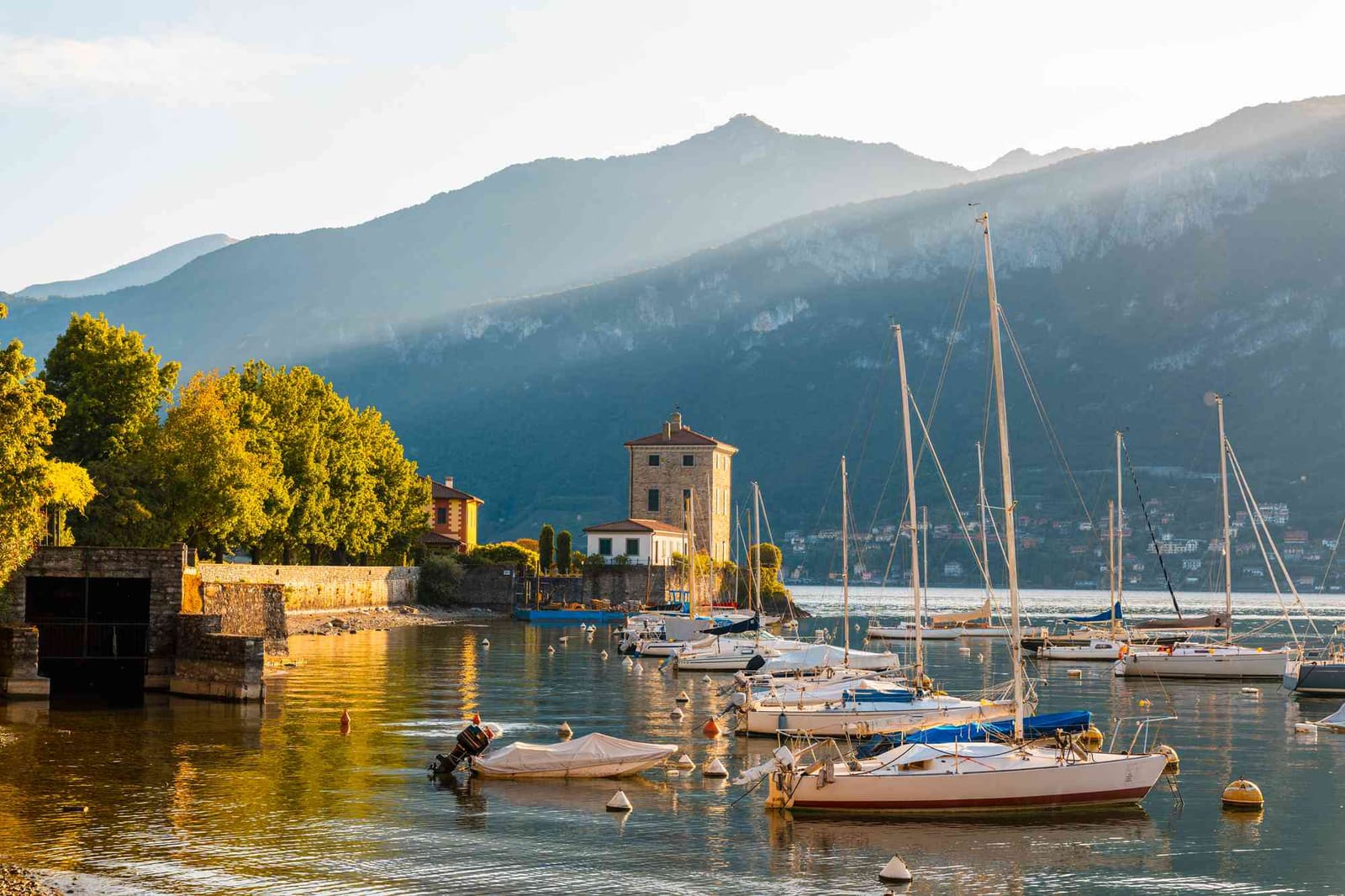
Stand at the water's edge in Bellagio on an autumn morning, and the surface of Lake Como appears almost motionless, a sheet of pewter reflecting the pre-Alps that rise abruptly from the shoreline. The stillness is deceptive. Beneath lies Italy's deepest lake, plunging to 410 metres in places, a glacial relic carved during the Pleistocene epoch when ice sheets retreated northward, gouging valleys that would later fill with meltwater. The depth is not merely a geological footnote; it shapes the lake's microclimate, moderating temperatures year-round and allowing Mediterranean flora to flourish alongside alpine species.
The lake's inverted Y-shape divides into three branches, each with its own character. The southwestern arm reaches toward Como, the northeastern stretches to Colico, and between them lies Bellagio, the so-called "pearl of the lake," perched on the promontory where the waters fork. This configuration has influenced settlement patterns for millennia. Roman aristocrats built lakeside retreats here; by the nineteenth century, European nobility followed, constructing villas with formal gardens that cascaded toward private docks.
Villages That Refuse Haste
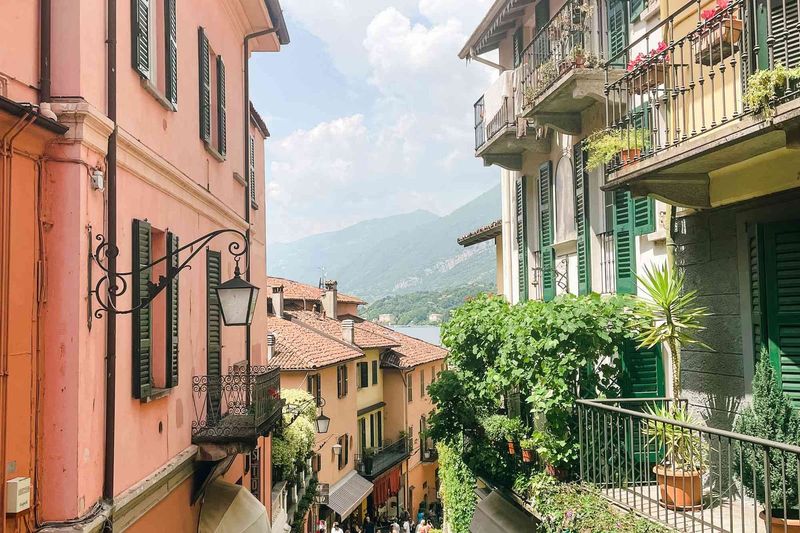
Varenna, clinging to the eastern shore, is reached by a narrow lakeside road that discourages tour coaches. The village's medieval centre is a knot of stone staircases and passageways barely wide enough for two people to pass. Fishing nets still dry on wooden racks near the harbour, though the catch these days is modest. What Varenna offers instead is a sense of proportion, a reminder that not every destination need reinvent itself for contemporary tastes.
Across the water, Menaggio presents a different face: broader streets, a lakefront promenade lined with plane trees, a golf course that climbs into the hills behind the town. It appeals to those who prefer their beauty accessible, their afternoons structured around aperitivo at a table with a view. Neither approach is superior; Como accommodates both.
Further north, the lake widens and the mountains press closer. Colico sits at the head of the northeastern branch, where the Adda River feeds the lake and winds from the Valtellina Alps carry the scent of pine. The town sees fewer international visitors, serving instead as a base for sailors and windsurfers who favour the reliable afternoon breezes. The water here is colder, the tourism infrastructure less polished. Some find that appealing.
The Villa Question
To visit Como is, inevitably, to confront its villas. Villa del Balbianello, perched on a wooded promontory near Lenno, is perhaps the most photographed, its terraced gardens and twin towers appearing in films and countless Instagram feeds. Built in the late eighteenth century by Cardinal Angelo Maria Durini, the villa now belongs to the Fondo Ambiente Italiano and is open to the public, though access is by boat or a twenty-minute walk through olive groves.
Villa Carlotta, across the lake in Tremezzo, takes a different approach. Its botanical gardens span fourteen hectares and bloom in waves from March through October: camellias first, then rhododendrons and azaleas, finally roses and hydrangeas. The villa itself houses a collection of neoclassical sculpture, including works by Antonio Canova. It functions less as a monument to private wealth than as a public repository of horticultural and artistic ambition.
Not all villas welcome visitors. Many remain private estates, their gates closed, their gardens glimpsed only from passing ferries. This inaccessibility fuels a certain mystique, but it also raises questions about preservation and public good. A villa maintained but unseen serves whom, exactly?
The Infrastructure of Pleasure
The lake's ferry system, operated by Navigazione Laghi, is the most efficient way to navigate between towns. Hydrofoils connect major stops in under an hour; slower car ferries link the central villages, their routes unchanged for decades. Tickets are inexpensive, timetables generally reliable. The ferries double as observation platforms, offering views of shoreline villas and mountain faces that remain hidden from the roads.
Accommodation spans the spectrum. Grand hotels such as the Villa d'Este in Cernobbio and the Grand Hotel Tremezzo maintain the traditions of belle époque hospitality: formal gardens, Michelin-starred dining, staff-to-guest ratios that seem extravagant until you experience the service. At the other end, family-run agriturismi in the hills above the lake offer simpler pleasures: rooms with views, meals built around seasonal produce, quiet.
The culinary landscape reflects the lake's position at the intersection of Lombardy and Switzerland. Missoltini, sun-dried shad fish preserved in oil and grilled, appear on menus in lakeside trattorias. Polenta, often served with braised meats or wild mushrooms, is a staple. Risotto here is made with perch caught locally, though supplies have dwindled as the lake's ecosystem shifts. The wine list will include Valtellina reds from vineyards terraced on slopes to the northeast, their Nebbiolo-based blends structured and alpine in character.
When Seasons Matter
Summer brings crowds, particularly to Bellagio and Como town, where day-trippers from Milan fill the lakefront by mid-morning. Hotel rates peak in July and August; restaurants require reservations days in advance. The trade-off is warmth, long daylight hours, and the possibility of swimming in waters that, while never truly warm, become tolerable.
Spring and autumn offer a different calculus. The gardens bloom in April and May; by September and October, the light softens, the crowds thin, and the lake reasserts its essential character. Winter is quiet, sometimes too quiet. Many hotels close, ferry schedules reduce, and the mountains trap cold air over the water. But for those who prefer solitude, who find beauty in dormancy, winter Como has its adherents.
What Remains Unresolved
Tourism at this scale inevitably strains infrastructure. Narrow roads built for mule carts now carry buses and delivery vans. Lakeside towns grapple with short-term rental saturation, balancing economic benefit against the erosion of residential communities. The lake itself faces environmental pressures: nutrient runoff, invasive species, fluctuating water levels tied to upstream hydroelectric management.
These are not problems unique to Como, nor are they insurmountable. But they require attention, investment, and a willingness to prioritise long-term sustainability over short-term revenue. Whether the political will exists remains an open question.
The Calculus of Return
Lake Como rewards patience. It is not a destination to tick off in a day trip from Milan, though many attempt precisely that. The pleasure lies in repetition: the same ferry route taken at different hours, the same hillside path walked in different seasons, the same cafe table claimed on successive mornings. The lake does not reveal itself quickly.
For some, this will feel insufficient, a destination overexposed and underdelivering. For others, the combination of natural drama and human-scaled beauty, of accessibility and enduring elegance, justifies the journey. Como does not demand love at first sight. It asks instead for a longer acquaintance, a willingness to look beyond the postcard and see what persists beneath.