
The Island That Traded Midnight for Moonlight
Boracay has shed its reputation for all-night revelry and emerged as a destination that honours both its visitors and its shoreline.
A Disco Ball Still Turns
The neon sign at Club Tropicana glows with a promise borrowed from the 1980s: fun and sunshine, there's enough for everyone. It's midnight on Boracay, a four-square-mile island in the central Philippines, and the disco ball spins above dancers in cargo shorts and bikini tops, gin and tonics sweating in their hands. The music is pure 2010s, that era when the island became shorthand for excess, when Jennifer Lopez urged party freaks to step onto the floor and they did, in numbers that would eventually overwhelm the very sand beneath their feet.
But the reveller on the dance floor tonight is stepping into a version of Boracay that no longer exists in quite the same form. The parties still happen, but they are contained now, regulated, moved back from the water's edge. What remains is something more deliberate, an island that has been forced to reckon with what it became and what it wishes to be.
Paradise, Revised
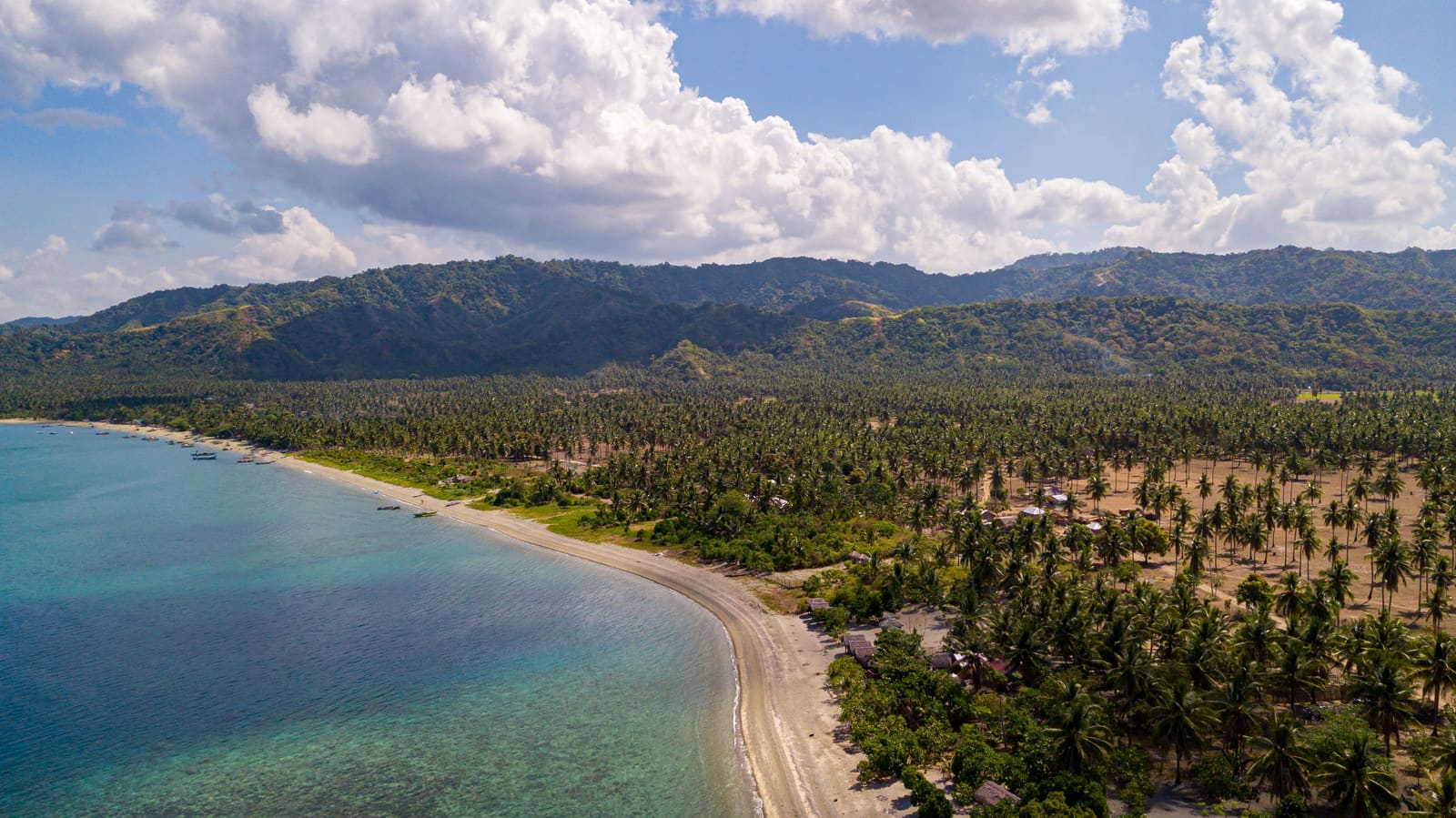
White Beach, the island's famous three-kilometre stretch of powdery sand, once bore the scars of its own popularity. By 2017, more than two million visitors arrived annually, drawn by budget hostels, three-star inns, 24-hour shops, and a nightlife that blurred into sunrise. The beach itself became a venue for multiday concerts and corporate-sponsored ragers, the kind that left behind broken bottles, cigarette butts, and plastic waste that drifted in and out with the tides.
The reckoning came in 2018, when the Philippine government ordered a six-month closure to address rampant overdevelopment and environmental neglect. Hotels that had dumped wastewater directly into the sea were shuttered. Illegal structures were demolished. Then came the longer closure, the one enforced by pandemic restrictions from 2020 to 2022, when foreign visitors were barred entirely. In 2020 alone, Boracay lost an estimated $845 million in tourism revenue and counted only 260,000 visitors, a fraction of the 2017 peak that had brought in roughly $1.1 billion.
The closures were devastating for the local economy, but they also created a rare opening. An island could be reimagined.
The Weight of What Was
Boracay's story has always been one of transformation. In the 1970s, it was a secret known to a handful of European backpackers who arrived after a German travel writer described it as "paradise on Earth" in a 1978 guidebook. There was no electricity, no potable water. Ice was ferried in from the mainland to chill San Miguel Pale Pilsens in Coleman coolers. By the 1990s, it had evolved into a rustic resort destination with more than 100 hotels, beloved for unfussy hospitality and a sense of discovery that felt increasingly rare.
But discovery has a way of inviting crowds, and crowds have a way of changing places. The island that once offered only the sea and the stars became a destination defined by its capacity to absorb ever-larger numbers of visitors. White Beach, in particular, bore the burden. Its soft, fine sand, among the world's most celebrated, became a thoroughfare choked with vendors, tourists, and the infrastructure required to serve them both.
The Rules of Re-entry
Since reopening in 2022, Boracay has operated under a new framework. A daily cap of 19,000 tourists is now enforced, a figure determined by the island's carrying capacity. Visitors must present confirmed reservations at accredited accommodations; sleeping on the sand is no longer permitted. Smoking, alcohol consumption, littering, and the use of single-use plastics are banned directly on the beach. Parties, once the island's calling card, are forbidden on the shoreline itself.
The regulations are not merely symbolic. Enforcement is visible, with environmental officers patrolling the beach and fines levied for violations. The effect is a beach that feels, for the first time in decades, like a beach rather than a venue. The sand is cleaner. The water, clearer. The sunsets, no longer competing with sound systems, are allowed to speak for themselves.
For some, the changes represent a loss. The Boracay of bottle service and Kesha pulsing through speakers until dawn was a place of uninhibited release, a tropical escape that required no restraint. But that version of the island was unsustainable, both ecologically and socially. The question now is whether a grown-up Boracay, one that enforces limits and demands a degree of decorum, can still offer the sense of freedom that made it famous.
What Remains When the Music Stops
The traditional paraw, a wooden outrigger sailboat, still glides across the waters off White Beach at sunset. The vessels have been part of Boracay's identity for generations, used by fishermen long before the first backpackers arrived. Today they carry tourists rather than nets, but the experience remains rooted in the island's maritime culture. The sails catch the wind, the hull cuts quietly through the water, and the horizon stretches uninterrupted.
It is a reminder that Boracay's appeal was never solely about the parties. The island's natural assets, the fine white sand composed of crushed coral and shells, the turquoise shallows that extend far from shore, the dramatic rock formations at either end of the beach, remain. They are simply no longer obscured by the infrastructure of excess.
The dining scene, too, has matured. Where once the island was dominated by casual eateries serving grilled seafood and adobo to budget travellers, there is now a broader spectrum. Farm-to-table restaurants emphasise locally sourced ingredients. Chefs trained in Manila and abroad have opened establishments that reflect both international technique and regional flavour. The focus has shifted from volume to quality, from feeding the masses to offering something worth remembering.
The Test of Discipline
The challenge facing Boracay is whether it can maintain the discipline required to preserve what it has regained. Tourism is the island's lifeblood, and the pressure to relax restrictions in favour of short-term revenue is constant. Already, there are debates over whether the daily cap should be raised, whether certain regulations are too strict, whether the island is losing its competitive edge to less-regulated destinations in Thailand, Indonesia, and Vietnam.
But the alternative, a return to the Boracay of 2017, is untenable. The environmental damage was real. The wastewater that flowed into the sea, the plastic that accumulated on the shore, the erosion caused by unchecked construction, these were not abstract concerns. They were visible, measurable, and worsening. The closures were not a choice but a necessity.
What Boracay offers now is a model, imperfect but instructive, for how a destination can step back from the brink. It requires political will, regulatory enforcement, and a willingness to accept that growth has limits. It also requires visitors who understand that paradise, if it is to remain paradise, cannot be treated as infinite.
Midnight, Reconsidered
The disco ball at Club Tropicana still turns, and the crowd still dances. But outside, White Beach is quiet. The stars are visible, unobscured by stage lights or pyrotechnics. The sand, swept clean each morning by workers employed under the new environmental programmes, is soft underfoot. The water laps gently at the shore, carrying nothing with it but salt and foam.
This is the Boracay that has emerged, not raw as it once was, neither unspoiled Eden nor profligate Sodom. It is a place that has been shaped by its mistakes and is now attempting to grow beyond them. Whether it succeeds will depend on whether the island, and those who visit it, can resist the pull of what it used to be and embrace what it might become.
- DESTINATIONSWhere Water Meets Sky: The Maldives' Most Enchanting Shorelines
- DESTINATIONSThe Hidden Cove Where Solitude Meets Turquoise
- DESTINATIONSMenorca's Secret: The Mediterranean Island Where Solitude Still Exists
- DESTINATIONSRiding the Rails Through Canada: A 2,737-Mile Journey Across the Continent