Inside the Diagnostic Detox: Why Neuro-Wellness Retreats Are Redefining Alpine Escapes
In South Tyrol's Belle Époque sanctuary, cognitive testing and medical precision meet the kind of stillness that doesn't demand a manifesto.
The Room With Nothing
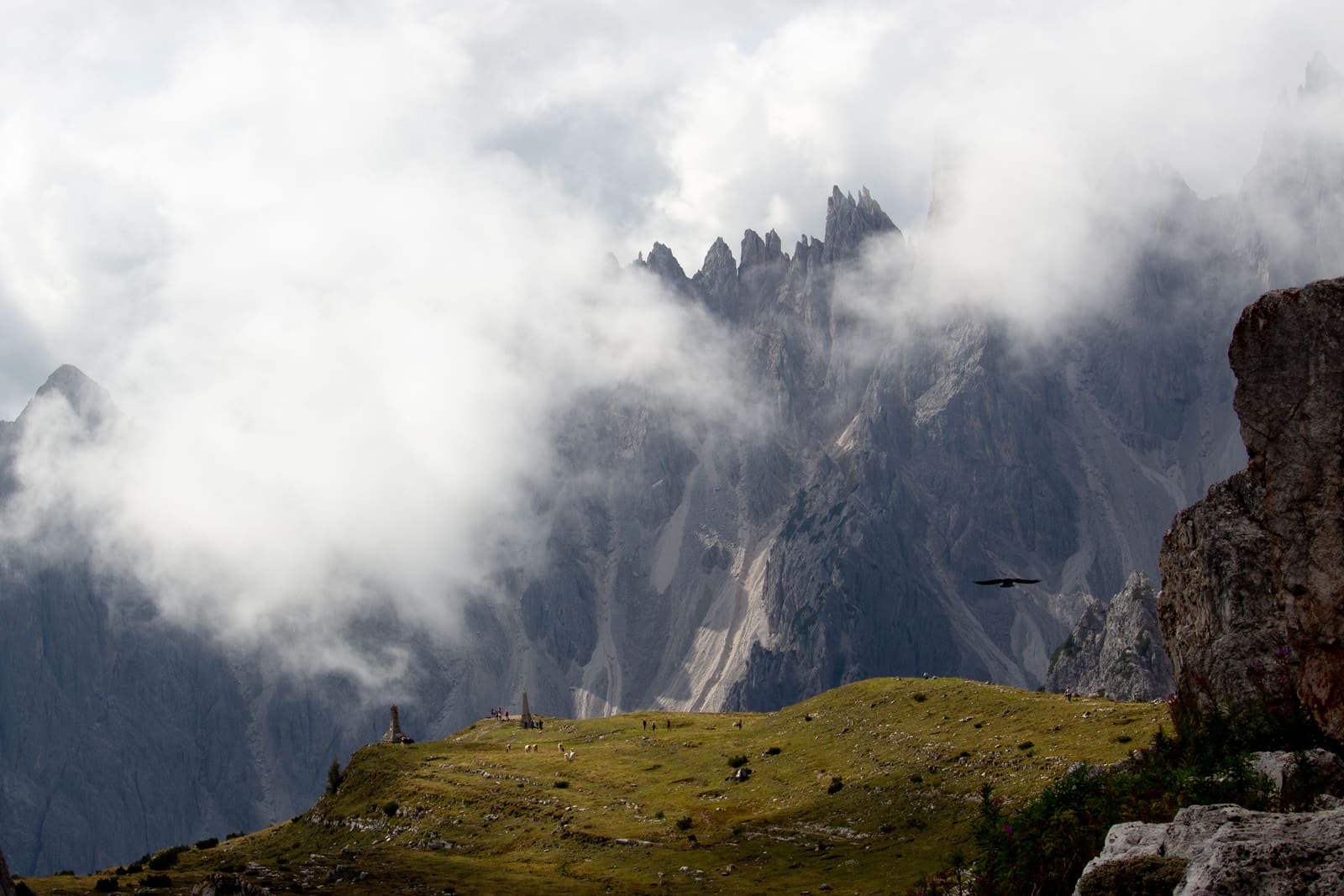
The armoire at Palace Merano holds mineral water and caffeine-free herbal tea. No fruit basket. No minibar chocolates. No coffee machine, because there is no coffee. The absence is deliberate, the first unspoken lesson of the Revital Method, the house detox protocol overseen by Dr Massimiliano Mayrhofer, a physician specialising in regenerative medicine. The Belle Époque property sits in a valley beneath the snow-capped Dolomites, where it has served guests seeking restoration since 1906. Today, regulars book the winter season months in advance; a four-day programme begins at USD 3,900, excluding accommodation.
This is not the variety of wellness retreat that confiscates phones at reception or schedules sunrise breathwork as non-negotiable. Palace Merano operates on a different premise altogether: that the body's renewal begins with medical assessment, not spiritual catharsis. The neuro-wellness work here is diagnostic. Guests arrive for cognitive testing, body composition scans, acupuncture, hydrotherapy, and a detox menu calibrated to mobilise toxins without theatrical deprivation. What unfolds is a week of precision care delivered with uncommon lightness, where the data matters but the numbers, as it turns out, do not tell the whole story.
The Medical Baseline
Every guest begins with an appointment with Palace Merano's medical staff. Dr Sabrina Ebner maps the days ahead: morning acupuncture, hydrotherapy, massage, followed by specialty sessions in the afternoons. The small brown binder she hands over becomes a passport of sorts, passed from practitioner to practitioner, each logging observations. There are no mandatory group rituals. Pilates, yoga, and morning meditation remain optional. The schedule is structured but never coercive, a quality that distinguishes this model from the more prescriptive wellness properties proliferating across Europe.
The cognitive appointments are added by request. Brain health has emerged as a focal point within the longevity movement, particularly for travellers whose family histories include Alzheimer's or other neurodegenerative conditions. The question is not merely how to extend life but how to preserve neurological function as the years accumulate. Palace Merano's approach addresses that concern through active testing rather than passive mindfulness, a clinical angle that appeals to guests seeking measurable insight over metaphysical reassurance.
The Hydro-Mud Ritual
After morning treatments, the hydro-mud therapy wing becomes the day's quiet centrepiece. Naique, who was born in Merano, prepares a warm bath in a dimly lit room, adding essential oil blends tailored to support detox. While guests soak, she offers a magnesium-potassium drink in a paper cup, presented with a wink and the word "champagne." The gesture is small but emblematic of the property's tone: medically rigorous yet never solemn, clinical without coldness.
The ritual is repeated daily, a thread of continuity through a programme otherwise customised to individual goals. Many guests move through the spa alone, their solitude undisturbed. There is no pressure to bond over shared intentions or participate in collective ceremonies, practices that have become standard at many wellness hotels. The privacy is intentional, the retreat structured to accommodate deeply personal journeys at individual tempos.
Cognitive Labs and LED Pods
The sports and recovery lab at Palace Merano includes a cognitive division, traditionally favoured by athletes working to refine mind-body connection. Increasingly, detox participants are adding cognitive testing to support focus, memory, and mental efficiency. Alex Schwazer, a coach in the lab, oversees the process. The apparatus is a wheeled rack holding six blue LED pods mounted at staggered heights, each flashing numbers or symbols. Three tests measure memory, attention, and reactivity. The challenge escalates with accuracy; the system is designed to locate the edge of cognitive performance.
Attention scores are returned in milliseconds. A result of 251 milliseconds falls within the higher range of the average population, a benchmark that offers context without drama. The written report provides remote access to exercises that can be continued at home, extending the programme's utility beyond the retreat itself. Schwazer distinguishes this method from brain mapping, which measures electrical activity in a static state. The LED-based tests force the brain into active engagement, yielding what he describes as a more functional read of neurological performance.
The distinction matters. Brain mapping, common at spiritually oriented retreats, offers a snapshot of resting brain activity. The Palace Merano model prioritises dynamic assessment, a difference rooted in sports science rather than wellness trends. The approach is mathematical, empirical, and refreshingly free of mysticism.
The Detox Menu
The cleanse begins with a gentle laxative protocol followed by an overnight fast. The warnings suggest intensity, but the experience is milder than anticipated: eight hours of sleep, a brief morning inconvenience, and a perceptible lightness by midday. The detox menu that follows is low-calorie but artfully composed, each dish calibrated to help the body eliminate accumulated toxins without punishing restriction.
Tapioca pudding shaped like a kiwi. Sumac couscous with broccoli, raisins, and almonds. The presentation is meticulous, the flavour combinations sophisticated enough to merit attention despite modest portions. Hunger persists after most meals, but the restaurant manager clarifies the philosophy unprompted: "If you need more food, ask. This is not a prison." The comment underscores the programme's ethos. Deprivation is not the objective; recalibration is.
A body composition scan reveals where muscle and fat are distributed, prompting questions about what constitutes a healthy weight in an era preoccupied with optimisation. Dr Claudia Arganini, a biologist and nutritionist, offers a perspective that resists quantification. "A healthy weight is not defined by a number," she explains. "It's about finding balance, feeling good in your body, building a healthy relationship with food. It's more about learning to treat yourself with greater acceptance and love than anything else."
The response reframes the retreat's purpose. Guests arrive seeking data, but the most useful insight may be that numbers alone cannot define well-being. The cognitive scores, the body composition metrics, the millisecond reaction times: all are tools, not verdicts.
The Lightness of Medical Precision
Palace Merano's neuro-wellness model succeeds not because it eschews science but because it pairs rigour with unexpected levity. The doctors, massage therapists, and hydro-mud attendants deliver care with a lightheartedness that prevents the experience from becoming oppressive. There is no weight-loss protocol masquerading as health, no forced spiritual reckoning. The programme is transparent about its aims: to provide actionable information within an environment that does not mistake severity for seriousness.
The regulars who return each winter understand this. They come not for transformation in the evangelical sense but for recalibration, a methodical reset supported by medical staff who speak plainly and treat guests as collaborators rather than patients. The cognitive testing offers a snapshot of current function, a baseline against which future performance can be measured. The detox menu clears accumulated excess without dogma. The hydro-mud therapy soothes without ceremony.
The Broader Shift
Neuro-wellness represents a shift within the luxury travel sector, one that privileges diagnostic precision over experiential theatre. The trend reflects a maturing wellness market, where guests increasingly seek measurable outcomes rather than ephemeral feelings of renewal. Palace Merano exemplifies this evolution. Its Belle Époque architecture and Dolomite setting provide the aesthetic framework, but the substance lies in the lab work, the body scans, the LED pods flashing symbols in a dimly lit room.
The model appeals to a particular traveller: one whose interest in longevity is practical rather than spiritual, who prefers data to dogma, who values solitude over communal intention-setting. It is wellness for the sceptical, the analytically minded, the person who wants to know precisely what is happening inside their body and brain without being asked to chant about it.
This is not to suggest that mindfulness plays no role. The slower pace, the absence of caffeine, the quiet evenings spent alone in a room overlooking the valley: all contribute to a mental clarity that no cognitive test can quantify. But the clarity emerges organically, a byproduct of the programme rather than its stated goal. The retreat does not demand introspection. It simply creates the conditions under which introspection becomes possible.
The Numbers and What Lies Beyond
By the final day, the brown binder holds a week's worth of notes: acupuncture observations, massage reports, cognitive test results, nutritional consultations. The memory score falls in the higher range of the average population. It is not a triumph, but under the circumstances, it is enough. The cognitive exercises can be continued remotely. The body composition data provides a reference point for future scans. The detox menu offers a template for periodic resets at home.
The true value, however, resides elsewhere. It lies in the fairy godmothers of the hydro-mud wing, handing over paper cups of magnesium with theatrical flair. In Dr Arganini's reminder that acceptance matters more than metrics. In the restaurant manager's assurance that hunger need not be endured. In the realisation that a retreat can be both medically rigorous and profoundly humane, that precision and warmth are not opposing forces.
Palace Merano's neuro-wellness programme does not promise transcendence. It offers something quieter and, for many, more durable: information delivered without judgement, care administered without coercion, and the rare luxury of being left alone to think.