Where the Vines Meet Stillness: Eight Retreats That Redefined Napa Valley
Beyond the tasting room, a new generation of properties has learned to hold silence as skilfully as it holds wine.
A Valley That Learned to Slow Down
The first grapevines arrived in what would become Napa Valley in 1839, planted by a settler named George Yount in soil that had never known European viticulture. Nearly two centuries later, the valley stretches across four distinct regions and five towns, from American Canyon in the south to Calistoga in the north, home to more than 400 wineries and a clutch of properties that understand hospitality as something closer to refuge than spectacle.
What separates the valley's finest retreats from mere luxury hotels is their grasp of rhythm. They know when to offer and when to withdraw. They understand that a guest who has spent the afternoon moving between Oakville and Rutherford, tasting through vintages and listening to winemakers explain terroir, needs a room that doesn't compete for attention. The properties below have internalised this lesson, each in its own way.
The Grande Dame of St. Helena
Alila Napa Valley occupies a white mansion built in 1905 by architect William Henry Corlett, originally a private family residence and now one of three historic estates anchoring the northern edge of St. Helena. The original building houses two restaurants, four guest rooms, and the reception area; the full property encompasses 64 rooms and four suites designed by Yabu Pushelberg, with bathrooms finished in Italian stone and stocked with Le Labo amenities.
The location, adjacent to Beringer Vineyards and a 15-minute walk from downtown St. Helena, makes it a natural base for those intent on serious wine exploration. But the property also offers departures from the expected: guided falconry sessions and wine-and-cycling tours led by local winemakers. Violetto, the on-site restaurant helmed by chef Mark Shoemaker, has earned its own following. The outdoor pool overlooks the vineyards, lined with cabanas and a firepit. The spa offers a Talisman Massage that employs soothing herbal poultices, a treatment that feels less like pampering and more like recalibration.
Calistoga's Thermal Ease
Solage, part of Auberge Collection, sits a short bike ride from downtown Calistoga, a town known for its bubbling thermal hot springs and a population that has resisted the valley's occasional drift towards ostentation. The property underwent a significant renovation in 2021, adding 11 studios and Picobar, a Mexican-inspired poolside eatery. Its 100 rooms range from 515-square-foot studios to two-bedroom suites equipped with three firepits and outdoor showers.
The resort's programming reflects a certain lightness of touch. Daily complimentary fitness classes include meditation, aqua aerobics, and pickleball on two outdoor courts. Guests can arrange hot-air balloon excursions or mezcal and tequila tastings. The design leans modern-meets-country, a phrase that sounds like marketing copy but here describes something real: clean lines softened by natural materials, spaces that feel open without feeling sparse.
An Eco-Luxe Homestead in Yountville
Bardessono Hotel and Spa occupies the site of Lucy and John Bardessono's former homestead, steps from downtown Yountville. The 65-room property was constructed using salvaged Tufa stone from the original family home and operates on a 200-kilowatt solar energy system. Its LEED Platinum certification is not merely decorative; the building's environmental credentials are woven into its architecture.
The rooms divide into three categories: Spa Suites with 800 square feet of space and a fully enclosed furnished courtyard or patio, ideal for couples; Steam Spa Suites, which include both indoor and outdoor showers; and Tufa Suites, which function as Wine Country townhomes with expansive living rooms, abstract art, and outdoor patios fitted with flat-screen televisions. Lucy Restaurant & Bar, the on-site eatery, adheres to a garden-to-table philosophy that feels less like a trend and more like common sense in a valley surrounded by agriculture.
A Downtown Transformation
Casa Mani Resort in Napa began life as an Embassy Suites before undergoing an 80-million-dollar transformation into something that retains approachability whilst adding considerable polish. The property centres on an outdoor pool and a 73-foot lawn flanked by six towering redwood trees. Its 203 accommodations feature separate living rooms and bathrooms, each with a freestanding bathtub, Red Flower apothecary goods, and a high-tech bidet.
The Redwood Lawn King Firepit rooms offer private patios and firepits, a configuration that appeals to guests who want proximity to downtown Napa without sacrificing the sense of retreat. On-site amenities include a gourmet grab-and-go market stocked with locally sourced provisions, a Peloton-branded fitness centre, a spa with a hydrotherapy room, and BOA Steakhouse. It is a property designed for guests who prefer not to leave once they have arrived.
A French Second Empire Revival
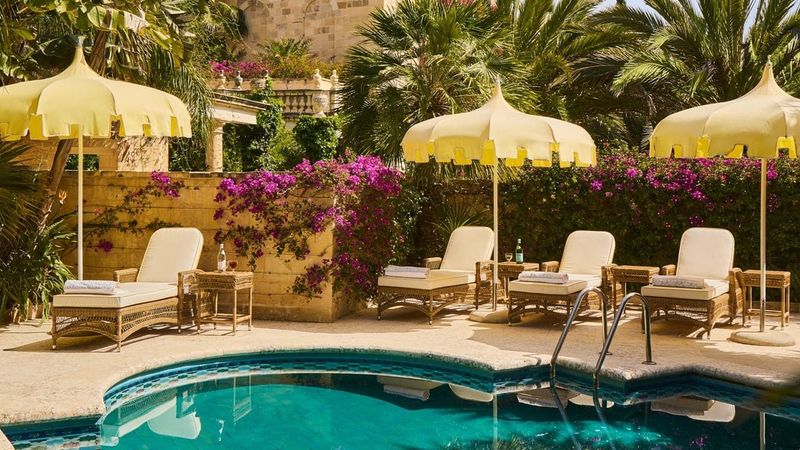
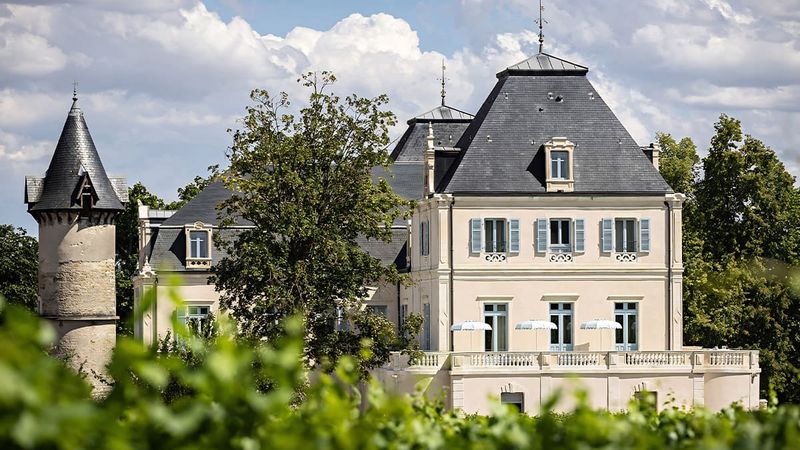
The Francis House in Calistoga, built in 1886 as a private residence for merchant and rancher James H. Francis, spent more than 40 years as the town hospital before its meticulous conversion into an eight-room bed-and-breakfast in 2018. Listed on the National Register of Historic Places, the property features a bellcast mansard roof, cascading stone fountains, and a heated outdoor pool set in grounds that invite long, aimless afternoons.
The rooms, arranged in varying layouts, recall Parisian ateliers with antique writing desks and Chantilly lace drapes. An outdoor tennis court and infrared sauna with halotherapy round out the amenities. The Francis House trades on a particular kind of nostalgia, not for a specific era but for the idea of time itself moving more slowly, of days structured around pleasure rather than productivity.
The Estate Yountville's Twin Properties
Vintage House and Hotel Villagio both sit within The Estate Yountville, a 22-acre resort that has become a hub for wine enthusiasts, honeymooners, and bridal parties. Vintage House leans lighter and airier than its sibling. Its rooms feature crisp white walls, shiplap ceilings, decorative fireplaces, and furnished outdoor patios. Turndown service includes seasonal touches: lavender dream mist in some months, cabernet-infused chocolate truffles in others.
Hotel Villagio, seconds from top-tier tasting rooms and restaurants, cultivates low-key vibes by day and a more animated scene after dark. A 70-dollar resort fee unlocks a suite of complimentary offerings: a welcome drink, electric bike rentals, morning yoga in the vineyard on select Saturdays, snacks in rooms and lobby areas, and perks at partner wineries across Yountville, Napa, and Rutherford. The property's 113 rooms include leather settees, decorative marble fireplaces, framed old-world-style maps of Napa County, and furnished outdoor patios and balconies. Its location on the same street as The French Laundry, Bistro Jeanty, Stewart Cellars, and Handwritten Wines makes it a natural anchor for a food-and-wine-focused stay.
A Woodsy Oasis with Five Decades of History
Meadowood Napa Valley has occupied 250 acres of forested land for more than 50 years, drawing A-listers, couples, and serious wine collectors with offerings that range from private tennis lessons to therapeutic mustard baths in hand-hammered copper tubs. The property comprises 36 rooms and suites in varying configurations, from the spacious Hill House tucked into the hillside to Cottage rooms with wood-burning fireplaces and enclosed porches.
Amenities include complimentary car service to downtown Yountville and St. Helena, daily parking, and in-room minibars stocked with curated snacks and non-alcoholic beverages. Meadowood trades less on novelty than on consistency, the assurance that what worked last year will work this year, that the rhythms of the place are reliable.
A Home Base in the Valley's Heart
Archer Hotel Napa sits within First Street, a 325-square-foot mixed-use development in downtown Napa that houses more than two dozen boutiques, restaurants, and tasting rooms. The 183-room hotel, which opened in 2017, functions as a base camp for valley exploration. An all-day lounge serves morning espresso and evening espresso martinis. Charlie Palmer, the upscale steakhouse, anchors the ground floor. A rooftop spa and a robust art programme featuring works by local and regional artists add texture.
Guest rooms and suites come in six layout configurations, each designed for travellers who plan to spend their days outside the property and return only to sleep, shower, and perhaps linger over a drink. It is a model that acknowledges the valley's primary draw whilst offering enough on-site amenity to justify staying in when the weather turns or the day's tastings have taken their toll.
What the Valley Holds Now
Napa Valley's hospitality landscape has matured beyond its early reliance on wine alone. The properties that thrive now are those that understand wine as one element in a larger composition, a reason to visit but not the only reason to stay. They have learned to curate silence as carefully as they curate wine lists, to recognise that luxury, in this context, often means the freedom to do nothing at all.
The valley's geography, stretching from the cooler southern reaches near American Canyon to the warmer, thermal-spring-fed north around Calistoga, allows for variation in both viticulture and atmosphere. A property in St. Helena offers a different experience from one in Yountville, not merely because of location but because each town has cultivated its own character. The retreats above have learned to reflect, rather than obscure, these distinctions.
What remains consistent across all of them is an attention to the in-between moments: the hour before dinner, the morning after checkout has been delayed, the afternoon when plans dissolve and a guest finds themselves by a pool, a book unread in their lap, content to watch light move across the vines.