Where Ocean Meets Jungle: Bali's New Language of Luxury
The Indonesian island has evolved far beyond its reputation, weaving artisanal heritage, volcanic landscapes, and a generation of visionary hoteliers into something entirely its own.
The Island That Refuses Definition
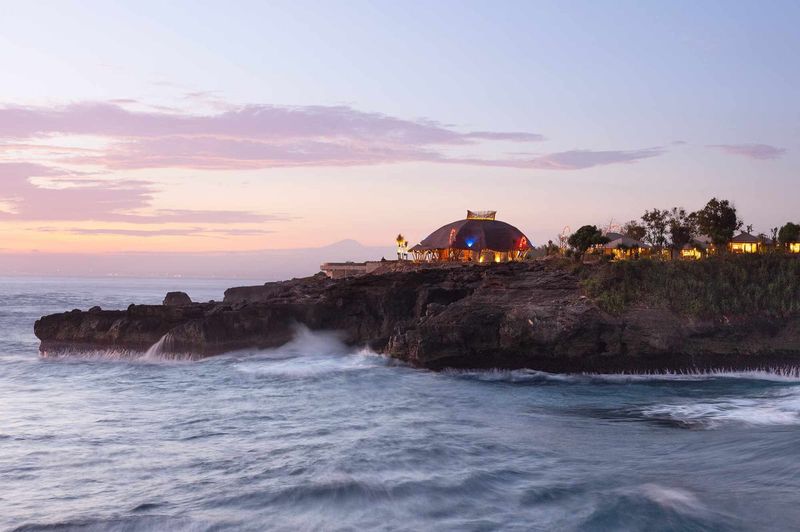
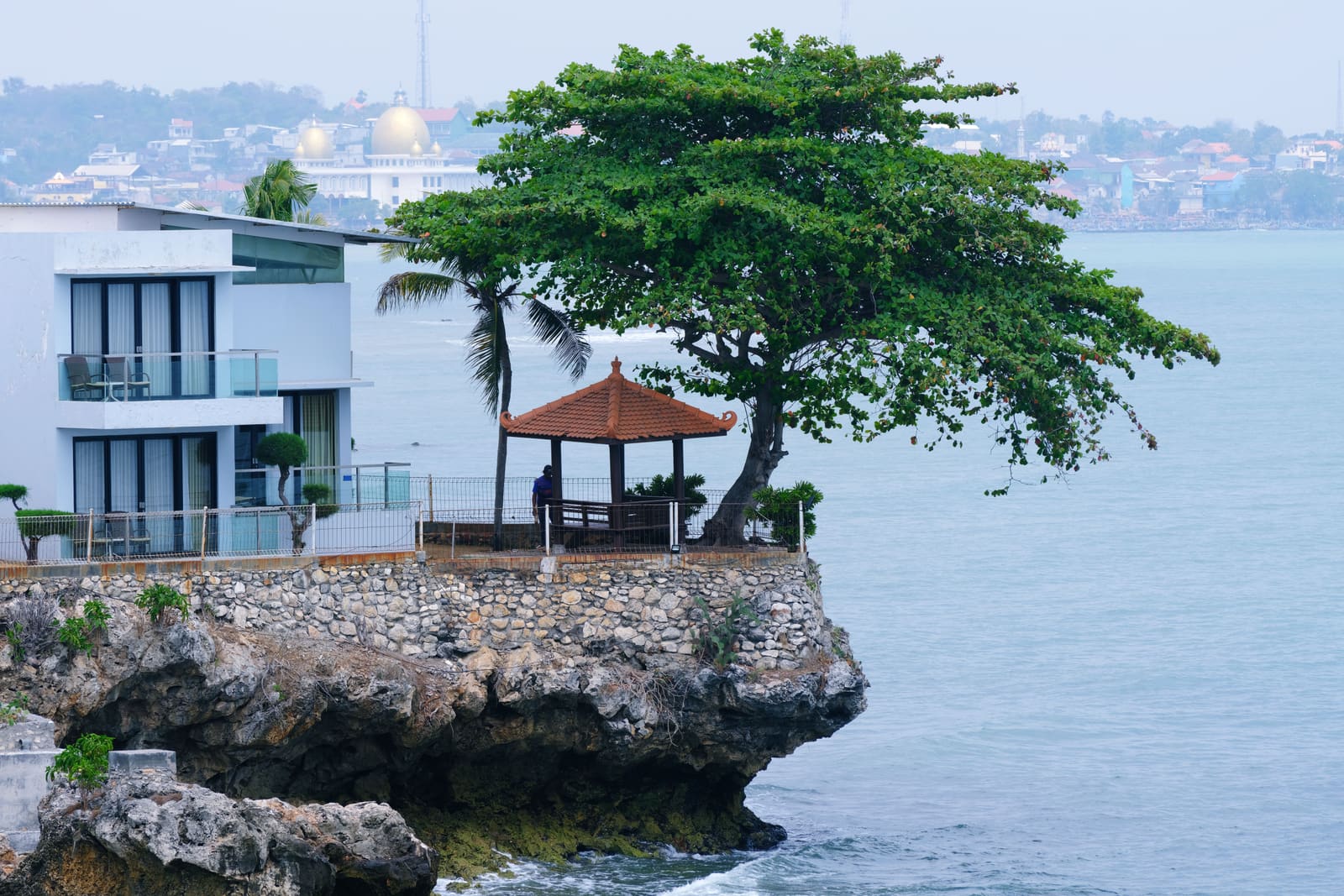
Stand at the edge of Uluwatu at dusk, where limestone cliffs plunge into the Indian Ocean, and the light turns everything amber and violet. Below, waves crack against black rock with a rhythm older than any temple. Above, the air smells of frangipani and salt. This is Bali at its most elemental, the version visitors carry home in memory long after the tan fades.
Yet the island's appeal has never rested solely on scenery. What distinguishes Bali within Indonesia's sprawling archipelago is a convergence: of elaborate ceremonial tradition and radical creative experimentation, of ancient rice-terrace engineering and cutting-edge sustainable architecture, of world-class surf breaks and wellness practices refined over centuries. The hospitality sector has absorbed all of it, transforming accommodation into a form of cultural immersion that feels less like checking into a hotel and more like stepping into a philosophy.
The landscape itself demands this. Volcanic peaks rise from jungle dense enough to muffle sound. Coastlines shift from white sand to black, from gentle lagoons to reef breaks that draw professionals from five continents. Rice paddies climb hillsides in geometric cascades, tended by farmers whose families have worked the same plots for generations. Any property hoping to succeed here must reckon with this intensity of place.
Architecture as Conversation
At Bambu Indah, near Ubud, twenty-four structures occupy a riverside site so steeped in vegetation that the full property reveals itself only gradually. Guests descend through a mud-walled shaft in an open bamboo lift, cross a handwoven bridge, and find themselves among antique Javanese bridal homes relocated timber by timber, alongside contemporary bamboo pavilions that push the material's structural limits. Copper bathtubs sit beside the river. Bed canopies draped in muslin offer the only air-conditioned zones. Cows graze the grounds.
The founders, jewellery designers who settled on Bali decades ago, conceived the property as a living laboratory for natural building materials. But the true experiment is philosophical: can luxury be redefined not by what is added but by what is left alone? Morning activities include meditation in a limestone cave and organised walks to collect rubbish from nearby roadsides, a pointed reminder that even paradise requires maintenance.
Soori Bali, along the western coast in Tabanan Regency, takes the opposite approach. Architect Soo K. Chan designed forty-eight villas and residences as studies in restraint, all polished stone, floor-to-ceiling glass, and private infinity pools that mirror the sky. The black-sand beach beyond remains blessedly free of commercial clutter. Mount Batukaru rises inland. The aesthetic is minimalist to the point of severity, a deliberate counterpoint to Bali's ornamental traditions. Yet the hospitality retains the island's signature warmth. Staff anticipate needs without intrusion. The eight-seat teppanyaki pavilion, suspended above the shore, frames the cooking as theatre against a coastal panorama.
Both properties succeed because they understand that Balinese design is not a style to be replicated but a dialogue to be entered. The island's architecture has always been site-specific, responsive to topography and climate and the invisible lines of spiritual geography that dictate where temples and homes may stand. Contemporary hoteliers who grasp this create spaces that feel inevitable, as though the land itself suggested the form.
Surf, Sand, and the Clifftop Enclave
Uluwatu's southwestern tip has become synonymous with a particular kind of traveller: the one who wants waves in the morning, yoga at noon, and a tasting menu by evening, all delivered with impeccable design sensibility. Uluwatu Surf Villas captures this ethos across thirty-seven individually designed accommodations that range from thatched Balinese bungalows to angular reclaimed-timber structures with asymmetrical rooflines. The single restaurant, Mana, occupies a teak pavilion at the property's highest point. Smoked fish on toast, cinnamon rolls glazed to excess, Tex-Mex breakfast burritos, chia parfaits: the menu wanders cheerfully across continents, much like the guest list.
The surf break below draws professionals. Occasionally, musicians with similarly global followings perform clifftop concerts at sunset. The atmosphere manages to be both deeply relaxed and meticulously curated, a balance Bali has perfected over decades of welcoming expatriates and long-term visitors who refuse to choose between hedonism and mindfulness.
Nearby, Jumeirah Bali occupies a clifftop above Dreamland Beach. The design leans into alabaster and maritime motifs, a nod to Bali's ancient seafaring kingdoms. Water features spill into koi ponds. A triple-tiered infinity pool commands ocean views. A private entrance leads directly onto the sand, seconds from some of the island's most consistent swells. The grounds are maintained with a precision that borders on theatrical: every fallen flower swept away, every hedge trimmed to geometry.
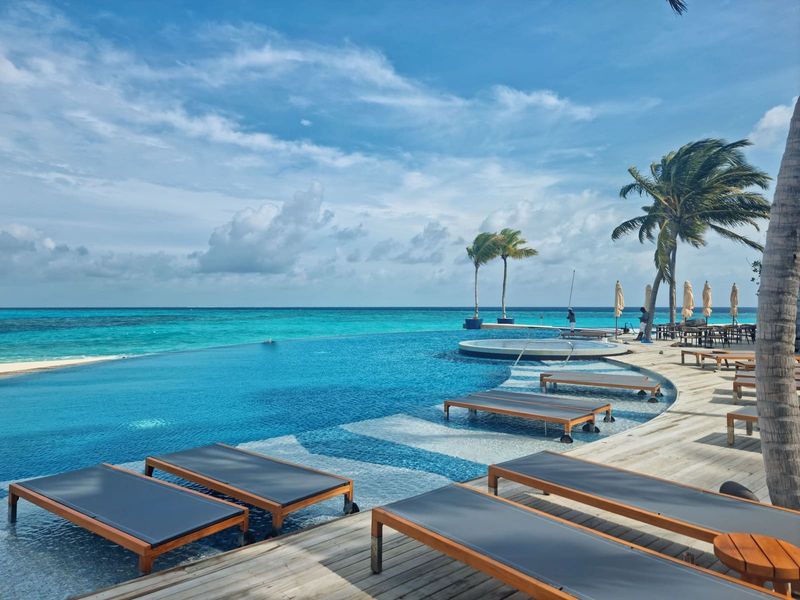
Further north, Regent Bali Canggu anchors itself in the village known for marrying surf culture with social energy. The property's nine pools, some equipped with submerged chaise longues, cater to guests who want the beach within view but prefer their salt water filtered and temperature-controlled. The beachfront restaurant stores surfboards for residents. A private club offers exclusivity without stuffiness. The whole enterprise feels designed for a generation that expects luxury to be effortless, photogenic, and faintly irreverent.
The Beachfront Institution
The St. Regis Bali Resort sprawls across twenty-two acres of Nusa Dua coastline with the confidence of an establishment that has nothing left to prove. The 124 suites and villas begin at nearly 1,000 square feet. Marble bathrooms, oversize tubs, gilded Balinese headdresses displayed as art, chandeliers that catch the afternoon light: the aesthetic is unabashedly maximalist. The saltwater lagoon pool stretches across nearly 40,000 square feet, a body of water substantial enough to rival the actual ocean visible beyond the resort's sugary beach.
Saturday brunch at Kayuputi, the property's signature restaurant, has achieved near-legendary status. The spread includes delicacies from both coast and highlands, accompanied by Champagne and the house Bloody Mary. The meal is engineered to last hours and leave diners sated well into the following day. Service is gracious without being intrusive, a hallmark of Balinese hospitality that the resort has refined to an art form.
What the St. Regis represents, beyond opulence, is consistency. In an island landscape increasingly defined by boutique experimentation and eco-conscious innovation, there remains a place for grand-scale luxury that delivers exactly what it promises: space, comfort, impeccable service, and direct access to one of Bali's gentlest stretches of sand.
The Hinterland Beckons
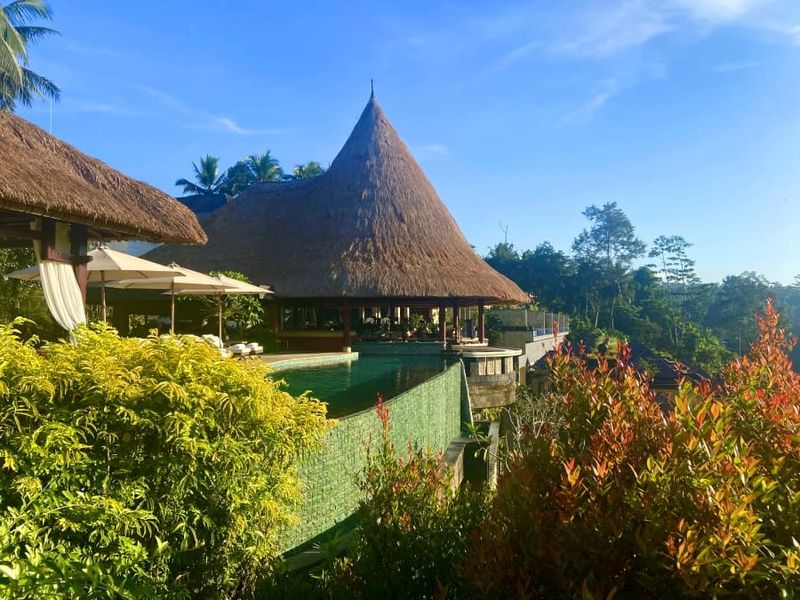
Anantara Ubud, the brand's second Bali property, situates itself inland where jungle thickens and the air cools. The magic here is not on-site spectacle but proximity to the island's creative and spiritual heartland. Ubud has long served as Bali's cultural nucleus, home to painters, dancers, woodcarvers, and the rice terraces that appear on every postcard. The resort positions itself as a gateway to this richness, offering excursions to artisan workshops, temple ceremonies, and treks through landscapes that shift from cultivated to wild within minutes.
The accommodations themselves embrace indoor-outdoor living, with private pools and pavilions open to the elements. Monkeys chatter in the canopy. The scent of incense drifts from nearby family temples. At night, the jungle produces a symphony of insect and frog calls that no sound machine can replicate.
This is the Bali that exists beyond the beach clubs and sunset bars, the version sustained by agrarian rhythms and artistic traditions passed down through generations. Anantara Ubud does not attempt to recreate it but rather to offer a vantage point from which guests can observe and, if they choose, participate.
Why the Island Endures
Bali's hospitality landscape has expanded dramatically in recent years. Tented glamping sites occupy mountain ridges. Bamboo treehouses cantilever over gorges. Chefs from Melbourne, Tokyo, and Copenhagen open restaurants that reinterpret Indonesian ingredients through techniques honed elsewhere. Sustainable practices, once a niche concern, have become baseline expectations. Remote regions that required hours of rough driving are now accessible via improved infrastructure.
Yet the island's essential appeal remains unchanged. Bali offers a rare combination of natural drama, cultural depth, and a population genuinely hospitable by temperament rather than training. The Balinese relationship to beauty, whether expressed through daily offerings left at doorsteps or dance performances that require years of study, permeates daily life in ways visitors sense even if they cannot articulate.
The best properties understand this. They recognise that luxury on Bali is not about insulation from place but immersion in it. Whether that means bathing in a copper tub beside a river, watching the sun set from a clifftop villa, or learning to harvest rice from farmers whose families have worked the same land for centuries, the experience is one of connection. The island does not allow visitors to remain passive observers. It pulls them in, gently but insistently, until the distinction between traveller and participant begins to blur.
For those willing to meet Bali on its own terms, the rewards are considerable. The island has evolved far beyond the paradise cliché, maturing into something more complex and infinitely more interesting: a place where ancient tradition and radical innovation coexist, where the landscape itself seems designed to provoke awe, and where hospitality is understood not as service but as an invitation to see the world differently, if only for the duration of a stay.