Two Retreats, One Island: How Four Seasons Bali Reimagines the Festive Season
Between Jimbaran's shoreline and Sayan's river valley, the luxury group offers a choice that goes deeper than geography.
A Question of Setting
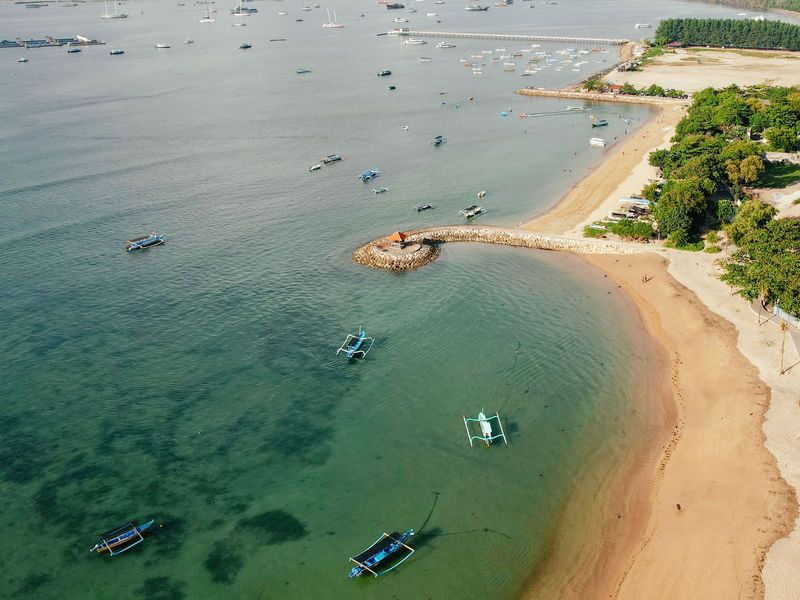
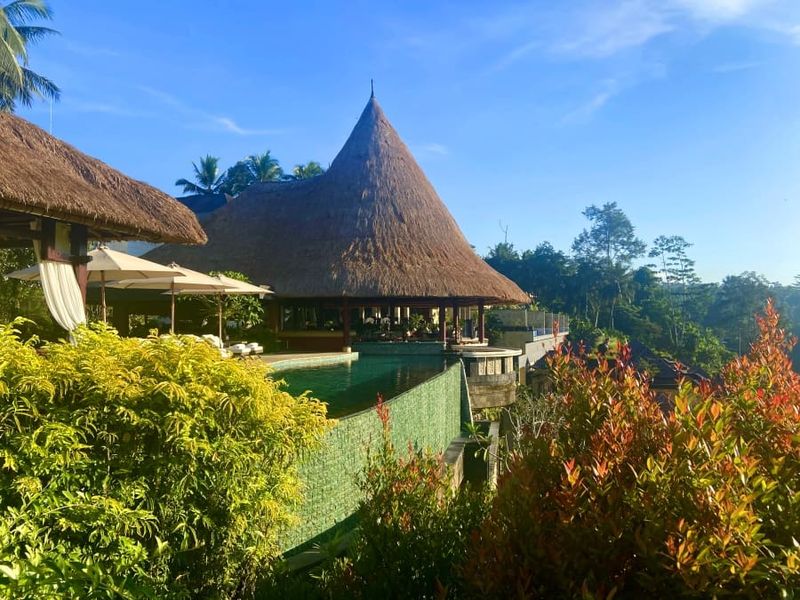
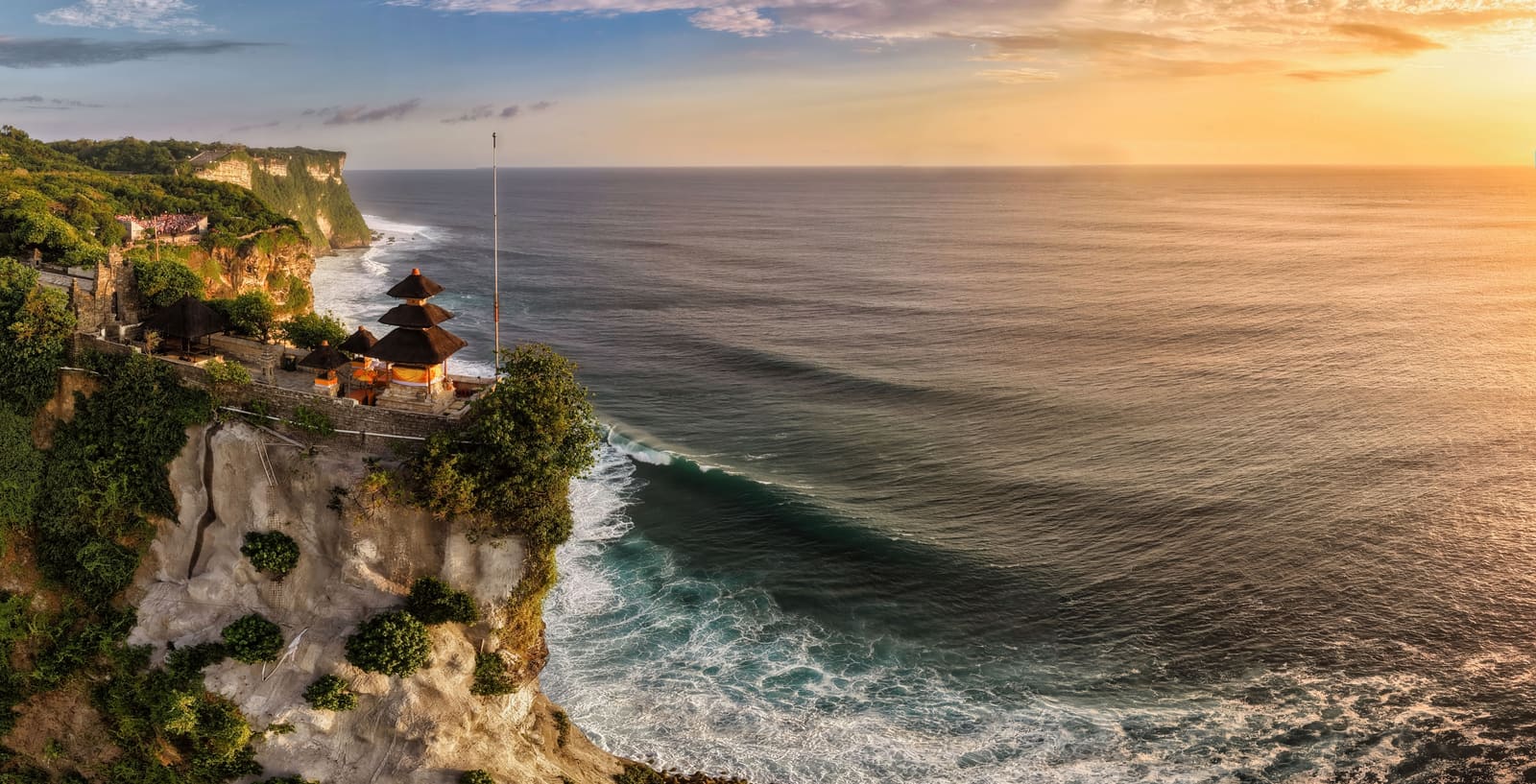
The choice begins not with amenities or menus but with a single question: which version of Bali do you want to wake inside? Four Seasons operates two resorts on the island, and the distance between them is less geographical than philosophical. Jimbaran Bay stretches along three miles of pale sand on the southern coast, where villas with private pools and walled gardens mimic the layout of a traditional village. Sayan, by contrast, perches above the Ayung River Valley near Ubud, its suites and pool villas carved into the hillside, facing unbroken rainforest. The festive season at both properties runs through Christmas and into the new year, but the rituals unfold in entirely different registers.
At Jimbaran Bay, the programme centres on the beach. Sundara, the resort's oceanfront venue, will host a Christmas Day brunch featuring seasonal dishes, while a figure dressed as Santa is scheduled to appear at Coconut Grove on a surfboard. Sunset sessions, cocktails at TELU Bar, and a New Year's Eve dinner of international and Indonesian dishes lead to a midnight countdown by the water. The resort's 156 villas are arranged along pathways that wind past shrines, lotus ponds and thatched pavilions, a layout that borrows from Balinese village planning without replicating it. Families have access to Umah Rare Kids Club and hands-on cooking sessions at Jala Cooking Academy; the atmosphere is coastal, unhurried, built around long afternoons and the rhythm of the tide.
Sayan takes a different approach. Guests arrive across a treetop bridge that opens onto a floating lotus pond above the forest canopy, with the sound of the river audible below. The Christmas Day meal here is called the Jungle Jingle Brunch, served at Riverside with live acoustic music. On New Year's Eve, the resort offers a six-course dinner at Riverside accompanied by a violin duo, or a buffet at Ayung Terrace, followed by a late-night gathering at Jati Bar with a DJ, saxophone performance and fireworks over the valley. Santa arrives by river raft. Children can attend movie nights and meet birds from Bali Bird Park. The Sacred River Spa offers what the resort calls a Sacred Nap, a restorative ritual in a lotus-petalled pavilion overlooking the valley. The mood is quieter, more inward, shaped by the forest and the river rather than the sea.
The Living Art Programme
This year's celebrations carry a thematic thread: SOUL: The Living Art of Bali. Rather than importing a Western festive aesthetic, both resorts have partnered with Jnana Heritage Reimagined, a cultural enterprise that works with village youth organisations to sustain traditional crafts. The collaboration has a practical dimension. Every guest stay contributes to Jnana's six-month Creative Industry Education programme, which trains young Balinese artisans in skills that can support a livelihood while preserving techniques passed down through generations. The results are visible throughout both properties: bespoke Christmas trees, lobby installations, villa wreaths and guest amenities crafted by participating artisans.
At Jimbaran Bay, the design language leans on handcrafted bamboo and woven palm, with sunset ceremonies and beachside gatherings lit by fire. Sayan incorporates torchlit arrivals and riverside gamelan performances, the traditional percussion ensemble that has been central to Balinese ceremony for centuries. The programme extends beyond decoration. Guests at both resorts can participate in Balinese arts workshops, including Kamasan painting, a classical style that originated in the village of Kamasan in east Bali, and Wayang Tantri, the shadow-puppet tradition that blends Hindu epics with Javanese fables. Shrine tours and cultural demonstrations are scheduled between meals.
The partnership with Jnana will continue after the festive season ends. In June 2027, the artisans involved in the programme will gather to showcase their work, a public exhibition that aims to connect their craft with a broader audience. The model is instructive. Luxury hospitality in Southeast Asia has long drawn on local culture for aesthetic effect, but the economic benefit to the communities that produce that culture has been uneven. By embedding artisan training into the guest experience and creating a pathway to sustainable income, the SOUL programme attempts to shift that balance. Whether it succeeds will depend on how many artisans can build careers from the training, and whether the market for their work extends beyond the resort context.
Regional Context: Festive Travel in Southeast Asia
The festive season has become a significant revenue period for luxury resorts across Southeast Asia, driven by both regional travellers and long-haul visitors from colder climates. In Indonesia, domestic tourism has grown steadily since the pandemic, with Indonesian families increasingly choosing high-end resorts for year-end holidays. Bali remains the country's most visited destination, and the island's hotel sector has responded with increasingly elaborate festive programming. Four Seasons' dual-resort model in Bali is unusual but not unique; other luxury groups, including Aman and Mandarin Oriental, operate multiple properties within single countries, allowing guests to combine contrasting experiences within one trip.
The emphasis on cultural programming reflects a broader shift in the luxury travel sector. Guests increasingly expect more than comfort and service; they want context, connection, a sense of place that goes beyond the visual. This expectation has pushed resorts to deepen their engagement with local traditions, not merely as entertainment but as education. The risk, of course, is commodification, the reduction of living culture to curated performance. The SOUL programme attempts to mitigate that risk by ensuring that the artisans themselves benefit economically, but the line between cultural preservation and cultural display remains thin.
What the Choice Reveals
The decision between Jimbaran Bay and Sayan is not merely a matter of preference for ocean or forest. It is a choice between two modes of luxury, two ways of structuring time. Jimbaran Bay is social, expansive, designed for families and couples who want activity and variety. The beach is the centre of gravity, and the festive programme radiates outward from it: brunch at Sundara, cocktails at TELU Bar, sunset sessions, a countdown by the water. The resort's layout encourages movement, exploration, the discovery of hidden courtyards and temple shrines along winding paths.
Sayan, by contrast, is contemplative, vertical, built around stillness and the natural world. The river valley defines the experience, and the festive programme is quieter, more intimate. The six-course dinner at Riverside, the Sacred Nap at the spa, the torchlit gamelan performance, these are rituals that ask guests to slow down, to pay attention, to notice the way light filters through the canopy or the sound of water over stone. The resort's hillside suites and pool villas are designed to frame the landscape, to make the forest the focal point rather than the architecture.
Both resorts offer wellness experiences, but they differ in tone. At Jimbaran Bay, the Healing Village Spa offers a cooling crystal body treatment and sunset meditation, rituals that complement the beach setting. At Sayan, the Sacred River Spa is more immersive, with treatments that incorporate river water and forest plants, and the Sacred Nap, a guided rest in a pavilion suspended above the valley. The difference is subtle but real: one resort treats wellness as an amenity, the other as a philosophy.
The Economics of Dual Properties
Operating two distinct resorts on a single island allows Four Seasons to capture a wider segment of the luxury market. Families with young children, couples seeking romance, wellness-focused travellers, and culture-oriented guests all have different needs, and the dual-property model allows the brand to serve them without diluting its offering. It also creates an opportunity for multi-centre stays, with guests spending part of their holiday at one resort and part at the other. This model has become increasingly common in Southeast Asia, where the diversity of landscapes within small geographical areas makes it feasible to offer radically different experiences within a single trip.
The festive season is a particularly lucrative period for this strategy. Guests are willing to spend more during the holidays, and they often travel in larger groups, booking multiple villas or suites. The addition of cultural programming and special events justifies premium pricing, while the partnership with Jnana Heritage Reimagined provides a narrative that appeals to travellers who want their spending to have a positive impact. The challenge for the resorts is to deliver on that promise, to ensure that the cultural programming is substantive rather than superficial, and that the economic benefits to local artisans are real and lasting.
A Festive Season Rooted in Place
What distinguishes this year's programme from a standard festive offering is the degree to which it is rooted in Balinese culture. The SOUL theme is not simply applied as a decorative layer; it shapes the guest experience from arrival to departure. The handcrafted installations, the gamelan performances, the arts workshops, the partnership with Jnana, all of these elements are designed to connect guests with the island's living traditions. The question is whether that connection is meaningful or merely aesthetic, whether guests leave with a deeper understanding of Balinese culture or simply a pleasant memory of a well-decorated resort.
The answer will vary by guest, but the structure of the programme suggests that Four Seasons is aiming for something more than decoration. The arts workshops are hands-on, requiring participation rather than passive observation. The shrine tours and cultural demonstrations are led by local practitioners, not resort staff. The partnership with Jnana is long-term, extending beyond the festive season into 2027 and presumably beyond. These are not the hallmarks of a superficial engagement.
At the same time, the programme is carefully curated, designed to fit within the rhythms of a luxury resort stay. The workshops are optional, the cultural demonstrations are scheduled, the gamelan performances are timed to coincide with dinner. The experience is immersive but controlled, a version of Balinese culture that has been adapted for a particular audience. Whether that adaptation diminishes or enhances the culture is a question that cannot be answered from within the resort walls.
The Ritual of Arrival
The difference between the two resorts is apparent from the moment of arrival. At Jimbaran Bay, guests enter through a series of courtyards and gardens, the architecture low and horizontal, the ocean visible in the distance. The sense is of openness, of space extending outward toward the horizon. At Sayan, the arrival is vertical, crossing the treetop bridge to the floating lotus pond, then descending into the valley. The sense is of enclosure, of being held within the landscape rather than looking out over it.
These spatial experiences shape the way guests inhabit the resorts. At Jimbaran Bay, the tendency is to move, to explore, to circulate between beach and pool and restaurant. At Sayan, the tendency is to settle, to find a spot and remain there, watching the light change on the river or the mist rise from the forest. The festive programmes reflect these tendencies. Jimbaran Bay offers a sequence of events, a calendar of activities that keeps guests moving. Sayan offers moments, rituals that punctuate longer stretches of stillness.
Both approaches have merit, and both are rooted in legitimate traditions of hospitality. The question is not which is better but which suits the traveller. Those who want a festive season filled with activity, variety and social energy will find it at Jimbaran Bay. Those who want a festive season of quiet, reflection and immersion in nature will find it at Sayan. The luxury is not in the choice itself but in the fact that the choice exists, that a single brand on a single island can offer two experiences so distinct that they might as well be in different countries.
Beyond the Festive Season
The SOUL programme will continue after the holidays, with the participating artisans gathering in June 2027 to present their work. That exhibition will be a test of the programme's sustainability, a measure of whether the training and support provided by Four Seasons and Jnana can translate into long-term livelihoods for the artisans involved. If the exhibition succeeds, if the artisans find buyers and patrons beyond the resort context, then the programme will have achieved something rare: a genuine economic benefit to the local community, not as charity but as partnership.
The festive season at Four Seasons Resorts Bali is, in the end, a question of landscape and ritual, of whether you want to mark the turning of the year by the ocean or by the river, in the company of many or in the company of few. The choice is not trivial. The way we spend the holidays shapes the way we remember the year, and the place we choose to spend them shapes the memories we carry forward. Jimbaran Bay offers the festive season as celebration, bright and social and open to the sky. Sayan offers it as retreat, quiet and inward and held within the forest. Both are versions of luxury, both are rooted in place, and both are, in their own way, a form of coming home.