Where Ancient Estonian Cosmology Meets Contemporary Wellness
On Hiiumaa, a retreat built on the belief that the North Star once held up the sky.
The Architecture of Fear
Long before wellness became an industry, the people of Hiiumaa lived beneath a sky they believed could fall. The North Star, they thought, was the single point holding everything aloft. Should it shift, the heavens would collapse. So they built shelters with steep, pointed roofs - structures that might pierce through falling sky, or at least provide a window to watch the star's position. The trees were tall enough. The island had always given them what they needed.
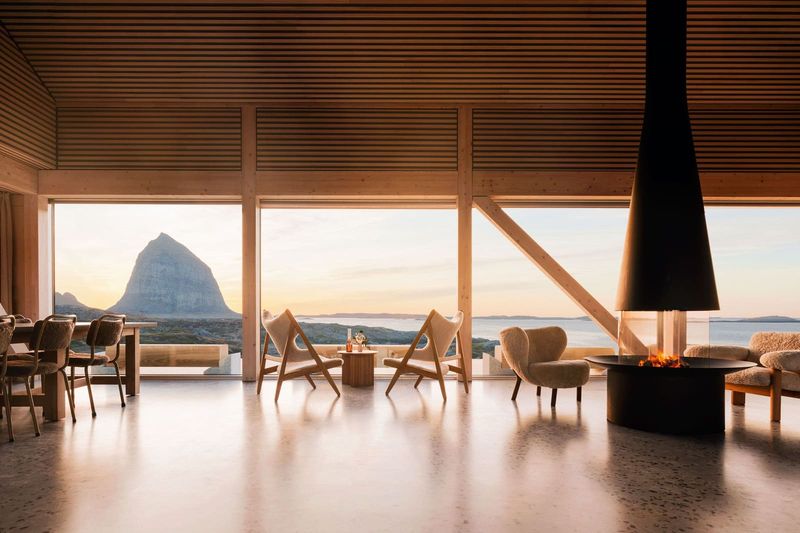
That cosmology, equal parts pragmatic and poetic, now shapes Eha, a wellness retreat that opened along the Baltic coast of this Estonian island. The pitched roofs remain. The interiors are clad in pale timber. The pointed peaks echo those ancient teepee forms, though the materials and comforts have evolved. What persists is the logic: architecture as both shelter and observatory, a place to watch the world and prepare for its uncertainties.
A Landscape That Resists the Obvious
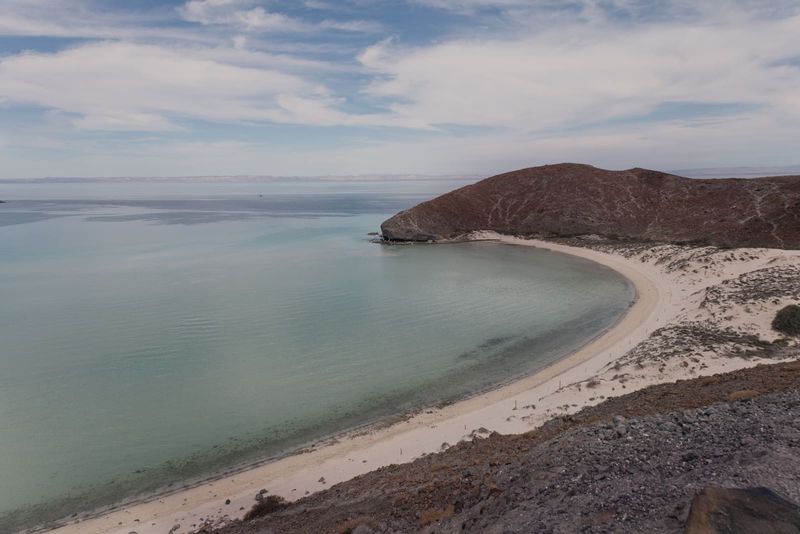
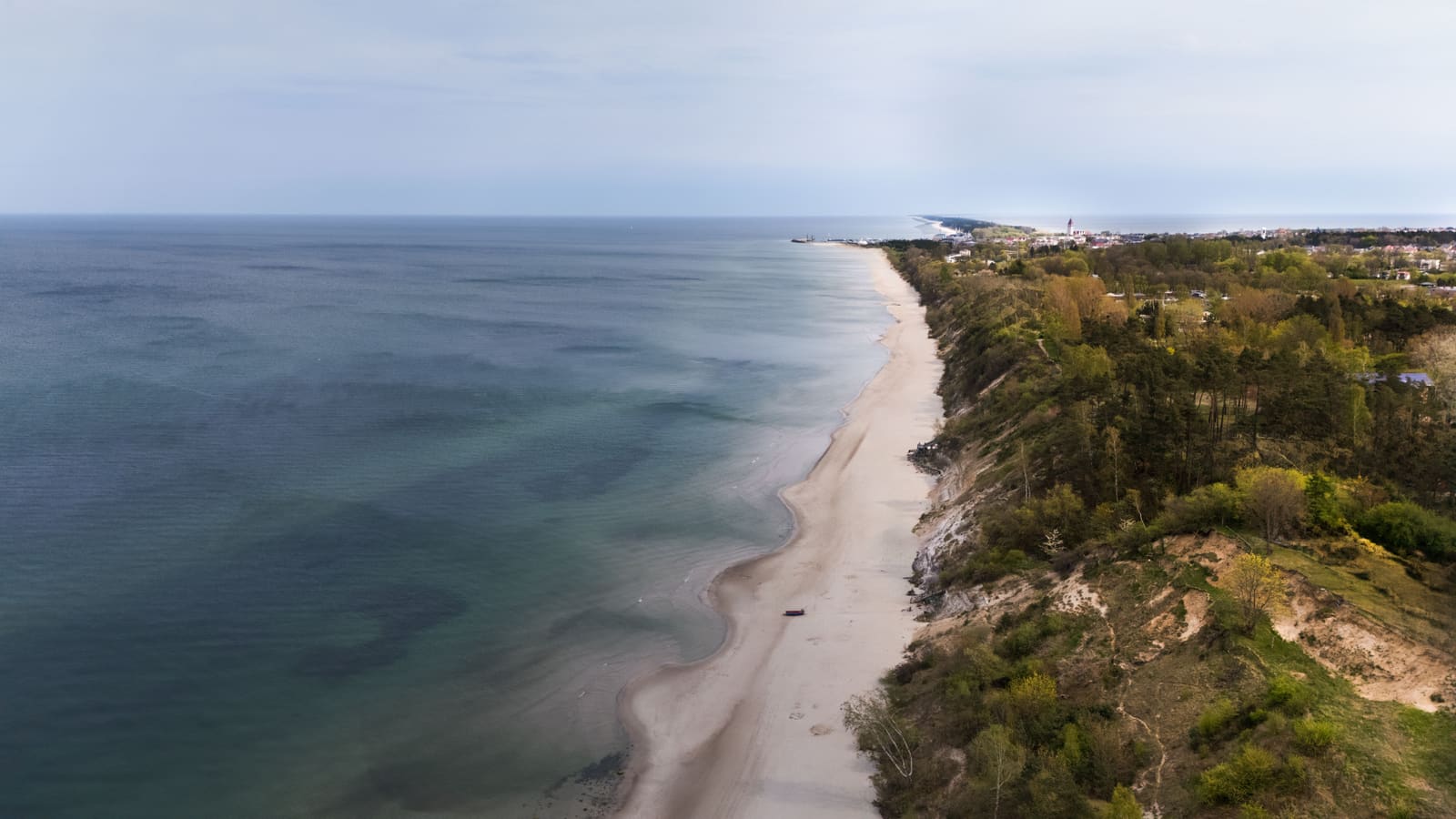
The Baltic is not Bali. Estonia does not conjure images of sun-drenched terraces or alpine sanatoriums, the usual backdrops for wellness tourism. Hiiumaa, roughly the size of Singapore but home to only ten thousand people, is a UNESCO Biosphere Reserve dominated by forest and marsh. The coastline is dramatic in a muted way - reeds, grey water, horizons that stretch without interruption. The climate is cool. The light is oblique. It is not a landscape that flatters easily.
Eha's founders have made that austerity central to the experience. The retreat is designed as a large, minimalist house rather than a resort. Communal spaces - living room, dining room - encourage interaction without forcing it. Shoes are left at the door; slippers are provided. Mobile phones are discouraged. The effect is less about deprivation than about a gentle loosening of habit, a shift in the sensory environment that makes guests more aware of where they are.
And where they are is unmistakably Estonia. The views from every room take in the Baltic and the island's stark, reed-filled shore. The interiors, with their light-washed wood and clean lines, reference Nordic design traditions without pastiche. The architecture does not try to transport guests elsewhere. It insists on presence.
Five Seasons, Not Four
Eha structures its programming around Hiiumaa's five seasons. Between winter's end and spring's arrival lies "Springrise," a transitional period recognised in local tradition but absent from most calendars. Each season carries its own philosophy, which in turn shapes the food, treatments, movement classes, and hydrotherapy offerings.
Autumn, for instance, is framed as a season of grounding and preparation for rest. The retreat's autumn programme includes post-dinner sound baths, one-to-one sessions with sound bowls and lymphatic drainage massage, morning energy and fascia flow classes, and traditional sauna whisking with birch twigs gathered from the surrounding forest. The treatments are not arbitrary. They follow a logic rooted in the island's rhythms - the shortening days, the cooling air, the body's instinct to conserve.
This seasonal framework is more than thematic decoration. It reflects a broader philosophy: that wellness is not a universal prescription but a response to specific conditions - climate, landscape, culture. What works in California may not work in Estonia. What the body needs in spring differs from what it needs in autumn. Eha's model is particularist, even localist, in an industry often dominated by globalised formulas.
The Discipline of Scarcity
Chef Peeter Pihel sources every ingredient from Hiiumaa. The constraint is deliberate. The island's agricultural output is limited by its size and climate, which means the menu is necessarily spare. Yet within that scarcity, Pihel constructs dishes that rival those of Michelin-starred kitchens.
Breakfast is served buffet-style: homemade rye bread, yoghurt with plum compote, eggs from local chickens. Lunch follows the same format - pumpkin gnocchi, tender steak. Dinner is family-style, with dishes passed around the communal table. A recent autumn menu featured white fish caught just offshore, a warming broth of beetroot and cheese, roasted root vegetables. The portions are generous but not excessive. The flavours are clean, direct, unmasked by elaborate technique.
The food at Eha is not about abundance or variety. It is about depth - how much flavour and texture can be coaxed from a handful of ingredients, how a single fish or vegetable can anchor an entire meal. This is not the cuisine of scarcity as deprivation but scarcity as focus, a culinary philosophy that mirrors the retreat's broader ethos. Less becomes more not through rhetoric but through execution.
Structure Without Rigidity
Eha's standard programme runs two nights and four days. Guests receive a schedule upon arrival: morning movement sessions, meal times, individual treatments. But the structure is loose. Long stretches of unscheduled time allow for walks along forest trails, solitary hours in the private living areas within each room, or extended sessions in the sauna, steam room, hot tubs, or pool.
The outdoor pool, heated and overlooking the Baltic, is particularly striking in cold weather. The contrast between warm water and frigid air, between the body's heat and the landscape's chill, is visceral. It is a reminder that wellness, at least as Eha defines it, is not about comfort alone but about calibrated discomfort - cold plunges, forest walks in rain, the effort required to step outside routine.
The retreat accommodates thirty guests at a time, attended by a staff of thirty. The ratio ensures attentiveness without intrusion. Treatments are personalised but not prescriptive. The communal spaces encourage conversation, but the design also provides ample opportunity for solitude. The balance is delicate and, for the most part, successful.
The Question of Authenticity
Wellness tourism often traffics in a kind of cultural bricolage - Balinese massage in Switzerland, Ayurvedic treatments in Arizona. The result can feel both cosmopolitan and hollow, a globalised menu of practices detached from their origins. Eha's approach is different: it roots itself in a single place and draws on that place's traditions, landscape, and seasonal rhythms.
But authenticity is a slippery concept. The ancient Hiiumaa belief about the North Star is invoked as a design principle, yet the retreat itself is unmistakably contemporary. The sauna whisk uses birch twigs from the local forest, but the hydrotherapy pools and minimalist interiors are products of modern wellness culture. Eha is not a museum. It does not attempt to recreate the past. Instead, it uses the past as a lens, a way of seeing the present landscape and climate with fresh attention.
This is perhaps the retreat's most interesting gambit: that a sense of place can be both constructed and genuine, that tradition can inform innovation without becoming costume. Whether that balance holds will depend on how Eha evolves - whether it remains rooted in Hiiumaa's particularities or gradually adopts the generic language of global wellness.
The Solace of the Peripheral
Hiiumaa's remoteness is part of the appeal. The island is not easy to reach. It requires intention. That difficulty acts as a filter, ensuring that guests arrive with a degree of commitment. The island's sparse population and protected status mean that development is limited. The forests and marshlands remain largely undisturbed. The night sky, unobscured by light pollution, is dark enough to see the North Star clearly.
In an era when wellness retreats proliferate in ever more accessible locations, Eha's peripherality is a strategic asset. It offers what cannot be easily replicated: isolation without loneliness, simplicity without deprivation, a landscape that resists the picturesque but rewards sustained attention. The retreat does not promise transformation. It offers, instead, a temporary reprieve - a few days in a place where the sky once seemed fragile, and where that fragility shaped how people chose to live.