The Slow Art of Traveling for Craft
From Yunnan's bark papermakers to Antigua's weavers, a new kind of journey invites travelers into the studios where tradition lives on.
The Hands That Hold Memory
In the mountain town of Shaxi, wood shavings curl onto stone floors. In Baisha, Naxi priests still make paper from bark, a practice so old it predates the written word in parts of Yunnan. These are not museum demonstrations or staged performances for tour groups. They are living traditions, sustained by artisans who carry knowledge passed down through generations, and now, increasingly, by travelers willing to slow down long enough to learn.
The rise of craft-focused travel represents a quiet shift in how people move through the world. Instead of ticking landmarks off a checklist, a growing number of visitors are seeking out the studios, cooperatives, and workshops where cultural identity is made tangible. They want to understand how esparto grass becomes rope in Portugal, how Icelandic wool transforms into cloth, how Mexican heirloom cotton survives in an age of industrial textiles. The appeal is not novelty but depth - a chance to witness, and sometimes participate in, the work that connects people to place.
A New Documentary Frames the Movement
Handmade Future, a documentary directed by Kirsten Dickerson, follows artisans across Kenya, Morocco, and India as they shape clay, weave blankets, and print fabric by hand. Dickerson, who co-founded Artist & Nomad, a business built around craft and social impact, believes that objects made by hand carry something beyond function or beauty. "Things made by hand connect souls and so are worth preserving," she explains. "Craft doesn't just provide income; it provides community and cultural identity."
Artist & Nomad is now offering retreats in 2027 to Kenya, Morocco, and Oaxaca, bringing travelers into the homes and studios of the artisans featured in the film. The model is immersive rather than extractive: participants learn techniques, hear stories, and contribute to the economic sustainability of the practices they come to admire.
From Dali to Kyoto, Craft as Anchor
Yiran Duan, founder of Yi Crafts and a member of the Bai ethnic group in China, has long led textile retreats in her hometown of Dali. Now she is expanding her programming to include vanishing handicrafts across Yunnan province - wood carving in Shaxi, bark papermaking in Baisha - crafts that exist in only a handful of villages and risk disappearing within a generation.
In Kyoto, the hospitality brand Maana has turned a collection of restored machiya town houses into showcases for traditional Japanese techniques. Guests sleep surrounded by fuki-urushi lacquerwork, a method practiced for 9,000 years, and can join pottery and design retreats hosted on-site. This December, Maana will open its first new-build property, Maana Annex, designed in collaboration with Norm Architects and KAD, extending the brand's philosophy of craft as both heritage and everyday experience.
Thread Caravan, based in Oaxaca, has developed itineraries that follow the threads of tradition across continents. New offerings explore esparto-grass weaving in Portugal, wool heritage in Iceland, and the preservation of heirloom cotton varieties in Mexico. Each trip is structured around artisan partnerships, with visits timed to coincide with harvest seasons, dyeing workshops, or community festivals.
Textiles, Pyramids, and the Space Between
Majestic Disorder Travels, known for trips that blend culture and curiosity, recently launched an Egypt itinerary pairing visits to the Pyramids with time spent in weaving and pottery studios. A 2027 Brazil trip will focus on the food, music, and textiles of Guarujá and Santos, coastal cities where Afro-Brazilian traditions remain strong.
In Antigua, Guatemala, Molly Berry has renovated a two-room guesthouse filled with textiles handwoven by her artisan partners and furnished with locally made ceramics, lighting, and woodwork. Berry, who founded the textile brand Luna Zorro, uses the space to host artists in residence and travelers attending classes at her nearby studio. Next year she will expand her trips to Morocco, Mexico, and Spain.
"People want a deeper connection to the creative landscape of a country and culture," Berry says. "Craft is that connection."
Why Craft Holds the Room
There is something irreducible about watching someone shape material with their hands. A potter centering clay on a wheel, a weaver passing shuttle through warp, a dyer stirring indigo in a vat - these acts are both ordinary and profound. They require time, repetition, attention. They cannot be rushed, and they cannot be faked.
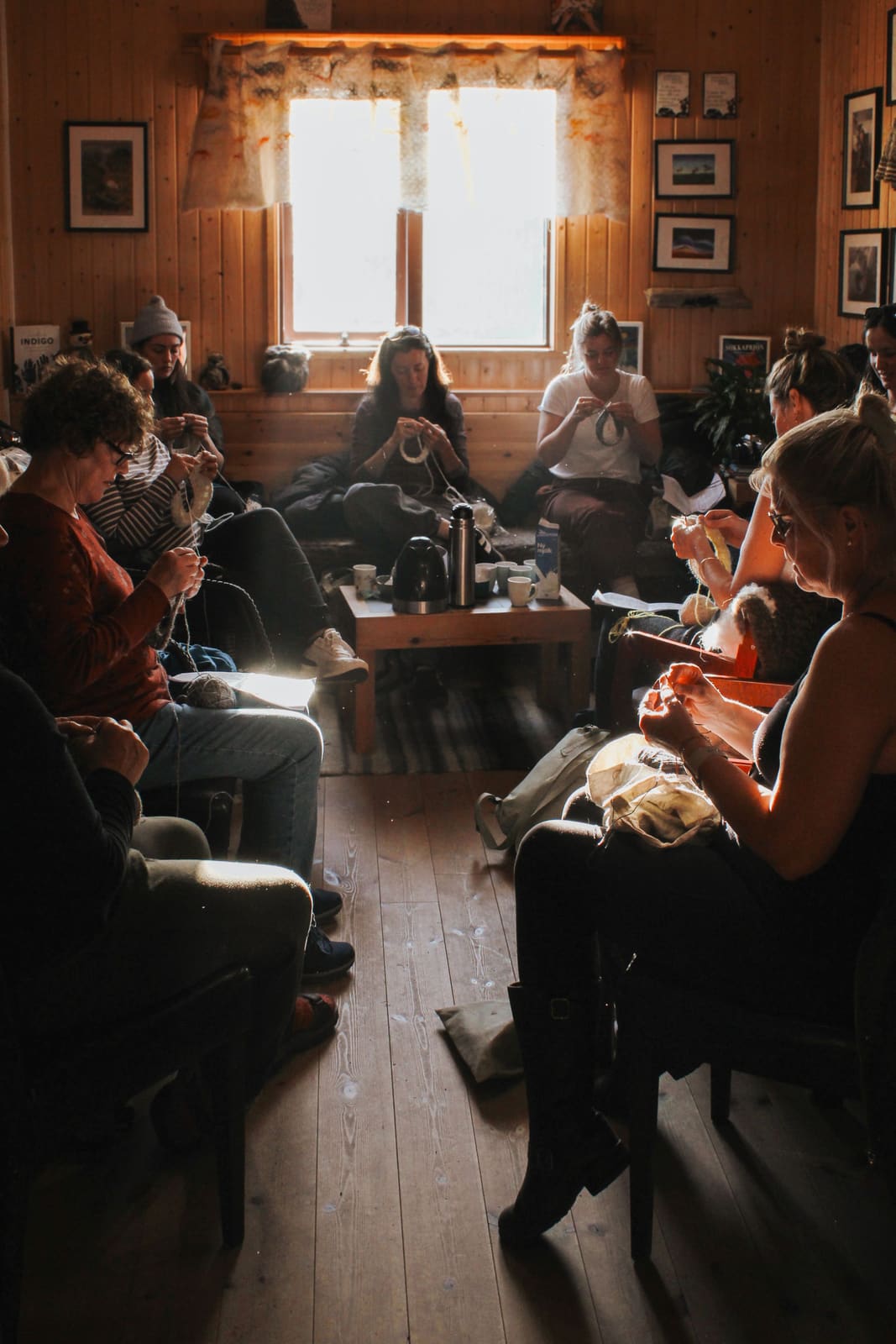
In an era when travel itself has become industrialized - optimized for speed, convenience, and volume - craft retreats offer an alternative rhythm. They ask travelers to sit still, to listen, to try and fail and try again. They privilege process over product, relationship over transaction. And they offer something increasingly rare: the chance to be a student rather than a consumer.
The Economics of Preservation
Craft tourism, when done well, creates a financial incentive for artisans to continue practicing their trades. It brings income directly to makers, bypassing middlemen and export markets that often underpay for handmade goods. It also raises the profile of techniques that might otherwise be dismissed as outdated or economically unviable.
But the model only works if travelers understand their role. They are not patrons bestowing charity, nor are they tourists entitled to spectacle. They are participants in an exchange - one that requires humility, curiosity, and a willingness to engage on the artisan's terms.
The Thread That Runs Through
What links a bark papermaker in Baisha to a grass weaver in Portugal, a dyer in Antigua to a lacquer artist in Kyoto, is not geography or medium. It is the belief that some things are worth doing slowly, that skill and care and memory matter, that the work of hands carries meaning machines cannot replicate.
Craft retreats do not promise transformation or escape. They offer something quieter: the chance to see how culture is made, one stitch, one stroke, one careful gesture at a time. And in a world that often feels untethered from history and place, that connection - hands to material, maker to visitor, past to present - is its own kind of luxury.