Seven Days in the Himalayan Foothills Where Silence Becomes Medicine
An Ayurvedic retreat in northern India trades indulgence for insight, and the exchange proves surprisingly worthwhile.
The Weight of Arrival
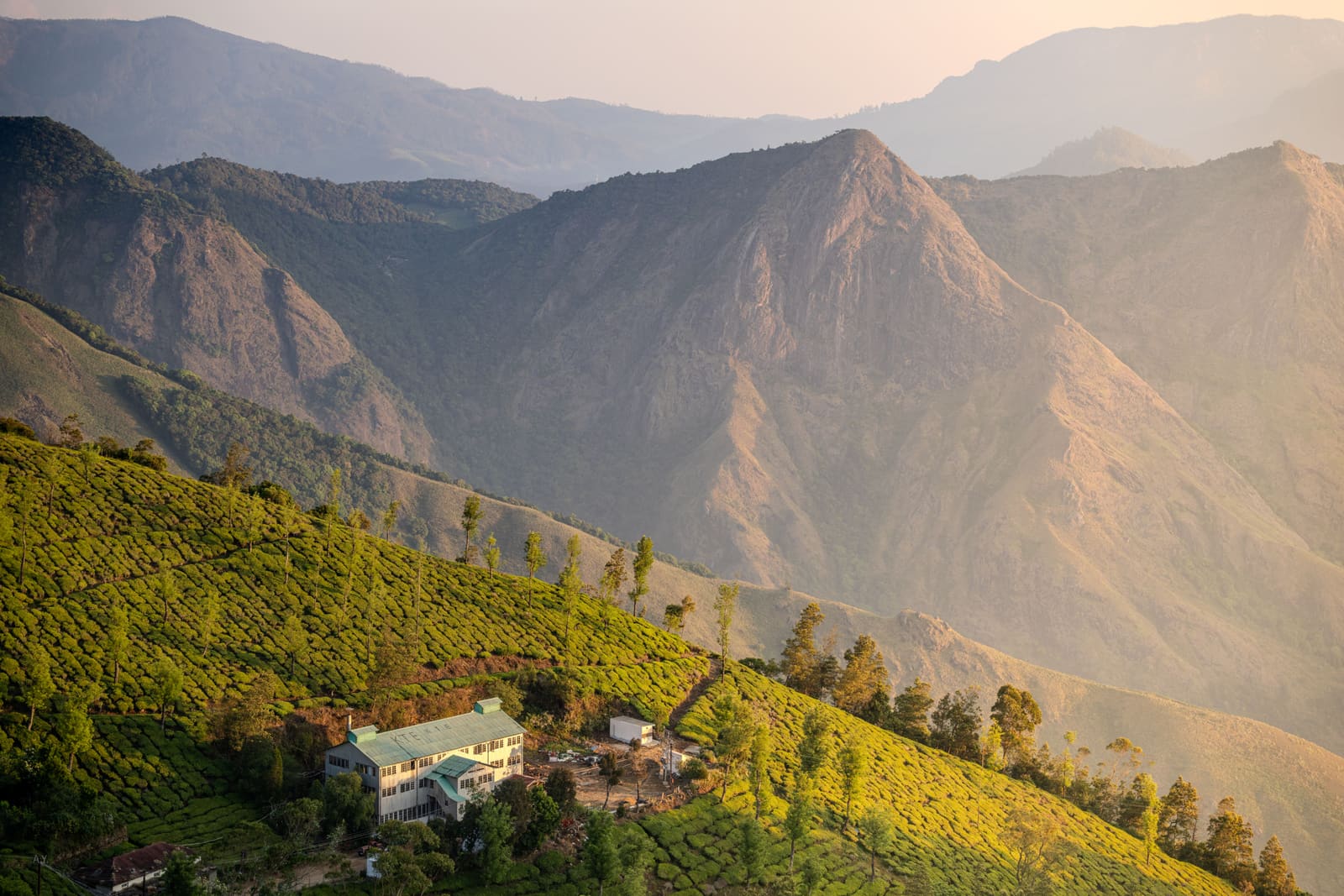
The drive from Rishikesh climbs through sal forests and terraced hillsides, each switchback peeling away another layer of the world below. By the time the gates of Ananda appear, perched on a hundred-acre estate overlooking the Ganges valley, the air has changed. Thinner, yes, but also quieter in a way that has nothing to do with altitude. This is the kind of silence that settles into the body before the mind registers it.
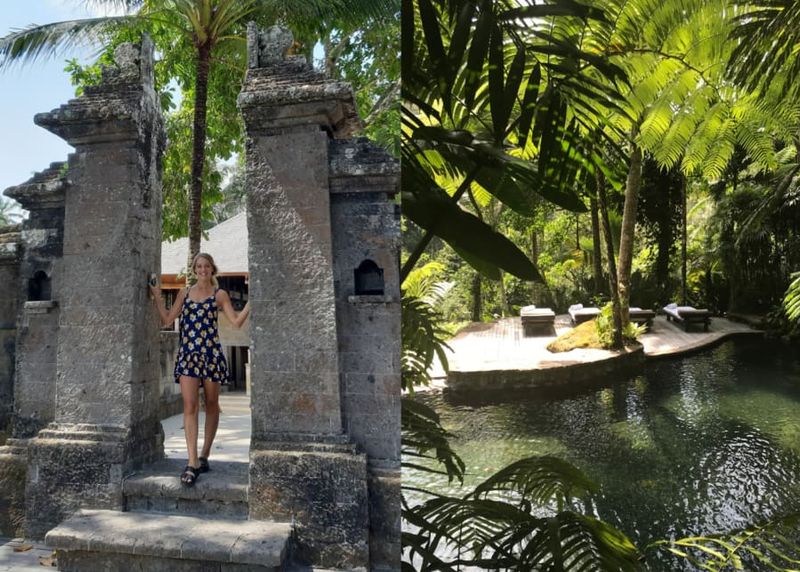
The estate itself occupies the former palace grounds of the Maharaja of Tehri-Garhwal, and the main building retains that aristocratic bearing: high ceilings, wide verandas, rooms that open onto views of forested ridges. Yet the grandeur here is muted, almost ascetic. There are no champagne toasts at check-in, no chocolates on pillows. Instead, a consultation room, a questionnaire about digestion and sleep patterns, and a practitioner who listens with the kind of attention that suggests she has heard this particular story of imbalance many times before.
The Architecture of a Week
Ayurveda does not believe in shortcuts. The programme at Ananda unfolds over seven days, each structured around a principle of restoration that moves through the body in phases. Mornings begin with yoga at dawn, the kind that prioritises breath over flexibility, alignment over achievement. The instructor, trained in both Hatha and Iyengar traditions, adjusts postures with the lightest touch, a reminder that the practice is not about reaching but about inhabiting.
After yoga, treatments. The signature abhyanga massage, performed by two therapists working in synchrony, uses warm sesame oil infused with herbs specific to one's dosha. The strokes are long, rhythmic, hypnotic. There is no pummelling, no deep-tissue drama. Instead, the body is coaxed into letting go, layer by layer. Sound baths follow on certain afternoons, Tibetan singing bowls arranged in a circle, their tones overlapping in frequencies that seem to bypass the ears entirely and resonate somewhere deeper.
The meals, though. The meals require a different kind of surrender. Ayurvedic cuisine at Ananda adheres to principles that prioritise digestion over pleasure, balance over abundance. Portions are modest. Spices are medicinal. There is no caffeine, no alcohol, no sugar that hasn't been sanctioned by ancient texts. A typical lunch might feature a small bowl of kitchari, a side of steamed vegetables, a sliver of roti. The first day, it feels punishing. By the third, the body stops protesting. By the fifth, hunger itself begins to feel different, less like a demand and more like a signal.
What Happens When the Noise Stops
The retreat imposes a kind of sensory austerity that is rare in contemporary travel. No televisions, no late-night socialising, no diversions designed to keep the mind occupied. The library holds books on Vedic philosophy and botanical medicine. The spa menu is devoid of the usual luxury embellishments, hot stone indulgences or champagne-infused scrubs. What remains is time, and the unsettling realisation of how little one knows what to do with it.
Walking the estate becomes a daily ritual. The paths wind through deodars and rhododendrons, past meditation pavilions and small shrines. The views stretch across the valley to the peaks beyond, snow-touched even in late autumn. There is no soundtrack, no guided commentary. Just the crunch of gravel underfoot and the occasional call of a barbet in the canopy above.
It is in this enforced stillness that perspective begins to shift. The anxieties that felt urgent a week ago, the endless mental scrolling through tasks and obligations, start to lose their grip. Not because they have been solved, but because the frame has widened. Ayurveda operates on the assumption that the body and mind are not separate, that physical imbalance manifests as mental noise and vice versa. A week is not long enough to achieve perfect equilibrium, but it is long enough to recognise when equilibrium is absent.
The Practitioners and Their Craft
The team at Ananda includes doctors trained in both Ayurvedic and allopathic medicine, yoga instructors with decades of practice, therapists whose hands seem to carry an inherited knowledge of the body's meridians and pressure points. Consultations are thorough, unhurried. Pulse diagnosis, a cornerstone of Ayurvedic assessment, is performed daily, the practitioner's fingers resting lightly on the wrist, reading the rhythm and quality of circulation as if deciphering a language.
There is no hard sell, no upselling of products or extended packages. The approach is clinical in the best sense, focused on outcomes rather than optics. When a practitioner suggests an additional shirodhara session, warm oil poured in a steady stream onto the forehead, it is because the treatment addresses a specific imbalance, not because it photographs well for social media.
The Departure and What It Leaves Behind
Check-out does not come with a gift bag or a discount code for future stays. Instead, a folder containing dietary recommendations, a yoga sequence tailored to one's constitution, and a reminder that Ayurveda is not a destination but a practice. The drive back down to Rishikesh reverses the journey of arrival, but the descent feels different. The world below has not changed, but the capacity to meet it has.
The retreat does not promise transformation, and perhaps that is its greatest honesty. What it offers instead is recalibration, a week in which the body is reminded of what balance feels like, and the mind is given permission to stop performing. The lessons do not end at the gates. They begin there, in the return to routine, where the real work of sustaining clarity begins. Ananda does not solve the problem of modern life. It simply makes it possible to see the problem more clearly, and in that clarity, to find a foothold for change.