When the Festival Pauses: A Garden Table on Venice's Quieter Shore
Beyond the Lido's frenzy, one island offered an evening of slow food, candlelight, and the rare luxury of conversation without an exit strategy.
The Antidote to Festival Time
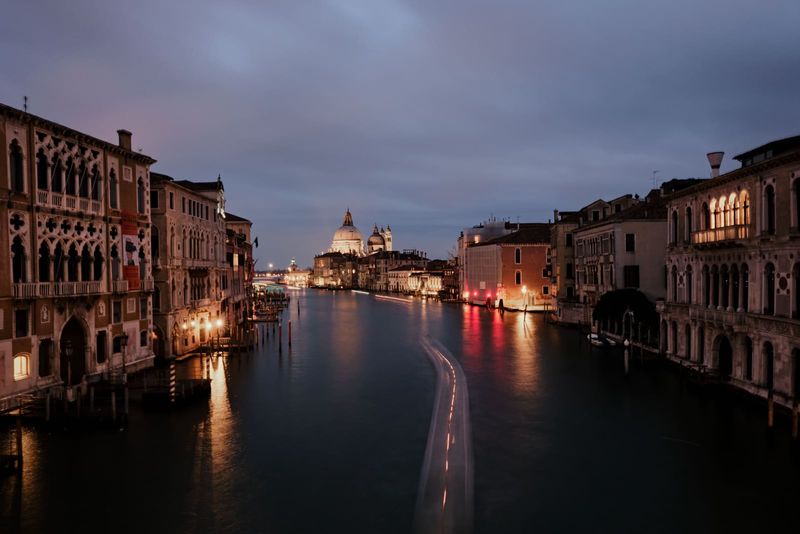
There is a particular rhythm to film festivals, and it is not a forgiving one. Days collapse into a blur of screening rooms and interview suites, of hastily consumed panini eaten while walking, of the perpetual low-grade anxiety that you are missing something crucial happening three bridges away. Venice, for all its beauty, compounds the problem: the canals glitter, the palazzos glow in late-afternoon light, and you are indoors watching a three-hour arthouse meditation on grief. Or you are outside, yes, but so is everyone else, and the streets near San Marco become rivers of humanity moving in uncertain directions.
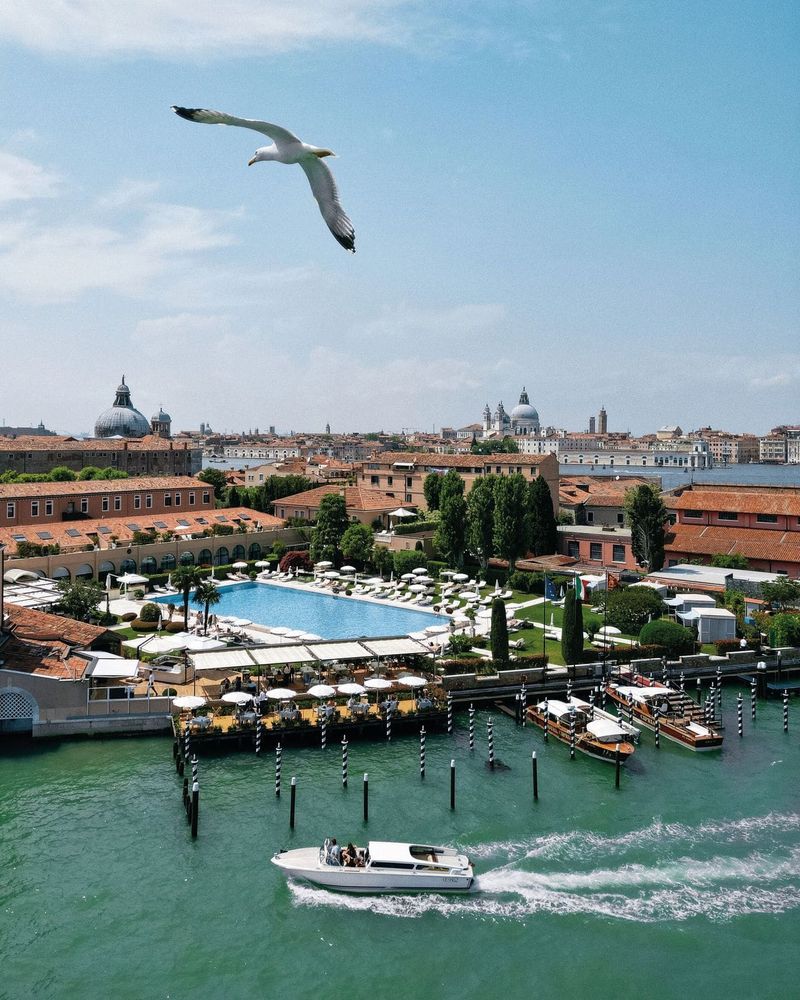
So when the opportunity arose to step away - not metaphorically, but literally, by boat - to the Isola delle Rose, it felt less like an indulgence than a necessary recalibration. The island sits a twenty-minute water taxi ride from the festival's epicentre, far enough that the noise recedes, close enough that Venice remains visible across the lagoon, its domes and campaniles softened by distance into something closer to memory than geography.
An Island That Remembers Stillness
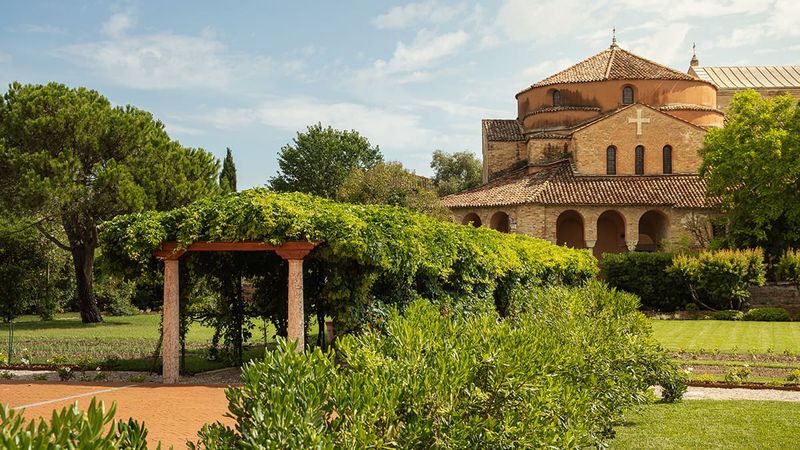
The JW Marriott Venice Resort & Spa occupies this sliver of land with a light touch. Olive groves, not crowds. Modernist sculptures punctuating the green. The kind of hush that feels deliberate, engineered not through silence but through the absence of urgency. Arriving the day before the dinner, the contrast was immediate: no jostling for vaporetto space, no calculating which route might shave three minutes off a journey. Just the crunch of gravel underfoot and the low hum of cicadas.
The accommodation - a secluded outbuilding a short walk from the main hotel - offered the sort of sanctuary that festival-goers dream about but rarely experience. Soft earth tones, warm lighting, a private terrace facing those gnarled olive trees that seem to grow only in this particular quality of Mediterranean light. The service was attentive but unobtrusive, the kind that anticipates needs without hovering. It is a balance difficult to strike, and rarer still to sustain.
Setting a Table, Building a World
The dinner itself was the centrepiece, part of a white-glove offering available at select JW Marriott properties globally. The process began weeks earlier, with the events team presenting menu options and tablescape concepts. The choice was between the polished and the pastoral - both elegant, but one leaning toward formality, the other toward warmth. The decision fell to sage green linens, rustic flatware, and an abundance of flowers, a aesthetic that felt appropriate for the crowd: critics and publicists, people who spend their days parsing tone and intention, who would notice if a detail felt forced.
The menu, too, required consideration. Both proposed options centred on local ingredients - seafood from the lagoon, produce from the island's own gardens - but one leaned more heavily into vegetables and herbs. That was the choice, in part because the setting demanded it: why fly in guests to sit beside a working garden and serve them something generic?
The Evening Unfolds
Just before sunset, water taxis began arriving, each one disgorging a small cluster of journalists and strategists, people who had spent the previous days in competition and now, for a few hours, could set that aside. The lawn stretched toward the water, and two guitarists played quietly while servers circulated with cocktails and hors d'oeuvres. The conversation began as it always does at festivals - comparing notes on films, debating performances - but soon drifted elsewhere. There is only so much shop talk a person can sustain before the human need for connection reasserts itself.
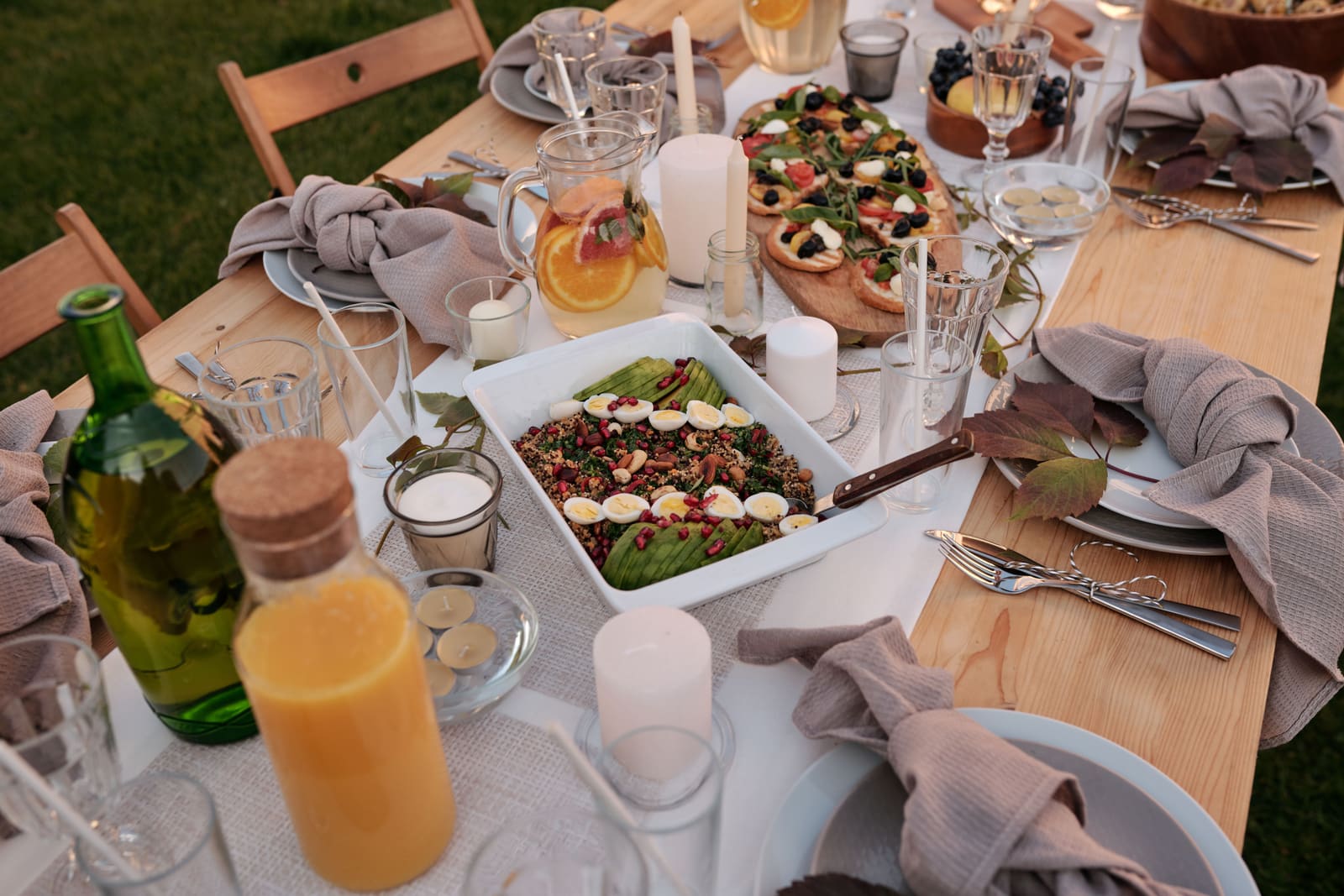
The table, when revealed, earned the kind of delighted murmur that event planners live for. Flowers in abundance, yes, but also the whimsical detail of name cards tucked into vegetables from the nearby garden - a royal purple eggplant here, a Ronde de Nice squash there. At each place setting, what appeared to be a candle turned out to be herb-infused butter, lit theatrically by the wait staff when the bread arrived. It was a small piece of theatre, the kind that signals care without tipping into excess.
What Slowness Tastes Like
The meal itself moved at a pace foreign to festival schedules. Starters of farm eggs with chanterelle mushrooms and aged Montasio, grilled baby cuttlefish in a delicate tomato sauce, charred courgette rolled into rosettes with smoked ricotta and almonds. Each course arrived without rush, and conversations deepened accordingly. Stories of past festivals, of encounters with actors both gracious and difficult, of films that might contend for awards and others that would vanish by autumn. But mostly, the talk turned personal - the kind of exchange that happens when people who see each other only at festivals, scattered across continents, are given time to actually sit still.
The risotto, fragrant with garden herbs and lemon and studded with rose shrimp, arrived as the sky shifted from blue to indigo. Someone recounted a disastrous press conference in Cannes; someone else told a story about an actor who had once sent handwritten thank-you notes to every critic who reviewed his film. The wine flowed. The candles - actual candles now, not butter - flickered. For a few hours, deadlines receded.
The Long Goodbye
Dessert was a study in restraint: figs, honey, vanilla. Light enough that no one felt weighed down, sweet enough to signal closure. As the meal wound down, guests were presented with parting gifts - wildflower honey from nearby Vignole Island, olive oil pressed locally. Some departed then, making their way back to waiting water taxis, others walked across the island to a premiere party that was just beginning. The festival, which had felt so distant for the past few hours, reasserted itself gently. A spritz, a few more conversations, the inevitable pull back toward obligation.
But the evening had done its work. In a season defined by haste and FOMO, by the perpetual sense that the important thing is always happening elsewhere, it had offered the opposite: presence, slowness, the luxury of a meal that unfolds at its own pace. Venice, viewed from the Isola delle Rose, looked softer, more forgiving. The festival would resume in the morning, of course - screenings and interviews and the endless calculus of logistics. But for one night, there had been a table, and friends, and the kind of food that tastes like place. That, in the end, is its own kind of privilege.