The Quiet Endurance of Hotel Cipriani
Seven decades after Giuseppe Cipriani imagined a refuge across the water from San Marco, his namesake hotel on Giudecca remains Venice's most persuasive argument for staying put.
An Island Apart
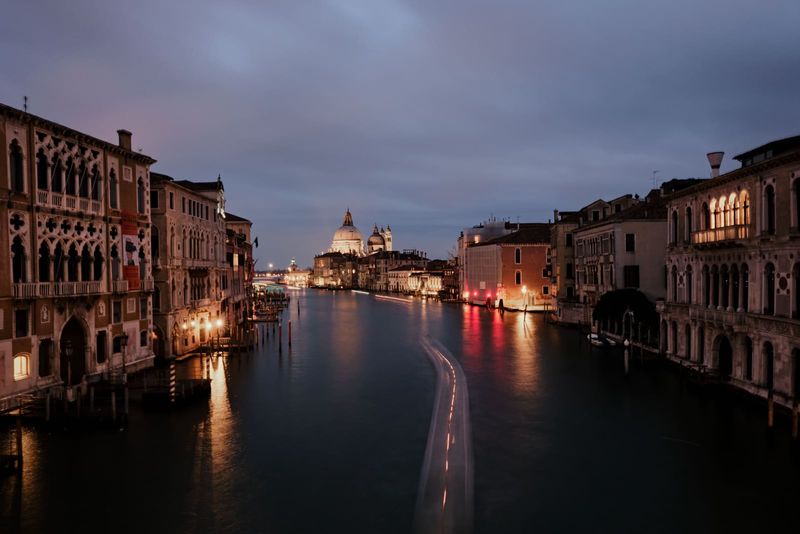
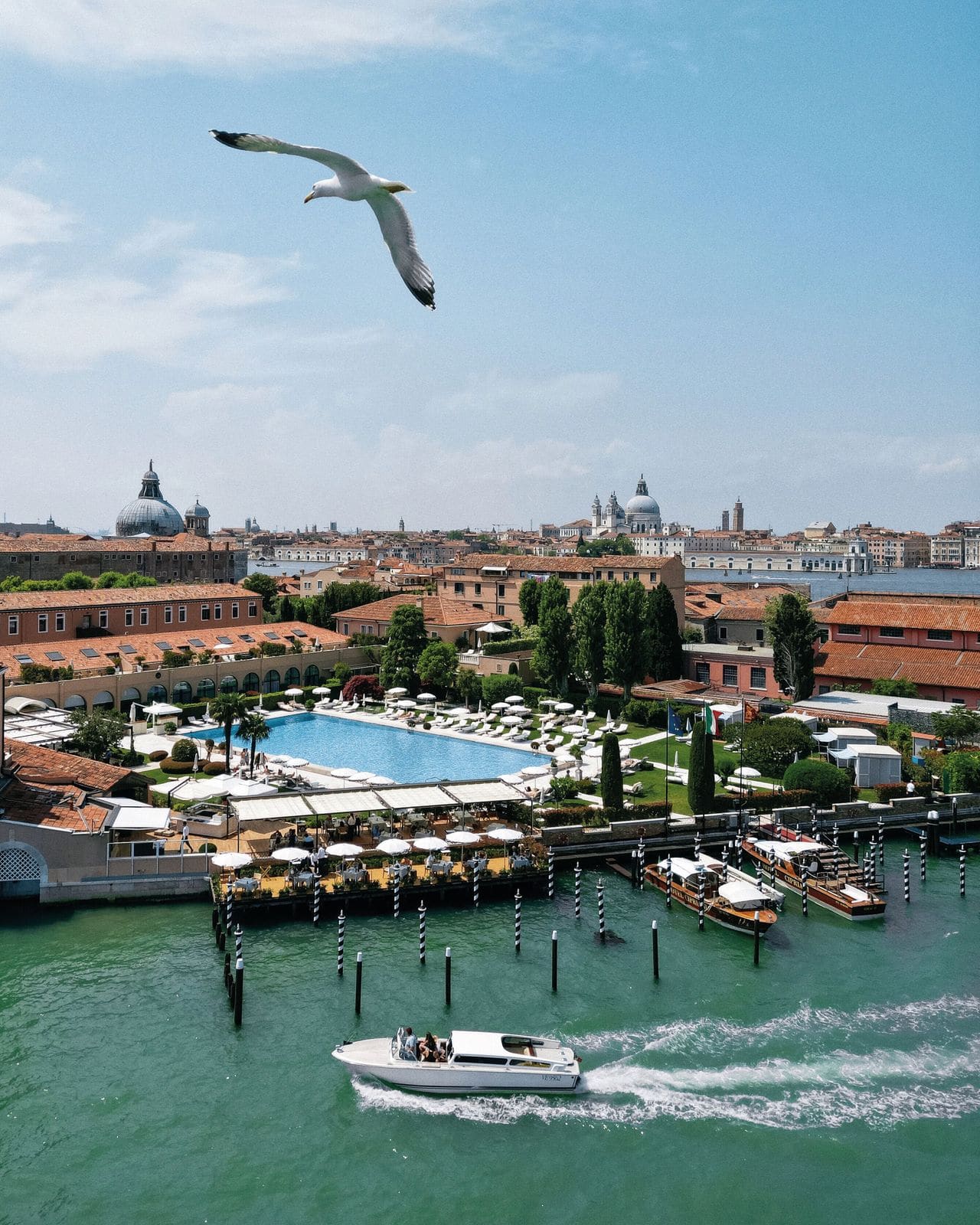
There is a particular quality to evening on Giudecca that feels almost anachronistic. Birdsong threads through the air. Water nudges the promenade. Diners murmur at outdoor tables under strings of light. The frenzy of Piazza San Marco, visible across a narrow stretch of lagoon, might as well be another country.
This was Giuseppe Cipriani's wager in 1956, when he opened his hotel on this long, quiet island: that proximity need not mean immersion. That a traveler might want Venice on her own terms, the architecture and the light and the particular slant of history, without queuing for it. At Global Chic Voyage, we have watched countless properties try to manufacture seclusion through marketing alone. Hotel Cipriani, A Belmond Hotel, earned it by accident of geography and then spent seventy years protecting it.
The hotel opened at the threshold of the jet-set era, and its guest book quickly filled with the sort of names that define a place's mythology. Paul McCartney signing guitars for the butlers. Princess Diana arriving and reportedly announcing herself home. These are the stories that accumulate in a property with longevity, the kind that cannot be designed in, only lived into.
The Lagoon as Palette
Peter Marino, the architect whose work has shaped the visual language of contemporary luxury retail, is midway through a phased renovation that he describes not as reinvention but as layering. Marino chairs the Venetian Heritage Foundation, and his approach reflects an insider's understanding of the city's craft lineage: Murano glass, museum-grade art, antique furniture sourced with curatorial rigor.
But he is weaving in two other threads. One is the dolce vita glamour of the 1950s and 1960s, the era that birthed the hotel. The other is the pulse of the Venice Biennale, that biennial reminder that the city is not a relic but a living site of cultural production.
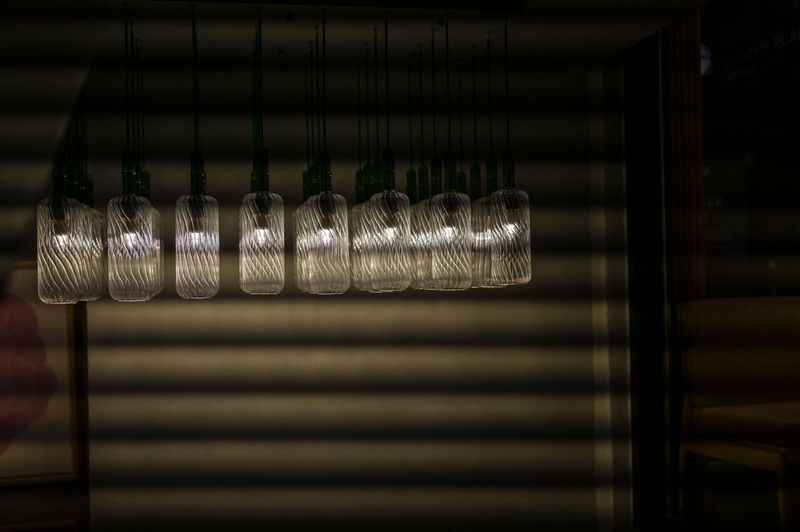
The results are most visible in the lobby, a double-height space that flows seamlessly into the fountain garden and pool, and in thirteen redesigned suites. The Serenissima and Laguna Suites are perhaps the clearest expression of Marino's vision: traditional terrazzo underfoot, hand-blown chandeliers overhead, 17th-century cabinets set in conversation with contemporary sculpture. The palette borrows directly from the lagoon itself: cream, pale green, warm bronze, silvery grey, soft blue. It is a language of shimmer and restraint.
Rooms That Remember
Accommodations span a wide range, from compact 21-square-meter double rooms to sprawling suites exceeding 100 square meters. The Palladio Suite offers 180-degree lagoon views. The Dogaressa Suite looks directly across the water to Piazza San Marco, a vista that somehow never loses its capacity to surprise.
But the suites to seek out are those touched by Marino's hand. In these spaces, heritage and modernity do not jostle for dominance; they coexist in a kind of easy truce. A 17th-century cabinet does not need to shout. Neither does a piece of contemporary sculpture. The light does most of the work here, filtering through windows that frame the water as though it were a living painting.
The hotel has expanded over the decades to incorporate the neighboring 15th-century Palazzo Vendramin, a reminder that even institutions must grow or calcify. Belmond, under the LVMH umbrella since 2018, has chosen growth, but of a particular kind: one that honors the bones of the place rather than gutting them for novelty's sake.
Tables Over Water
Oro, the hotel's Michelin-starred restaurant, has been reimagined by Marino as a meditation on gold. Gilded plates, table decorations that catch and throw the light. Chef Vania Ghedini works with local ingredients, shellfish and seaweed and 36-month-aged Parmigiano Reggiano, inflecting them with the Maghrebi flavors of her heritage: cardamom, verbena, sesame. It is cooking that respects tradition without being shackled to it.
At Cip's Club, suspended over the water, dinner at sunset becomes something close to theater. The light turns everything molten, and Chef Roberto Gatto's menu leans into the hyper-local and unfussy: a fresh catch from the Rialto market, Veneto pasta made the way it has been made for generations. There is no need for pyrotechnics when the setting does half the work.
Il Porticciolo serves as the beach bar, but the ritual stop is the Seagull Bar, where Bellinis are made to Giuseppe Cipriani's original recipe. The drink, invented at his Harry's Bar and inspired by the rosy hue of a Venetian sunset, tastes different here, sipped alongside carpaccio and watched over by the city across the water.
Breakfast deserves its own mention: Marostica cherries, honey from the island of Sant'Erasmo, Pan del Doge, all consumed while gondolas and vaporetti trace their morning routes across the lagoon. It is a meal that feels both indulgent and inevitable, the kind of start to a day that makes hurrying seem vulgar.
Gardens and Miscalculations
The Dior Spa, opened this spring and designed by Marino, occupies two floors with five treatment rooms and a boutique. But the hotel's real luxury lies in its outdoor spaces. The Casanova Gardens, named for the Venetian libertine who allegedly courted lovers among these paths, are planted with rose-covered arches, Annabelle hydrangeas, and pomegranate trees. A rabbit, three ducks, and a small flock of chickens are said to reside here, according to the hotel, lending the place an air of country estate rather than city palazzo.
Then there is the pool, the only Olympic-sized, seawater-heated pool in central Venice. Its existence is owed to a feet-to-meters miscalculation during construction, a happy accident that has become one of the property's signature amenities. It is the sort of detail that cannot be planned, only stumbled into and then embraced.
The Measure of Endurance
At Global Chic Voyage, we return again and again to the question of what makes a hotel not just successful but essential. Part of it is location, certainly. Part of it is design, the way a space can hold both history and the present moment without collapsing under the weight of either. But much of it comes down to something harder to quantify: the feeling that a place knows what it is and has no interest in being anything else.
Hotel Cipriani has spent seventy years refining a single idea: that Venice is most enjoyable when experienced at a remove, with breathing room and gardens and a boat ride between you and the throngs. Marino's renovation does not chase trends or attempt to erase the property's past. Instead, it deepens what was always there, layering in contemporary art and Maghrebi spices and Dior treatments without losing the thread of what Giuseppe Cipriani imagined in 1956.
The result is a hotel that feels both of its time and outside of it, a place where the golden age of travel is not a museum exhibit but a living tradition, adapted and carried forward. On Giudecca, as the light fades and the water darkens and the sounds of the city soften to a murmur, that tradition feels less like nostalgia and more like wisdom.