Venice's Belmond Hotel Brings Dior Prestige Skincare to the Lagoon
The French maison's inaugural spa marries centuries-old beauty rituals with cryogenic technology in a city built on reflection.
A New Mirror for La Serenissima
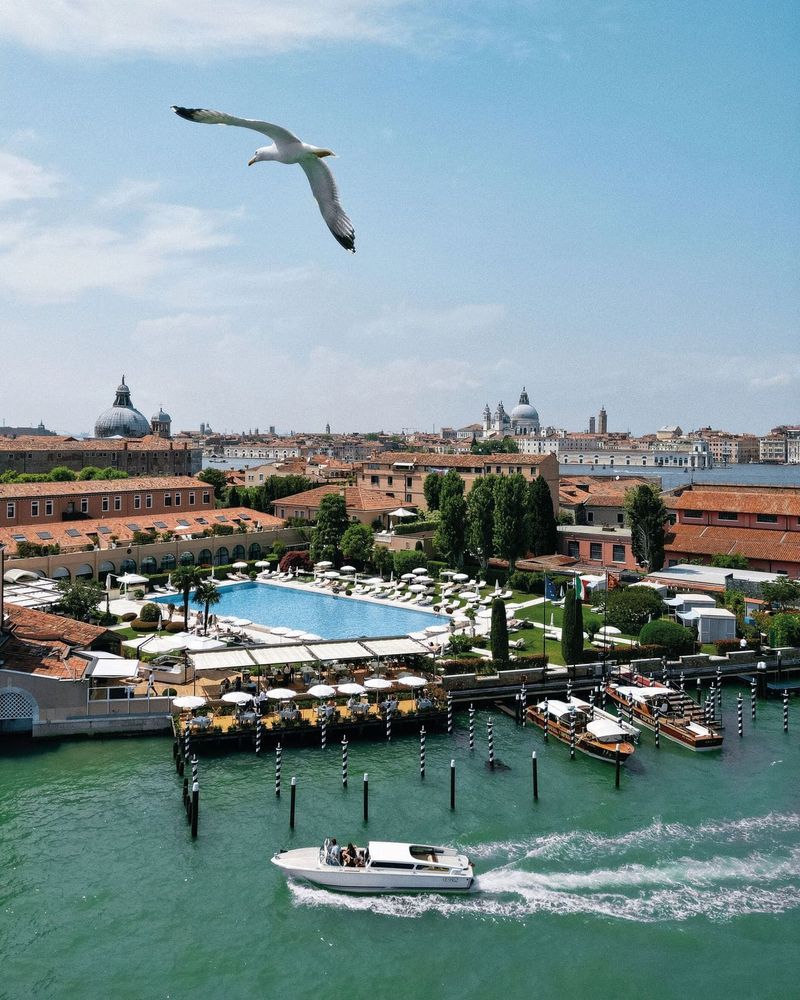
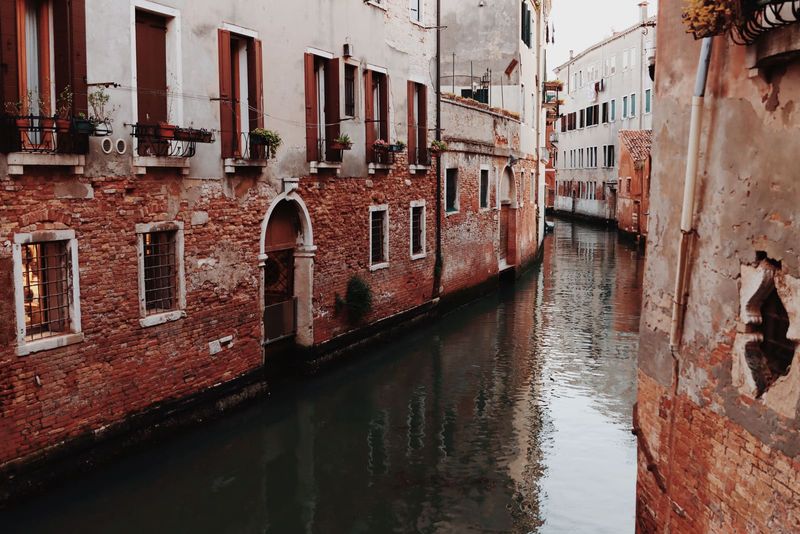
Venice has always understood the power of surfaces. The city floats on its own reflection, palazzos doubled in canal water, light bouncing between stone and lagoon until it becomes impossible to say where architecture ends and illusion begins. It is a place built for transformation, for the slippage between what is and what appears to be. So perhaps it makes sense that Dior has chosen this particular stretch of the Venetian Lagoon to open its first spa, a space dedicated to the art of regeneration and the careful management of how one is seen.
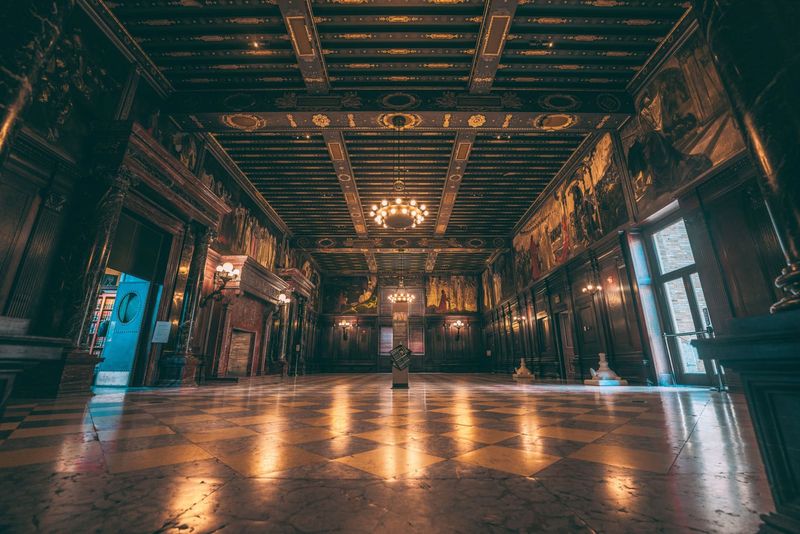
The spa sits within a Belmond property, which means the setting arrives with its own expectations. Mirrored walls in the Michelin-starred Oro restaurant multiply the arched windows and their views across the water. The Serenissima and Laguna suites are scaled like the grand apartments of another century, rooms that refuse to apologise for their proportions. This is not a hotel that whispers. It announces. And within it, the Dior Prestige spa operates on a similar principle: beauty as performance, skincare as event.
The Mascarade Facial and the Language of Luxury
The signature treatment here is called the Mascarade, a name that gestures toward Venetian carnival tradition while describing something altogether more clinical. It begins with sleep, or something close to it. The facialist works while the client drifts, a state that feels less like relaxation and more like a brief exit from the world. When consciousness returns, it is to a technical jaw massage designed to address the evidence of nocturnal teeth-grinding, a detail that speaks to the treatment's diagnostic ambitions. This is not simply pampering. It is correction, adjustment, the body as a site of ongoing refinement.
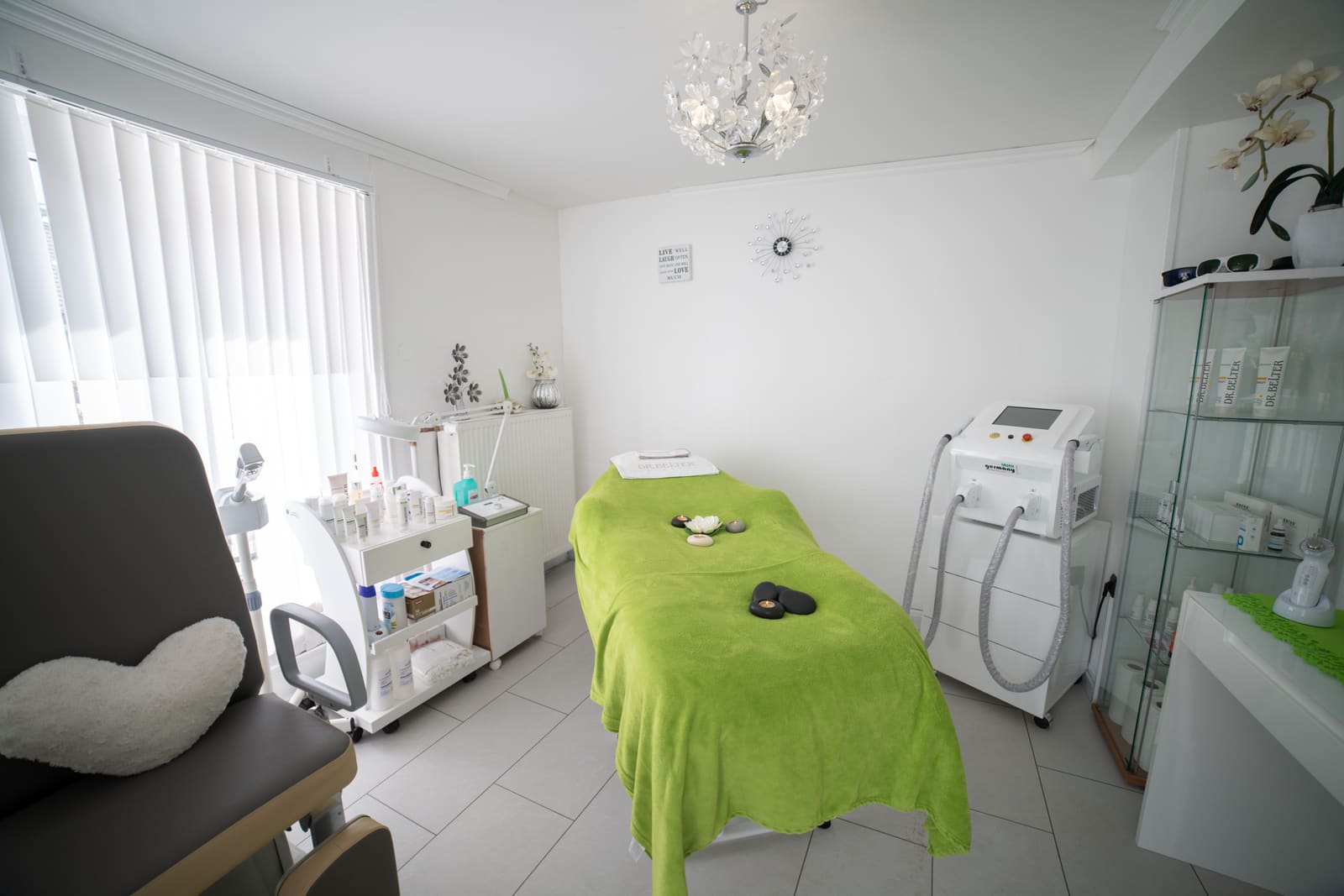
Cryogenic stones follow, placed over a cooling mask. The language used to describe their function is precise: firm, drain, reoxygenate. These are not metaphors. The skin is treated as a system, one that can be optimised, its circulation improved, its appearance sharpened. The result, according to those who emerge from the treatment, is a kind of clarity. Fellow spa-goers respond with audible surprise. The face becomes a conversation starter, evidence of something that has been done and done well.
The treatment is versatile. It works as a morning-after remedy, the kind of intervention that erases the previous night's excesses and restores the face to a state of plausible innocence. But it also functions as preparation, a way to arrive at an evening event already luminous, requiring nothing more than mascara. This dual purpose reflects a broader shift in how luxury skincare positions itself: not as indulgence but as infrastructure, the invisible labour that makes effortlessness possible.
The Organic Secret and the French Paradox
What the spa does not advertise loudly is the composition of its products. The Dior Prestige line relies on ingredients that are mainly organic, a fact that emerges almost incidentally. Clients leave with bags of the products, small luxuries to extend the treatment's effects beyond the spa's walls. It is only then, reading labels at home, that the natural sourcing becomes clear.
This reticence is deliberate. Dior operates within a cultural context shaped by French luxury's ambivalence toward the organic movement. Historic vineyards in France have long downplayed their organic certifications, wary of associations with natural wine and its sometimes polarising reputation among traditionalists. The concern is that emphasising organic practices might alienate clients who equate naturalness with amateurism, who prefer their luxury to feel engineered rather than grown. Dior appears to have absorbed this lesson. The brand's authority rests on science, on the perception of precision and control. To foreground the organic origins of its ingredients might undermine that carefully constructed image.
Yet the ingredients themselves tell a different story. They suggest that regenerative beauty therapy, the spa's stated focus, is not only about high-tech tools and clinical protocols. It is also about sourcing, about the quality of what is applied to the skin and the agricultural practices that produce it. This quiet commitment to organic ingredients positions the spa within a larger conversation about sustainability in luxury, one that is still finding its vocabulary. The tension between what is done and what is said reflects an industry still negotiating how to speak about environmental responsibility without diluting its mystique.
Venice as Context, Not Just Setting
The location matters in ways that extend beyond aesthetics. Venice is a city where preservation is not optional. Every building, every bridge, every stretch of pavement exists in a state of managed decay, held together by constant intervention. The city's relationship to water is both its identity and its existential threat. To open a spa here, one dedicated to regeneration and the reversal of visible damage, is to enter into a dialogue with the place itself.
The Venetian Lagoon has been a site of luxury tourism for centuries, but it has also become a case study in the limits of that model. Overtourism has strained the city's infrastructure, raised questions about who Venice is for and what it means to preserve a place while allowing it to be consumed. A spa that emphasises organic ingredients and regenerative practices gestures, however faintly, toward a different logic. It suggests that luxury might involve not just extraction and display but also care, the slow work of maintaining what already exists.
This is not to overstate the spa's environmental credentials. It remains a high-end amenity within a high-end hotel, accessible to a narrow slice of travellers. But the choice to use organic products, even quietly, indicates an awareness that luxury's future may require a different relationship to resources. In a city where every stone is a reminder of fragility, that awareness feels less like marketing and more like acknowledgment.
The Architecture of Transformation
The spa is designed to accommodate guests with reduced mobility, with an ADA-compliant treatment room available. This is noted without fanfare, a practical detail that nevertheless speaks to a broader question: who gets to participate in the rituals of luxury skincare, and under what conditions? Accessibility in high-end wellness spaces remains inconsistent, often treated as an afterthought rather than a foundational consideration. That the Dior spa includes it as part of its infrastructure suggests a recognition that transformation should not be conditional on physical ability.
Families are also welcome, a rarity in spa environments that often position themselves as adult sanctuaries. The inclusion of younger guests shifts the atmosphere, makes the space less about escape and more about shared experience. It also reflects a changing understanding of luxury travel, one where the presence of children is not automatically seen as incompatible with refinement.
The hotel's other amenities reinforce this sense of the spa as part of a larger ecosystem. Cip's Club sits canalside, a place to linger before or after a treatment. Oro, with its mirrored walls and sweeping lagoon views, offers a setting as carefully composed as the facials performed downstairs. The rooms themselves, particularly the Serenissima and Laguna suites, are proportioned to make guests feel as though they are inhabiting not a hotel but a private residence, one with views that justify the city's reputation for beauty.
The Morning After and the Evening Before
The Mascarade facial's appeal lies in its timing. It is a treatment designed for thresholds, for the moments when appearance matters most. The morning-after application addresses the visible consequences of indulgence: puffiness, dullness, the face as evidence of what was consumed the night before. The cryogenic stones and cooling mask work to reverse that narrative, to restore the face to a state that suggests discipline rather than excess.
But the treatment also functions as preparation, a way to arrive at an event already polished. This is where the theatrical dimension becomes most apparent. To leave the spa with nothing but mascara, relying on the treatment's effects to carry the evening, is to perform a particular kind of confidence. It is beauty as understatement, the face as proof that no effort was required.
This duality reflects a broader shift in how luxury skincare markets itself. The old language of pampering and indulgence has given way to something more instrumental. Treatments are now framed as solutions, as ways to achieve specific outcomes. The Mascarade facial does not promise relaxation. It promises results: firmer skin, improved circulation, a face that elicits audible reactions from strangers. This is beauty as data, as measurable improvement.
Regenerative Beauty and Its Discontents
The spa describes its approach as regenerative beauty therapy, a term that borrows from agriculture and ecology. In those contexts, regenerative practices aim to restore ecosystems, to reverse damage and build resilience. Applied to skincare, the term suggests a similar ambition: not just to maintain the skin but to actively improve it, to counteract the effects of time and environment.
This framing raises questions about what regeneration means in the context of luxury. Is it about reversing visible ageing, about returning the face to an earlier state? Or is it about building the skin's capacity to repair itself, to function more effectively over time? The distinction matters. The first is cosmetic, concerned with appearance. The second is structural, concerned with health. The Mascarade facial appears to aim for both, using cryogenic technology to achieve immediate visible effects while relying on organic ingredients to support longer-term skin function.
The tension between these two goals is not unique to Dior. It runs through the entire luxury skincare industry, which must balance the demand for instant results with the slower, less dramatic work of actual skin health. High-tech tools deliver the former. Organic ingredients, used consistently, contribute to the latter. The spa's decision to combine both approaches reflects an attempt to satisfy clients who want transformation now and clients who are thinking in terms of years.
The Gift Bag and the Ritual's Extension
Clients leave the spa with bags of Dior Prestige products, a gesture that extends the treatment beyond the appointment itself. This is standard practice in luxury spas, but it also serves a strategic function. The products become a way to maintain the treatment's effects, to continue the work of regeneration at home. They also function as a reminder, a physical object that keeps the spa experience present in the client's daily routine.
The surprise, for many clients, is the organic composition of the products. This discovery happens privately, in the act of reading labels and researching ingredients. It is not part of the spa's public narrative, not emphasised in marketing materials or treatment descriptions. The restraint is telling. Dior appears to trust that clients who care about organic sourcing will find that information on their own, while clients who do not care will not be distracted by it. This allows the brand to appeal to both audiences without alienating either.
The products themselves are designed to integrate into existing routines, to become part of the daily work of maintaining the face. This is where the spa's influence extends furthest, not in the two hours spent on the treatment table but in the months of use that follow. The bag of products is an invitation to continue the relationship, to bring the spa's logic into the home.
A City Built on Appearances
Venice has always been a place where surfaces matter, where what is seen is as important as what is. The city's economy depends on its appearance, on the maintenance of a particular image that draws millions of visitors each year. The Dior spa fits seamlessly into this context. It is a place dedicated to the careful management of how one looks, to the work of ensuring that the face reflects the desired narrative.
But the spa also gestures toward something beyond appearance. The use of organic ingredients, the emphasis on regeneration rather than mere maintenance, the accessibility features that allow a wider range of guests to participate in these rituals all suggest a recognition that luxury might need to mean something different than it once did. In a city where preservation is a constant struggle, where the tension between tourism and sustainability grows more acute each year, a spa that quietly prioritises organic sourcing and regenerative practices feels less like a contradiction and more like a tentative step toward a different model.
The Mascarade facial remains a theatrical experience, one designed to produce visible, immediate results. But the ingredients that make those results possible tell a quieter story, one about sourcing and care and the slow work of building something that lasts. In Venice, a city that has spent centuries negotiating the relationship between beauty and fragility, that combination feels almost inevitable.