Beyond the Overwater Villa: Rethinking the Maldives
The archipelago rewards those who venture past the postcard and into its quieter rhythms.
The Archipelago's Other Face
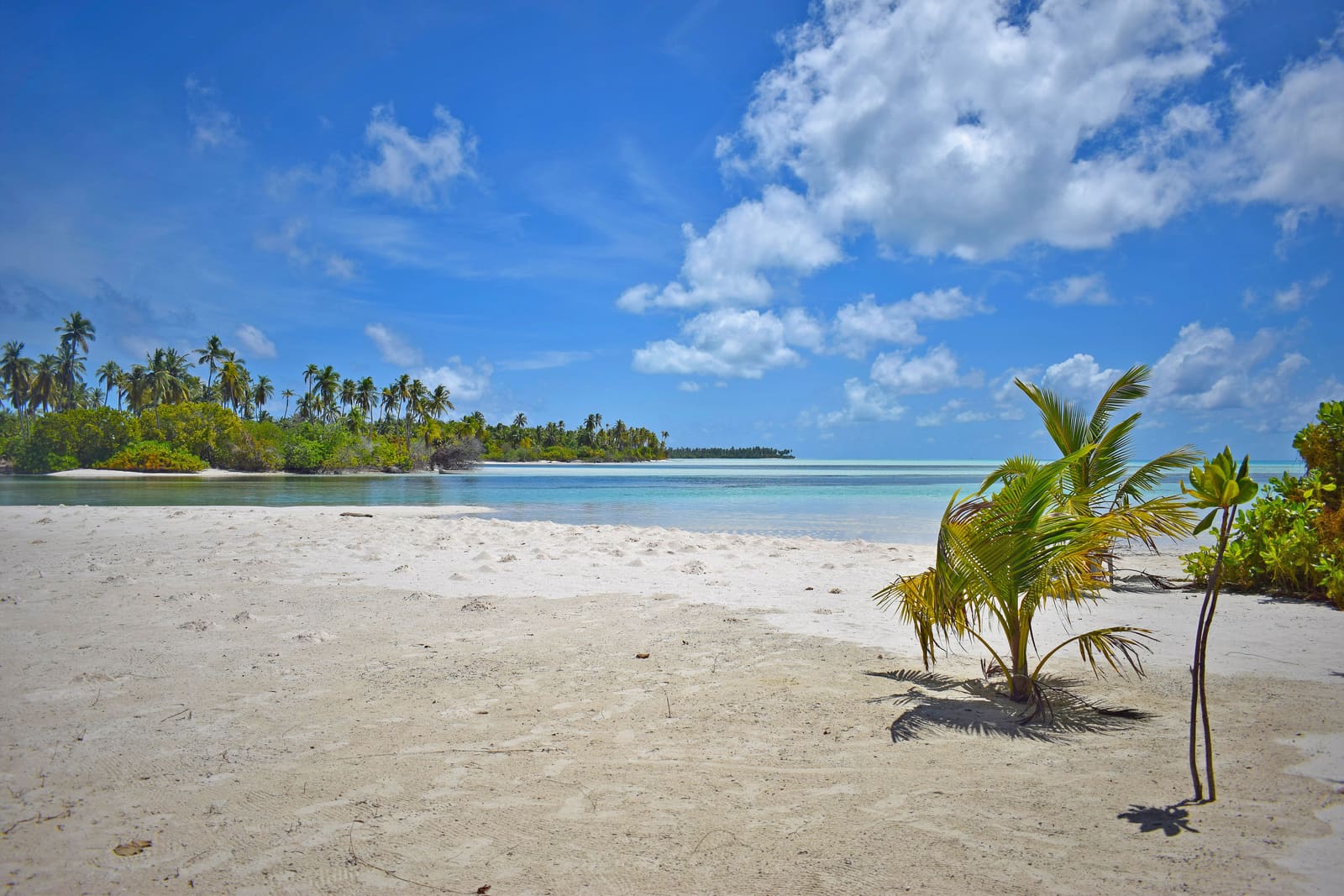
The light in the Maldives changes throughout the day in ways that no photograph quite captures. Dawn arrives pale and cool over the Indian Ocean, the water a sheet of hammered silver. By mid-morning the lagoons have turned to shades of turquoise and cobalt that seem digitally enhanced but are, improbably, real. And then at dusk the sky bruises into violet and rose, and the horizon becomes a line you could draw with a ruler.
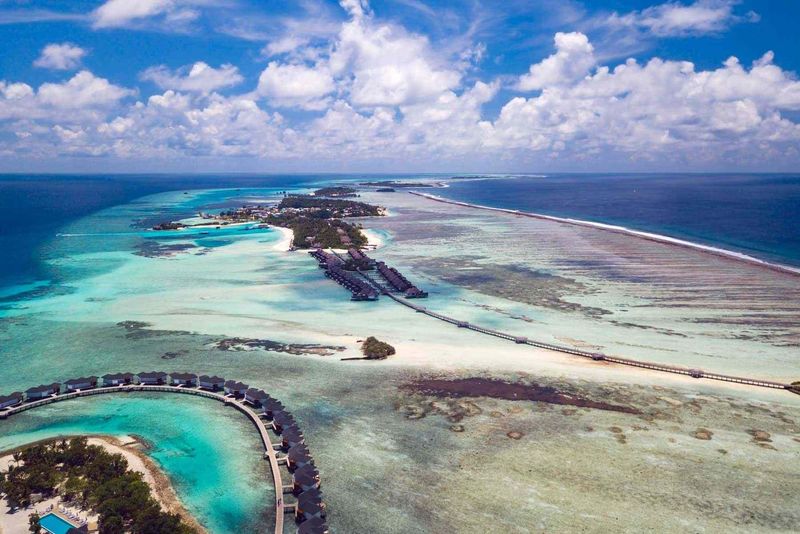
Most visitors see this light from the same vantage point: the deck of a resort villa, drink in hand, sand raked smooth each morning by staff who arrive before guests wake. It is a particular kind of travel, one built on seclusion and service, and there is nothing wrong with it. But it is not the only way to experience the Maldives, nor necessarily the most rewarding.
The challenge with the archipelago is that its tourism infrastructure has evolved to present a single narrative. You fly into Malé, transfer by seaplane or speedboat to a private island, and remain there for the duration of your stay. The resort becomes both destination and boundary. Meals are included, activities are organised, and the rhythm of days is determined by someone else's itinerary. It is comfortable. It is also, in many ways, a simulation.
What the Resorts Leave Out
The Maldives is not one island but 1,190 of them, scattered across 26 atolls in a chain that stretches more than 800 kilometres from north to south. Fewer than 200 of these islands are inhabited. Of those, roughly 150 host resorts. The remainder are fishing communities, local islands where Maldivian life continues much as it has for generations, shaped by monsoons and tides and the rhythms of the sea.
These local islands have, in recent years, begun to open guesthouses and small hotels. The infrastructure is modest. The beaches are public. Alcohol is not served. But the experience is fundamentally different. You eat at cafés where the menu is written in Dhivehi and the fish was caught that morning. You walk streets where children play football and women hang laundry and the call to prayer marks the hours. You are no longer insulated from the place; you are, however briefly, part of it.
This is not an argument for abandoning the resorts entirely. They serve a purpose, and for many travellers they are precisely what the Maldives should be. But to spend a week on a single island, no matter how beautiful, is to mistake a fragment for the whole.
The Practicalities of Island-Hopping
Moving between islands in the Maldives requires planning. Public ferries run between Malé and many local islands, but schedules are irregular and journeys can take several hours. Speedboats are faster but expensive. Seaplanes operate only during daylight and are largely the domain of resort transfers. There is no single transport network; each crossing must be researched and booked separately.
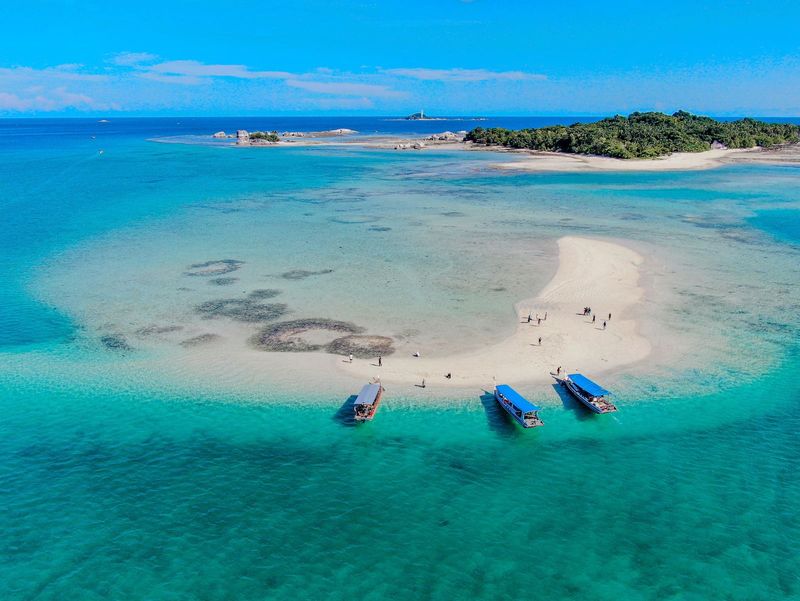
The effort, however, yields access to a version of the Maldives that exists outside the glossy marketing. On Maafushi, one of the more developed local islands, you can arrange diving trips, snorkelling excursions, and sandbank picnics at a fraction of resort prices. On Fulidhoo, a smaller island in Vaavu Atoll, the pace slows further. There are a handful of guesthouses, a harbour where dhonis bob at anchor, and little else. The absence of distraction becomes, after a day or two, a kind of luxury.
Thoddoo, known for its agriculture, produces much of the fresh fruit consumed across the archipelago. Watermelon and papaya grow in sandy soil that should, by all logic, support nothing. The island is flat and green, its interior a patchwork of small farms. It is not picturesque in the way the Maldives is supposed to be picturesque, and that is precisely the point.
Reading the Tides
The Maldives operates on two seasons: the dry northeast monsoon from November to April, and the wet southwest monsoon from May to October. Most visitors arrive during the dry season, when skies are clear and seas are calm. But the wet season has its own character. Rain arrives in squalls, brief and intense, and the light afterwards is soft and diffused. The resorts offer discounts. The dive sites are less crowded. The ocean, fed by plankton blooms, attracts manta rays in numbers that peak between June and November.
Understanding the rhythm of the place means adjusting expectations. The Maldives is not a destination to be conquered or checked off a list. It is a place that asks for patience, for attention to small shifts in weather and water and light. The best days are often the ones with no plan, where the only decision is whether to swim now or later, to walk the reef at low tide or wait until the sun is lower.
This requires a certain comfort with stillness, with the absence of agenda. It is antithetical to the way much contemporary travel is structured, where every hour must yield content, every meal must be documented, every sunset must be shared. The Maldives, at its best, resists that impulse.
The Weight of Tourism
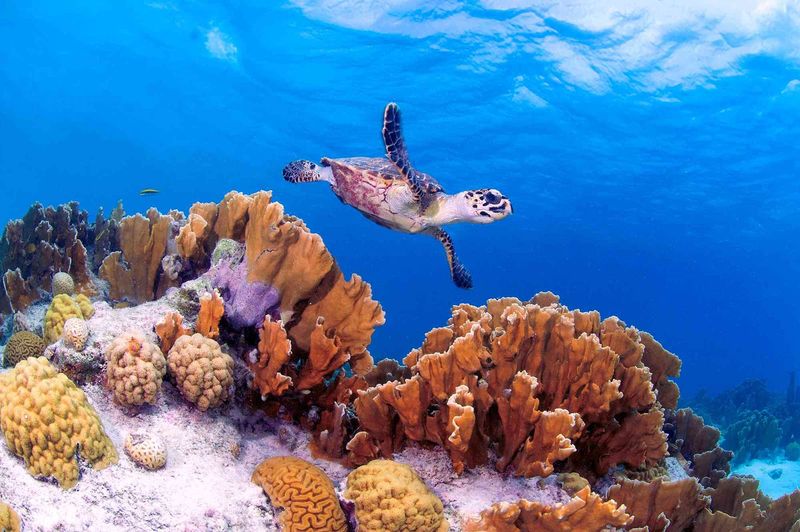
The archipelago's economy is now overwhelmingly dependent on tourism. Resorts generate revenue, employment, and foreign exchange. They also consume vast quantities of fresh water, electricity, and imported goods. Waste management on small islands is a persistent challenge. Coral reefs, the foundation of the entire ecosystem, are under pressure from warming seas, pollution, and physical damage from anchors and construction.
Local islands offer a lower-impact alternative, but they are not without complications. Guesthouses must navigate conservative social norms while catering to international visitors. Revenue from tourism does not always reach the communities that host it. And the infrastructure required to support increased visitor numbers can, if poorly managed, replicate the very problems it was meant to avoid.
There is no simple answer here. The Maldives needs tourism; it also needs to find ways to make that tourism sustainable. As a visitor, the most useful thing you can do is to be deliberate about where you go and how you spend. Choose locally owned guesthouses over international chains. Hire local guides. Eat at neighbourhood cafés. Decline single-use plastics. Avoid touching coral. These are small gestures, but they accumulate.
What Remains
The Maldives is changing. Sea levels are rising; the highest natural point in the archipelago is less than three metres above the ocean. Climate projections suggest that many islands will become uninhabitable within this century. The government has discussed relocating the population, purchasing land elsewhere, creating a diaspora.
It is difficult to visit the Maldives now without carrying that knowledge, without seeing the islands as fragile, temporary, already half-lost. And yet life continues. Fishermen go out at dawn. Children attend school. Families gather for meals. The ocean, which threatens everything, also sustains everything.
Travel here, then, becomes a kind of witness. Not the passive witness of the resort guest, insulated by luxury, but the engaged witness who moves through the place with eyes open, who asks questions, who understands that beauty and precarity can exist in the same frame. The Maldives does not need to be saved by tourism, but it deserves to be seen fully, in all its complexity, before the tides write a different story.