Where the Garden Isle Still Keeps Its Secrets
On Kauai, the oldest of Hawaii's inhabited islands, time moves differently - and the rewards for slowing down are profound.
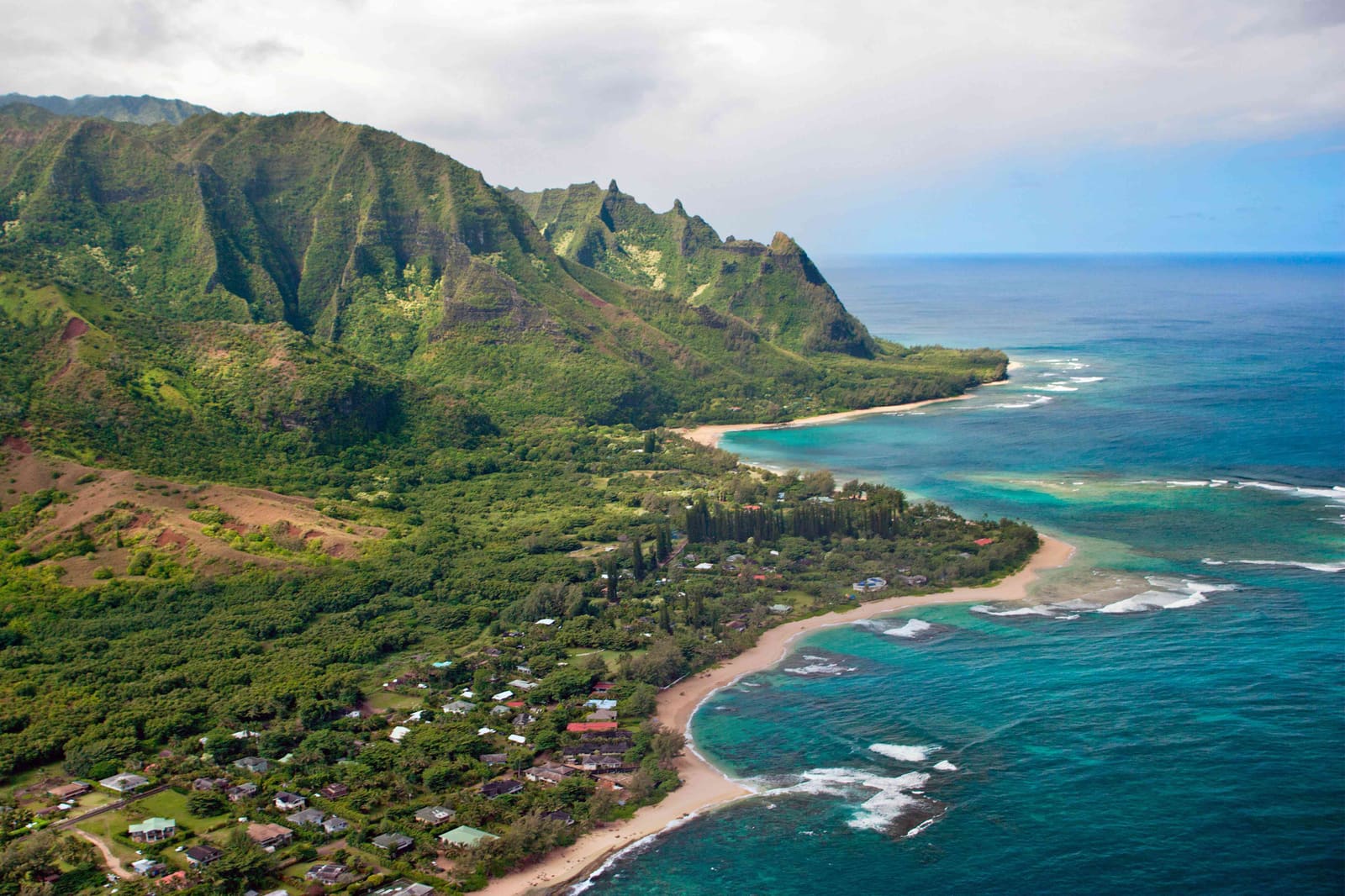
The Island That Refuses to Be Rushed
There is a particular quality of light on Kauai just after dawn, when the trade winds have not yet stirred the mist clinging to the Na Pali cliffs. The air smells of wet earth and plumeria, and if you stand very still on the north shore, you can hear the island breathing - waves pulling at black sand, mynah birds calling from kukui groves, the distant percussion of water meeting stone in hidden valleys no road will ever reach.
At Global Chic Voyage, we've watched Hawaii's islands wrestle with their own popularity for decades. But Kauai, the eldest of the archipelago's main islands, has managed something her younger siblings have not: she has kept her secrets. Not through exclusivity or gates, but through sheer topography. More than ninety percent of the island remains inaccessible by car, a wilderness of fluted peaks and roadless coastline that ensures even the most determined visitor must eventually surrender to the island's pace.
This is not the Hawaii of high-rise corridors or surf-and-turf buffets. Kauai's beauty is older, wilder, and requires something from you in return - patience, perhaps, or a willingness to let go of the itinerary and follow the light.
A Landscape Forged in Fire and Time
Kauai emerged from the Pacific some five million years ago, making her the oldest of Hawaii's inhabited islands. That geological seniority shows in every contour. Where the Big Island still bears the raw scars of recent lava flows, Kauai has had millennia to soften, to carve herself into something almost impossibly lush. Erosion has worked its slow magic here, sculpting the otherworldly amphitheater of Waimea Canyon - the so-called Grand Canyon of the Pacific - and the knife-edge ridges of the Na Pali Coast, where waterfalls plunge a thousand feet into valleys that have never known a road.
The island's nickname, the Garden Isle, is no marketing invention. Annual rainfall on Mount Waialeale, Kauai's volcanic heart, can exceed four hundred inches, making it one of the wettest spots on Earth. That deluge feeds an ecosystem of almost ridiculous fertility: fern forests so dense the light turns green, wild guava and mountain apple growing roadside, valleys choked with hala and hau and the invasive but undeniably beautiful African tulip tree.
It is a landscape that has doubled for everything from Jurassic Park to the jungles of Vietnam in Hollywood's imagination, yet somehow remains profoundly itself. The camera loves Kauai, but the island does not perform. She simply is.
Where Culture Still Lives in the Present Tense
To understand Kauai, you must first understand that Hawaiian culture here is not a museum exhibit or a luau backdrop. It is a living, breathing practice woven into the fabric of daily life. You see it in the taro patches of Hanalei Valley, where families still work lo'i that have been cultivated for centuries. You hear it in the Hawaiian language programs at the island's schools, where a new generation learns the tongue of their kupuna. You feel it in the protocols observed at sacred sites, the offerings left at heiau, the respect accorded to places the land itself has deemed kapu.
The island's north shore, in particular, remains a stronghold of Hawaiian identity. Hanalei, with its crescent bay and backdrop of jade peaks, has resisted the resort-ification that transformed so much of Maui and Oahu. Yes, there are vacation rentals and organic cafes now, but the town retains its soul - a place where farmers and fishermen and artists coexist, where the rhythm of life still follows the swell and the seasons rather than the cruise-ship calendar.
This is not to romanticize or claim that Kauai has escaped the tensions that come with tourism in a colonized land. The island grapples with housing shortages, environmental pressures, and the complex economics of an economy built on visitors. But there is a palpable difference here, a sense that the island's communities have drawn lines - sometimes literal, as in the case of limits on visitor access to certain beaches and trails - to protect what matters most.
The Art of Eating Like You Live Here
Kauai's culinary landscape reflects the island's agricultural abundance and multicultural heritage. This is plantation country, where generations of Japanese, Filipino, Portuguese, and Puerto Rican laborers left an indelible mark on the local palate. The result is a cuisine that defies easy categorization: saimin noodle soup with Portuguese sausage, Korean-style grilled meat plates, poke bowls that showcase the morning's catch from Nawiliwili Harbor.
The island's farmers' markets - Hanalei on Saturday mornings, Kapaa on Wednesday afternoons - offer a masterclass in tropical agriculture. You'll find fruits you've never heard of: white pineapple so sweet it burns your tongue, rambutans with translucent flesh, apple bananas no bigger than your thumb. Local honey thick with the taste of macadamia blossoms. Avocados the size of footballs. And everywhere, the scent of lilikoi, passion fruit, that tart-sweet perfume that seems to define the island's flavor profile.
The restaurants worth seeking out are those that understand this bounty. Small family-run operations where the fish was swimming this morning and the greens were picked yesterday. Food trucks parked on the side of the Kuhio Highway serving plate lunches that would make a Honolulu local homesick. And yes, a handful of more refined establishments where chefs trained in distant kitchens have returned home to reimagine the flavors of their childhood with technique and reverence.
What you will not find, mercifully, is much in the way of chain restaurants or the sort of ersatz "island fusion" that plagues more tourist-heavy destinations. Kauai's food culture remains stubbornly, wonderfully local.
Accommodations That Understand Place
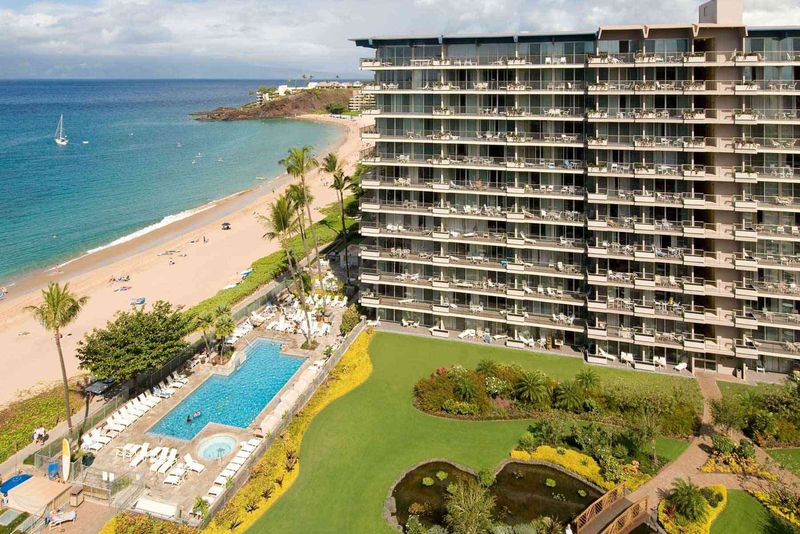
The question of where to stay on Kauai is really a question of what kind of experience you seek. The island's resort properties, clustered primarily on the south and east coasts, offer the expected amenities: manicured grounds, infinity pools, spa services that incorporate native botanicals. They serve a purpose, certainly, and some do so with genuine attention to cultural and environmental stewardship.
But the more compelling options, at least to our sensibility, are those that integrate rather than dominate. The small boutique properties tucked into Hanalei and Princeville. The plantation-era cottages converted into guest accommodations, where you wake to roosters and the smell of plumeria rather than the hum of air conditioning. The handful of eco-lodges on the island's less-developed west side, where solar panels and rainwater catchment systems are not amenities but necessities.
Vacation rentals have become contentious on Kauai, as they have across Hawaii, and for good reason - every home turned into a short-term rental is one fewer available to local families. The island has implemented stricter regulations in recent years, and travelers would do well to ensure their accommodations comply with local law and, more broadly, contribute to rather than extract from the community.
The best places to stay, in our experience, are those run by people who actually live on the island, who can point you toward the beach that's perfect for today's swell, who know which food truck has the best poke on Thursday, who will gently steer you away from the overcrowded trail and toward the one where you'll have the forest to yourself.
Adventures That Earn Their Views
Kauai demands a certain level of physical engagement. The island's most extraordinary landscapes are not visible from the highway. They require you to paddle, to hike, to accept a degree of mud and effort as the price of admission.
The Na Pali Coast, that seventeen miles of fluted cliffs and hanging valleys, can be approached three ways: by sea, by air, or on foot. The Kalalau Trail, eleven miles of narrow track clinging to cliff faces and crossing streams, is among the most challenging and rewarding day hikes in the Pacific. It is not for everyone - the trail claims its share of rescues each year - but for those with the fitness and preparation, it offers an intimacy with the landscape that no helicopter tour can match.
The island's rivers and bays invite kayaking: up the Wailua River to secret waterfalls, along the Hanalei River where green sea turtles surface in the shallows, out past the reef breaks where humpback whales breach in winter months. Stand-up paddleboarding has become popular here, too, though the conditions can humble even experienced paddlers when the trade winds pick up in the afternoon.
And then there is the surfing. Kauai's north shore hosts some of the most powerful winter swells in the Hawaiian chain. Hanalei Bay offers a range of breaks suitable for varying skill levels, while spots like Tunnels and Cannons are strictly for experts. The locals here have earned their waves through years in the water, and visiting surfers would do well to approach with humility and respect for the lineup hierarchy.
For those less inclined toward adrenaline, the island offers gentler pleasures: snorkeling at Poipu Beach, where Hawaiian green sea turtles graze on algae in the shallows; horseback riding through the upland pastures of Princeville Ranch; or simply walking the coastal paths at sunrise, when the light turns the ocean a dozen shades of blue you did not know existed.
The Wisdom of Off-Season
Kauai's high season runs roughly from December through March, when mainlanders flee winter and hotel rates double. But the island's most gracious months, in our estimation, are April through June and September through November. The weather remains sublime - warm days, brief afternoon showers, evenings cool enough for a light sweater. The crowds thin. The locals exhale.
Spring brings the humpback whales on their northward migration, their breaching visible from shore. Autumn offers the best conditions for hiking, when the trails have dried from summer but before the winter rains turn everything to mud. And both shoulder seasons provide opportunities to experience the island at something closer to its natural rhythm, when the ratio of visitors to residents tips toward balance.
This is when you can have Hanalei Bay to yourself at dawn, when the farmers' markets feel like community gatherings rather than tourist attractions, when a conversation with a shopkeeper might meander into stories of the island's past, the old days before the bridges were paved, when the north shore was still cut off for months each winter.
What the Island Asks of You
Kauai is not a place that reveals itself quickly or to everyone equally. She requires something from her visitors: a willingness to slow down, to accept that not everything can or should be Instagrammed, to understand that some places are sacred and off-limits for reasons that have nothing to do with safety and everything to do with respect.
The island asks that you take your trash with you, that you stay on marked trails, that you do not touch the sea turtles or the monk seals no matter how close they come. She asks that you support local businesses, that you learn at least a few words of Hawaiian, that you understand the difference between visiting and occupying.
In return, Kauai offers something increasingly rare in our hyper-connected age: the chance to experience a place that has not been optimized for your convenience, that retains a wildness and a cultural integrity worth preserving. The island's gifts are substantial, but they are not given freely. They must be earned through attention, through humility, through a recognition that you are a guest in someone else's home.
And if you approach her in that spirit - with curiosity rather than entitlement, with patience rather than a checklist - Kauai will show you things you did not know you were looking for. She will teach you what it means to live in a place where the land is not scenery but ancestor, where beauty is not a commodity but a responsibility, where the oldest island in the chain still has the most to teach us about what we stand to lose.