Wellington Emerges as New Zealand's Culinary Capital Beyond the Stars
Long before the guides arrived, this harbour city perfected a food culture built on independence, seasonality, and community, now flowering into something entirely its own.
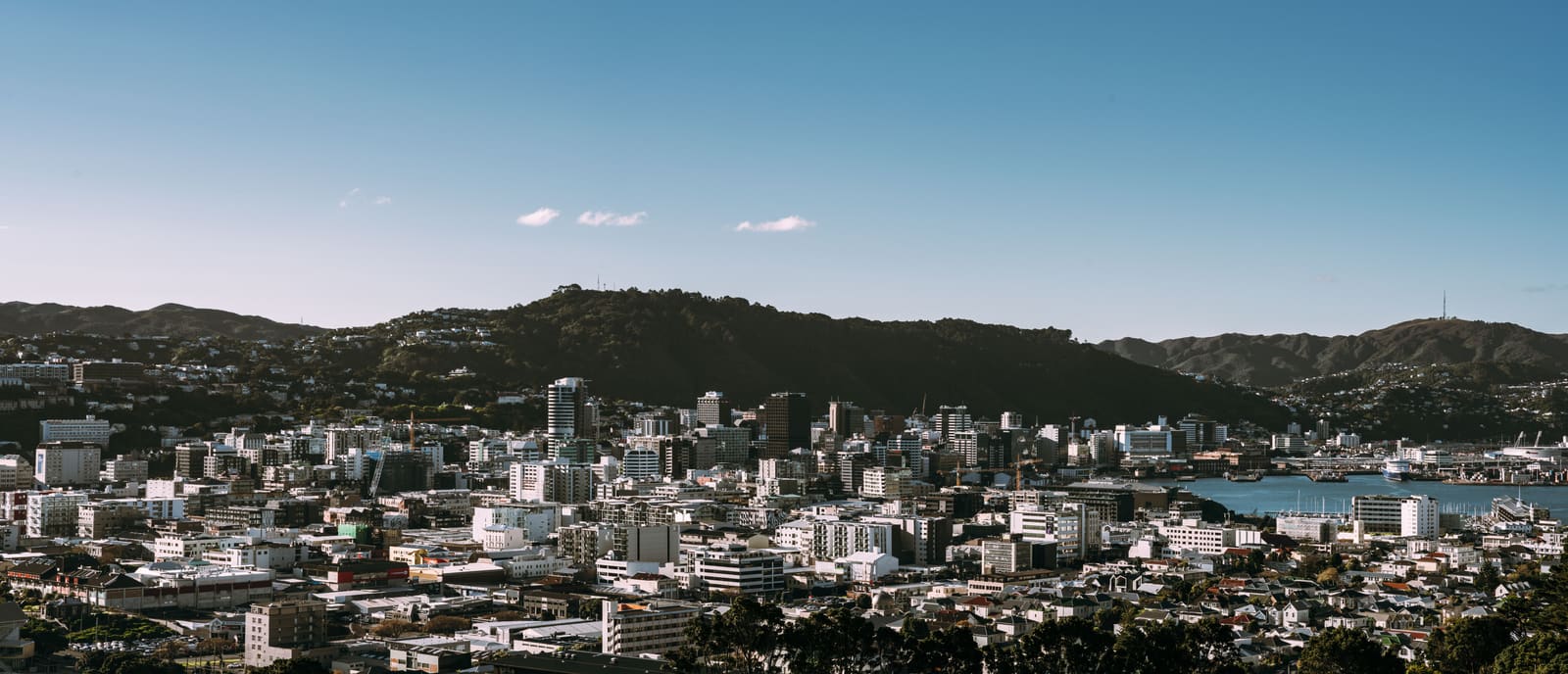
The Harbour City That Taught Itself to Eat
On a clear morning in Wellington, the light off the harbour turns the colour of beaten silver. The city wraps itself around the water's edge, compact enough to walk from one end to the other, large enough to contain multitudes. For years, this has been where New Zealanders came when they wanted to eat well, to drink thoughtfully, to taste what the country could be when it stopped looking over its shoulder at the rest of the world.
The culinary evolution here did not arrive with international recognition, though that came in June 2026 when Michelin published its first New Zealand guide. Wellington's food culture had already taken shape through something more durable: a cohort of passionate operators who chose independence over scalability, seasonality over consistency, and community over celebrity. The result is a dining landscape that feels less like a collection of restaurants than an ongoing conversation about place, produce, and the small choices that define a meal.
Restaurants as Philosophy
At Graze in Kelburn, chef Max Gordy and sommelier Stina Persen have built a practice around impermanence. The menu changes daily, responding to what New Zealand growers and fishers bring in, what the season offers, what feels right. It is cooking that cannot be replicated because it does not seek to be replicated. The same philosophy, different expression, unfolds at Margot in Newtown, where Tom Adam and Juno Miers have created an intimate space that pairs seasonal cooking with a drinks list that rewards curiosity.
The Ram has reimagined what a Cuba Street pub might be, turning it into a serious food destination without losing the informality that makes Wellington's dining culture so approachable. Hillside, a tiny vegetarian restaurant, follows a low-waste philosophy grounded in local produce, proving that constraint can be a form of abundance. These are not restaurants chasing stars or striving for a place on international lists. They are places built for the people who live here, which is precisely why visitors return.
The City Reopens Itself
Wellington's city centre has spent the better part of a decade wrapped in scaffolding and construction fencing, earthquake-strengthening its heritage buildings while the rest of the country waited. In 2027, the city emerges. The 120-year-old Town Hall, a heritage-listed concert venue, reopens in February after more than ten years of work, now housing a National Music Centre designed for world-class acoustics. From 9 to 11 April, the restored venue will stage a new production of Andrew Lloyd Webber's Sunset Boulevard, with Tony-nominated performer Keala Settle.
City Gallery Wellington, a significant hub for contemporary art, reopened in October 2026 with a major exhibition by artist Cornelia Parker, bringing the creative energy the city is known for back to Civic Square. The revitalised Te Matapihi ki te Ao Nui Central Library has already returned to public life, and the cumulative effect of these reopenings is a city reclaiming its civic heart.
New Arrivals, Old Bones
In early 2027, Rita, an award-winning restaurant, will relaunch inside its century-old workers' cottage as Super Rita, a deli and urban pantry showcasing local growers. It is a shift that reflects a broader trend in Wellington: restaurants expanding their reach beyond the dinner table, becoming nodes in a larger food network that connects producers, cooks, and eaters in more direct ways.
The waterfront at Oriental Bay will gain a new anchor when The Pavilion opens in early 2027. Set inside a former 1930s bathing pavilion and band rotunda, the venue will house an all-day restaurant, a rooftop bar, and a bathhouse with hot pools, a cold plunge, a sauna, and treatments. It is a project that blends wellness and hospitality in a way that feels both nostalgic and forward-looking, honouring the building's history while giving it new purpose.
The Informal Advantage
What Wellington has cultivated, and what makes it compelling now, is a dining culture that resists the hierarchies international guides often impose. The best meals here are not necessarily the most expensive or the most formal. They are the ones that feel connected to the place they come from, cooked by people who know the farmers and fishers by name, served in rooms where the owners are often the ones pouring your wine or explaining the dish.
This is the kind of informal dining that formal systems overlook, not because it lacks rigour but because its rigour is expressed differently. It is precise without being precious, ambitious without being anxious, confident in its own context. For travellers weary of dining as performance, Wellington offers something quieter: meals that taste like they belong exactly where they are.
A City in Conversation with Itself
Wellington's cultural diversity, drawn from Māori, Pacific, Asian, and European influences, has shaped a food scene that borrows freely without flattening distinctions. The city is small enough that chefs, growers, and producers form a tight network, small enough that word of a new bakery or a pop-up dinner spreads quickly, large enough to sustain experimentation.
The city's walkability means you can eat breakfast in one neighbourhood, wander through a gallery, take coffee in another quarter, and end the evening at a wine bar that opened last month, all without needing a car. This density creates a kind of culinary serendipity that larger, more sprawling cities cannot replicate. You stumble into good meals here, not because you are lucky but because the city has made them abundant.
The Year to Go
Timing matters. Wellington in 2027 is a city stepping out of a long period of renewal, its civic buildings restored, its food culture maturing, its confidence no longer tied to external validation. The reconstruction that kept parts of the city inaccessible has finished, and what has emerged is a place that feels both settled and eager, ready to show what it has become.
For travellers seeking a food destination that has not yet been flattened by its own popularity, Wellington offers a rare thing: a city that still eats for itself, that still cooks for its own pleasure, that still believes the best meal is the one made from what is here, now, today.