London Unfolds in Layers - History, Hunger, and the Pull of a City That Refuses to Stay Still
From discreet drawing rooms to the roar of a Saturday market, the British capital demands more than a weekend - and rewards those who look twice.
A City That Reveals Itself Slowly
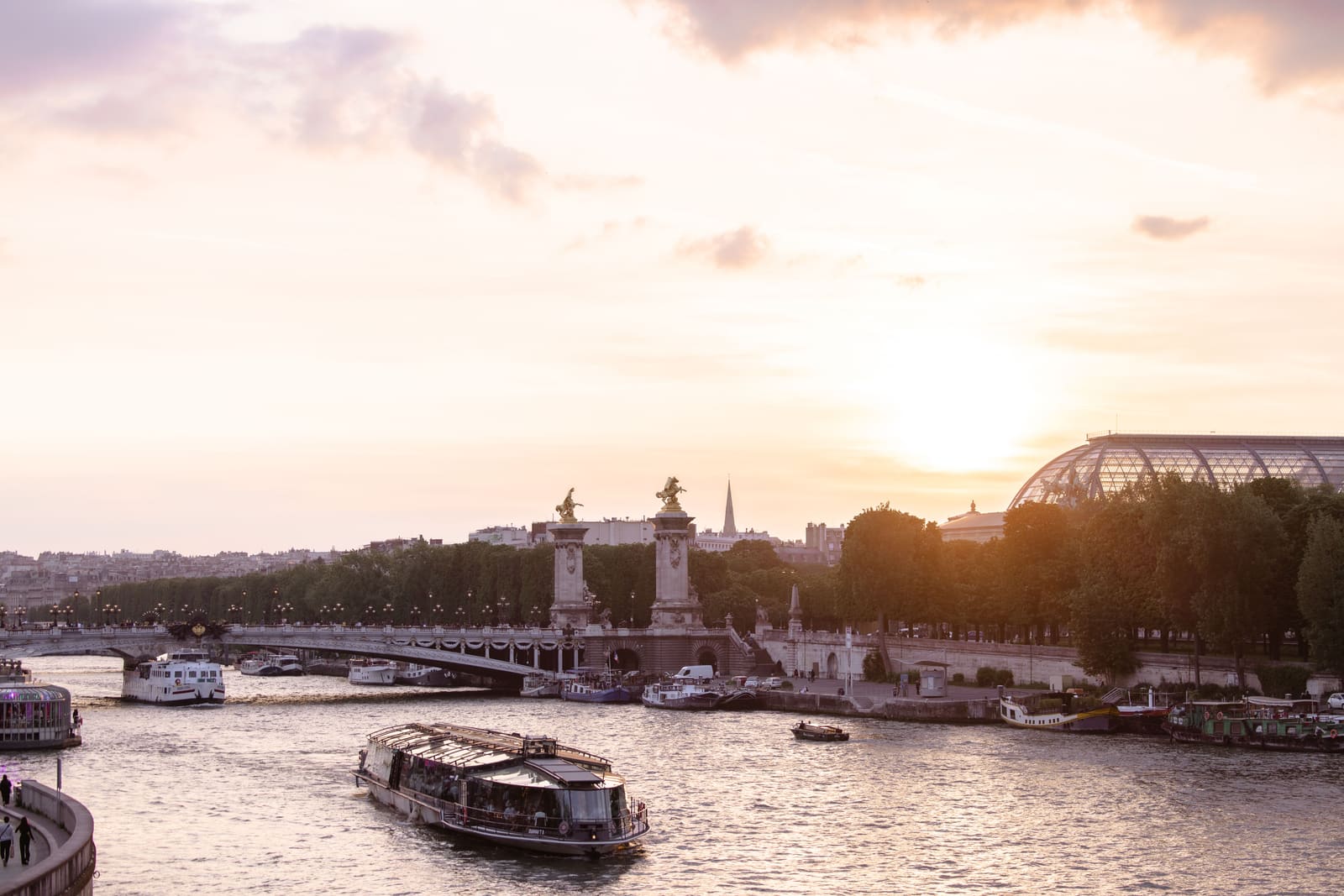
Stand on Waterloo Bridge at dusk and the Thames becomes a ribbon of silver, flanked by the illuminated dome of St Paul's on one side and the angular geometry of the Southbank Centre on the other. It is a view that has appeared in countless photographs, yet it never quite translates. The light shifts too quickly. The wind carries the faint smell of the river - brackish, old, alive. London does not perform for the camera; it performs for those willing to walk its streets without a fixed itinerary.
The city's architecture tells a story of conquest, fire, and reinvention. Medieval guildhalls stand beside glass towers designed by Norman Foster and Renzo Piano. The Great Fire of 1666 erased much of the old city, and Christopher Wren rebuilt it in stone and symmetry. But London has never been tidy. It sprawls across 33 boroughs, each with its own accent, its own rhythm, its own claim to authenticity. To understand it requires patience, and perhaps a willingness to get lost.
Where the Past Still Breathes
History in London is not confined to museums. It lives in the narrow alleyways of the City, where Roman walls still mark the boundary of Londinium. It lingers in the Georgian terraces of Bloomsbury, where Virginia Woolf once walked, and in the Victorian warehouses of Shoreditch, now converted into studios and late-night bars. The Tower of London, a fortress built by William the Conqueror in 1066, remains a working royal palace, its Yeoman Warders still guarding the Crown Jewels.
The British Museum, with its vast collection spanning two million years of human culture, offers a quieter kind of immersion. The Rosetta Stone, the Elgin Marbles, the mummies of ancient Egypt - all are here, arranged in galleries that seem to stretch endlessly. Yet some of the most compelling moments happen in the smaller rooms, where a single object - a Saxon helmet, a Japanese print - commands attention through sheer presence.
Westminster Abbey, where monarchs have been crowned since 1066, is less a tourist site than a repository of national memory. Poets, scientists, and statesmen are buried beneath its floor. The light filters through stained glass, casting patterns on stone worn smooth by centuries of footfall. To visit is to step into a narrative that predates the nation itself.
A Culinary Map Without Borders
London's food scene defies the old stereotypes. The city is home to more than 70 Michelin-starred restaurants, but the real story unfolds in its markets, its corner cafés, its family-run establishments where recipes have been handed down through generations. Borough Market, a labyrinth of stalls beneath railway arches, offers everything from Cornish oysters to Turkish pastries. The air is thick with the smell of roasting coffee, cured meats, fresh bread.
Brick Lane, once the heart of the city's Bangladeshi community, remains a destination for curry, though gentrification has introduced sourdough bakeries and speciality coffee roasters alongside the traditional balti houses. In Chinatown, just south of Soho, dim sum parlours and Sichuan restaurants serve dishes that speak to waves of migration, each one adding another layer to the city's culinary identity.
Pubs, too, are part of the architecture. Not merely places to drink, they function as social infrastructure - meeting points, dining rooms, refuges from the rain. The Lamb and Flag in Covent Garden, a timber-framed tavern dating to 1772, pours ale in rooms that have hosted everyone from prizefighters to poets. The Harwood Arms in Fulham holds a Michelin star, serving game and seasonal British produce in a setting that feels more like a village local than a fine-dining destination.
Accommodation as Theatre
London's hotel scene has evolved into a form of theatre, each property staging a different vision of luxury. Claridge's in Mayfair, with its art deco interiors and afternoon tea ritual, embodies a particular strain of British elegance - formal, yet warm. The Connaught, just a few streets away, offers a quieter kind of opulence, its rooms designed by David Collins in shades of ivory and taupe.
The Ned, housed in the former headquarters of Midland Bank, transforms a 1920s banking hall into a members' club and hotel. The original wood panelling and brass fixtures remain, lending the space a sense of gravitas. In Shoreditch, The Hoxton represents a different aesthetic - stripped-back, industrial, deliberately unpretentious. It is a hotel for those who prefer their luxury without fanfare.
South of the river, the Mondrian at Sea Containers offers views of the Thames and interiors by Tom Dixon, all copper accents and velvet upholstery. The rooftop bar draws a crowd at sunset, when the light turns the water gold and the city's skyline becomes a silhouette. Location matters in London, and each neighbourhood offers a different lens through which to view the city.
The Texture of Everyday London
Beyond the monuments and the Michelin stars, London lives in its parks, its bookshops, its second-hand record stores. Hampstead Heath, a sprawling expanse of woodland and meadow in the north, offers swimming ponds and panoramic views from Parliament Hill. On weekends, it fills with families, joggers, kite-flyers - proof that the city, for all its density, still makes room for open space.
Columbia Road Flower Market, held every Sunday in the East End, transforms a narrow street into a riot of colour and noise. Traders shout prices, customers haggle, and by mid-afternoon the stalls are empty, the street returning to its weekday quiet. It is a ritual, repeated weekly, that speaks to a London less interested in permanence than in the rhythm of the everyday.
Bookshops, too, offer a kind of sanctuary. Daunt Books in Marylebone, with its Edwardian interior and oak galleries, organises its stock by country, inviting readers to travel without leaving the shop. Foyles on Charing Cross Road spans five floors, its café on the top level a refuge for those who prefer their browsing unhurried.
The City That Never Settles
London does not offer easy answers. It is too large, too complex, too layered to be reduced to a list of highlights. The city rewards curiosity over efficiency, digression over itinerary. A wrong turn down a side street might lead to a hidden garden, a Georgian square, a pub where the locals still outnumber the visitors. The best visits are the ones that leave room for accident, for the unexpected encounter that becomes the story you tell later.
What London offers, in the end, is not spectacle but texture. It is a city built on trade, empire, and migration, and those forces have left their mark in every neighbourhood, every street corner, every menu. To visit is to enter a conversation that has been ongoing for two millennia, and to leave knowing that the city will continue, indifferent to your departure, already writing the next chapter.