Where Ancient Barns Meet Cryotherapy: Inside Tyrol's Most Unusual Wellness Retreat
At Mount Med Resort, housed in a 13th-century monastic barn, the Alpine wellness paradigm shifts from prescription to possibility.
A 750-Year-Old Shell, a 21st-Century Philosophy
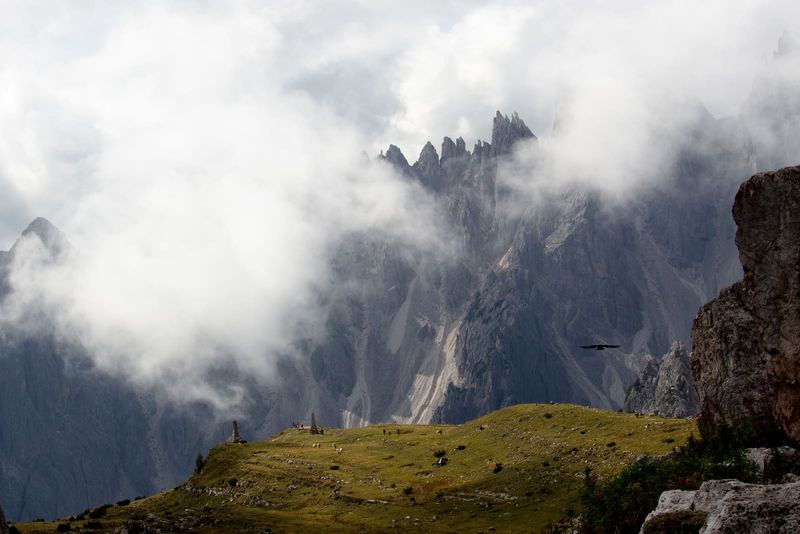
The Wildschönau valley in Tyrol keeps its secrets close. Church bells punctuate the quiet, pine forests climb steep slopes, and somewhere among the peaks sits a monastic barn that has stood since 1275. What happens inside it now, however, would perplex the monks who once stored grain within those thick walls.
Mount Med Resort opened in late 2024, and it occupies a curious space in the wellness landscape. This is neither a traditional Alpine spa trading on hot-stone massages and herbal teas, nor a clinical facility where guests shuffle between consultations in hospital gowns. Instead, the property represents something harder to categorise: a place where metabolic testing sits alongside neuroscience sessions, where cryotherapy chambers exist a corridor away from saunas infused with mountain herbs, where the food tastes Michelin-calibre yet serves a clinical purpose.
The architecture itself embodies this duality. Ten interconnected buildings weave around the original barn, preserving ancient stone and timber whilst housing cutting-edge diagnostic equipment. Brothers Stephan Papp and Dr Alexander Papp, who lead the resort, have built their philosophy on the notion that wellness cannot be standardised. The result is a programme guided by five pillars - diagnostics, treatments, oxygen, nutrition and personal guidance - that flex and recombine depending on what each guest actually requires.
The Diagnostic Prelude
Before arrival, guests choose a focus: weight management, aesthetic procedures, mobility support, preventive vitality. But the real calibration begins with blood work, oxygen-level monitoring and metabolic testing upon check-in. These diagnostics inform everything that follows, from the meals prepared to the therapies scheduled.
A personal health concierge coordinates the experience, working alongside a physician to ensure that movement sessions, nutritional plans and treatments align with what the data reveals about your body. The approach avoids the one-size-fits-all trap that plagues so many retreats, where every guest receives the same seaweed wrap and green juice regardless of need.
For those seeking surgical or aesthetic procedures, external specialists provide plastic, aesthetic and reconstructive work on-site, with recovery integrated into the broader wellness programme. For others, the emphasis leans holistic: non-invasive treatments, strength-building, mobility regained through guided movement rather than scalpel.
Cold Chambers and Calm Minds
The treatment menu reads eclectic. Neuroscience sessions aim to reprogramme sleep patterns, an intervention that feels increasingly urgent in an age of fractured rest. Cryotherapy chambers drop to temperatures that shock the system into response - three minutes inside, and inflammation reportedly recedes whilst energy surges. The effect proves compelling enough to warrant a return visit the following day.
Lymphatic massage works to refresh, personal training to revitalise. Each session builds on the diagnostic baseline, adjusted as the concierge and physician track progress. Flexibility defines the experience; if something resonates, the programme expands to incorporate more of it. If a treatment feels misaligned, it shifts.
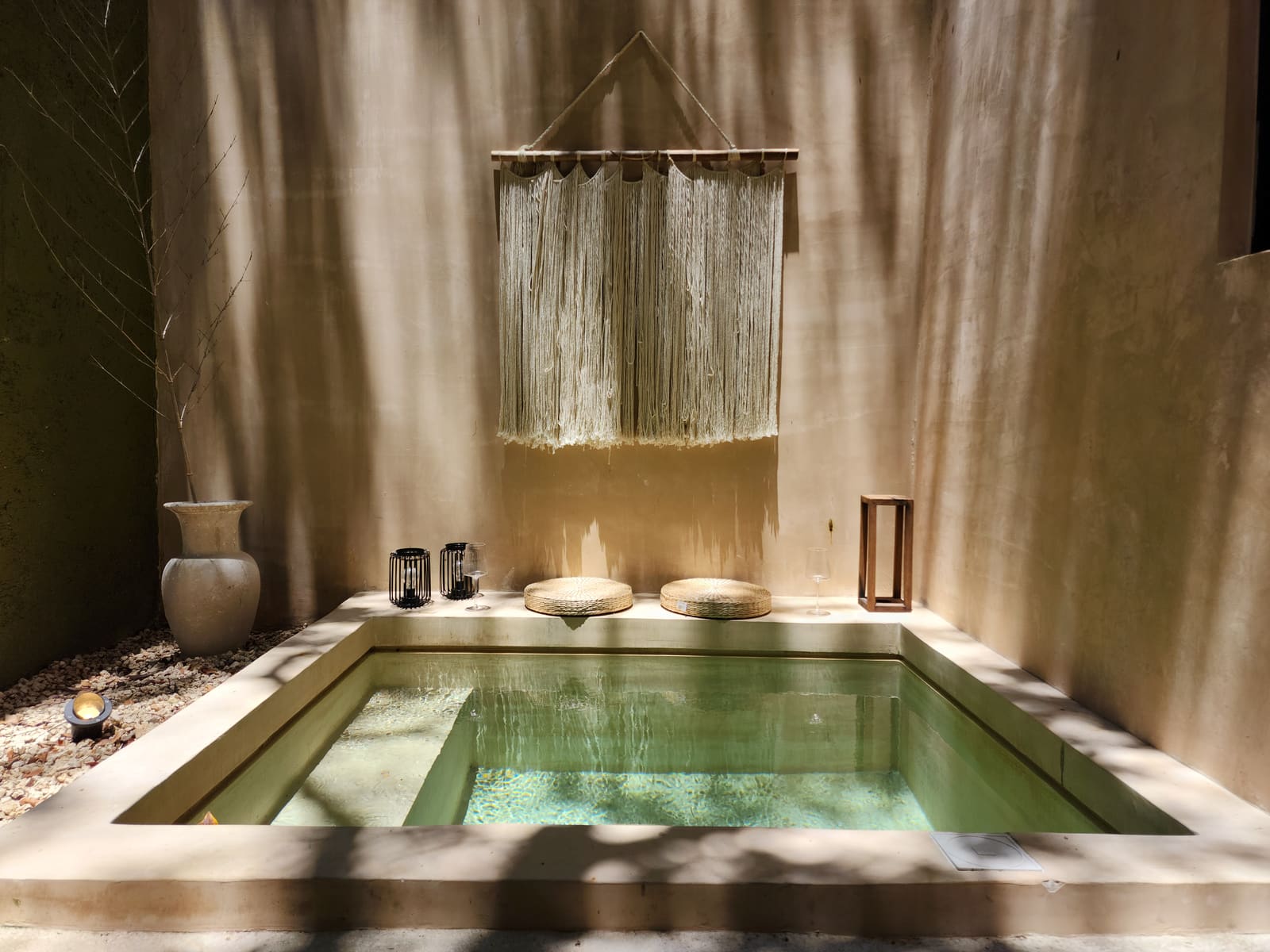
The 3,500-square-metre spa offers its own diversions: an indoor pool, a heated outdoor pool, mineral and forest steam rooms, a bio mountain-herb sauna edged with salt stones, a Dragon Fire sauna that conjures its own intensity. Between scheduled treatments, guests wander these spaces, or hike into the valley and forest beyond, where the only interruption comes from the periodic chime of church bells.
The Unexpected Pleasure of Nutritional Precision
Wellness food carries a reputation for worthy dullness - quinoa bowls, spirulina smoothies, dishes that nourish dutifully but please reluctantly. Mount Med dismantles that expectation. Meals here arrive three times daily, with two snacks punctuating the rhythm, each plate tailored to support metabolism and reduce inflammation.
Yet the food tastes like ambition, not compromise. Tyrolean free-range chicken breast appears with kohlrabi, meadow herb cream and sautéed wild mushrooms. Breakfast spans inventive territory, every dish calibrated to nutritional purpose yet plated with the care of the resort's award-winning restaurant, Aurea, which operates on-site. The kitchen achieves what so many wellness properties fail to manage: food that serves clinical goals without sacrificing flavour or creativity.
The Monastic Legacy, Reinterpreted
The original barn anchors the resort, a reminder that this valley has long offered refuge. Where monks once sought solitude and rhythm, guests now seek metabolic insight and cryotherapy. The continuity lies not in the specifics but in the underlying impulse: the desire to step outside ordinary life, to recalibrate, to return changed.
The Papp brothers have designed an experience that resists easy summary. This is not a place where you surrender to a prescribed programme, nor one where you drift aimlessly through generic treatments. Instead, Mount Med asks guests to engage actively in their own wellness, supported by diagnostics, guided by specialists, nourished by food that refuses to taste like medicine.
What Follows After
The resort extends support beyond checkout. Nutritional plans travel home with guests, digital check-ins offer continuity, the infrastructure exists to sustain momentum. But even without structured follow-up, the experience imprints. The memory of three minutes in a cryotherapy chamber, the realisation that food can be both healing and delicious, the quiet of a pine forest punctuated only by bells - these linger long after the Wildschönau valley recedes in the rear-view mirror.
Wellness, as Mount Med defines it, is neither indulgence nor deprivation. It is the space where ancient stone meets metabolic science, where a 13th-century barn houses 21st-century possibility, where the question shifts from "What should I do?" to "What do I actually need?" The answer, it turns out, varies wildly from one guest to the next. And that, finally, is the point.