Where Cancún Keeps Its Best-Kept Secrets: Beyond the Spring Break Shore
Twenty years after frozen margaritas and swim-up bars, the Mexican Caribbean has learned to whisper as well as shout.

The Shore Has Grown Up
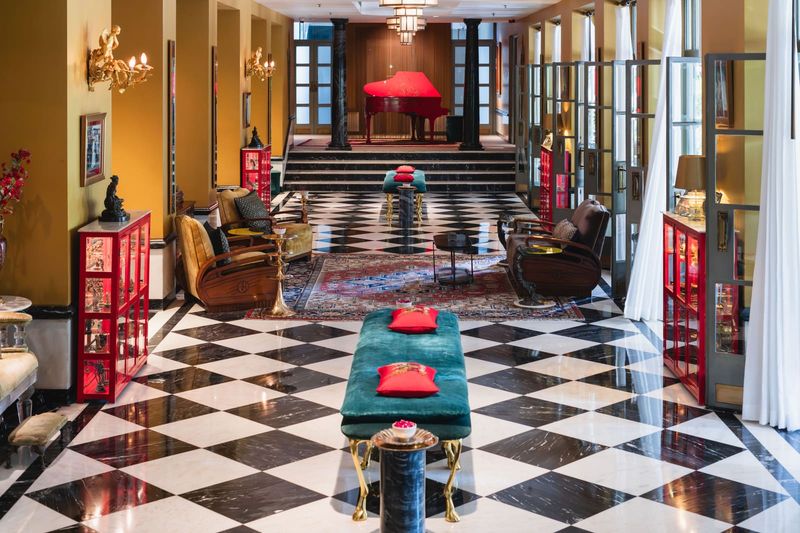
The first time most travellers arrive in Cancún, they carry a fixed image: turquoise water, open bars, perhaps a certain recklessness inherited from decades of college-crowd mythology. That image is not wrong, exactly. It is simply incomplete. The Hotel Zone's sweep of white sand still exists, the margaritas still flow, but something else has taken root alongside them - a quieter luxury, one that speaks in marble and Mexican art rather than neon and noise.
Playa Mujeres, removed from the frenetic energy of the main strip, offers a different tempo. Here, resorts lean into local craftsmanship: concrete murals depicting native wildlife, warm woods instead of tropical clichés, and mezcal cocktails served with intention rather than haste. The all-inclusive model, once synonymous with quantity over quality, has evolved into something more considered. Today's properties bundle butler service, 24-hour room service, and à la carte restaurants that merit genuine anticipation - not because they are free, but because they are good.
What "Included" Really Means Now
The language of all-inclusive pricing has changed. Where the model once promised unlimited mediocrity, it now extends to premium spirits, hydrotherapy circuits, and gourmet snacks restocked daily in suite minibars. At certain properties, French tasting menus and Italian multi-course dinners fall within the standard rate. Others reserve their finest kitchens - contemporary Mexican cooking, say, by named chefs - for guests willing to pay a supplement.
This tiered approach reflects a broader shift. Resorts have learned to segment their offerings, creating adults-only towers within family-friendly compounds, or entire properties restricted to guests aged 16 and older. The result is a landscape where spring breakers and honeymooners, toddlers and retirees, can coexist without collision, each group insulated within its chosen enclave.
Punta Cancún, the peninsula tip where two beaches meet, illustrates the point. One side might host waterslides and splash fountains; the other, an adults-only tower with ocean-facing suites and rooftop infinity pools removed from the noise below. The infrastructure accommodates divergent desires without requiring anyone to compromise.
The Geography of Quiet
Isla Mujeres, a short catamaran ride from the mainland, has become the destination of choice for travellers seeking distance from Cancún's central energy. Several properties here have adopted the adult-only model, pairing terraced pools and sheltered beaches with dedicated butler service. Arrival itself becomes part of the theatre: guests board open-bar catamarans for the crossing, cocktail in hand, the city receding behind them.
The island's culinary scene has matured in parallel. Tikin xic, a local fish dish, is now taught in resort cooking classes. Coffee comes from Mexican roasters rather than anonymous industrial suppliers. At one property, a swim-up bar blends rum with coconut and mango, a small gesture toward place that distinguishes it from equivalents in the Dominican Republic or Jamaica.
Guided visits to Punta Sur's temple ruins, dedicated to the Maya goddess Ixchel, are available for an additional fee. These excursions remain optional rather than central to the resort experience, which prioritises poolside indolence over cultural immersion. Still, the option exists for those who tire of the rooftop infinity pool.
The Architecture of Indulgence
Glass-topped pyramids and soaring atriums filled with cascading vines: Cancún's resort architecture leans theatrical. A 2026 renovation of one landmark property preserved its dramatic silhouette while updating interiors to face either Caribbean sunrises or Nichupté Lagoon sunsets. The design choices reflect an understanding that guests want spectacle, but not at the expense of comfort.
Suite sizes have grown. Entry-level accommodations now routinely exceed 800 square feet, with whirlpool tubs and furnished terraces. Rooftop suites add private plunge pools and daybeds, allowing guests to avoid communal spaces entirely if they wish. Room service operates around the clock, and butlers - available in higher-tier suites - can arrange dinner reservations, draw evening baths, or handle unpacking.
This level of service, once the preserve of standalone luxury hotels, has migrated into the all-inclusive model. The economic logic is straightforward: by bundling services into an upfront price, resorts encourage guests to remain on-property, spending money on premium wines, spa treatments, and other excluded items. The guest, in turn, enjoys the psychological ease of prepayment, free to indulge without tallying receipts.
The Family Equation
For parents, the all-inclusive model solves a different problem: the logistical burden of travelling with small children. One Playa Mujeres resort offers supervised care for potty-trained children aged three and older, allowing parents up to 90 minutes to eat without distraction. Family suites include separate bedrooms for children, bottle warmers, and homemade baby purées. After the little ones are asleep, room service delivers dinner to the suite.
This is not the Cancún of backpackers or honeymooners, but it is no less valid. The resort becomes a contained environment where the friction of travel - navigating unfamiliar restaurants, managing nap schedules in public - is minimised. The trade-off is insularity. Guests at such properties rarely venture beyond the gates, and why would they? Everything required has been anticipated and provided.
When to Go, and Why It Matters
September offers the lowest rates, as summer crowds disperse and shoulder season begins. The weather, however, turns wetter, and hurricane season brings the possibility of tropical storms. Late October through the week before Thanksgiving strikes a better balance: prices remain moderate, and conditions improve.
Timing also affects the character of the crowd. Spring break weeks skew younger and louder; December holidays bring multi-generational families. For those seeking relative quiet, the weeks immediately following major holidays - early January, the fortnight after Easter - offer a middle path.
The Calculation
Whether Cancún's all-inclusive model represents value depends on how one intends to spend the days. Guests who plan to explore the Yucatán Peninsula, eating in local taquerías and visiting cenotes, will find little advantage in prepaying for meals they will not eat. Those who prefer to remain on-property, moving between pool, beach, and restaurant without leaving the resort's perimeter, will extract maximum benefit.
The best properties have learned to make that perimeter feel expansive rather than confining. Winding pools connect swim-up terraces; beach waiters circulate without being summoned; dining options span Indian curries, French tasting menus, and Italian multi-course meals. The illusion is one of choice and spontaneity, even as the environment remains tightly controlled.
What Remains
The frozen margaritas have not disappeared. They are still there, blended and poured at swim-up bars, served by waiters who circulate along the beach. But they no longer define the experience. Cancún has learned to offer more: marble interiors and Mexican art, butler service and rooftop infinity pools, à la carte dining that justifies the evening's effort to dress.
The spring break reputation persists, and certain properties still cater to that crowd. But elsewhere, a different Cancún has emerged - one that understands luxury as the absence of friction, and all-inclusive as a means to that end. The margaritas remain. The shore, however, has grown up.