Where the Atlas Meets the Atlantic: Morocco's New Wave of Luxury Retreats
From solar-powered desert camps to beachside oyster sanctuaries, the kingdom is rewriting its hospitality playbook ahead of a global spotlight.
The Garden of Rumi
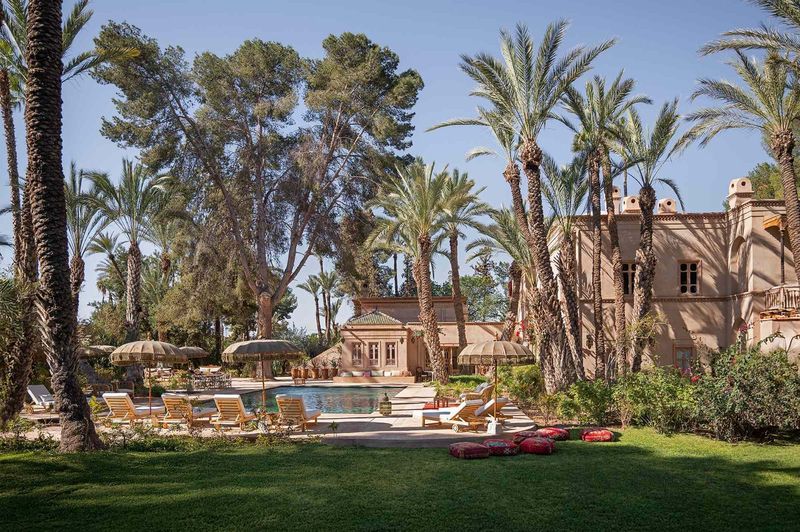
In Marrakech's Palmeraie, beneath the shade of pistachio trees planted when the last century was young, a Tunisian architect once built himself a house. Charles Boccara, who studied at the Beaux-Arts de Paris after growing up in Casablanca, designed the estate around Islamic principles of water, light, and harmonious living. The result was Jnane Rumi, a name that translates to the Garden of Rumi, a twelve-room property that now functions as both boutique hotel and cultural platform.
The structure houses seven rooms in the main mansion, four garden pavilions, and a single private villa. Boccara's training shows in the arches and domes, in the mullioned windows that frame views of centenarian palms. When art-restitution lawyer Gert-Jan van den Bergh and his wife Corinne, a somatic therapist, acquired the property, they opened it to contemporary Moroccan artists and designers, hosting creative retreats and curated exhibitions. The house, they found, naturally gathered life.
Marrakech sits at the edge of the desert, yet remains a garden city. Its medina is an intricate jigsaw of riad courtyards, each one a private oasis. Jnane Rumi extends this tradition into the Palmeraie, the city's historic palm grove, where the architecture embodies what Boccara called his Euro-Maghrebi style: expressive use of local materials, elegant proportions, and a constant dialogue between interior space and garden.
The Moroccan Riviera's First Home-Grown Luxury
King Mohammed VI conceived Royal Mansour Tamuda Bay as a showcase for artisanal skills that form the cornerstone of Morocco's cultural heritage. The property was built, trained, and staffed with that ambition in mind. More than 2,000 works of art fill the interiors. All staff attend the Royal Mansour hospitality school before serving guests.
The resort occupies 700 metres of private beachfront along what some call the Moroccan Riviera, a stretch where Sofitel and Ritz Carlton have planted flags. Yet this property, the first home-grown luxury offering on this coast, distinguishes itself through obsessive attention to detail and year-round operation. The buildings sit low within landscaped gardens scented with rosemary, sage, lavender, and mint.
Dedicated spa-goers travel here for Longevity programmes of varying durations, delivered in what is positioned as the largest and most professional medical spa in Northern Africa. The property operates between the mountains and the sea, and the interplay of those two landscapes shapes the rhythm of a stay. Sustainable practices underpin operations, from sourcing to energy management.
Four Seasons Rabat and the Blending of Eras
Four Seasons introduced its Rabat property as a super-sized proposition that incorporates Moroccan design touches in shared areas while maintaining sleek luxury in private spaces. The city itself offers a serene introduction to Morocco, less frenetic than Marrakech, less overwhelming than the souks of Fez.
The true centrepiece is the spa, which opened recently with a thorough menu and high-end treatments. Guests can relax afterwards beside the indoor pool, a space that manages to feel both palatial and intimate. The property functions well as a three or four-night stop within a wider Moroccan tour, balancing sightseeing with pampering. There is an effortless blending of old and new, a devotion to looking after the guest that feels genuinely attentive rather than performative.
The attention to detail is impressive. The property makes you feel cared for without being fussed over, a balance that luxury hotels often attempt but rarely achieve with this degree of consistency.
Oysters and Eucalyptus Trees
Three years after opening their Marrakech property in 2004, the owners behind La Sultana sought a quieter, more intimate location for their second Moroccan hotel. They found it between acres of flourishing farmland and a tranquil lagoon sheltered from the roaring Atlantic.
Sustainable, sea-to-table dining anchors the La Sultana experience. Oysters are the star offering, harvested from five oyster beds scattered across the lagoon. Seafood lovers will find this focus rewarding. The property has just twelve rooms, each with its own design personality. The Treehouse Suite centres around a living eucalyptus tree that rises through the bedroom floor and ceiling, a bold architectural gesture that somehow feels organic rather than contrived.
The spa, exclusive to guests, takes inspiration from cathedral architecture. It includes a pool, hot tub, sauna, and five treatment rooms. Outside, a 45-metre infinity pool merges visually with the sea at high tide, blurring the boundary between property and ocean.
The location offers restorative wellness in a setting that feels genuinely secluded. The farmland and lagoon create a buffer from the world, yet Marrakech remains accessible for those who want to dip into the city's energy before returning to the coast's calm.
Solar-Powered Minimalism in the Agafay
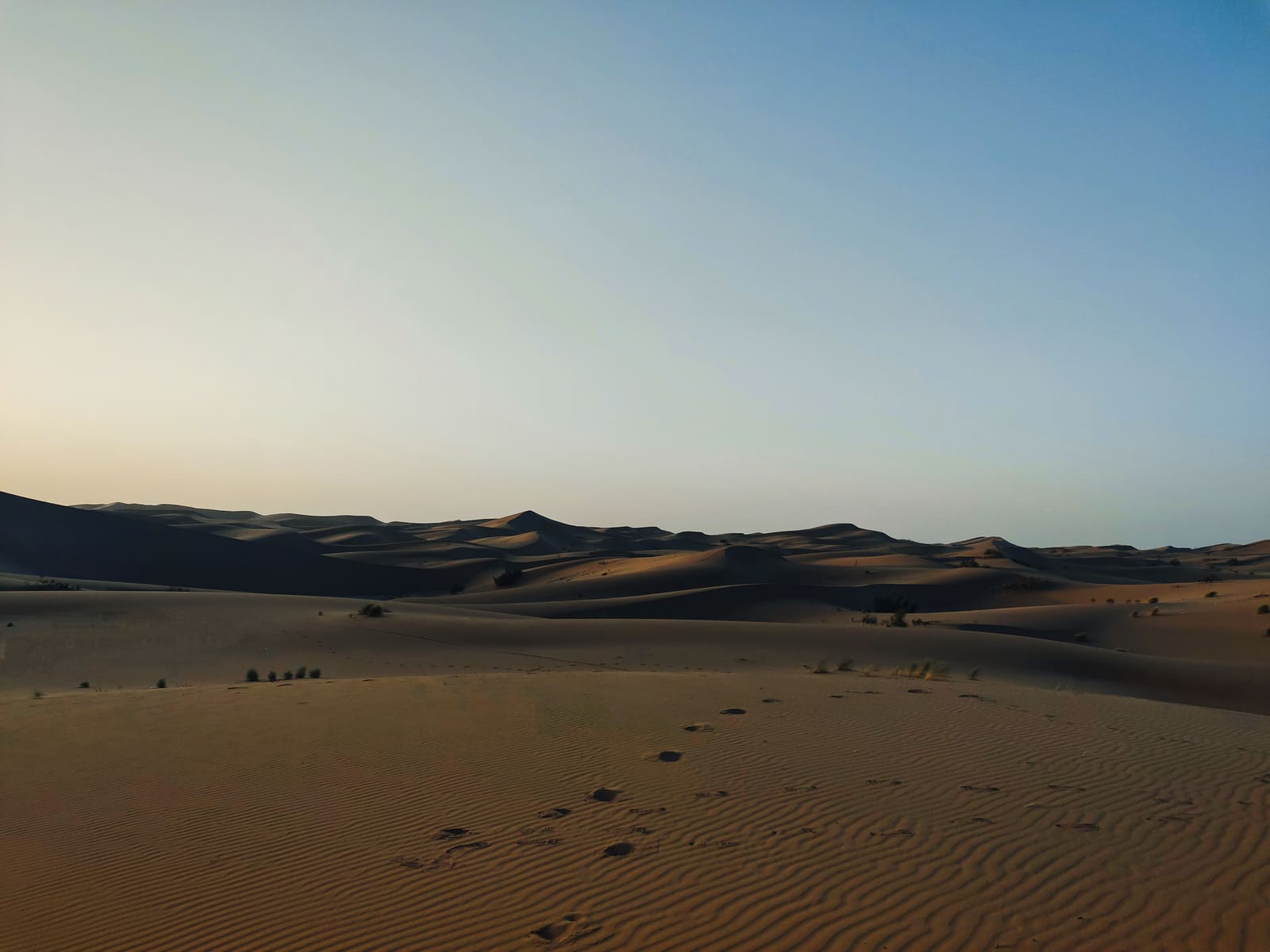
The rocky sparseness of the Agafay desert has long attracted travellers seeking respite from Marrakech's sensory intensity. Habitas, the group that has been establishing minimalist, sustainable eco-retreats since 2016 in locations from Mexico to Namibia to Saudi Arabia, describes its approach as "luxury for the soul."
Their Agafay property comprises 41 Berber-inspired tents and lodges among the lunar dunes. Each tent is solar-powered with eco-bathrooms. The interiors embrace pared-down style: no minibars or televisions, just wooden floors and earthy cream and ochre tones that echo the regional rock. En suite facilities maintain comfort without compromising the minimalist ethos.
Weekenders escaping European cities gather in the communal glass-wrapped lounge, sinking into poufs and Berber rugs. On the semi-open dining veranda, beneath raffia lamps, they eat lamb slow-cooked in the underground oven before moving to the open-air bar. The Atlas Mountains provide the backdrop, along with flame-red sunsets that give way to clear constellations.
The property eschews bells and whistles in favour of communal atmosphere and engagement with nature. There are no elaborate amenities, no spa menu running to twenty pages. Instead, the focus is on tranquillity, conversation, and the cleansing effect of the landscape itself.
Nobu's First African Address
Marrakech marks Nobu's first venture into Africa. The brand's reputation arrives with expectations of good service and exceptional dining, both of which the property delivers. The interiors remain respectful of location, capturing an aesthetic distinct from the brand's Mediterranean properties.
The location permits walks to the medina and souks, while the concierge arranges drivers for further excursions: Atlas mountain tours, desert picnics, cultural experiences including camel rides. The rooftop offers 360-degree views, particularly striking at sunset when the sky casts ombre shades of pink and orange across the city. Watching this while holding a signature cocktail or a serving of mint, poured from an elaborate silver pot, has become a ritual for many guests.
Every bedroom is a suite, bedecked in mahogany wood and rich furnishings. The level of finish is high throughout, from the quality of linens to the attention paid to lighting. The restaurant offering lives up to the Nobu name, blending Japanese techniques with Moroccan ingredients in ways that feel considered rather than gimmicky.
The Royal Mansour Marrakech and the Art of Privacy
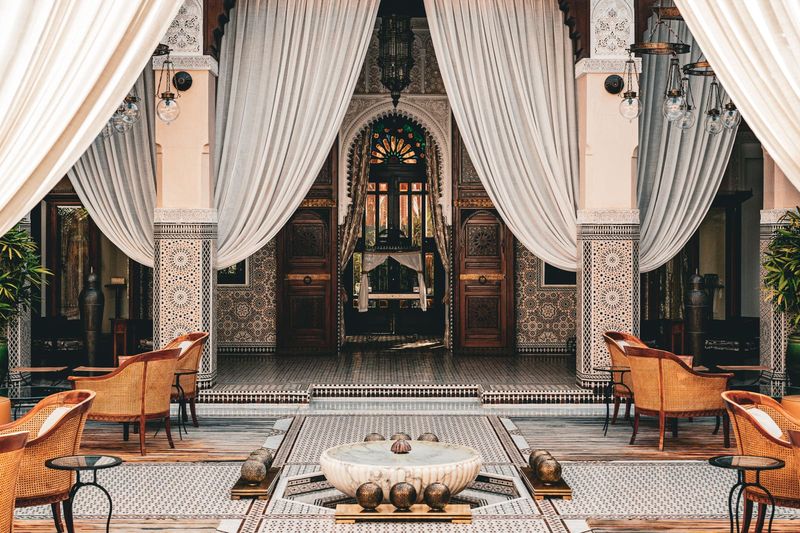
At Royal Mansour Marrakech, located inside the medina, the primary draw is privacy. The property comprises 53 individual three-storey riads, each with its own pool set within lush gardens. King Mohammed VI founded the resort to showcase the best of Moroccan artistry and hospitality. Over three years, 1,200 master craftsmen built what stands as a showpiece of Moroccan decorative art.
Each riad includes a mini courtyard with a canopy that automatically unfurls if rain is detected, a living room, a bedroom with silk-covered walls and hand-painted arched doorways, and a private rooftop terrace with fireplace. Guests are attended by a butler who appears silently through the riad's kitchen service entry, a detail that underscores the property's commitment to discreet service.
Although Djemaa el Fna square sits within walking distance, much keeps guests within this city sanctuary. Indoor and outdoor pools, a spa, and two restaurants, La Grande Table Marocaine and La Grande Table Française, plus La Table, which serves formally presented breakfast and lunch by white-gloved staff. The bath amenities are by MarocMaroc. The level of luxury is consistent and unapologetic.
La Mamounia and the Sunday Poolside Ritual
Charlie Chaplin and Winston Churchill both chose to stay here. Alfred Hitchcock filmed scenes from The Man Who Knew Too Much on the property. Designer Jacques Garcia reinvigorated the interiors, leading to a spectacular reopening in 2009.
The gardens are vast, home to beekeepers, lemon trees, a secret ice-cream parlour, and a pool with a palm tree growing at its centre. The Sunday poolside brunch has become an institution: tagines, grilled fish, pizza flatbreads, popular with families. Dining in Le Marocain is accompanied by the sounds of a traditional oud, an instrument similar to a lute.
For a riad-style stay, three houses sit on the grounds. The rooms with views out to the Koutoubia Mosque and over the rooftops of the Red City offer the strongest sense of place. In the Guéliz neighbourhood, New York designer Martin Raffone's MaisonLAB sells neon earthenware jugs, Berber-style rugs, and baskets, useful for those who want to take a piece of Moroccan design home.
What Lies Ahead
Morocco is preparing to co-host the men's FIFA World Cup in 2030. The infrastructure changes are already visible. A multi-million-dollar rail expansion project will connect Kenitra with Marrakech, via Rabat and Casablanca, making journeys between cities faster and more comfortable. On the hospitality front, Four Seasons is preparing to open an address in Tangier, while Virgin Limited Edition plans a property near Marrakech.
The country's hospitality landscape is shifting. New properties blend sustainability with luxury, artisanal craft with contemporary design. The transformation is not just about adding rooms or raising service standards. It is about redefining what luxury means in a North African context, where centuries-old traditions of hospitality meet modern expectations of comfort and environmental responsibility.
The riads of the medina, the oyster beds of the lagoon, the solar-powered tents of the Agafay, all represent different answers to the same question: how does a place honour its heritage while moving into the future? Morocco's new wave of retreats suggests that the answer lies not in choosing between tradition and innovation, but in finding ways to let them inform one another.