Where the Lattari Mountains Meet the Mediterranean: Discovering the Amalfi Coast Beyond the Postcard
A journey through cliffside villages, centuries-old crafts, and terraced lemon groves where history feels as tangible as the sea breeze.
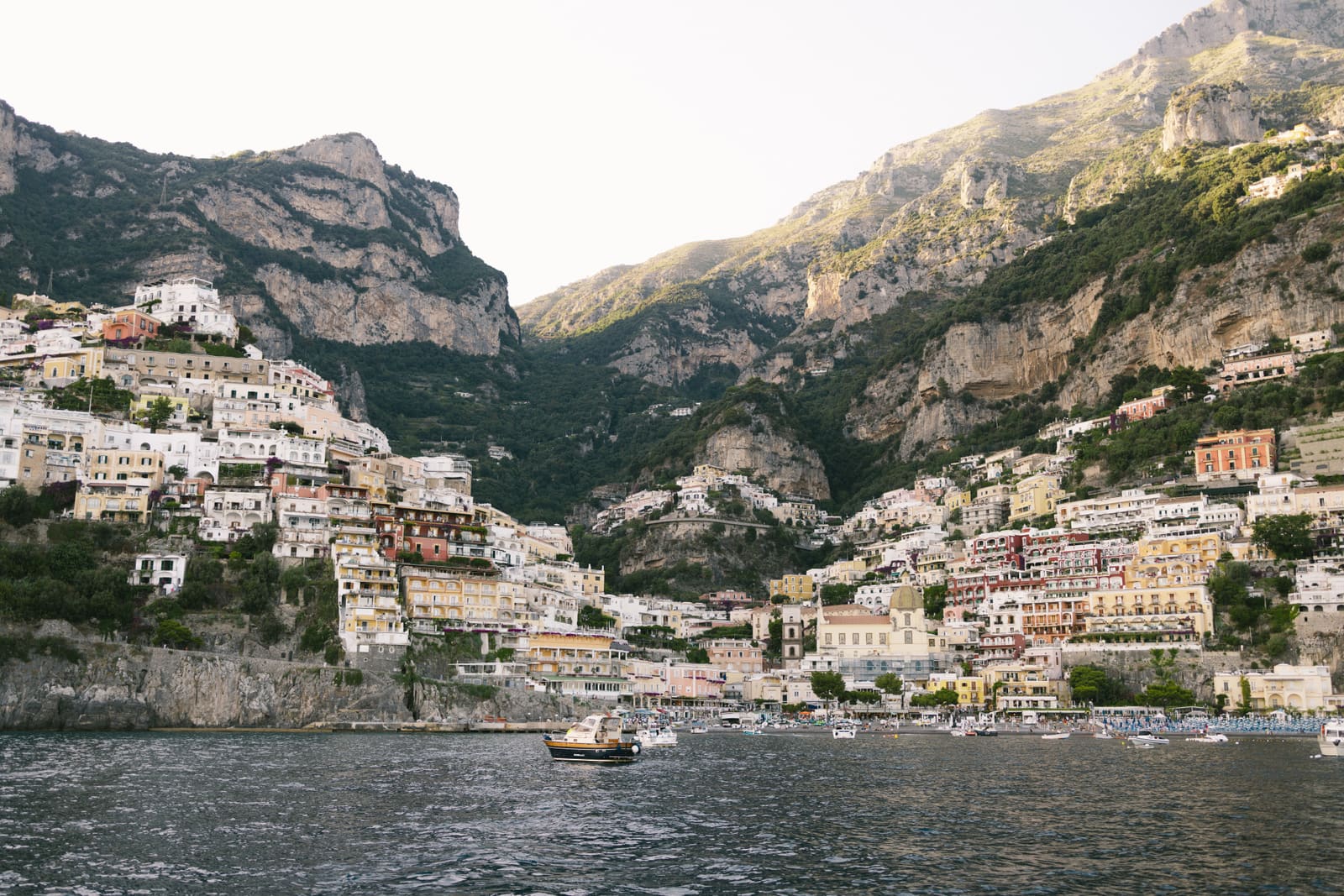
A Landscape as Monument
The hairpin turns that stitch together the Sorrentine Peninsula reveal their secrets slowly. First, the Lattari Mountains appear, their peaks wrapped in forests so dense they might belong to a Pacific atoll rather than southern Italy. Then come the terraces, carved into cliffs over centuries, where olive trees and lemon groves step down towards the sea. The narrow road squeezes past buses on blind corners, and the Mediterranean flickers in and out of view between stone walls and flowering bougainvillea.
This is the approach to Ravello, a village perched high above the water where merchant families built palaces in the Middle Ages and composers came to write. The thirty-mile stretch of Campanian coastline that earned UNESCO recognition does so not merely for its beauty but for the layered history embedded in every terraced hillside and weathered staircase. Arab and Byzantine influences mingle in the architecture. The region's lemons, golden and fragrant, have been cultivated here for generations, their oil and zest woven into the local cuisine and economy alike.
According to UNESCO, the Amalfi Coast's designation stems from this blend of natural drama and cultural continuity. The towns themselves cling to cliffsides in configurations that seem to defy gravity, their pastel facades stacked like building blocks against the rock.
The Weight of Heritage
Alessandro Mansi, owner of Hotel Miramalfi in Amalfi, observes that the destination has evolved beyond its reputation as a scenic retreat. Visitors increasingly seek to understand the craftsmanship, culinary traditions, and historical narratives that underpin the landscape. This shift reflects a broader appetite for depth over surface, for context over spectacle.
The town of Amalfi itself was once one of Italy's four Maritime Republics, alongside Venice, Genoa, and Pisa. That legacy persists in the annual May regatta, when traditional galleons representing each city compete on the water. The thousand-year-old cathedral anchors the historic centre, its facade a riot of pattern and colour. Nearby, the Museo della Carta occupies a thirteenth-century paper mill, offering a window into the region's medieval papermaking tradition. At La Scuderia del Duca, handmade paper is displayed with the reverence typically reserved for fine art.
Mariella Avino, co-owner and managing director of Palazzo Avino in Ravello, credits the local population with preserving the area's character. The villages, she notes, remain authentic in atmosphere because the people who live here year-round are conscious stewards of their heritage. This is not a place that has been hollowed out by tourism, but rather one where daily life and visitor experience coexist, sometimes uneasily, but with a sense of continuity.
Moving Through the Coast
The Amalfi Drive connects most of the thirteen towns that dot this stretch of coastline, from Vietri sul Mare in the east to Positano in the west. Whilst the route is celebrated for its vistas, navigating it requires familiarity with narrow mountain roads and the particular temperament of Italian driving. For those disinclined to rent a car, ferries, taxis, and the SITA SUD bus line offer alternatives.
There is also the Path of the Gods, a 4.3-mile trail that once served as a shepherd's route. It traces the high ridge above Positano, culminating in a descent of 1,700 stone steps worn smooth by centuries of footfall. The hike offers a different perspective on the landscape, one that privileges the walker's pace and the quiet observation of terraced fields and distant water.
Terraces, Workshops, and Gardens
Vietri sul Mare, at the eastern edge of the coast, has produced ceramics for centuries. Small workshops and family-run factories continue to hand-paint pieces today, their designs rooted in local tradition yet adaptable to contemporary tastes. In Ravello, Pascal Ceramiche d'Arte and Bottega Eva Caruso offer handcrafted ceramics and artisan sandals respectively, objects that carry the mark of individual makers.
Carla Sersale, co-owner of Le Sirenuse and founder of homeware line Emporio Sirenuse, points to Ravello's long association with artists, musicians, and writers. Richard Wagner famously composed part of Parsifal here, inspired by the gardens of Villa Rufolo. That creative atmosphere, she suggests, has not dissipated.
Villa Cimbrone's botanical gardens represent one of southern Europe's finest examples of English landscaping. The Terrace of Infinity, a belvedere crowned with marble busts, rises nearly 1,200 feet above the sea. Members of the Bloomsbury Group, including Virginia Woolf, once gathered at the villa, drawn by its combination of natural beauty and cultivated tranquillity. After wandering the rose gardens and medieval cloister, visitors might seek refreshment at Baffone Gelateria Artigianale in town, or travel to Amalfi for Pasticceria Pansa's delizia al limone, a dome-shaped sponge cake filled with lemon cream.
Where the Sea Meets the Social
Beach clubs along the Amalfi Coast favour restraint over ostentation. Le Sirenuse Mare, a five-year project from the Le Sirenuse hotel, exemplifies this approach. Guests arrive by boat and linger until sunset, moving between sunbeds on the tiered beach club, lunch under pergolas, and gelato or granita in the Dolce Far Niente Bar. The menu features caviar-topped langoustine carpaccio alongside other preparations that emphasise local seafood and produce. An outpost of Emporio Sirenuse offers caftans and accessories inspired by the surrounding landscape.
Palazzo Avino's Clubhouse by the Sea occupies a different register. A fifteen-minute drive from the main hotel, the club is tucked into the rocky shoreline, its intimate gardens and sunbeds affording views of yachts and vintage Riva boats cruising past. Freshly baked pizzas and seafood pasta are served throughout the day, the setting as integral to the experience as the food itself.
Staying Among History
Accommodation along the coast ranges from converted convents to centuries-old palaces. Many of these properties occupy buildings with aristocratic or ecclesiastical pasts, their histories layered into frescoed ceilings and antique furnishings.
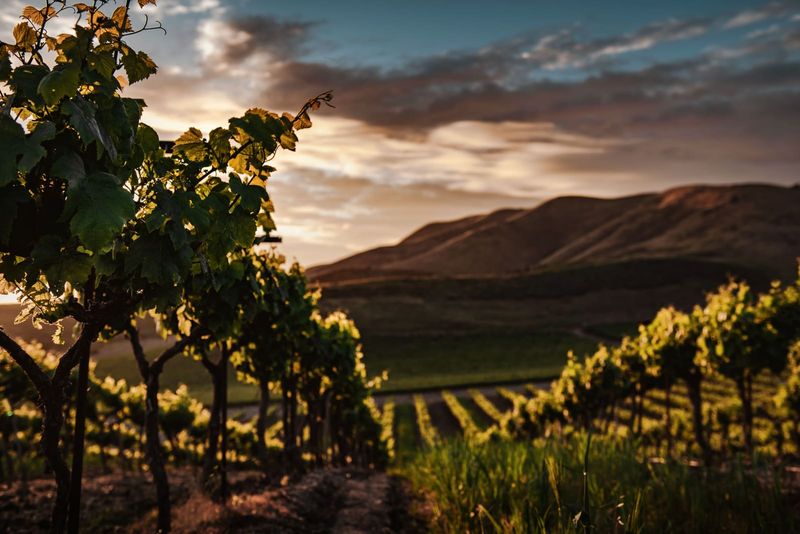
Caruso, A Belmond Hotel, unfolds within the foundations of the eleventh-century Palazzo d'Afflitto in Ravello. Its fifty rooms and suites retain the atmosphere of the original palace whilst incorporating contemporary amenities. The hotel's infinity pool, part of the La Piscina private social club, overlooks terraced gardens of lemon trees and vineyards, the sea beyond.
Next door, Palazzo Avino's roots stretch back to the Middle Ages and Renaissance. The hotel's terraces descend towards a heated pool, shaded by cotton candy pink-striped parasols. Guests often order lunch directly to their loungers, reluctant to leave. In the evening, the Lobster & Martini Bar offers a menu of one hundred martini variations, best enjoyed on the terrace as the sky shifts to shades of rose. A short journey to the neighbouring town of Scala brings diners to Trattoria da Lorenzo, where tubetti ai totani, seafood pasta with fresh squid, is a local favourite.
Monastero Santa Rosa occupies a seventeenth-century convent near Amalfi. Its twenty rooms, many converted from the nuns' original quarters, are accented with antiques that nod to the building's contemplative past. The property's old-world interiors contrast with contemporary spa facilities and terraced gardens that cascade towards the water.
Borgo Santandrea, visible from the sea, presents a midcentury modern aesthetic. Built into the cliffs, the hotel's arches and stairways lead down to Marinella Beach, one of the few private stretches of sand in the region. A private dock accommodates arrivals by boat from Naples or Salerno.
Positano and Beyond
The vertical town of Positano rises in tiers above the water, its buildings stacked in colourful profusion. Le Sirenuse, now run by three generations of the same family, occupies a prominent position, its rouge facade unmistakable. Franco's Bar serves aperitivo with views, whilst La Sponda offers dinner amidst a setting of candlelight and stacked architecture.
Nearby, Il San Pietro houses the Michelin-starred restaurant Zass, which sources ingredients from the hotel's vegetable garden and local producers. The property's tennis court, built between the rocks and the sea, is frequently cited as one of the world's most beautifully situated.
Villa Treville, a boutique property spread across four villas, was originally the home of Italian film director Franco Zeffirelli. Its sixteen rooms afford a sense of seclusion, the property intimate enough to feel private even when fully occupied.
In Amalfi, Hotel Miramalfi has carved a natural beach club into the cliffside, with a saltwater pool etched into the rocks and terraces lined with sunbeds descending to the water. A ladder provides direct access to the sea. Azur Lounge, the property's Mediterranean restaurant, hovers above the water, its terrace offering both culinary and visual sustenance.
The Rhythm of Place
To visit the Amalfi Coast outside the peak summer months is to encounter a slightly different rhythm. Spring and early autumn bring festivals and milder temperatures, the light softer, the crowds thinner. The terraced lemon groves remain, the Byzantine arches endure, and the sea continues its conversation with the cliffs.
What distinguishes this stretch of coastline is not novelty but continuity. The same families that have tended vineyards for generations still harvest grapes. Ceramicists in Vietri sul Mare still paint by hand. The Path of the Gods still traces its ancient route above Positano. In an era that often privileges the new over the enduring, the Amalfi Coast offers something increasingly rare: a landscape where history is not merely preserved but lived, where the past informs the present without constraining it, and where beauty is inseparable from the labour and craft that have shaped it over centuries.