The Desert's New Muse: How Dubai Learned to Dream in Three Dimensions
Between the dunes and the skyscrapers, a city once synonymous with superlatives is quietly cultivating a language of form, texture, and narrative.
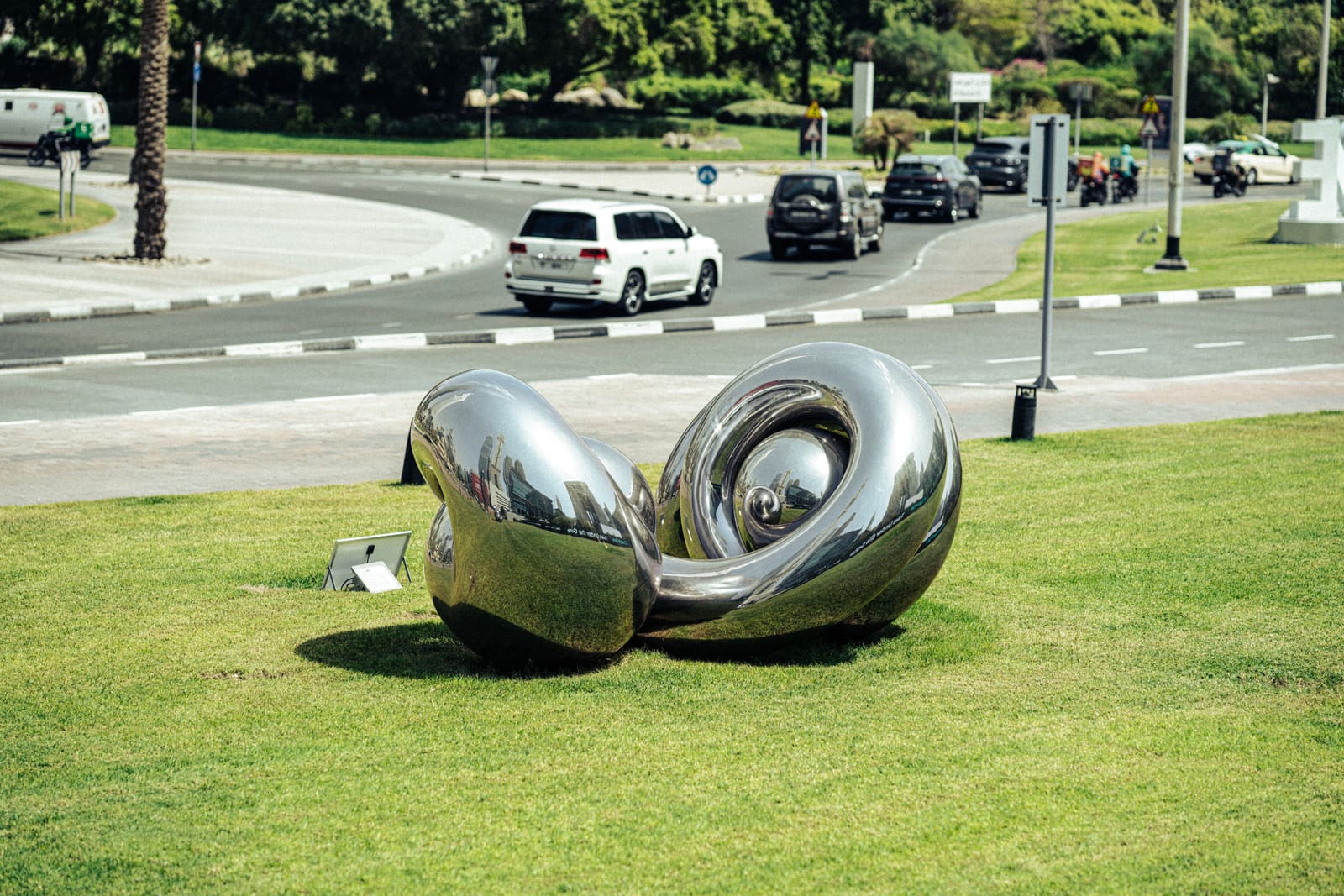
A City Rewriting Its Own Story
Stand at the edge of Alserkal Avenue on a Friday afternoon and the scene unfolds like a page from a very different script. Industrial warehouses, their steel bones exposed, house galleries showing video installations and kinetic sculpture. Young Emiratis in kanduras browse alongside expatriate collectors; the air smells faintly of cardamom from a pop-up café tucked between exhibition spaces. This is not the Dubai of fountain shows and gold-vending machines. It is quieter, more curious, and far more interested in what happens when a city decides to grow inward as well as upward.
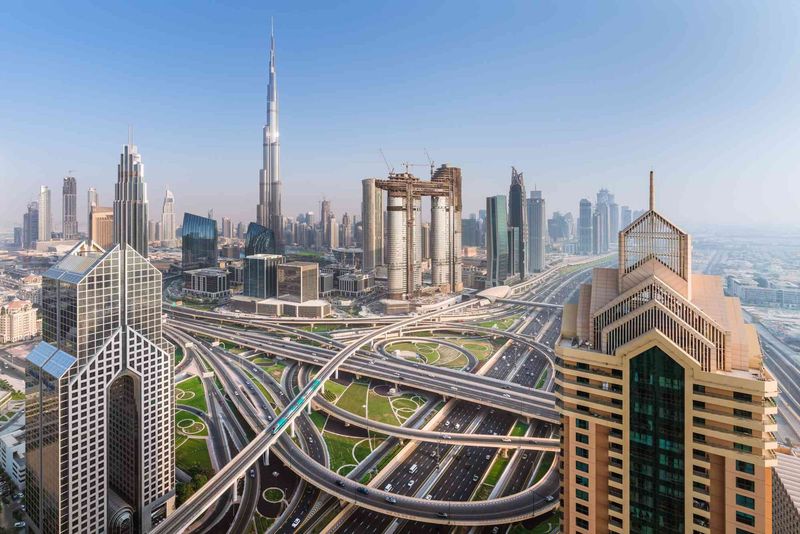
Over the past decade, the emirate has assembled the infrastructure of a design capital with the same methodical ambition it once reserved for record-breaking towers. The result is a landscape in which cultural institutions, independent creative districts, and a new generation of hospitality projects are beginning to form a coherent whole, one that privileges experience and materiality over sheer spectacle.
The Museum That Refuses to Sit Still
The Museum of the Future, which opened its doors in early 2022, remains the most visible symbol of this shift. Its torus form, clad in stainless steel and inscribed with Arabic calligraphy by the Emirati artist Mattar bin Lahej, is less a building than a three-dimensional manifesto. Inside, the exhibition floors eschew traditional display cases in favour of immersive environments that explore climate adaptation, space colonisation, and the future of human perception.
What distinguishes the museum is not its technological flourish but its willingness to frame design as a tool for speculative thinking. Visitors move through chambers that feel part laboratory, part meditation space, encountering prototypes for vertical farms and interfaces that respond to gesture and breath. The architecture, designed by Killa Design, makes no attempt to disappear; instead, it insists that form itself can be a carrier of meaning, a way of asking questions rather than simply housing answers.
Where the Galleries Gather
Alserkal Avenue has become the de facto heart of Dubai's independent art scene, a cluster of more than seventy galleries, studios, and concept spaces occupying former aluminium and marble warehouses in the Al Quoz industrial district. The area's appeal lies partly in its texture: concrete floors, high ceilings, the kind of unfinished surfaces that allow art to breathe without competition from its surroundings.
Institutions such as Carbon 12, Lawrie Shabibi, and The Third Line have helped establish the avenue as a serious destination for contemporary art from the Middle East, North Africa, and South Asia. Exhibitions rotate frequently, and the programming extends beyond visual art to include design talks, experimental music performances, and collaborations with architecture collectives. It is a space that rewards curiosity, and its relative remove from the city's commercial core gives it a sense of autonomy rare in a metropolis so tightly choreographed.
Dubai Design Week and the Rhythm of the Calendar
Each November, Dubai Design Week transforms the city into a sprawling showcase for regional and international talent. Launched in 2015, the event has grown into a multi-venue affair, with installations appearing in public squares, hotel lobbies, and purpose-built pavilions. The centrepiece is Downtown Design, a trade fair that draws manufacturers, independent studios, and material innovators from across the Gulf and beyond.
What gives the week its character is the emphasis on local production and craft traditions. Exhibitions often feature collaborations between Emirati artisans and international designers, exploring techniques such as sadu weaving, palm-leaf basketry, and ceramic glazing methods adapted from historic kilns. The programming is uneven, as with any large-scale design festival, but the intent is clear: to position Dubai not merely as a consumer of global design but as a site of active production and dialogue.
Hospitality as a Laboratory for Ideas
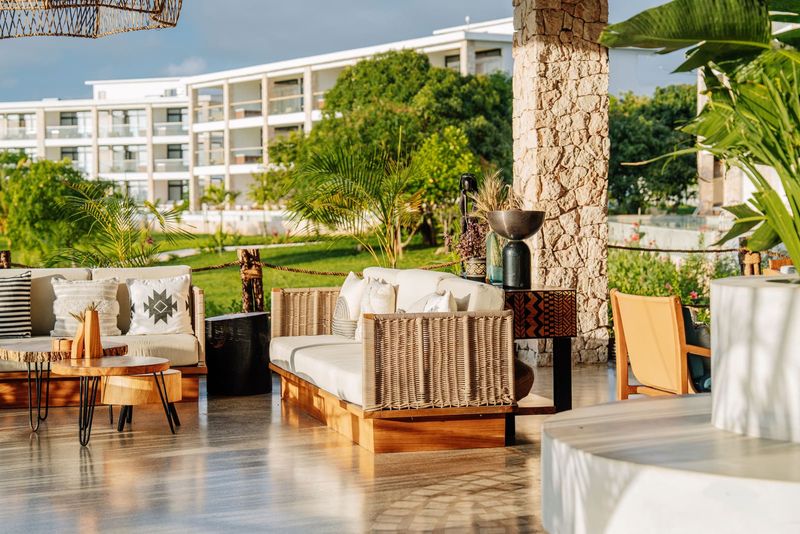
The city's hotel landscape has become an unexpected testing ground for spatial experimentation. Recent openings reflect a move away from maximalist interiors towards a more restrained, material-focused aesthetic. Projects such as the Edition in Downtown Dubai, designed by Ian Schrager's team, employ muted palettes, custom furnishings, and lighting schemes that shift throughout the day. The result is an environment that feels calibrated rather than decorated, where every surface has been considered for its tactile and atmospheric contribution.
Elsewhere, boutique properties are beginning to emerge, often led by Emirati developers with an interest in local context. These hotels incorporate elements such as wind-tower-inspired ventilation, courtyards that recall traditional majlis spaces, and collaborations with regional artists for site-specific commissions. The shift is subtle but significant: hospitality is no longer simply a backdrop for luxury but a medium through which design ideas can be tested and refined.
The Dining Rooms That Double as Galleries
Dubai's restaurant scene has long been defined by celebrity chefs and imported concepts, but a parallel track is emerging, one in which interior design and culinary philosophy are given equal weight. Venues such as Reif Kushiyaki, Teible, and Orfali Bros Bistro occupy spaces that feel more like studios than dining rooms, with open kitchens, unfinished concrete, and furniture sourced from local makers.
The emphasis is on materiality and craft, both in the food and in the environments that frame it. Plates arrive on handmade ceramics; tables are often salvaged wood or polished stone. The experience is less about opulence than about attention, a recognition that design operates at every scale, from the shape of a chair to the curve of a spoon. It is a sensibility that aligns with the broader shift in the city's creative identity, one that values nuance and narrative over sheer impact.
What Lies Beneath the Surface
Dubai's transformation into a design capital is neither complete nor without contradiction. The city remains a place of stark contrasts, where experimental galleries exist blocks away from shopping malls that could swallow small towns. Labour practices in the construction industry continue to draw scrutiny, and the question of how a city built so rapidly can cultivate genuine creative depth is far from settled.
Yet the infrastructure is in place, and the momentum is real. Independent designers are choosing to base themselves in the emirate, drawn by the combination of regional access, relatively light regulation, and a growing network of fabricators and material suppliers. Educational institutions are expanding their design programmes, and the government has signalled continued investment in cultural projects, including the forthcoming Abrahamic Family House and expansions to existing museum campuses.
The city's design identity is still being written, shaped by the tension between its global ambitions and its regional roots. What is clear is that Dubai is no longer content to be defined solely by its skyline. It is learning to think in three dimensions, to value the space between buildings as much as the buildings themselves, and to recognise that a city's creative life is measured not in records broken but in the quality of attention it cultivates. For travellers willing to look past the postcard imagery, that shift is worth witnessing firsthand.