Where to Stay, Eat, and Discover in Paris Beyond the Postcard
A city that rewards return visits with layers of experience the first-time itinerary rarely uncovers.
The City That Refuses to Simplify
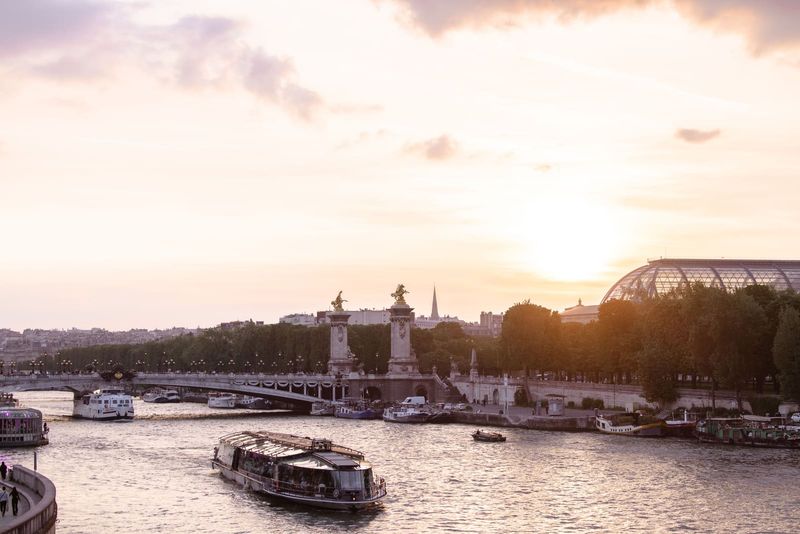
The light over the Seine at seven in the morning has a particular quality, softer than the brochures suggest, and the cafés along rue de Rivoli begin filling before most tourists have opened their curtains. Paris operates on multiple frequencies. The first-time visitor sees the Eiffel Tower and the Louvre; the returning traveller begins to notice the small galleried courtyards in the Marais, the way certain streets in the 10th arrondissement smell of cardamom and roasting coffee, the vintage booksellers who open only on Thursdays.
Understanding Paris requires accepting that it will not reveal itself all at once. The city's appeal lies not in a single landmark but in the accumulation of detail: a particular bakery's approach to the croissant, a hotel lobby that feels like a private salon, a restaurant where the chef has been refining the same dish for twenty years.
Where to Sleep Without Feeling Like a Guest
Luxury in Paris has shifted. The grand palace hotels remain, polished and imposing, but a newer category of property has emerged over the past decade, places that prioritise atmosphere over ostentation. These are hotels where the concierge knows your name by the second morning, where the bar feels like an extension of someone's exceptionally well-appointed drawing room.
In the 8th arrondissement, a handful of boutique establishments occupy Haussmannian buildings that have been stripped back to their bones and rebuilt with a contemporary sensibility. Original mouldings meet custom furniture; breakfast is served until noon. The rooms are smaller than their palace counterparts but configured with a logic that makes the space feel generous. Bathrooms are clad in stone, lighting is indirect, and the minibar is stocked with items you might actually want.
The Marais offers a different register. Here, hotels occupy former ateliers and merchant houses, buildings with irregular floor plans and staircases that turn at unexpected angles. The aesthetic is quieter, more understated, with an emphasis on natural materials and muted tones. Some properties include interior courtyards where breakfast is served under a retractable glass roof; others have rooftop terraces that overlook the tangle of medieval streets below.
For those seeking something outside the central arrondissements, the 10th and 11th have seen a wave of openings in recent years. These are smaller operations, often family-run, where the design leans towards mid-century modernism and the neighbourhood outside the door is resolutely local. Markets, not museums. Wine bars, not champagne lounges.
Eating Well Requires Knowing Where to Look
The restaurant landscape in Paris has undergone a quiet transformation. The old guard remains, naturally, but the most compelling tables today are often the ones that reject the rigid structures of classical French cuisine in favour of something more intuitive.
A number of chefs trained in Michelin-starred kitchens have opened smaller, more personal projects in recent years, often in arrondissements that were previously considered off the culinary map. These are restaurants with twenty covers, open kitchens, and menus that change daily based on what arrives from suppliers that morning. The cooking is precise but not precious, informed by technique but not enslaved to it.
In the 11th arrondissement, a handful of such places have become difficult to book without planning weeks in advance. The interiors are minimal, almost austere, which places the focus squarely on the plate. Dishes might include a single perfectly grilled fish with nothing more than olive oil and sea salt, or a vegetable preparation that makes you reconsider what carrots or turnips are capable of achieving.
The natural wine movement has taken hold across the city, and many of the most interesting restaurants now pour exclusively low-intervention bottles. This is not a gimmick but a philosophy, one that extends to sourcing ingredients from small producers and treating each element on the plate with respect. The sommeliers at these establishments are often as knowledgeable as the chefs, capable of guiding you through a list that includes obscure appellations and grapes you have never heard of.
Bistros, too, have evolved. The platonic ideal of the Parisian bistro, with its zinc bar and handwritten menu, still exists, but the food has become more ambitious. Chefs are reworking classic dishes with better ingredients and a lighter hand, producing versions of steak frites or blanquette de veau that feel both familiar and revelatory.
The Pleasure of Hunting for What Already Exists
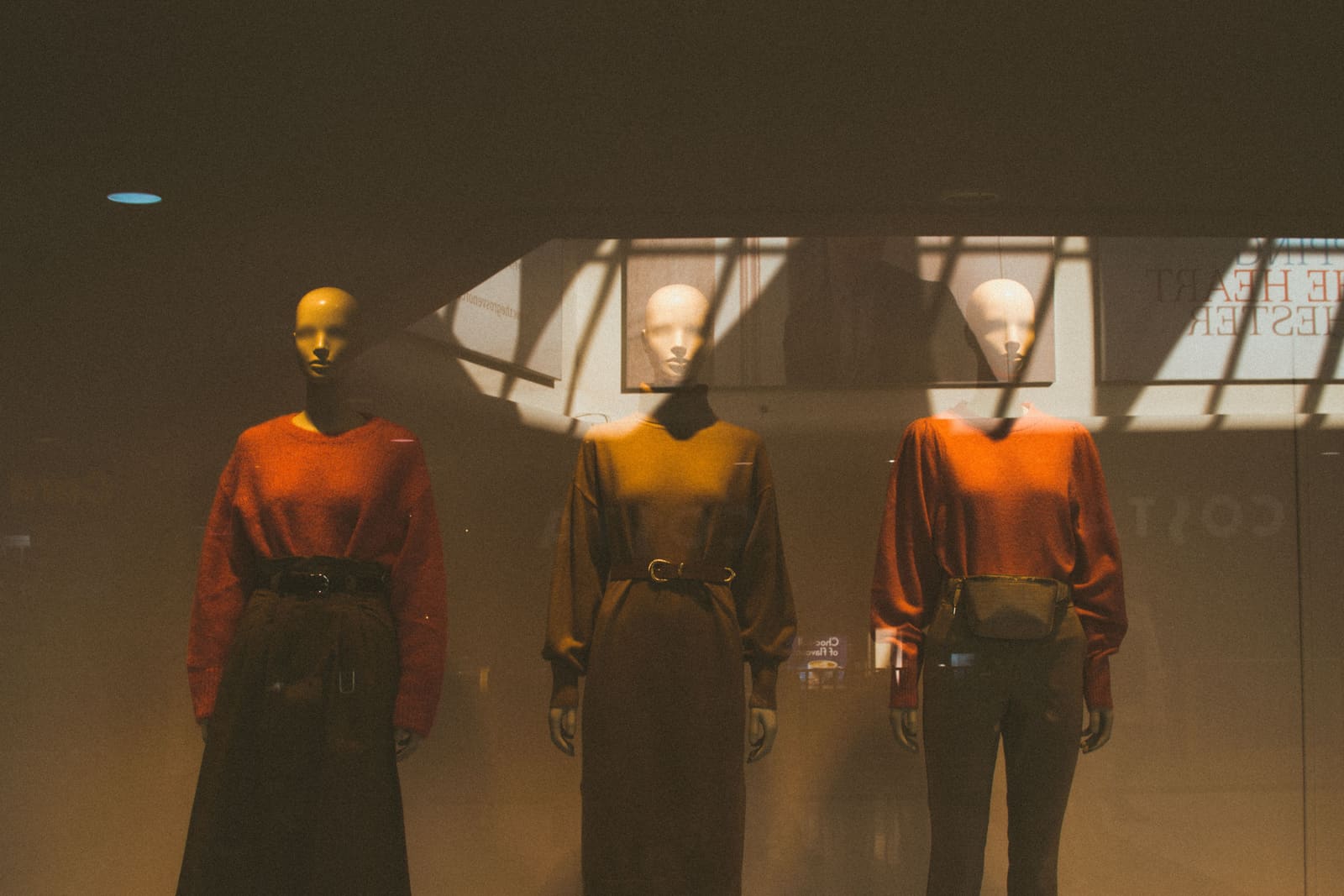
Vintage shopping in Paris is a serious pursuit. The city's flea markets and second-hand boutiques are not quaint diversions but legitimate sources of museum-quality fashion, furniture, and decorative objects. Knowing where to look separates the casual browser from the committed collector.
The Marché aux Puces de Saint-Ouen, on the northern edge of the city, remains the largest and most varied of the flea markets. It is not a single market but a collection of smaller ones, each with its own character. Some stalls specialise in mid-century furniture, others in Art Deco lighting or vintage Hermès scarves. The key is to arrive early, before the crowds, and to be prepared to dig. The best pieces are rarely displayed prominently.
Within the city itself, the 6th and 7th arrondissements are home to a concentration of vintage boutiques that cater to a more discerning clientele. These are not thrift shops but carefully curated spaces where each item has been vetted for quality and provenance. You will find Chanel jackets from the 1980s, YSL pieces from the 1970s, and accessories from houses that no longer exist. Prices reflect the rarity and condition of the goods, but the selection is unmatched.
The 3rd arrondissement has emerged as a hub for younger, more experimental vintage dealers. The shops here tend towards streetwear and avant-garde labels from the 1990s and early 2000s, alongside a smattering of older pieces. The atmosphere is less formal, the staff more willing to engage in conversation about provenance and styling.
Landmarks That Earn Their Status
Certain monuments in Paris are unavoidable, and rightly so. The challenge is approaching them in a way that allows for genuine engagement rather than obligatory box-ticking.
The Musée d'Orsay, housed in a former railway station, offers a more manageable scale than the Louvre and a collection that spans the late 19th and early 20th centuries. The impressionist galleries on the top floor are justly famous, but the ground-floor sculpture halls are often overlooked and provide a quieter, more contemplative experience.
Sainte-Chapelle, tucked within the Palais de la Justice on the Île de la Cité, is a Gothic masterpiece that rewards the effort required to visit. The stained glass, when lit by afternoon sun, creates an environment that feels less like a church and more like standing inside a jewel. Arriving early or late in the day minimises the crowds and allows for a more immersive experience.
The Promenade Plantée, a 4.7-kilometre elevated park built on a former railway viaduct, predates New York's High Line by more than a decade and offers a different kind of urban experience. The path runs from the Bastille to the Bois de Vincennes, passing through tunnels, over bridges, and alongside residential buildings. It is a space used primarily by locals, which gives it a lived-in quality absent from more tourist-heavy sites.
Neighbourhoods That Reveal Themselves Slowly
The 10th arrondissement has become one of the city's most dynamic areas, a neighbourhood where long-established immigrant communities coexist with newer arrivals drawn by relatively affordable rents and a creative energy. The Canal Saint-Martin, once a neglected waterway, is now lined with cafés and independent shops, though it retains a relaxed, unpretentious atmosphere. Side streets reveal Moroccan bakeries, Vietnamese pho counters, and wine bars that open directly onto the pavement.
The 18th, beyond the tourist crush of Montmartre, offers a grittier, more authentic slice of Parisian life. The markets along Boulevard de la Chapelle are among the most vibrant in the city, with vendors selling everything from West African textiles to fresh seafood. The area around Château Rouge is particularly rich in culinary diversity, with restaurants representing cuisines from across the Francophone world.
The 13th arrondissement, often dismissed by guidebooks, has quietly become one of the city's most interesting quarters. The Asian community centred around Avenue d'Ivry has created a dense network of restaurants, bakeries, and grocery stores that offer some of the best Chinese and Southeast Asian food in Europe. The towers of the 1970s-era development project loom overhead, giving the area a distinctly non-Parisian aesthetic that some find jarring and others find refreshing.
The Practicalities That Make the Difference
Paris is a walking city, and the métro, for all its quirks, remains the most efficient way to cover longer distances. The Navigo pass, available for visitors, provides unlimited travel across all zones and eliminates the need to puzzle over ticket machines.
Restaurant reservations are essential, particularly for dinner. Many of the smaller, more acclaimed establishments open their books exactly one month in advance, and popular slots fill within hours. Lunch, by contrast, is often easier to secure and can provide the same quality of cooking at a lower price point.
Tipping is not expected in the same way it is in the United States. Service is included in the bill, though rounding up or leaving a few euros for exceptional service is appreciated. In cafés, payment is made at the table, not at the counter, and lingering over a single coffee for an hour is not only acceptable but encouraged.
Markets operate on fixed schedules, and knowing which days they run can determine the rhythm of your visit. The Marché d'Aligre, in the 12th arrondissement, runs Tuesday through Sunday and offers a mix of produce, cheese, charcuterie, and North African specialities. The Marché des Enfants Rouges, the city's oldest covered market, is open Tuesday through Sunday and includes prepared food stalls where you can eat lunch standing at a shared counter.
A City That Resists Completion
Paris does not lend itself to the checklist approach. The longer you spend, the more it unfolds, revealing layers that were invisible on the first pass. A street you walked a dozen times suddenly offers a courtyard you never noticed, a restaurant that was closed last visit is now open and serving the best duck you have had in years, a vintage shop has just acquired a collection from an estate sale that includes pieces from the 1960s Courrèges line.
The city's enduring appeal lies in this resistance to being fully known. There is always another arrondissement to explore, another market to visit, another chef who has just opened a place worth seeking out. Paris rewards the patient, the observant, and those willing to return.