
Where to Stay in Rwanda for Gorillas, Giraffes, and Chimpanzees
The right lodge transforms a wildlife encounter into an immersion - here's how to choose yours in East Africa's most surprising sanctuary.
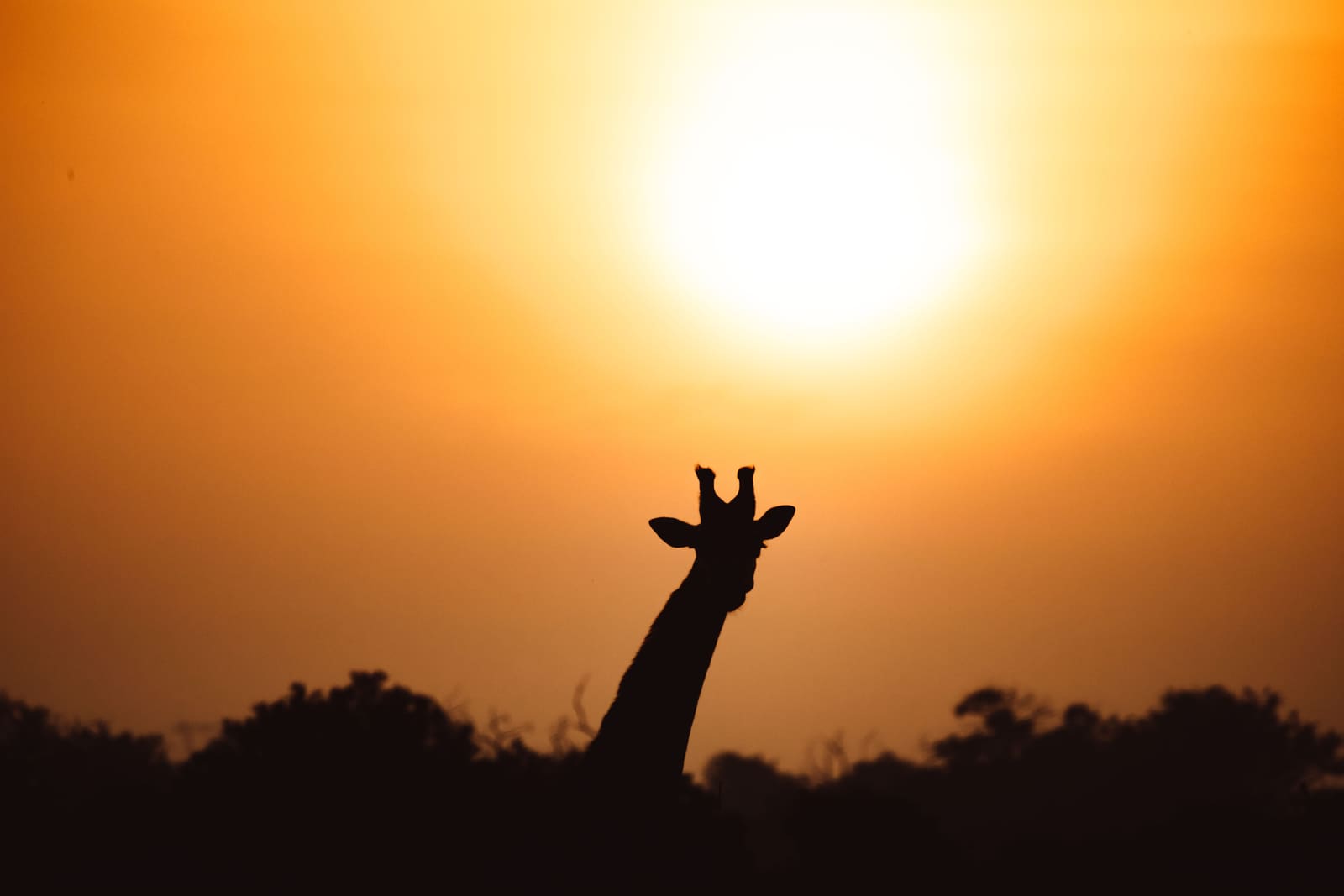
A Country Rebuilt Around Conservation
Rwanda has rewritten its own story in the space of three decades. The nation that once made headlines for tragedy now draws travellers who seek something rarer than spectacle: proximity to mountain gorillas in mist-draped forest, the chance to walk among Rothschild's giraffes on open savannah, the rustle of chimpanzees overhead in Nyungwe's canopy. The infrastructure that makes these encounters possible - lodges perched at altitude, guides trained in both ecology and hospitality - is the product of deliberate investment in conservation tourism, a model that treats wildlife as both heritage and economic engine.
Planning a journey here is less about ticking boxes than about matching terrain to temperament. The country is small enough to traverse in a day by road, yet its ecosystems range from montane rainforest to papyrus swamp to acacia woodland. Where you sleep determines not only what you see but how you see it: whether you wake to the calls of colobus monkeys or the silhouette of volcanoes, whether your afternoon is spent on foot or in a 4x4, whether the evening unfolds around a fire or a terrace overlooking Lake Kivu.
The Volcanoes and the Lodges That Serve Them
Volcanoes National Park, in the northwest, is synonymous with gorilla trekking. Permits are limited, expensive, and booked months in advance, which means the lodges clustered at the park's edge cater to guests who have already committed to the experience. The best of them understand that a trek into the Virungas - often steep, sometimes muddy, always unpredictable in duration - requires both preparation and recovery.
Proximity matters. Lodges within a short drive of the park headquarters in Kinigi allow for early starts and reduce the risk of missing a briefing. But proximity alone is not enough. The lodges that earn their reputation offer more than convenience: naturalist-led walks on their own grounds, libraries stocked with field guides, staff who can explain the social structure of the gorilla families you are about to meet. Some properties incorporate traditional Rwandan architecture - thatched roofs, woven screens, volcanic stone - while others lean towards contemporary design with floor-to-ceiling glass and heated floors. The choice is aesthetic, but it is also philosophical: whether you want to feel embedded in the landscape or elevated above it.
Akagera and the Return of the Savannah
Akagera National Park, in the east along the Tanzanian border, is Rwanda's answer to the classic East African safari. Lions were reintroduced in 2015, black rhinos in 2017, completing the Big Five and signalling the park's transformation from a diminished reserve to a functioning ecosystem. The landscape here is different: rolling hills, acacia thickets, a chain of lakes fringed with papyrus where hippos surface at dusk.
Lodges in Akagera are fewer and more rustic than their counterparts in the northwest. Tented camps offer the advantage of immersion - canvas walls, the sounds of the bush at night, the sense of being a guest rather than an observer. Game drives are the primary activity, typically at dawn and late afternoon when light is soft and animals are active. Giraffes, in particular, have flourished here; Rothschild's giraffes, a subspecies once confined to Uganda and Kenya, were translocated to Akagera in recent years and now move in loose herds across the park's northern plains.
The lodges that work best in Akagera are those that embrace simplicity without sacrificing comfort: solar-powered lighting, open-air dining, guides who know the individual animals and can track a pride of lions by the freshness of their prints. This is not luxury in the gilded sense but in the sense of being exactly where you need to be, with nothing extraneous.
Nyungwe and the Canopy
Nyungwe Forest National Park, in the southwest, is the least visited of Rwanda's three major parks and the most demanding. The forest is ancient, dense, and wet - one of the largest montane rainforests in Africa. Chimpanzees are the headline attraction, but the park is also home to 13 other primate species, including the Rwenzori colobus, which moves in troops of several hundred individuals, a rare sight anywhere on the continent.
Trekking in Nyungwe is not for the casual visitor. Trails are steep, often slippery, and chimpanzees, unlike gorillas, do not stay still. A morning trek can stretch into afternoon if the chimps move deeper into the forest. The lodges near Nyungwe - most are located along the road that bisects the park - tend to be smaller and quieter than those in the north. What they offer is a different kind of luxury: the luxury of silence, of waking to mist, of evenings spent listening to the forest rather than to other guests.
The canopy walkway, suspended 50 metres above the forest floor, is Nyungwe's signature experience. It is not a thrill ride but a vantage point, a way to see the forest as the primates do, from above. The lodges that understand Nyungwe are those that build time into the itinerary - time to walk slowly, to sit, to let the forest reveal itself.
Lake Kivu and the Pause Between Parks
Lake Kivu, one of Africa's Great Lakes, forms Rwanda's western border with the Democratic Republic of the Congo. The lake is deep, clear, and free of the parasites that make swimming inadvisable in most African lakes. The towns along its shore - Gisenyi, Kibuye, Cyangugu - serve as waypoints for travellers moving between parks, but the lake deserves more than a night in transit.
Lodges here range from colonial-era hotels with wide verandas to boutique properties with private beaches. The rhythm is slower: mornings on the water, afternoons in a hammock, evenings that stretch long over dinner. For travellers who have spent days trekking in altitude and heat, Lake Kivu offers a necessary counterpoint - a place to rest, to swim, to do nothing in particular.
Choosing a Lodge as You Would Choose a Lens
The question is not which lodge is best but which lodge is right for the journey you are building. A property that excels at hosting gorilla trekkers may be too remote for someone who wants to combine wildlife with cultural visits to Kigali. A tented camp in Akagera may be perfect for a traveller who wants to fall asleep to the sound of lions but wrong for someone who prefers a solid roof and a bathtub.
The lodges that matter in Rwanda are those that understand their role: not as destinations in themselves but as instruments of access, as places that make it possible to be in the forest at dawn, on the savannah at dusk, in the canopy when the light is right. They are the infrastructure of encounter, and the best of them disappear into the experience they enable.
- DESTINATIONSThe Thatched Villages of Shirakawa-go Under Winter's Deepest Snows
- DESTINATIONSThe Maldives Beyond the Postcard: Planning a Journey to the Indian Ocean's Most Elusive Archipelago
- DESTINATIONSBeyond the Capital: Fukuoka, Kobe and Osaka Redefine Japan's Urban Appeal
- DESTINATIONSThe Island That Traded Midnight for Moonlight