Where to Find December Light When the Days Turn Cold
Seven travel specialists, asked independently about their holiday-season escape, pointed to the same latitude and the same instinct.
The Consensus That Surprised No One
There is a particular kind of fatigue that sets in around mid-November in the northern hemisphere, when the clocks have turned back and the evenings arrive before tea. It is not quite melancholy, not quite restlessness, but something in between: a low hum of longing for light. Travel planners know this feeling intimately, not because they read about it in trend reports, but because their clients name it aloud, often in the same breath as the question, "Where should we go in December?"
This year, seven specialists working independently across Europe, North America and Asia were asked that question in reverse: where would they choose for themselves? The answers, offered without consultation, converged on a single intuition. Not a single destination, but a pairing of qualities: warmth that feels earned rather than artificial, and a festive atmosphere rooted in place rather than imported from elsewhere. The overlap was striking, and revealing.
What Warm Weather Means in Context
The appeal of December warmth is not simply meteorological. It is, in part, a rejection of the synthetic cheer that characterises much of the northern winter holiday season: the forced jollity of office parties, the relentless commercial drumbeat, the sense that celebration has become a performance rather than a pleasure. To leave for somewhere warm in December is to step out of that cycle, to reset the terms of the season on one's own terms.
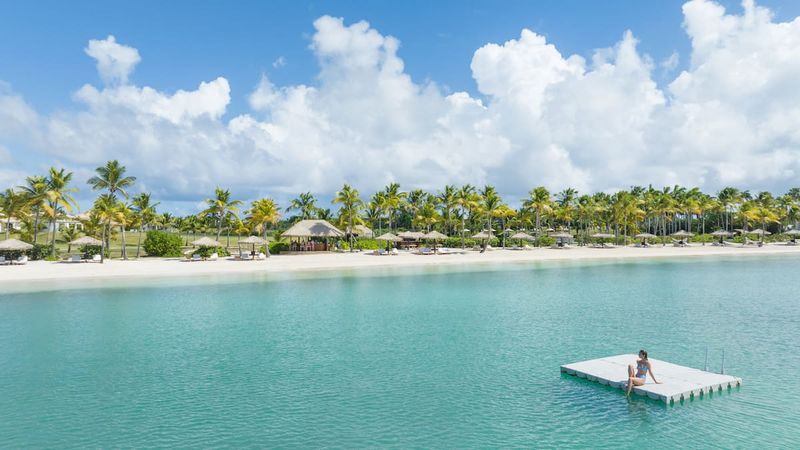
But warmth alone is not enough. The specialists interviewed were unanimous in their distaste for destinations that offer little more than high temperatures and empty beaches. What they sought, and what they recommended, were places where warmth is woven into a broader cultural fabric: where December brings its own rhythms, its own markets, its own reasons to gather. The Caribbean, for instance, offers heat and hospitality, but it also offers Junkanoo parades in the Bahamas, rum festivals in Barbados, and the particular quality of light that comes off the water in the late afternoon. Mexico's Pacific coast combines balmy evenings with posadas and candlelit processions. The appeal is not escapism, but immersion.
Festive Atmosphere as a Measure of Place
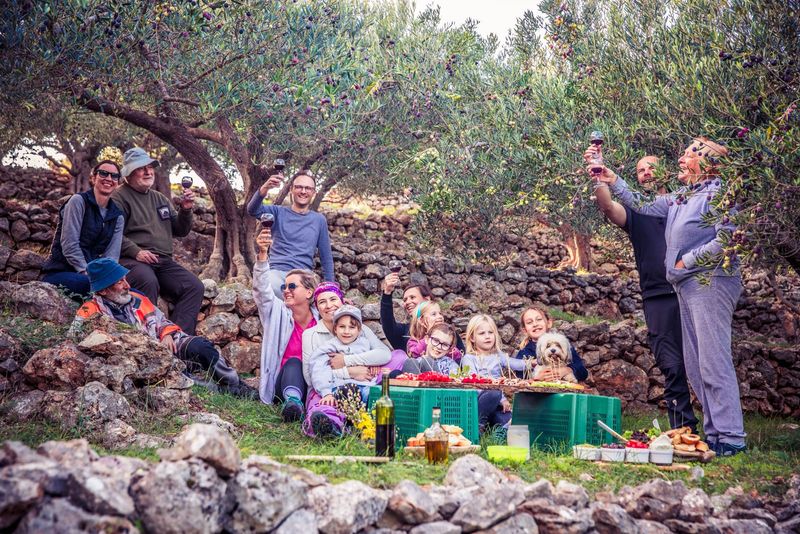
The word "festive" is doing considerable work in this conversation, and it is worth pausing to consider what it means in practice. A festive atmosphere, in the view of the specialists consulted, is not a matter of volume or spectacle. It is not the number of fairy lights strung across a plaza, nor the size of the Christmas tree in the hotel lobby. It is, rather, a quality of shared anticipation: the sense that a place is preparing for something, that its inhabitants are oriented towards celebration in a way that feels generous rather than transactional.
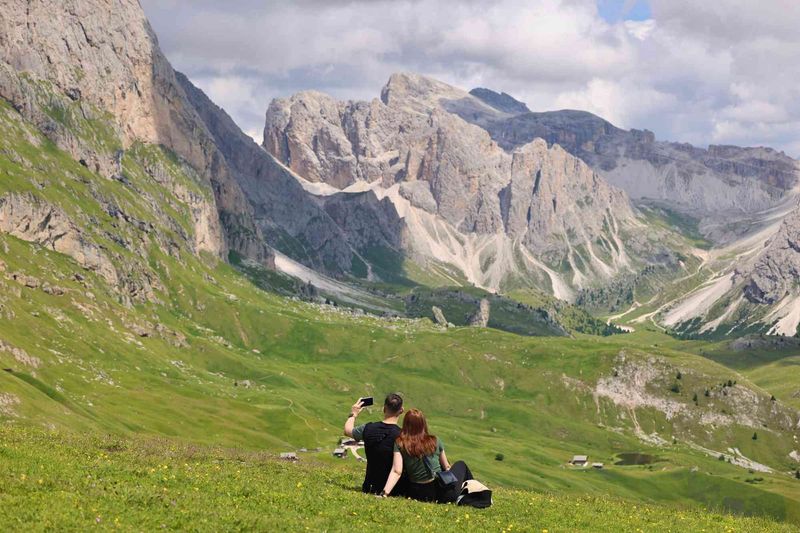
This is easier to find in some places than others. European cities with long traditions of Christmas markets, Advent concerts and seasonal foods offer a kind of festive density that can be overwhelming or enchanting, depending on one's mood. The markets in Vienna, Strasbourg and Bruges are beautiful, but they are also crowded and, increasingly, commercialised. The specialists who recommended European destinations tended to favour smaller cities or rural retreats where the festive season unfolds at a slower pace: the Alps in the weeks before Christmas, when the snow is fresh and the villages are quiet; the Scottish Highlands, where Hogmanay traditions still hold; the towns of southern Spain, where Three Kings' Day on 6 January extends the season into the new year.
The Southern Hemisphere Advantage
For those willing to travel further, the southern hemisphere offers a different kind of festive season altogether. December in Australia, New Zealand, South Africa and parts of South America means summer: long days, outdoor gatherings, seafood rather than roasts, beaches rather than fireplaces. The inversion is disorienting at first, but liberating. Christmas in Sydney or Cape Town or Buenos Aires is a reminder that the holiday season is not bound to a single set of symbols or traditions, that it can be reimagined in response to climate, culture and circumstance.
Several of the specialists spoke warmly of December in New Zealand, where the festive season coincides with the start of the summer holiday period and the country takes on a particular ease. Vineyards in Marlborough and Hawke's Bay host outdoor concerts. Coastal towns fill with families on extended breaks. The Māori concept of manaakitanga, a form of hospitality that emphasises care and respect, becomes especially visible in the way visitors are welcomed. The warmth, in this context, is as much social as it is climatic.
What the Convergence Reveals
The fact that seven professionals, working in different markets and serving different clientele, arrived at the same answer suggests something more than coincidence. It points to a broader shift in how travellers are thinking about the holiday season: less as an obligation to be endured, more as an opportunity to be curated. The desire for warmth and festivity is not new, but the willingness to prioritise those qualities over tradition, proximity or convenience is becoming more pronounced.
This shift is visible in booking patterns as well. Enquiries for December travel to warm-weather destinations have risen steadily over the past five years, particularly among travellers in their thirties and forties who are either child-free or whose children are old enough to appreciate a break from routine. The Caribbean, Mexico, the Canary Islands, Thailand and the United Arab Emirates have all seen growth in December arrivals, not because they have changed their offerings, but because travellers have changed their expectations.
The Risk of Homogenisation
There is, however, a risk embedded in this consensus. When too many people seek the same thing at the same time, the thing itself begins to change. Destinations that were once quiet in December are now crowded. Prices rise. The festive atmosphere that drew visitors in the first place becomes diluted, replaced by the generic hospitality of the global tourism industry. This is not an abstract concern; it is already happening in parts of the Caribbean, in certain Mexican beach towns, and in several Southeast Asian destinations that have become popular with northern-hemisphere travellers fleeing winter.
The specialists interviewed were acutely aware of this dynamic. Several emphasised the importance of choosing destinations that are prepared for December visitors without being overwhelmed by them, places where tourism is part of the economy but not the entirety of it. They also spoke about timing: travelling in early December rather than during the peak holiday week, or extending the season into January, when prices drop and crowds thin. The goal is not to avoid other travellers altogether, but to avoid the conditions under which travel becomes indistinguishable from any other form of consumption.
A Closing Thought on Instinct
The convergence of these seven answers is, in the end, a reminder that expertise and instinct are not opposed. The specialists consulted have spent years studying destinations, tracking trends, and listening to clients. But when asked where they themselves would go, they did not reach for data or analytics. They reached for the same thing their clients reach for: a feeling. Warmth, yes. Festivity, certainly. But also the sense that December need not be endured, that it can be a season of light and ease, if one knows where to look.