Where November Rewrites the Rules of Travel
Between autumn's retreat and winter's arrival lies a month that belongs to those who know how to wait.
The In-Between Season
November sits in the calendar like a held breath. The summer tourists have gone home, the winter holiday rush has not yet begun, and what remains is something rarer: destinations willing to show themselves without pretence. The light slants differently this time of year, lower and warmer in the northern hemisphere, clarifying in the south. It is a month for travellers who prefer observation to spectacle, who understand that the best stories often unfold in the margins.
The arithmetic of November travel is straightforward. Shoulder-season pricing meets favourable weather across much of the globe, from the Mediterranean coasts where swimming remains possible well into the month, to Southeast Asian shores where monsoons have finally exhausted themselves. But numbers tell only half the story. What November offers is not merely affordability but access, the chance to walk through Kyoto's temple gardens without queuing, to find a table at that Lisbon tasca everyone mentions, to photograph Patagonian peaks without strangers in the frame.
Where Autumn Lingers Longest
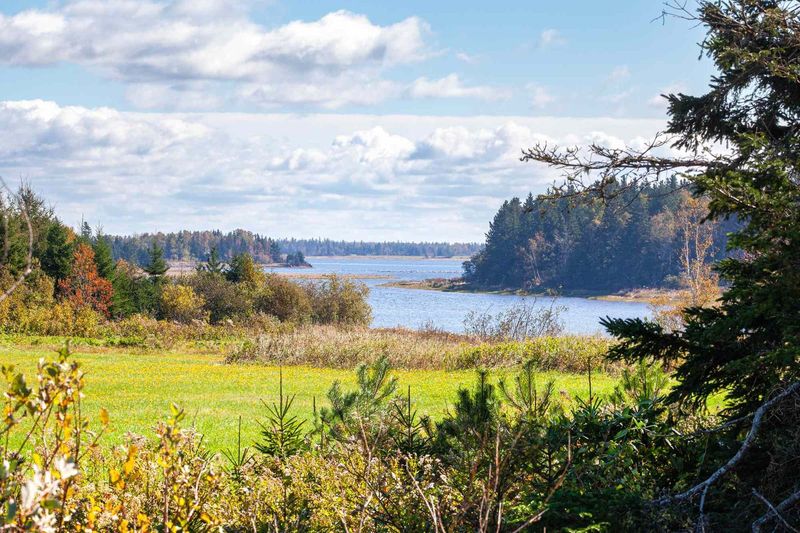
The northeastern United States clings to autumn through early November, though the foliage has mostly fallen by mid-month. New England's forests trade their October brilliance for something quieter, a palette of rust and umber that photographs beautifully in the softer light. The Berkshires empty out after leaf-peeping season ends, leaving country inns and hiking trails to those who prefer solitude. Temperatures hover between cool and cold, ideal for long walks and longer dinners.
Japan's koyo season, the autumn leaf viewing that mirrors spring's more famous cherry blossoms, reaches its southern crescendo in November. Kyoto's Tofuku-ji Temple and Arashiyama Bamboo Grove draw photographers and poets in equal measure, though the crowds thin noticeably after the first week. The maples turn late here, their crimson reflected in temple ponds and along the Philosopher's Path. Onsen towns in the Japanese Alps offer a different appeal: thermal baths with mountain views, where steam rises into cold air and the world narrows to warmth and silence.
The Mediterranean's Second Act
The Mediterranean in November requires a slight recalibration of expectations. Swimming is possible but brisk in southern Spain and Sicily, where sea temperatures hold around 18 degrees Celsius. What you gain in exchange for warmer waters is the absence of July's relentless sun and August's relentless crowds. Seville becomes walkable again, its plazas and narrow streets no longer radiating stored heat. The Algarve's dramatic coastline reveals itself properly when you can hike the clifftop paths without seeking shade every twenty minutes.
Greece's islands split into two categories this time of year: those that shut down almost entirely, and those that remain quietly open for visitors who do not require nightclubs and tour groups. Crete stays active, its archaeological sites and mountain villages accessible without the summer throngs. The Mani Peninsula in the southern Peloponnese offers stone tower houses converted to guesthouses, olive harvests in progress, and a sense that you have arrived between seasons and found something valuable in the gap.
When the Rains Finally Stop
Southeast Asia emerges from monsoon season in November, though the exact timing varies by latitude and coast. Thailand's islands on the Andaman Sea side, Phuket and Krabi among them, see the last of the heavy rains by early November, with clearer skies and calmer seas arriving by mid-month. Vietnam's central coast around Hoi An and Hue remains unpredictable, but the north around Hanoi and Ha Long Bay enters its finest weather window: cool, dry, and crystalline.
Cambodia's Angkor temples benefit enormously from November's arrival. The moats and reservoirs around Angkor Wat remain full from the rainy season, reflecting the towers at sunrise, whilst the oppressive humidity lifts. You can climb Phnom Bakheng for sunset without feeling as though you are melting. The surrounding countryside stays lush and green, not yet scorched by the hot season that arrives in March.
Southern Hemisphere Spring
Australia's spring stretches from September through November, with the latter month bringing the most reliable warmth without summer's extremes. The Great Ocean Road in Victoria offers temperate weather for the dramatic coastal drive, whilst the Barossa Valley in South Australia reaches perfect conditions for vineyard touring. Tasmania shakes off winter's chill, its mountains accessible again and wildflowers carpeting the highlands.
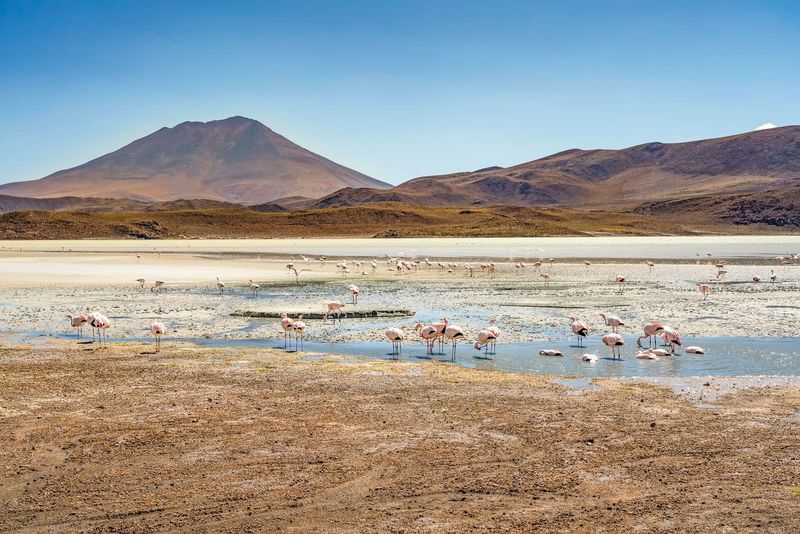
Patagonia straddles two countries and two travel philosophies. Argentina's side, around El Calafate and the Fitz Roy massif, sees longer days and milder temperatures than the mid-summer months that follow, when winds can make trekking unpleasant. Chile's Torres del Paine National Park operates on the same principle: November offers accessibility without the January crush. The beech forests glow gold, guanacos graze the pampa, and the light lasts until nearly midnight.
Desert Light and Mountain Air
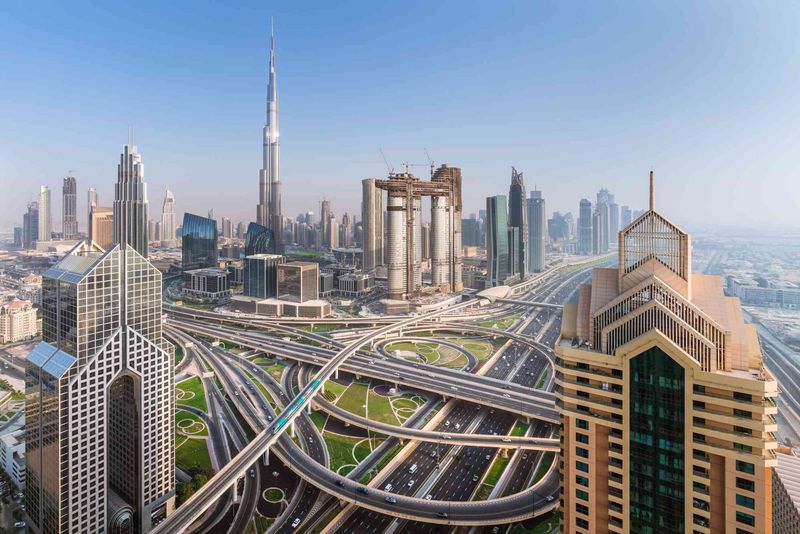
The Arabian Peninsula's Gulf states become habitable again in November, temperatures dropping from summer's brutal heights to something approaching pleasant. Dubai and Abu Dhabi schedule their cultural calendar accordingly, with art fairs and design weeks clustering in this window. Oman's interior, the forts and wadis of the Hajar Mountains, can finally be explored without risking heatstroke. The desert camps open for the season, offering clear night skies and temperatures that actually require blankets.
Morocco's imperial cities, Marrakech and Fes in particular, transition from uncomfortably hot to ideally warm. The medinas become navigable without the sweat and disorientation that summer heat brings. The Atlas Mountains offer trekking weather, and the desert routes south toward Merzouga and the Erg Chebbi dunes see comfortable days and cold nights, the kind that make a tagine and mint tea around a campfire feel essential rather than performative.
The Calculation Worth Making
November travel requires a certain flexibility of spirit. Museum hours may be reduced, some coastal restaurants may have already closed for the season, and you will not have the full roster of tour operators and activities that peak season provides. What you receive in return is proportion: fewer people, lower prices, and the sense that you are seeing places as they actually are, not as they perform for visitors.
The month rewards preparation. Weather can be variable, particularly in regions transitioning between seasons, so layers and waterproofs earn their luggage space. Booking accommodation in advance becomes more important than in high season, counterintuitively, because many smaller properties close or reduce their operations. The places that remain open tend to be the ones run by people who live there year-round, who have reasons beyond tourist income to keep their doors open.
November asks travellers to meet destinations halfway, to accept that not everything will be open or optimal, and to find value in that trade. It is a month for people who pack books, who do not mind dining early because restaurants close by nine, who understand that a beach empty of sunbathers can be more beautiful than one filled with them. The light is different, the pace is slower, and if you time it properly, you might find yourself in places that summer crowds will never see quite this way.