Where Passengers Play Poker With the Captain and Cargo Shares the Deck
Aboard the Aranui V, the line between voyage and working vessel dissolves - and French Polynesia reveals itself at the pace of freight.
A Ship Built on Two Economies
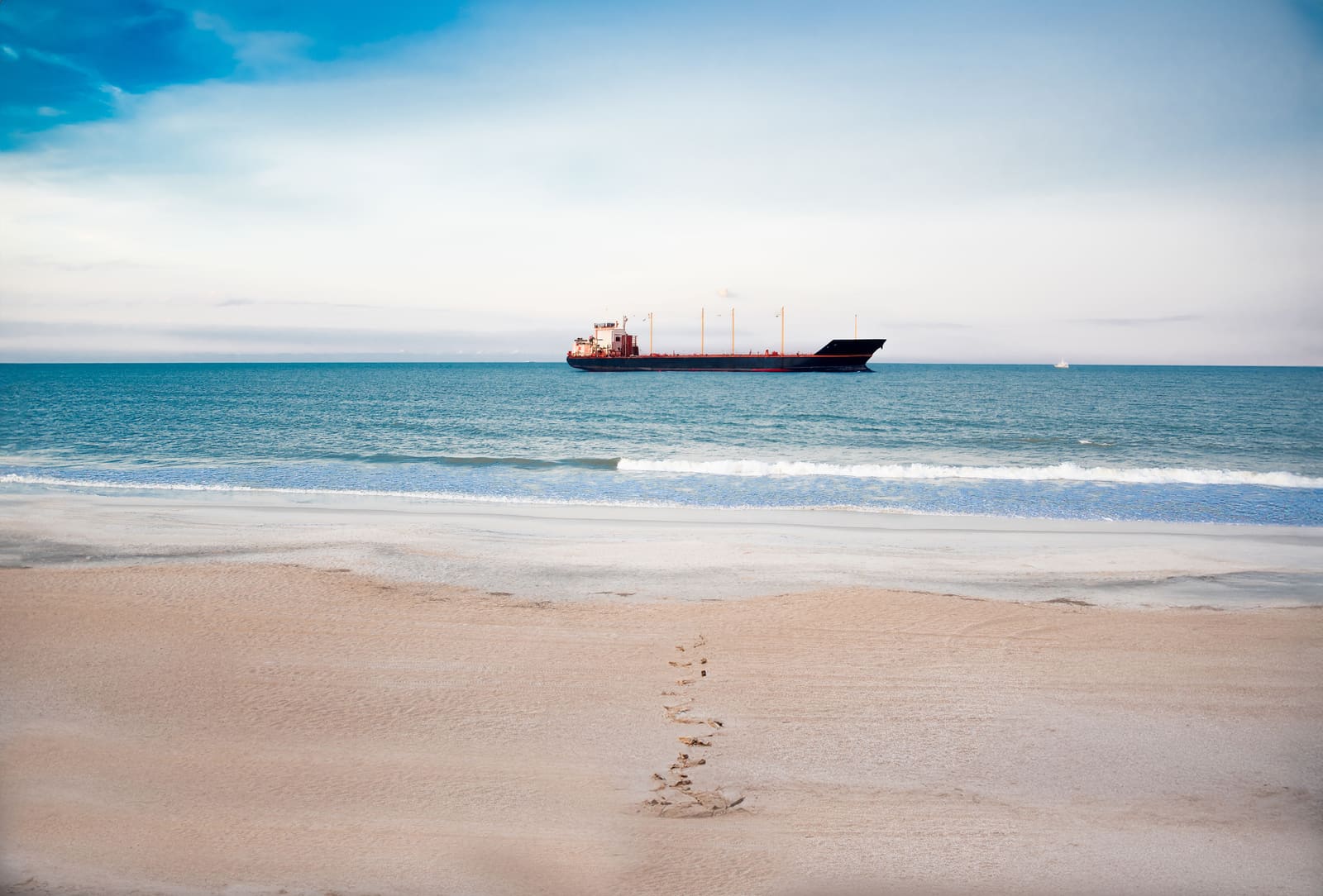
The Aranui V occupies a curious niche in the constellation of Pacific voyages. Half of her function is freight: she ferries pallets of grapefruit, coconuts, construction supplies, and household goods to the scattered atolls and volcanic islands of French Polynesia. The other half is passenger service - cabins, a modest pool, a cocktail bar - but the two halves are not partitioned. Passengers watch cargo nets swing over the rail, join crew members for drinks after dinner, and disembark onto wharves stacked high with produce awaiting the crane. The vessel does not pretend to be a resort at sea. It is a working ship that happens to carry people who want to see the islands as they are supplied, not as they are staged.
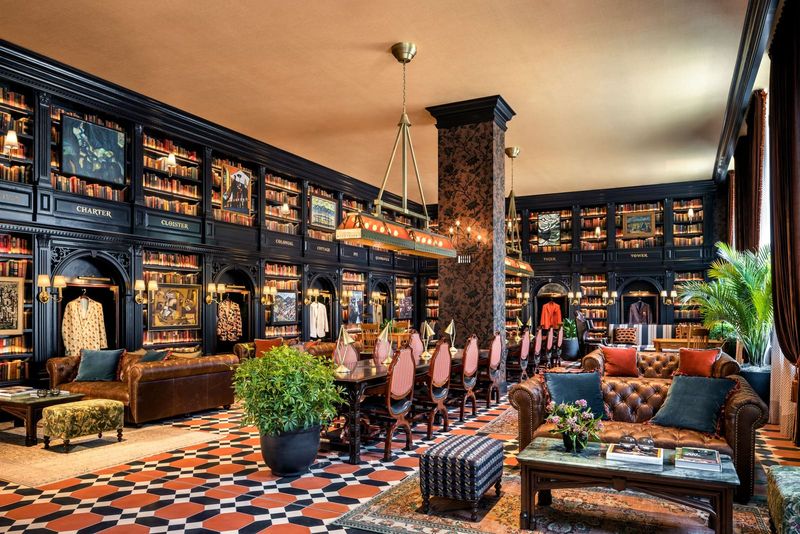
This arrangement strips away the theatrical distance most cruise lines cultivate. There is no VIP deck, no officer who remains aloof behind tinted glass. On a recent voyage to the Austral Islands, an impromptu poker game broke out in the onboard pearl boutique one evening. The head of housekeeping sat across from the ship's captain, and over several hands she methodically relieved him of his chips while strands of Tahitian pearls gleamed in the display cases. Passengers wandered in, pulled up chairs, and the game continued until the bar closed. No one asked permission; the space simply allowed it.
The Mechanics of Arrival
Aranui V does not dock in the conventional sense at every port. Some islands lack the infrastructure for a vessel of her size, so she anchors offshore and deploys landing craft to shuttle passengers and cargo to the wharf. On Ua Huka, in the Marquesas, one passenger's sandals gave out the moment he stepped from the craft onto the weathered planks. The crew directed him to the ship's French doctor, who produced medical tape from his bag and fashioned a temporary repair. "Come back later," the doctor said, "and we'll do surgery on the shoe." The passenger waited outside the infirmary, where a large notice on the door warned that many fruits served onboard and in the islands possess "diuretic and laxatif effect," and urged moderation. The sign suggested a history - enough passengers had arrived at the infirmary with the same complaint that someone finally printed a warning.
These moments accumulate. The ship becomes less a conveyance and more a village, one that drifts between archipelagos and absorbs the rhythms of each stop. Crew and passengers share the same corridors, the same meals, the same view of the crane lifting cargo into the hold. The separation that defines most passenger shipping simply does not exist here.
Departure as Ritual
At the end of the call on Ua Huka, passengers gathered on deck as the sun angled low over the water. Two more islands remained on the itinerary - Rangiroa and Bora Bora - but the moment belonged to the Marquesas. A member of the crew invoked a prayer of thanks, a traditional farewell to the islands, and passengers responded by casting armfuls of local flowers and plants into the sea. The blooms drifted toward shore in the fading light, a gesture older than the ship, older than the cargo economy that now sustains these remote communities.
Yet that image, vivid as it was, did not prove to be the one that lingered. Weeks after the voyage ended, the passenger who had broken his sandals woke each morning in a home that felt suddenly unfamiliar. What returned to him was not the choreographed farewell but the incidental textures: the smell of woven straw hats piled on a market table, the taste of baked banana sold by a vendor in a red floral dress, the improbable green of volcanic ridges rising behind the wharf, the pallets of coconuts and grapefruits waiting to be loaded. These are not the details a brochure emphasises, but they are the ones that resist forgetting.
What the Hybrid Model Reveals
Aranui V's dual identity - cargo hauler and passenger carrier - forces a different kind of encounter with French Polynesia. Passengers do not arrive at a destination scrubbed and ready for tourism; they arrive at the same moment as the month's supply of flour and diesel. They see the infrastructure that keeps island life possible, the economy that moves beneath the surface of postcard images. The ship's schedule is dictated not by optimal sightseeing hours but by the needs of the communities it serves. If the crane is still loading copra when the sun sets, passengers wait. If the sea is too rough to launch the landing craft, the stop is delayed or skipped. The voyage is subject to the same contingencies that shape life in the islands.
This is not hardship; the ship provides comfort enough. But it is a reminder that travel can be something other than insulation. The Aranui model - cargo first, passengers incidental - offers access to a version of the Pacific that resists the curated experience. It is slower, less polished, and more prone to the accidents that become stories: a shoe repaired with medical tape, a poker game in a pearl shop, a warning sign about the laxative properties of tropical fruit. These are the details that suggest a place still governed by its own logic, not by the expectations of visitors.
The Memory That Accumulates
The passenger who cast flowers into the sea off Ua Huka did not expect the Marquesas to follow him home. But memory works by accretion, not by intention. The green ridges, the straw hats, the red dress, the pallets on the wharf - these fragments assembled themselves into a longing that no single photograph could have produced. The voyage had not promised transformation, only passage. Yet the passage itself, conducted in the company of cargo and crew and the routines of a working ship, had left a residue that refused to settle.
Aranui V does not advertise itself as a retreat, and it is not one in the conventional sense. But for those willing to travel at the speed of freight, to share the bar with the officers who will be back on duty at dawn, to watch the crane swing pallets of coconuts into the hold while the sun rises over an atoll, the ship offers something rarer than luxury: proximity to the ordinary life of extraordinary places. The islands do not perform for the passengers. The passengers simply happen to be there when the ship arrives.