A Five-Year Circumnavigation Aboard the World's Largest Classic Schooner
Atlantic, a meticulously recreated racing yacht, is charting a course through remote archipelagos and forgotten shores, offering seven-day passages for those willing to let the calendar blur.
The Longest Departure
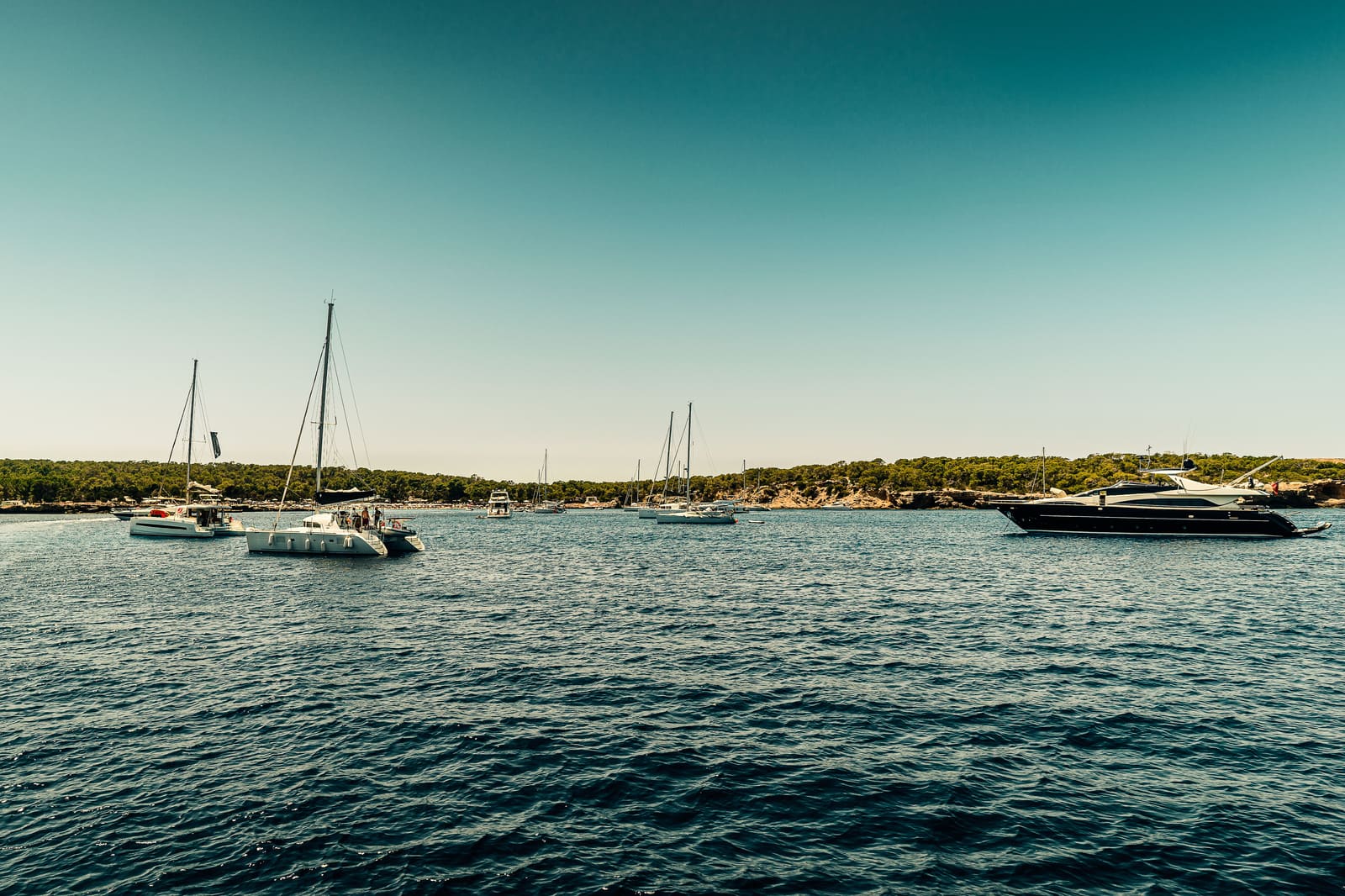
There is a particular quality to a vessel that refuses to hurry. Atlantic, a 212-foot schooner built in the tradition of early twentieth-century racing yachts, will depart on a five-year circumnavigation in early 2027, moving through latitudes where trade winds still dictate the rhythm of passage. The itinerary is less a schedule than a series of propositions: remote atolls in the South Pacific, spice-scented coasts in the Indian Ocean, archipelagos in the Philippines where anchorages remain unmarked on most charts. The vessel accommodates twelve passengers at a time, each booking a minimum seven-day leg of what Atlantic calls a "chapter" in its Grand Voyage.
The journey begins after the schooner crosses the Atlantic and transits the Panama Canal, then turns westward toward Central America. From there, the route unfolds across Australasia, Southeast Asia, and eventually the Indian Ocean, with the vessel adjusting its path according to seasonal weather patterns and sea conditions. This means that passengers embarking in different months will encounter entirely different coastlines, a structure that mirrors the way long-distance sailors have always moved, following favourable winds rather than fixed timetables.
A Lineage of Speed
Atlantic takes its name from a legendary 227-foot schooner that competed in the 1905 Kaiser's Cup, a transatlantic race from Sandy Hook, New Jersey, to Cornwall. That vessel completed the crossing in just under three days, setting a speed record that held for nearly a century. The modern recreation, built by Van der Graaf, honours that lineage through its elongated hull, 147-foot masts, and a sail plan spanning approximately 18,800 square feet. The arrangement of canvas is identical to the original, though the new vessel integrates contemporary navigation systems, stabilisation technology, and safety protocols beneath its classical silhouette.
The design philosophy prioritises fidelity to early racing yacht aesthetics while embedding the infrastructure required for extended ocean passages. The result is a vessel that moves with the elegance of a bygone era but without the discomforts that era often entailed.
Six Cabins, One Route
Onboard, six cabins house guests in quarters finished with rich timber, nautical detailing, and en-suite facilities outfitted to luxury standards. The interiors echo the materiality of traditional maritime craft, wood and brass and linen, arranged in configurations that emphasise function as much as atmosphere. A dining room and salon extend the aesthetic, spaces designed for communal meals and evening conversation after long days spent on deck or ashore.
The vessel carries equipment for water-skiing, wakeboarding, diving, and snorkelling, as well as a sailing dinghy and bicycles for excursions into port towns or along coastal paths. A gym can be assembled on deck each morning, though most physical exertion aboard tends to be less structured: hauling lines, swimming in open water, paddling to shore. Meals are prepared from ingredients sourced at each stop, served on deck, at picnics on uninhabited beaches, or under the rigging after dark.
Itineraries Without Certainty
What distinguishes this circumnavigation from typical yacht charters is its openness to revision. Atlantic's route is plotted in broad strokes, with specific anchorages determined closer to arrival based on weather, local festivals, or the preferences of passengers aboard for that chapter. The schooner will visit Fakarava, a ring-shaped atoll in French Polynesia; islands in the Philippines that remain outside the usual cruising circuits; and the shores of Madagascar, where vanilla and cloves still perfume the air in coastal markets.
This flexibility requires a different relationship to travel, one that privileges serendipity over certainty. Passengers boarding for a week may find themselves anchored off an island they had never heard of, or delayed an extra day because conditions favour a longer sail. The structure is deliberate: Atlantic is not attempting to replicate the efficiency of modern yacht charters but rather the exploratory ethos of early ocean voyages, when arrival times were estimates and detours were expected.
The Economics of Slow Travel
Seven-day charters aboard Atlantic begin at approximately 170,000 USD, a rate that includes crew, meals, beverages, onboard activities, and standard equipment. Bespoke experiences at each port, guided excursions, or specialised provisioning can be arranged separately. The pricing reflects the vessel's scale and the logistical complexity of maintaining a classic schooner across five years of continuous operation in remote waters.
For those accustomed to chartering motor yachts, the experience aboard a sailing vessel of this size represents a different calculus. Speed is determined by wind, not throttle. Silence, save for the sound of water against the hull, is the default state. The trade-off is immersion in a form of travel that has become rare: passage-making as an end in itself, rather than a means to reach the next destination.
What Returns
By the time Atlantic completes its circumnavigation, it will have traced a route shaped as much by weather systems and ocean currents as by human intention. The vessel's design pays homage to a century-old racing yacht, but its purpose is something else entirely: a slow, deliberate engagement with the world's coastlines, undertaken in the company of strangers who become, over the course of seven days under sail, something closer to crew.
The voyage offers no shortcuts, no shortcuts, no guarantees of calm seas or perfect anchorages. What it does offer is a rare opportunity to move through the world at the pace the world itself once moved, when distance was measured not in hours but in the arc of the sun across the deck, and arrival was always, in some sense, provisional.