Where to Take Afternoon Tea Amid Bali's Rice Terraces and Ocean Horizons
From a 150-year-old Javanese joglo to a teak pavilion suspended above the Ayung River, the island's most compelling tea services unfold in settings that rival the pastries themselves.
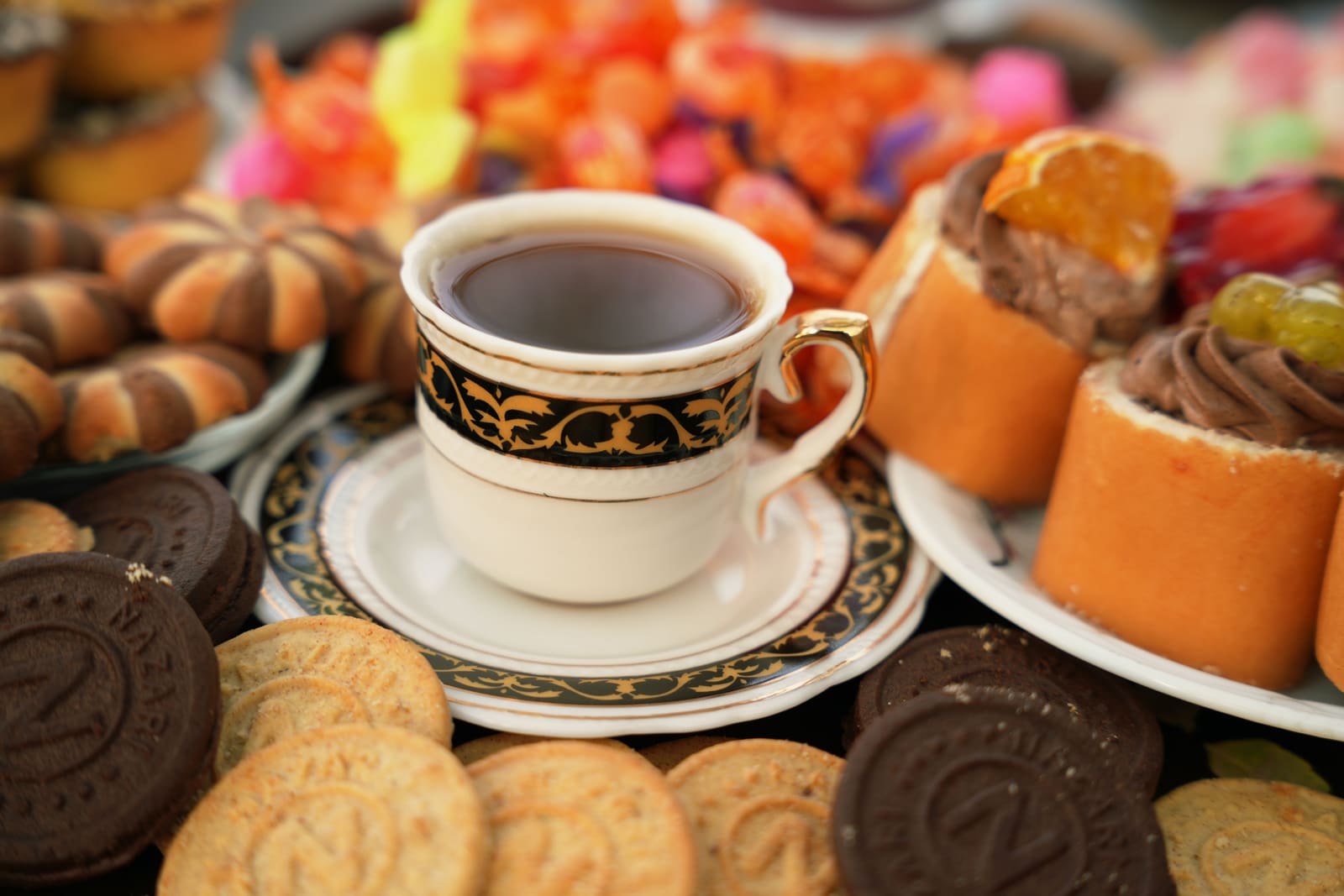
A Ritual Reimagined in the Tropics
The air in Seminyak carries salt and frangipani in equal measure, and inside a century-and-a-half-old teak joglo relocated from East Java, bone china clinks softly against saucers. This is not the afternoon tea of London drawing rooms or Cotswolds hotels. Here, the ritual bends to accommodate lemongrass and sambal matah, pandan-infused coolers and profiteroles filled with avocado cream, a nod to Indonesia's beloved es alpukat. The island has taken a quintessentially British tradition and allowed it to breathe in humid air, to stretch across longer hours, to settle into settings where the Indian Ocean or the Ayung River Valley becomes part of the composition.
Across Bali, from Ubud's forested highlands to the manicured stretches of Nusa Dua, a handful of venues commit to the full ceremony: tiered stands, fine linens, scones with proper accompaniments. Yet each interprets the form through a different lens, some leaning into English orthodoxy, others weaving in Indonesian ingredients and techniques. What emerges is a dining category that exists in productive tension with its origins, familiar enough to satisfy traditionalists, distinct enough to justify the journey.
The Seminyak Standard
Biku occupies a rare position in Bali's dining landscape: a place where tea is not an afterthought but the organising principle. The venue houses more than fifty varieties sourced from China, India and Indonesia, curated by a dedicated tea master. The setting itself, a joglo surrounded by antiques and shelves of Indonesian literature, lends weight to the proceedings. Three distinct menus cater to varying appetites: a traditional British spread, an Asian interpretation, and a breakfast variant for those who arrive early. A children's version includes colouring materials and toys alongside gingerbread and cupcakes, making the space workable for families who might otherwise find afternoon tea too formal.
Service runs from late morning until early evening, a longer window than most competitors offer. The option to add sparkling wine elevates the occasion for those marking something particular. Before leaving, the cake table at the centre of the room warrants attention; carrot cake and cupcakes emerge from the kitchen daily.
Further along the coast, Starfish Bloo at W Bali takes a different approach. The restaurant sits directly on Seminyak Beach, and the tea service incorporates that proximity. Mediterranean cooking techniques meet Asian ingredients in savoury bites like spicy tuna tataki sando and smoked artisan beef pastrami. The ritual here includes a tea-blending exercise, allowing guests to construct their own signature brew rather than selecting from a predetermined list. Botanical-infused drinks and optional cocktails extend the afternoon for those inclined to linger. The service concludes at five o'clock, leaving ample time to move from table to sand for sunset.
Ubud's Elevated Offerings
Reaching Jati Bar at Four Seasons Resort Bali at Sayan requires crossing a teak footbridge above the treetops, a threshold that signals departure from the everyday. The bar occupies a circular, teak-panelled space beneath a lotus pond, with sightlines extending across the Ayung River Valley. The menu here dispenses with finger sandwiches and scones entirely, opting instead for compressed watermelon with pickled rind and balsamic pearls, smoked papaya with whipped cream cheese, tuna tataki on black rice tortilla, and harissa-spiced kofta with tzatziki. The sweet course includes an es alpukat profiterole, a clever translation of Indonesia's avocado drink into pastry form, alongside a hazelnut financier and a piña colada tart. Premium loose-leaf tea or coffee accompanies the spread, with the option to add sparkling wine for occasions that warrant it.
The setting at Hanging Gardens Bali, north of Ubud in Payangan, is equally theatrical. The twin-tiered infinity pool that made the property famous provides the backdrop for a tea service designed for two. The menu balances Asian-inspired savoury items with English staples: chocolate éclairs, brownies, fruit tartlets, and scones served with cream and jam in proper proportion. The drive from southern Bali is considerable, better suited to those planning a full day in the region rather than a brief detour.
Nusa Dua's Polished Formality
At Padma Resort Legian, The Deli presents the Bali Heritage Afternoon Tea on a tray shaped like the island itself, with ten creations inspired by different regions. Denpasar snapper satay arrives on lemongrass with sambal matah; Gianyar chicken quiche incorporates traditional spices and cassava leaves; Bedugul strawberry delight references the cooler highlands where the fruit is grown. Each component comes with an explanation of its regional inspiration and ingredients, adding an educational dimension to the meal. Homemade tea blends or Indonesian-inspired drinks like coconut and pandan cooler accompany the food. Advance booking of at least one day is required.
Mulia Bali, recognised among the world's leading hotels, offers afternoon tea across multiple venues: the rooftop Cascade Lounge, The Bar for more intimate settings, or Cannelé for solo indulgence. The format remains consistent, a tower of elegant treats served with tea or coffee, but the choice of environment allows guests to calibrate the experience to their mood.
The Ritz-Carlton Lounge & Bar commits to a more traditional English spread, with scones executed to exacting standards and premium TWG tea anchoring the beverage selection. Signature cocktails are available for those who prefer spirits to tea. The presentation is polished, the service attentive, the setting luxurious in the way five-star properties manage when they attend to details.
The Sanur Alternative
Byrd House, positioned on the northern stretch of Sanur Beach, offers a more relaxed interpretation. The venue describes itself as an elevated beach house, family-friendly and social rather than hushed and ceremonial. The afternoon tea here includes a tower of sweet and savoury items, but the atmosphere skews casual, better suited to those who find traditional tea services overly formal or stiff.
The Distinction Between Ritual and Meal
A note on terminology: menus across Bali use "afternoon tea" and "high tea" interchangeably, though British tradition distinguishes between the two. Afternoon tea, the lighter ritual of sandwiches, scones and cakes, was historically served around two o'clock. High tea, a heartier meal with hot dishes, came later in the day, closer to dinner. What most Bali venues offer, regardless of how they label it, aligns more closely with afternoon tea. The confusion is widespread enough to warrant clarification only once, then setting aside.
Practical Considerations
Pricing spans a wide range, from approximately two hundred thousand Indonesian rupiah per person at Biku to well over one million at The Ritz-Carlton with champagne. Most venues require advance booking, particularly those at resort properties or in remote locations like Hanging Gardens. Service hours vary: Biku accommodates guests from late morning until early evening, while others operate within narrower windows, typically two to six o'clock.
The best choice depends on what one values most. For traditionalists seeking a proper English tea with extensive variety, Biku or The Ritz-Carlton. For those drawn to innovative menus that engage with Indonesian ingredients, Jati Bar or Padma's Bali Heritage offering. For romance and dramatic setting, Hanging Gardens. For beachfront ease, Starfish Bloo or Byrd House.
Why Tea Persists Here
Afternoon tea is not native to Bali, nor to Indonesia more broadly. Its presence on the island reflects the dining preferences of international visitors and expatriate residents, many of whom carry expectations shaped by experiences elsewhere. Yet the ritual has taken root in ways that suggest more than mere transplantation. The format, structured yet leisurely, suits the island's pace. The emphasis on setting aligns with Bali's strengths: dramatic landscapes, thoughtful design, a willingness to stage experiences rather than simply serve meals.
What distinguishes the best examples is not fidelity to an imported template but the intelligence with which they adapt it. A scone is a scone, but when the accompaniments shift to incorporate local fruit preserves or when the savoury course includes satay and sambal, the ritual begins to speak in two registers at once. This duality, the ability to honour a tradition while allowing it to be shaped by new context, is perhaps the most interesting thing happening in Bali's afternoon tea scene. It is not about perfecting an English ideal in the tropics; it is about discovering what the ritual can become when it crosses latitudes and absorbs new influences, when it settles into a joglo or a teak pavilion above a river, when it looks out at surf rather than rain-slicked pavements.
The question is not whether Bali does afternoon tea the way London does. The question is whether it does it well on its own terms, in its own voice, with its own materials. Increasingly, the answer is yes.