When Dinner Becomes a Dialogue: Inside Bali's New Providore Movement
Four legacy restaurants have launched Due Course, an invitation-only culinary platform where heritage ingredients, collaborative kitchens, and the island's creative community converge over shared tables.
A Platform Built on Conversation, Not Reservation
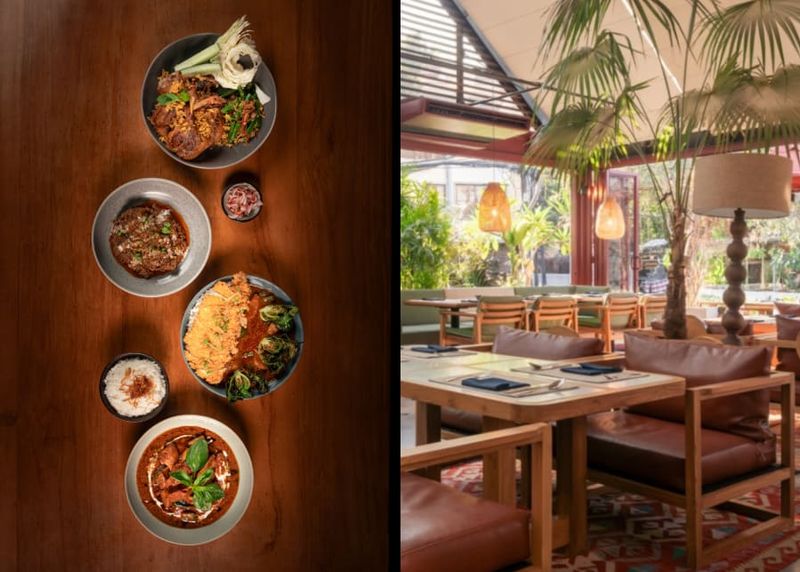
The Palm Deck at KU DE TA caught the last bronze light of a September evening, and the first guests were already arriving. No reservations had been made. No bookings taken. The gathering that unfolded on 4 September 2026 existed outside the usual channels, summoned instead through a curated guest list drawn from across Bali's hospitality, design, media, and culinary networks. This was the inaugural edition of Due Course, a new dining platform founded by four of Seminyak's established venues: KU DE TA, Mama San, Sangsaka, and Kilo.
What began as a casual conversation among these four dining pioneers has evolved into something more ambitious: a series of evenings designed to spotlight a single ingredient, tradition, or cultural thread, woven together by the chefs, producers, and creatives who know how to bring it into focus. The first Providore Series centred on Bali's Black Heritage Pig, a breed raised and preserved with care by local producers. The format was simple but deliberate: long communal tables, collaborative cooking, and a guest list that spanned disciplines.
Heritage, Explained and Tasted
Before the first course arrived, Anela Purvis of Bali Black Heritage Pigs offered context. She spoke about the breed's lineage, the farming practices that sustain it, and why this particular pig matters to Bali's agricultural and culinary identity. It was a primer, not a lecture, setting the tone for an evening where food would carry meaning beyond flavour.
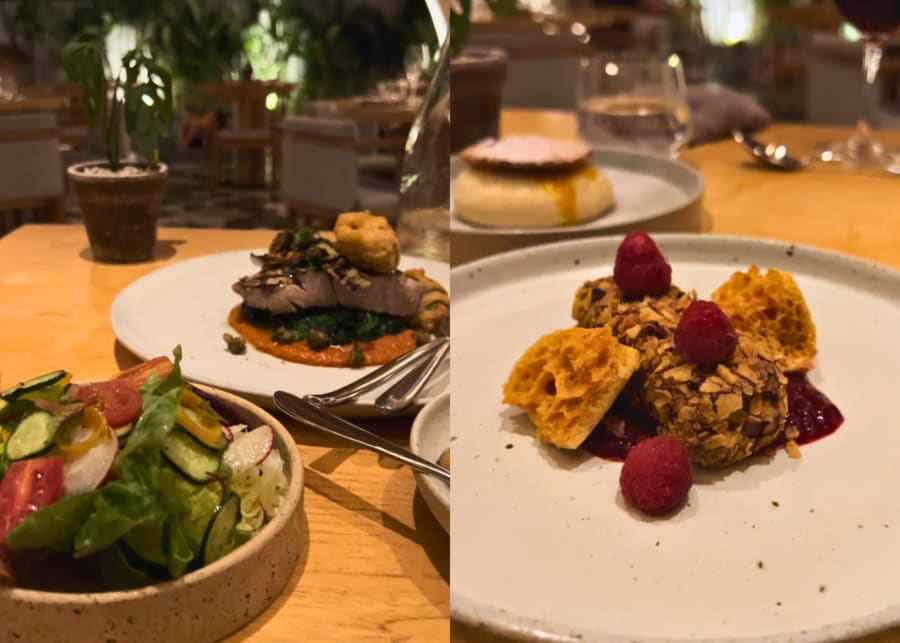
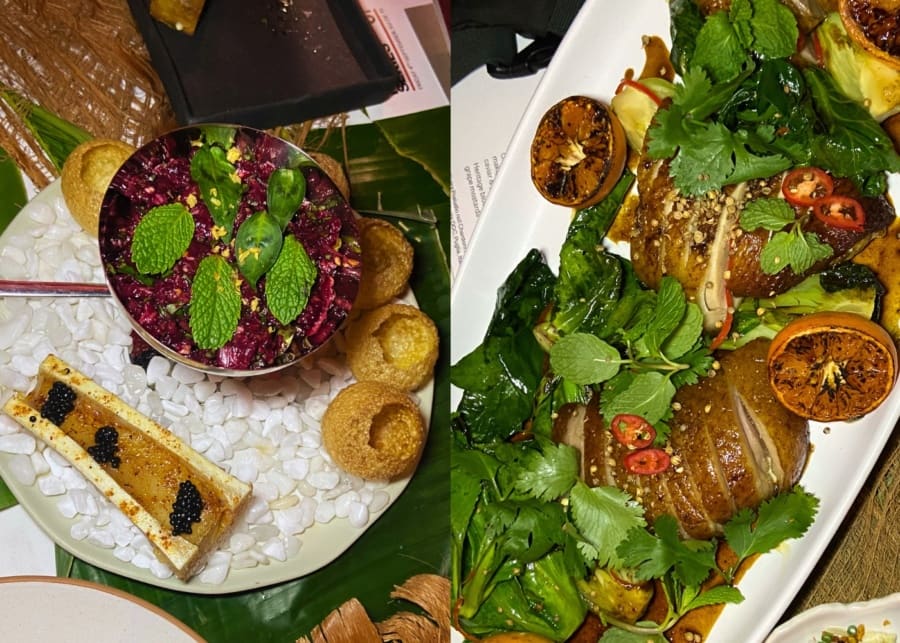
The menu that followed was a joint effort from chefs Jeremy Hunt, Will Meyrick, and Kieran Morland. Each brought their own sensibility to the table, but the dishes themselves were designed for sharing. Balinese laklak was assembled in front of diners. Capicola arrived nestled in delicate tart shells. Blood sausages appeared alongside a grilled pork tomahawk, surrounded by fresh herbs, Indonesian spices, and accompaniments that spoke to regional terroir rather than imported technique.
The tableware, crafted by Kevala, added another layer of intention. Each plate, bowl, and serving vessel was made locally, reinforcing the evening's focus on Balinese craft and production. The result was a meal where every element, from ingredient sourcing to presentation, felt considered.
A Gathering, Not a Guest List
What distinguished Due Course from other chef collaborations was less about the food itself and more about who was present to eat it. The invitation-only format allowed the founding venues to assemble a cross-section of the island's cultural landscape: restaurateurs and chefs, yes, but also designers, photographers, writers, fashion practitioners, and lifestyle curators. The common thread was not industry affiliation but a shared investment in Bali's creative and culinary evolution.
Conversations moved fluidly. A discussion about fermentation techniques might segue into a debate about textile design or the challenges of sustainable tourism. The setting encouraged it. Two long tables, sunset views over Seminyak Beach, and wine and cocktails paired by the team from Kilo created an atmosphere closer to a dinner party than a formal tasting event.
This was deliberate. Due Course is not positioned as exclusive for the sake of scarcity. The curation serves a purpose: to gather people who can contribute to a broader dialogue about Bali's food culture, its producers, and the systems that support them. It is an exercise in network-building as much as hospitality.
Collaborative Kitchens, Shared Vision
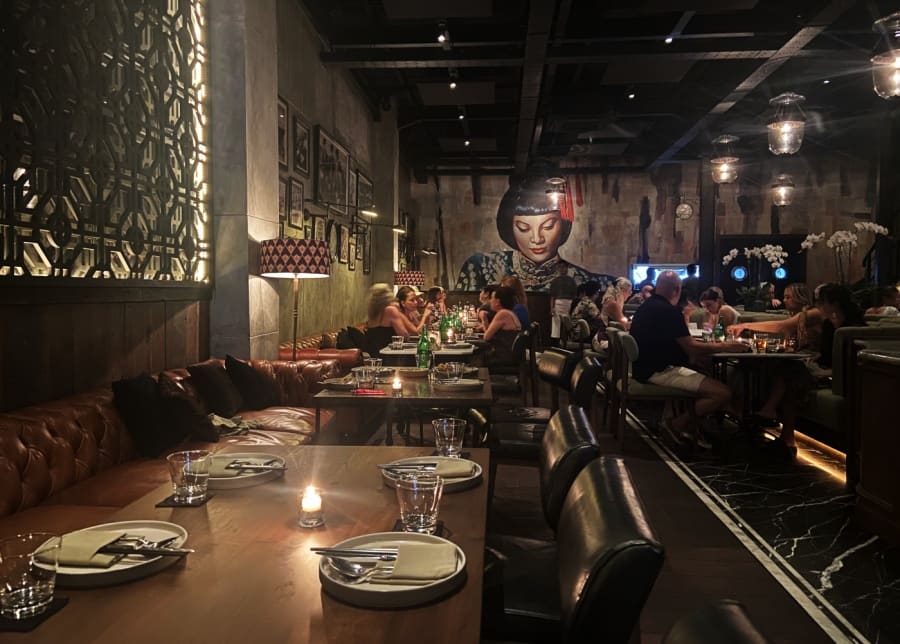
The founding venues each bring distinct culinary identities. KU DE TA, located on Jalan Kayu Aya in Seminyak, has long been a fixture of the island's beachfront dining scene. Mama San, on Jalan Raya Kerobokan, is known for its pan-Asian approach under the direction of chef-restaurateur Will Meyrick. Sangsaka, founded by Kieran and Yunika Morland on Jalan Pangkung Sari in Kerobokan, explores Indonesian and regional Southeast Asian flavours. Kilo, on Jalan Drupadi, offers a more contemporary, ingredient-focused menu.
Despite their differences, the four venues share a commitment to ingredient integrity and cultural storytelling. That alignment made the collaboration possible. Each Providore Series will rotate themes, drawing on a new ingredient, technique, location, or cultural practice. The chefs and venues involved will shift accordingly, chosen for their ability to interpret the chosen focus.
The model is intentionally flexible. Future editions might explore a particular spice, a traditional cooking method, or a lesser-known farming community. The format remains consistent: curated guest lists, communal dining, and a narrative that extends beyond the plate.
Why Bali, Why Now
Bali's dining scene has matured considerably over the past decade. International chefs have opened outposts, local talent has risen, and the island's agricultural bounty has become a focal point for restaurants committed to regional sourcing. Yet much of that evolution has occurred within individual kitchens. Collaboration, when it happens, tends to be event-driven and short-lived.
Due Course offers a different structure. By anchoring each edition around a specific ingredient or story, the platform creates space for sustained attention. It allows producers like Anela Purvis to explain their work directly to the people who will cook, write about, and advocate for it. It gives chefs the opportunity to collaborate without the constraints of a single menu or venue. And it brings the wider creative community into the conversation, recognising that food culture is shaped by more than just those who cook and serve it.
The timing is also significant. As Bali continues to navigate questions of sustainability, over-tourism, and cultural preservation, platforms that centre local production and traditional knowledge offer a counterbalance. Due Course does not claim to solve these challenges, but it does create a forum for discussing them, one ingredient at a time.
What Comes Next
The first Providore Series was a proof of concept. The Black Heritage Pig provided a compelling focal point, and the evening demonstrated that there is both appetite and capacity for this kind of gathering. Future editions will test the model's flexibility. Will it hold when the ingredient is less visually dramatic? When the story is more complex or less familiar? When the guest list shifts to include voices from outside Bali's established creative circles?
These are questions the founding venues will likely confront as the platform evolves. But the initial success suggests that there is room in Bali's dining landscape for something that sits between the restaurant and the symposium, the tasting menu and the trade event. Due Course occupies that space with intention, offering a format where the meal is the medium for a larger conversation about place, production, and community.
For those who were present on that September evening, the experience was less about exclusivity and more about connection. The invitation was not a gatekeeping gesture but an invitation into a dialogue that extends beyond a single night. And for an island where food, culture, and creativity are already deeply intertwined, that dialogue feels both timely and necessary.