When Summer Lingers: The Quiet Season Between Heat and Harvest
September offers a rare window of travel - before the crowds return, after the swelter breaks - and across continents, the world recalibrates.
The Month That Belongs to No One
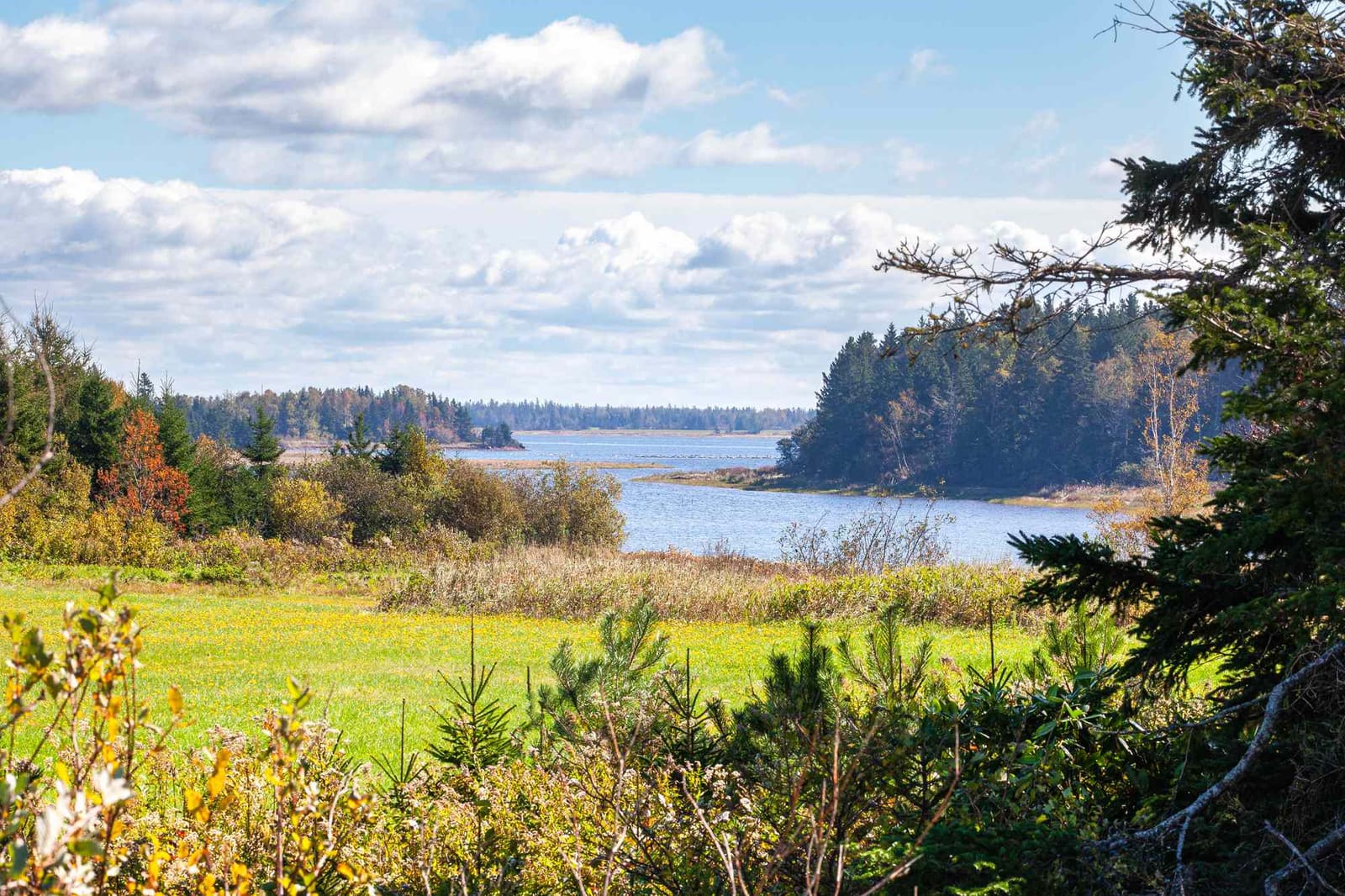
There is a particular quality to September light - lower, warmer, no longer the harsh vertical glare of July. In the Northern Hemisphere, it falls across landscapes that have begun their slow exhale after summer's peak. School buses return to service. Hotel rates drop. The great seasonal migration reverses, and suddenly places that were impossible to reach in August become available again.
This is not the season of discovery, exactly. September does not promise the thrill of winter's first snow or spring's sudden bloom. What it offers instead is access. The world in September is a softer version of itself, still warm enough for swimming in many places, cool enough for walking in others, and everywhere marked by a sense of reprieve.
Coastlines Without the Crush
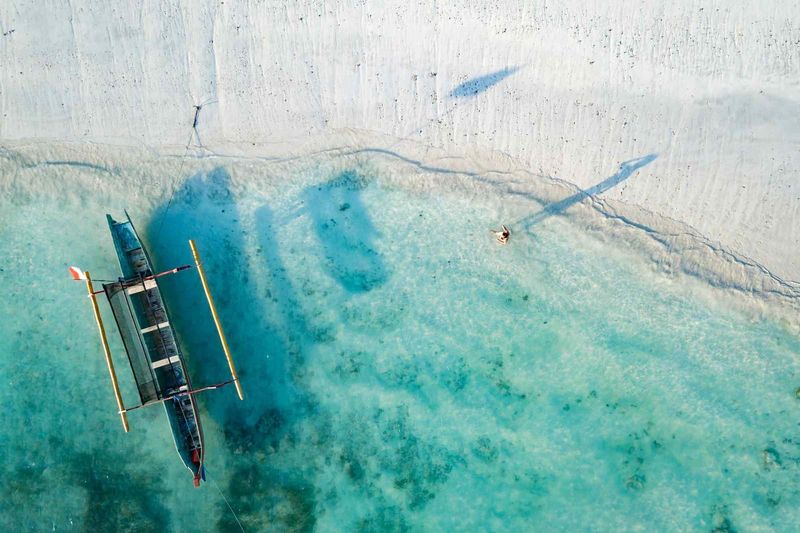
The Mediterranean, which in July and August becomes a theatre of overcrowding, begins to empty. The Amalfi Coast's cliffside villages, Santorini's caldera-edge hotels, the coves of Mallorca - all these places remain warm well into September, but the density of visitors thins. Water temperatures hover in the low twenties Celsius, high enough for comfort, and the quality of light over the Aegean or the Tyrrhenian Sea takes on a mellower cast.
Further north, the Baltic coast of Poland and the beaches of Denmark still hold warmth in early September, though the season here is shorter. What they offer is a different sort of coastal experience: amber-hunting along Gdańsk's shores, cycling through dune landscapes, evenings that cool quickly and invite layers.
In the Southern Hemisphere, the logic reverses. September is late winter, the prelude to spring. The beaches of New South Wales and Victoria are cold, but the Great Barrier Reef, further north in Queensland, remains diveable year-round, and September marks the end of the dry season - optimal visibility, minimal rainfall, and fewer travellers than the peak winter months of July and August.
Harvest as Ritual and Reason
Across wine regions, September is the month of vendemmia, vendange, harvest. In Tuscany, the grape-picking begins in earnest, and agriturismi open their doors to visitors willing to work a morning in the vines in exchange for a long lunch. In Burgundy, the narrow parcels of Pinot Noir are watched with the intensity of a countdown. In the Douro Valley, the terraced vineyards that step down to the river turn golden, and the port houses prepare for the crush.
These are not abstract experiences. The timing of harvest depends on weather, on sugar levels in the fruit, on decisions made daily. To visit a wine region in September is to arrive at a moment of consequence, when a year's work is either validated or complicated by rain, heat, or hail. The rhythm of the place changes. Meals are taken later. Conversations turn technical. There is a seriousness beneath the hospitality.
In Japan, September brings the rice harvest in the countryside, particularly in the Niigata and Akita prefectures, where terraced paddies have been cultivated for centuries. The golden fields, framed by mountains, are at their most photogenic in the weeks before the autumn equinox. This is also the season of tsukimi, moon-viewing, when the harvest moon is celebrated with offerings of rice dumplings and susuki grass.
The Cities That Reawaken
Urban centres that empty in August - Paris, Madrid, Milan - begin to fill again in September. The return is not immediate; the first week or two of the month still carry a holiday languor. But by mid-September, galleries reopen, theatres announce their seasons, and the social life of the city resumes.
Paris in September is a study in transitions. The summer heat, which in recent years has been more intense and prolonged, finally breaks. The canals of the 10th arrondissement, the gardens of the Palais-Royal, the bookstalls along the Seine - all these places become habitable again. The light, famously soft in autumn, begins its shift towards the golden hour that photographers wait for.
In New York, September marks the start of the cultural calendar: Fashion Week, the opening of the Metropolitan Opera, the beginning of the gallery season in Chelsea and the Lower East Side. The city's energy, which in July and August can feel sluggish, sharpens. The air cools. The parks fill with runners again.
Mountain Light and Alpine Air
In the Alps, September is the month between seasons. Ski lifts have long since stopped running, and the winter infrastructure lies dormant. What remains is the landscape itself - meadows still green from summer rain, high passes accessible before the first snow, and a network of rifugi and mountain huts that stay open for hikers and climbers.
The Dolomites, in particular, are at their best in September. The jagged peaks, which can be crowded in midsummer, quiet down. The via ferratas - protected climbing routes that date back to the First World War - are still open, and the weather is generally stable, though cold fronts can move in quickly. The larches, which cover the lower slopes, begin to turn gold by late September, a brief and spectacular colour shift that lasts only a week or two.
In the Pyrenees, the GR 10 trail, which runs the length of the range from the Atlantic to the Mediterranean, is still passable in September, though snow can arrive at higher elevations. The villages along the route - Lescun, Gavarnie, Vielha - are quieter now, and the refuges less crowded.
Festivals That Mark the Turn
September is a month of festivals, many of them rooted in harvest or the end of summer. Oktoberfest, despite its name, begins in mid-September in Munich, and the beer tents fill with visitors from across Europe and beyond. The event is both highly commercialised and genuinely rooted in Bavarian tradition - a tension that defines much of contemporary festival culture.
In Edinburgh, the Fringe, which dominates August, gives way to a quieter month, though the city's cultural calendar remains full. The Scottish landscape, particularly the Highlands, is at its most dramatic in September, when the heather blooms and the hills turn purple.
In India, September often coincides with Ganesh Chaturthi, a festival that marks the birth of the elephant-headed deity Ganesh. In Mumbai, the festival culminates in processions that carry clay idols to the sea for immersion, a ritual that draws millions. The monsoon, which arrives in June, is winding down by September, though rain can still be heavy in the south and west.
The Practical Calculus
Part of September's appeal is purely logistical. Airfares drop after the summer peak. Hotels that were fully booked in July and August have availability. Popular sites - the Uffizi, the Acropolis, the Alhambra - still require advance booking, but the queues are shorter.
There is also a psychological shift. The urgency of summer travel - the sense that one must go now, before the season ends - gives way to something more measured. September is not a deadline; it is an extension, a grace period before the year accelerates again.
A Season of Margins
What September lacks in drama, it makes it up for in balance. The weather is neither extreme nor entirely predictable. The crowds are present but manageable. The natural world is in flux - grapes ripen, leaves begin to turn, migratory birds gather - but nothing happens all at once.
This is travel at the margins of the calendar, in the spaces between peak seasons. It requires a certain flexibility, a willingness to accept that not everything will be open, that some places will already be shifting towards winter. But for those who value access over spectacle, quiet over energy, September remains one of the year's most rewarding months to move through the world.
The season does not announce itself. It simply arrives, and for a few weeks, before autumn fully settles in, it offers a version of summer that is easier to inhabit - less insistent, more forgiving, and still warm enough to remember why we travel in the first place.