When the Desert Breathes: Finding Dubai's Perfect Season
Between the glittering high season and the empty summer furnace lies a window when this city reveals a quieter, more generous side.
The City Between Seasons
There is a particular morning in late November when you can sit on a terrace in Jumeirah and feel the air shift. The oppressive weight that has pressed down since April lifts, replaced by something gentler: a breeze that smells faintly of salt and possibility. The city, which has been hiding indoors for months, begins to spill back onto its streets.
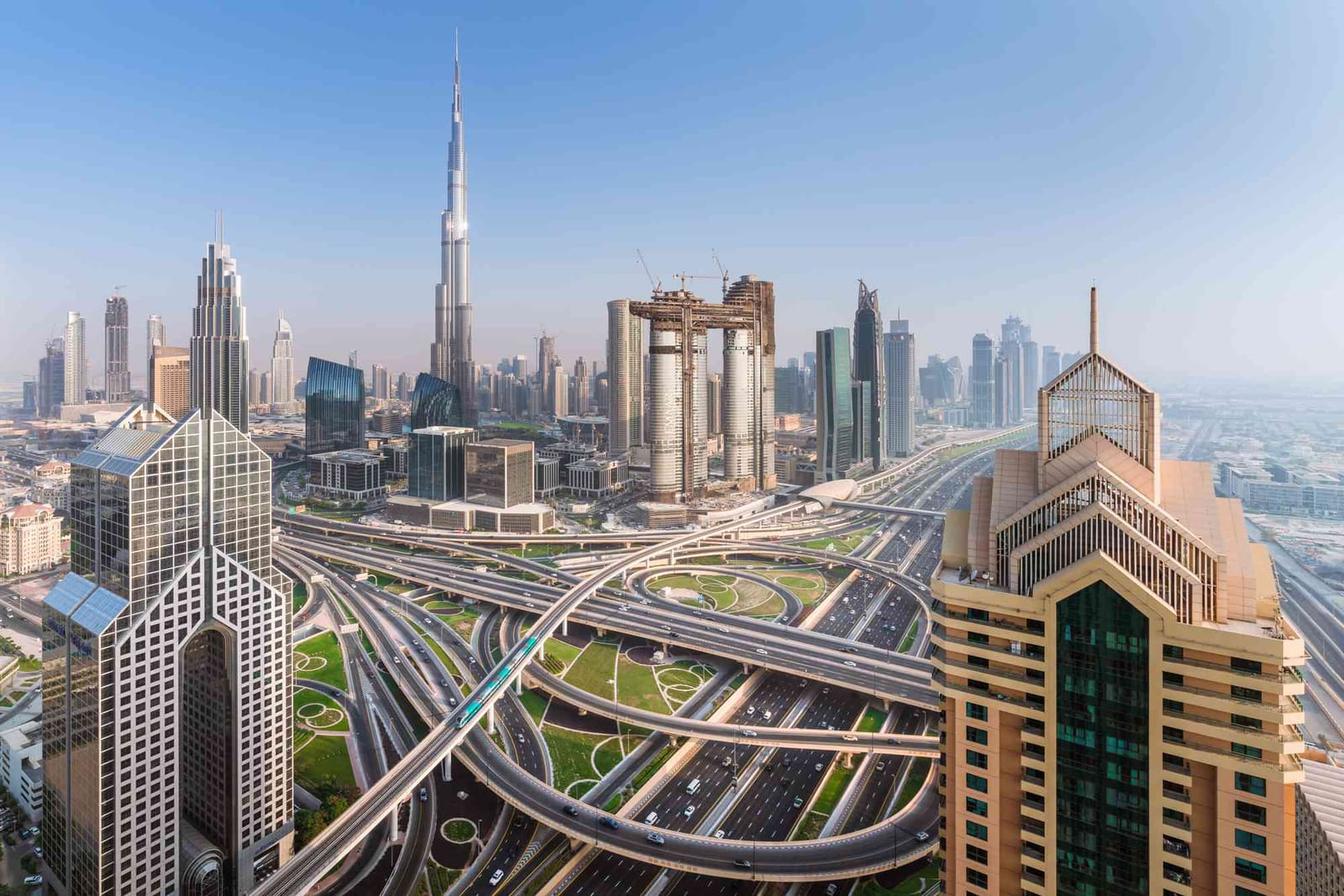
At Global Chic Voyage, we have watched Dubai's calendar unfold in cycles that feel almost liturgical in their predictability. Summer is a crucible: empty sidewalks, air-conditioned interiors, and hotel rates that plummet in tandem with occupancy. Winter is spectacle: throngs at the Burj Khalifa, queues snaking through the souks, and room prices that climb toward the stratosphere. But between these poles lies a season that feels like a secret kept by those who know the city best.
The question travelers ask is always the same: when should I go? The answer, as with most questions about timing and place, depends on what you are willing to trade.
The Cool Months: When Dubai Opens Its Doors
From November through March, Dubai becomes the city it was engineered to be. Temperatures settle into the low twenties Celsius, occasionally dipping into the teens at night. This is the weather that allows outdoor dining to make sense, that fills the beaches without sending people scrambling for shade, that turns the desert hinterland into a landscape worth exploring rather than merely surviving.
This is also when the city fills. Winter in Dubai means peak season in every sense: cultural festivals, sporting events, and a steady stream of European and North American travelers fleeing their own grey months. The Dubai Shopping Festival stretches across January and February, turning the city into a retail theatre. Hotels know their value during these weeks, and prices reflect it.
Yet even within this window, there are gradations. Late November and early December offer a kind of preview: pleasant weather without the full crush of holiday crowds. March, at the tail end, sees temperatures beginning their slow climb, but the city has not yet emptied. These shoulder weeks within the high season can offer a compromise, a way to catch the best weather while sidestepping some of the density and expense.
The Furnace Months: Empty and Economical
Summer in Dubai is not a metaphor. From June through August, the city bakes under temperatures that regularly exceed forty degrees Celsius, with humidity that turns the air viscous. This is when the expatriate population decamps for cooler latitudes, when construction sites go quiet during midday hours, when the rhythm of the city shifts entirely indoors.
For most travelers, this season is a non-starter. The heat is not just uncomfortable but genuinely limiting: walking between buildings becomes a tactical operation, outdoor attractions close or operate on reduced schedules, and the famed beach clubs lose much of their appeal when the sea itself feels like bathwater.
But there is a certain logic to visiting during these months if your tolerance for heat is high and your budget is constrained. Hotel rates can drop by half or more compared to winter peaks. Restaurants are easier to book, museums are quieter, and the city's vast air-conditioned interiors become destinations in themselves. The Dubai Mall, with its aquarium and ice rink, makes a kind of perverse sense when the world outside is inhospitable.
This is not the Dubai of postcard images, but it is a version of the city that reveals something about how it functions: as a series of climate-controlled chambers connected by brief, scorching transitions.
The Shoulder Windows: October and April
If there is a sweet spot in Dubai's calendar, it lives in the weeks just before and after the high season. October and April represent a gamble that often pays off: temperatures are manageable, crowds are thinner, and prices have not yet reached their winter extremes.
October can still carry the residual heat of summer, particularly in its early weeks, but by mid-month the air begins to shift. Pool decks reopen for evening service, outdoor terraces start appearing on restaurant websites again, and the city begins to remember what it feels like to exist outside. This is transition weather, unreliable but often generous.
April works in reverse. The peak season is winding down, but the punishing summer heat has not yet arrived. Morning temperatures are pleasant, though afternoons can climb. The crowds that packed the city in January have dispersed, and hotels begin adjusting their rates downward. There is a sense of the city exhaling, of locals reclaiming spaces that have been overrun for months.
These shoulder months require a certain flexibility. Weather can be unpredictable, swinging warmer or cooler than expected. But for travelers willing to accept some uncertainty in exchange for better value and fewer queues, they offer a compelling case.
What You Are Willing to Trade
Choosing when to visit Dubai means deciding which discomfort you are least willing to tolerate. Heat? Crowds? Cost? The city rarely offers all three in ideal balance.
The winter months provide the best weather and the fullest calendar of events, but you will share them with everyone else who has made the same calculation. Expect to book restaurants weeks in advance, to navigate packed attractions, and to pay premium rates for accommodation. This is Dubai at its most accessible and its most expensive.
The summer months offer solitude and savings but at the cost of genuine physical discomfort. This is a season for those who plan to spend their days inside malls and museums, who do not mind that their hotel pool will be largely deserted, who see value in experiencing the city in its off-hours.
The shoulder seasons split the difference: good weather without the peak crowds, reasonable prices without the summer's heat. They are the choice of those who have learned that the best travel often happens in the margins, in the weeks just before or after everyone else arrives.
The Practical Considerations
Beyond weather and crowds, timing a visit to Dubai involves thinking about what you want the city to offer. The cultural calendar clusters around winter: Art Dubai in March, the Dubai International Film Festival, the various food and music festivals that proliferate when the weather allows outdoor venues. Summer, by contrast, is quieter, though the Dubai Summer Surprises campaign attempts to fill the gap with shopping promotions and indoor entertainment.
Religious observances also shape the city's rhythm. Ramadan, which shifts earlier each year according to the lunar calendar, transforms Dubai's daily schedule. Restaurants close during daylight hours, though hotels continue to serve guests in screened areas. The pace of the city slows, and evenings take on a different character as the fast breaks and the city comes alive. For some travelers, this is a fascinating window into the culture; for others, it represents logistical complications.
Weekend patterns matter too. Dubai's weekend falls on Friday and Saturday, which means Thursday nights are when the city goes out. If you are visiting for nightlife and dining, aligning your trip with these rhythms can enhance the experience.
The City on Its Own Terms
There is no perfect time to visit Dubai, only the time that aligns with what you are seeking. We return in different seasons and find different cities: the winter version, polished and performed; the summer version, empty and air-conditioned; the shoulder-season version, catching its breath.
The desert does not offer temperate compromise. It deals in extremes, and the city built upon it reflects that logic. The best you can do is choose which extreme suits you, and plan accordingly. The city will be there, glittering and relentless, whatever month you arrive.