Noirmoutier: France's Island That Disappears Twice a Day
Beyond the familiar coasts of the Riviera lies an Atlantic refuge where the tide dictates arrivals, pine forests meet windswept dunes, and three-Michelin-starred tables serve what the morning auction brings.
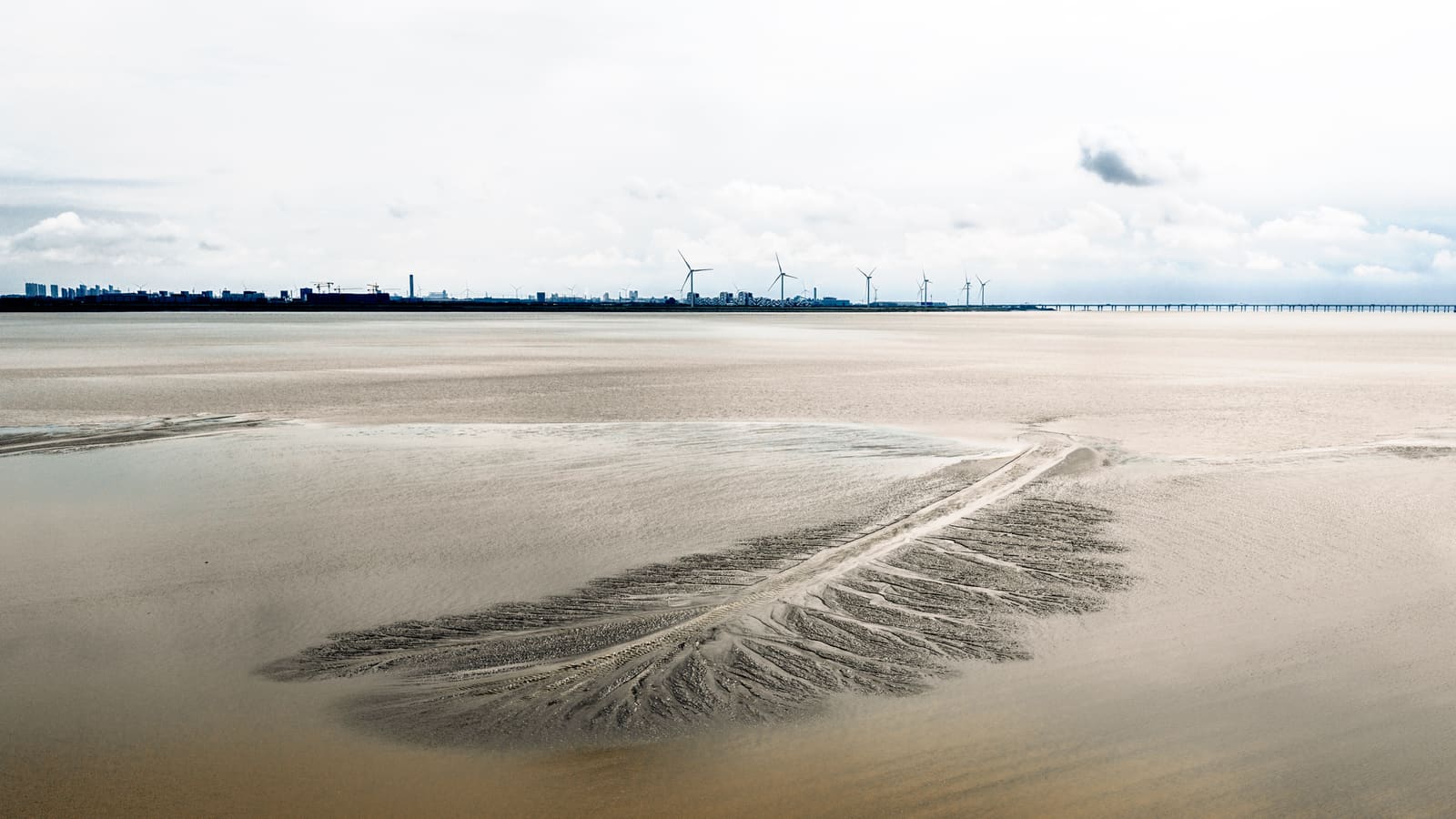
The Road That Vanishes
The Passage du Gois runs for four kilometres across the seabed, linking mainland France to Noirmoutier-en-l'Île. Twice daily, the Atlantic claims it back. You time your crossing around the tide tables, not your own schedule. Rescue towers punctuate the route for those who miscalculate. It is a threshold designed by geology, not concierge, and it sets the tone for everything that follows.
Noirmoutier measures less than half the area of Nantucket. Pine woods slope down to sand. Salt marshes checker the interior. The architecture speaks Belle Époque in some quarters, weathered fisherman's cottage in others. There are no nightclubs, no superyacht berths engineered for spectacle. What the island offers instead is a kind of edited abundance: exceptional produce, exceptional cooking, and a rhythm governed by what the ocean and soil yield in their season.
A Restaurant That Needs No Introduction
La Marine, helmed by chef Alexandre Couillon, holds three Michelin stars. The dining room overlooks the harbour. Couillon sources fish from the auction house across the street and vegetables from the restaurant's organic garden. According to La Marine, reservations for 2027 open on 4 November. The booking window is brief; the waitlist, long.
This is hyper-local cooking in its most disciplined form. The menu reflects what the boats brought in that morning, what the garden beds produced that week. It is a model that prizes proximity over novelty, and it has made the restaurant a pilgrimage site for those who understand that luxury is often a function of restraint.
Salt, Potatoes, and the Cult of Terroir
Hand-harvested sea salt from Noirmoutier's marshes has been prized for centuries. The process is slow, artisanal, and yields crystals with a minerality shaped by the Atlantic itself. In May, the island celebrates a brief harvest of La Bonnotte potatoes, a variety cultivated here for three months and known for its delicate, faintly citrus flavour. According to industry records, these tubers have commanded prices exceeding 600 US dollars per kilogramme at auction.
The Gendron brothers, Mathieu and Aurélien, manage Les Petits Bassets and have transformed a former oyster hut in the marshes into Le Bouclard, a seasonal tasting cabin open from April to October. Visitors can sample oysters harvested from family beds and, if timing aligns, tour the farm with their father, Alain. La Guérinière, the commune where they work, has a long history of oyster cultivation. Happy hour here is measured in bivalves, not cocktails.
Bois de la Chaise and the Architecture of Discretion
The northeast corner of Noirmoutier is dominated by Bois de la Chaise, a protected pine forest sheltering Belle Époque villas and contemporary estates. Aristocrats built grand summer homes here in the 19th century. Many remain in the hands of Parisian and Nantes families, used as second residences. The real estate trades in the multimillion-euro range, though listings are rare.
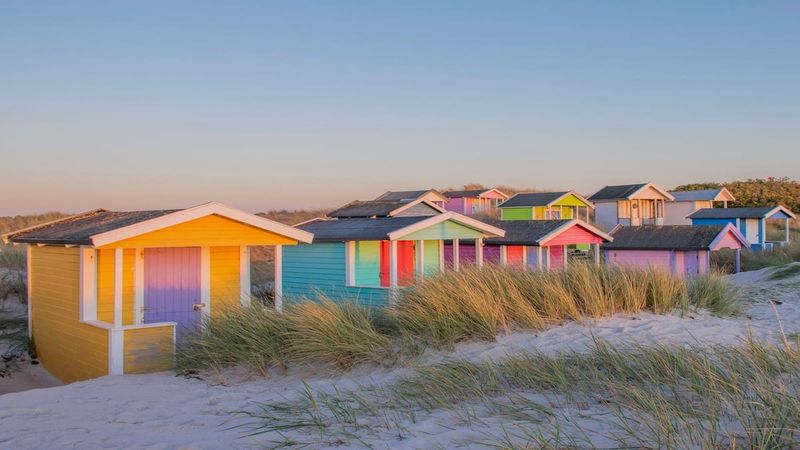
Plage des Dames curves along this stretch, its white wooden beach huts set against a backdrop of oak and pine. The beach is calm, family-oriented, and notably free of the scrutiny that follows more famous French coastal enclaves. Privacy here is structural, not purchased.
Vendée: The Coast of Light
Noirmoutier sits within the Vendée, a department on France's Atlantic edge that spans roughly 250 kilometres of coastline. The region receives enough sunshine to earn the nickname Côte de Lumière. It is also home to Île d'Yeu, a smaller, even quieter island favoured by campers and sailors, and the town of Les Sables-d'Olonne, departure point for the Vendée Globe. The race is a non-stop, single-handed circumnavigation of the globe, held every four years, and widely regarded as one of the most demanding tests in ocean sailing.
St. Gilles Croix de Vie, further up the coast, has been designated a Site Remarquable du Goût by the French Ministry of Culture for its sardine heritage. The town hosts a spring sardine festival, operates L'atelier de la Sardine (a museum, shop, and tasting room), and maintains a 2.4-kilometre walking trail marked with blue sardine emblems, connecting 14 sites tied to the local fishing industry. Kitesurfers favour the town for its consistent wind and launch conditions.
Inland, the Marais Poitevin unfolds as a network of canals shaded by willow and alder. The area is known colloquially as Green Venice. Flat-bottomed barges, called yoles, are poled through the waterways by standing boatmen using long paddles known as pigouilles. The canals form a lattice through farmland and marsh, slow-moving and cathedral-quiet.
A Place That Resists Amplification
Vendée does not lack festivals. There are celebrations for flowers, chocolate, astronomy, and a rotating calendar of seasonal harvests. Yet the region has remained largely outside the circuits that draw international attention to Biarritz or the Côte d'Azur. As temperatures rise in the south, some travellers are beginning to look north. The Atlantic coast offers cooler summers, fewer crowds, and a culture that has not yet reorganised itself around tourism.
Noirmoutier exemplifies this. The island's appeal lies not in what it offers to visitors, but in what it has preserved for itself: working salt marshes, active oyster farms, a restaurant that turns away more guests than it seats, and a causeway that refuses passage twice a day. It is a place that operates on its own terms, and that fact alone may be its greatest luxury.
What It Means to Arrive on Island Time
There is a particular pleasure in adjusting your plans to the tide. In waiting for the road to reappear. In booking a table a year in advance and accepting that the menu will be determined by forces outside anyone's control. Noirmoutier does not bend to convenience. It asks you to bend instead.
This is not the France of grand hotels and manicured promenades. It is the France of fishermen's schedules, of potatoes that cost more than caviar, of oysters eaten standing in a marsh. It is a version of luxury that requires fluency in a different language: one of patience, of seasonality, of knowing when to arrive and when the ocean will let you leave.