When the Crowds Leave, the Coast Reveals Itself
From Kennebunkport's amber woods to Amelia Island's whale season, the Atlantic shore becomes a different place entirely once September arrives.
The Locals' Secret
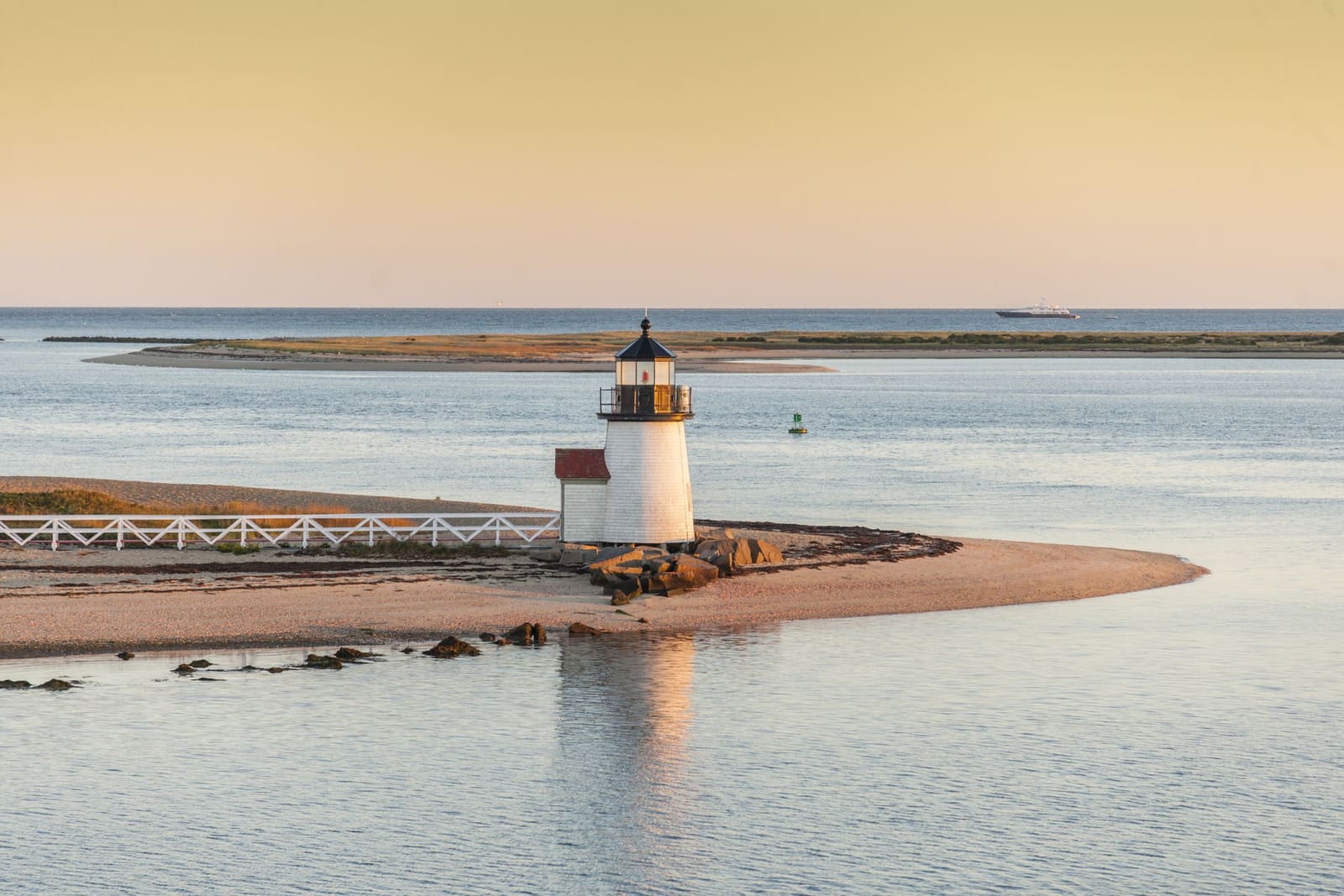
There is a moment, usually in early September, when the Atlantic coastline exhales. The rental turnover slows. Parking meters lose their urgency. The people who remain - or return - move through town with the easy gait of those who know where to find the best scallops, which trail offers the clearest view of migrating raptors, and why October on the shore beats July every time.
At Global Chic Voyage, we've watched this seasonal shift for years, and the pattern holds: the beaches we love most in summer become entirely different places in fall. Not diminished, but distilled. The same dunes and lighthouses and clapboard villages, now wrapped in cooler air and softer light, reveal a quieter version of themselves. For travelers willing to trade peak-season buzz for something more contemplative, autumn along the East Coast offers a rare gift - the chance to see these places as their year-round residents do.
What follows is not an exhaustive catalog, but a curated journey down the seaboard, from Long Island to the Georgia coast, through ten towns that hold their charm well past summer's end.
North Fork: Vineyards and Vintage Under Autumn Skies
The North Fork of Long Island has long played the understated sibling to the Hamptons, a role it wears comfortably. In fall, when the vines turn gold and the farm stands overflow with heirloom apples, the region's agrarian identity comes into sharper focus.
This is harvest season, and the rhythm of the peninsula follows the grape. Tastings at smaller estates grow more intimate as visitor numbers drop. The air smells of woodsmoke and cider. At Breeze Hill Farm, apple cider donuts arrive warm from the fryer, best consumed before a walk through Orient Beach State Park, where the dunes glow amber in the slanted light of October afternoons.
Greenport, the North Fork's de facto capital, rewards the unhurried. The Times Vintage specializes in 1970s American sportswear - shift dresses, wide-collar blouses, the kind of pieces that photograph well against weathered docks. Beal & Bell stocks midcentury furniture that wouldn't look out of place in a Hamptons beach house, if you can manage the logistics.
Silver Sands Motel, a renovated 1950s property, has leaned into experiential programming: stargazing sessions led by astronomers from the Custer Institute, private winery tours at McCall Wines that conclude in an 18th-century barn. It's the kind of place that understands fall visitors are seeking something beyond a beach chair.
Nantucket: Scallop Season and Empty Bluffs
Nantucketers have a term for summer people - "washashores" - and a palpable sense of relief when they depart. By October, the island belongs to its residents again, and to a smaller cohort of travelers who come for bay scallop season and the chance to walk Sconset Bluff without negotiating crowds.
The scallops, harvested from late October onward, are sweeter and smaller than their deep-water cousins. Sayle's Seafood is where locals go; if you're renting a cottage, buy them by the pound and sear them in brown butter. If not, nearly every restaurant on the island will feature them prominently through winter.
The Batacular Bike Race in late October, part of the Nantucket Conservation Foundation's Fall Festival, loops through the Middle Moors, a landscape of rolling heathland and cranberry bogs. The race is more social than competitive, populated by families in costume and cyclists who stop frequently to take photos. Bartlett's Farm, the island's oldest agricultural operation, transforms into a pumpkin wonderland, though "wonderland" undersells the quiet beauty of a 19th-century farmstead at peak autumn.
Temperatures hover around 65 degrees Fahrenheit. The light takes on a pewter quality. It's an island best experienced slowly.
Kennebunkport: Lobster Rolls and River Trails
Kennebunkport in fall is a study in New England typology: white churches, red maples, gray shingle houses facing the Atlantic. The foliage here peaks in mid-October, and the best vantage points are found not on the main drags but along the quieter preserves that fringe the Kennebunk River.
Tyler Brook Preserve offers an easy loop through mixed hardwood forest. The Rachel Carson Wildlife Refuge, named for the marine biologist who summered nearby, becomes a corridor for migratory waterfowl - wild turkeys, wood ducks, the occasional white-tailed deer moving through the marsh grass.
Mabel's Lobster Claw and Alisson's remain open through October, serving the same overstuffed lobster rolls that define the region's culinary identity. The Yachtsman Hotel & Marina Club, positioned directly on the river, offers midweek discounts in early November, when the town is at its most serene.
Cape May: Victorian Gothic and Migrating Raptors
Cape May wears its history visibly. The town is a living museum of American Victorian architecture - Gothic Revival, Queen Anne, Italianate - painted in pastels and perched along tree-lined streets that feel deliberately composed.
In fall, this aesthetic takes on a slightly eerie cast, which the town embraces enthusiastically. The Emlen Physick Estate, an 1879 mansion designed by Frank Furness, offers ghost tours. The annual Victorian Weekend in early October opens private homes to the public, allowing visitors to admire original woodwork, stained glass, and the kind of ornate plasterwork that fell out of fashion a century ago.
For those less interested in the paranormal, Cape May sits on the Atlantic Flyway, one of North America's major bird migration routes. Cape May Point State Park and Higbee Beach become gathering spots for birders tracking raptors, songbirds, and waterfowl moving south. The spectacle peaks in late September and early October.
Cape May Brewery, located slightly inland, offers outdoor seating that becomes genuinely pleasant once the humidity breaks. Seasonal ales, often brewed with local pumpkin or cranberry, rotate through the taps.
Rehoboth: The Sea Witch and Free Parking
Rehoboth Beach bills itself as the nation's summer capital, a nod to its proximity to Washington, D.C., and its long history as a resort town. The boardwalk, lined with candy shops and arcades, embodies a particular strain of mid-Atlantic beach culture - unpretentious, family-oriented, slightly nostalgic.
Come September, the tenor shifts. Parking becomes free. Cape Henlopen State Park, which restricts access to "The Point" during peak season to protect nesting birds, reopens the area to hikers and anglers. The Bellmoor Inn & Spa rolls out autumn packages that bundle lodging with spa treatments, a pitch to couples seeking a quieter escape.
The Sea Witch Festival in late October is Rehoboth's signature fall event, a three-day celebration that blends Halloween theatrics with beach-town charm. Expect costume parades, a broom-tossing competition, and Hilda, a giant green sea witch float that processes through downtown. It's campy and sincere in equal measure.
Newport: Gilded Age Estates Without the Queues
Newport's Gilded Age mansions - The Breakers, Marble House, The Elms - are spectacular in any season, but they're best experienced without the summer crush. In fall, you can linger in the ballrooms and libraries, study the ceiling frescoes, and walk the oceanfront grounds without jostling for position.
The Cliff Walk, a 3.5-mile public path that skirts the estates and hugs the rocky coastline, becomes a ribbon of color in October as the surrounding trees turn. Ocean Drive, the scenic loop favored by cyclists and drivers alike, offers unobstructed views of Narragansett Bay under crisp blue skies.
Queen Anne Square, a small park in the historic district, hosts a pumpkin display each autumn - hundreds of gourds arranged in whimsical formations. Newport Vineyards, located slightly inland, produces a spiced wine that pairs well with the season. Escobar's Highland Farm operates a corn maze, if that appeals.
The Vanderbilt, part of the Auberge Collection, programs its fall calendar with New England themes: Sunday roasts, chowder-making workshops, even tea leaf readings for guests inclined toward the mystical.
Chincoteague: Wild Ponies and Quiet Refuge
Chincoteague Island, perched along Virginia's Eastern Shore, is best known for its wild ponies and the annual Pony Swim in July, when the horses are herded across a channel in a spectacle that draws thousands. In fall, the island returns to a state of near-solitude.
The Chincoteague National Wildlife Refuge, which encompasses much of neighboring Assateague Island, remains the primary draw. The ponies roam freely, grazing on salt marsh cordgrass and beach grasses. Autumn also marks the arrival of migratory waterfowl - ducks, geese, swans - that use the refuge as a stopover on their journey south.
There are no grand hotels here, no Gilded Age estates or celebrity-chef restaurants. Chincoteague offers instead a certain plainspoken beauty: empty beaches, maritime forests, the kind of quiet that feels restorative rather than dull. It's a place that rewards low expectations and long walks.
Emerald Isle: Crystal Coast Clarity
North Carolina's Crystal Coast earns its name from the clarity of its waters, a function of the offshore Gulf Stream and the white quartz sand that lines the beaches. Emerald Isle, the westernmost barrier island in the chain, offers a softer, less developed alternative to the Outer Banks.
Fall here means fishing - off Bogue Inlet for flounder and red drum, or from the surf for bluefish. Emerald Isle Woods Park, a maritime forest preserve, is best explored by bike, the trails shaded by live oaks draped in Spanish moss.
The North Carolina Seafood Festival, held in nearby Morehead City in early October, is a celebration of the region's commercial fishing heritage. Expect oyster-shucking contests, fish-frying demonstrations, and live music that skews toward beach and bluegrass. The Beaufort Hotel, located in the adjacent historic town, offers discounted rates through October for travelers willing to split their time between beach and village.
Tybee Island: Lighthouses and Oyster Season
Tybee Island sits at the mouth of the Savannah River, a 20-minute drive from Savannah proper. The proximity allows for dual itineraries - mornings on the beach, afternoons wandering the historic district, evenings in the city's restaurants.
The Tybee Island Lighthouse, originally built in 1736 and rebuilt several times since, is rumored to be haunted by a former keeper. Whether or not you believe in such things, the climb to the top offers sweeping views of the coastline and the salt marshes that fringe the island.
October marks the start of wild oyster season, and Tybee's restaurants pivot accordingly. The Pirate Fest, held in early October, is a cheerfully irreverent affair - pub crawls, costume contests, a parade featuring more than a few Jack Sparrow impersonators.
Fort Pulaski National Monument, located on a nearby island, is worth the short trip. The Civil War-era fortification is surrounded by tidal marshes that glow gold in the low light of autumn afternoons. Bike paths loop through the preserve, offering close encounters with egrets, herons, and the occasional alligator.
Amelia Island: Right Whales and the Secret Season
Amelia Island, tucked into the northeastern corner of Florida, enjoys what locals call the "secret season" - the months between summer's heat and winter's snowbird influx when temperatures settle into the mid-70s and the island feels almost undiscovered.
Kayaking Lofton Creek in fall means paddling without the oppressive humidity and biting insects that define summer. Egan's Creek Greenway, a freshwater wetland, becomes a staging ground for migratory birds. The Island Hop Craft Beer Festival in early October and the Amelia Island Jazz Festival later that month bring a cultural dimension to what is otherwise a nature-forward destination.
But the marquee event is the Right Whale Festival in November, which celebrates the return of North Atlantic right whales to the island's offshore waters. Fewer than 380 individuals remain, making them one of the most endangered large whale species on the planet. Commercial boat tours are prohibited to minimize disturbance, but patient observers stationed at Burney Park or Main Beach Park sometimes catch sight of a dark form breaking the surface, exhaling a plume of mist before slipping back beneath the waves.
The Ritz-Carlton hosts the Amelia Island Cookout in mid-October, a multi-day culinary event that spills into Fernandina Beach with bourbon cruises and oyster roasts. It's a reminder that even in the off-season, the island knows how to gather.
A Different Rhythm
The Atlantic coast in fall operates on a different clock. Restaurants keep shorter hours. Shops close midweek. The urgency that defines summer - the need to maximize every beach day, to secure a dinner reservation, to arrive early for parking - dissipates.
What replaces it is a slower, more forgiving pace. Time to walk the length of a beach without checking your watch. To sit on a porch with a book and a blanket. To taste the first scallops of the season, or watch a right whale surface offshore, and recognize these moments as the true luxury of coastal travel.
For those willing to visit after the crowds depart, the reward is not simply a better deal or an easier parking spot, though both are welcome. It's the chance to see these places as they are, rather than as they perform. And in that quiet revelation, autumn on the East Coast becomes not a consolation prize, but the main event.