When Seminyak Lights Up: A Bali Resort's December Rituals
Hotel Indigo Bali Seminyak Beach unfolds a season of fire dances, beachfront feasts and rituals that trace the island's layered celebrations.
The Geography of Celebration
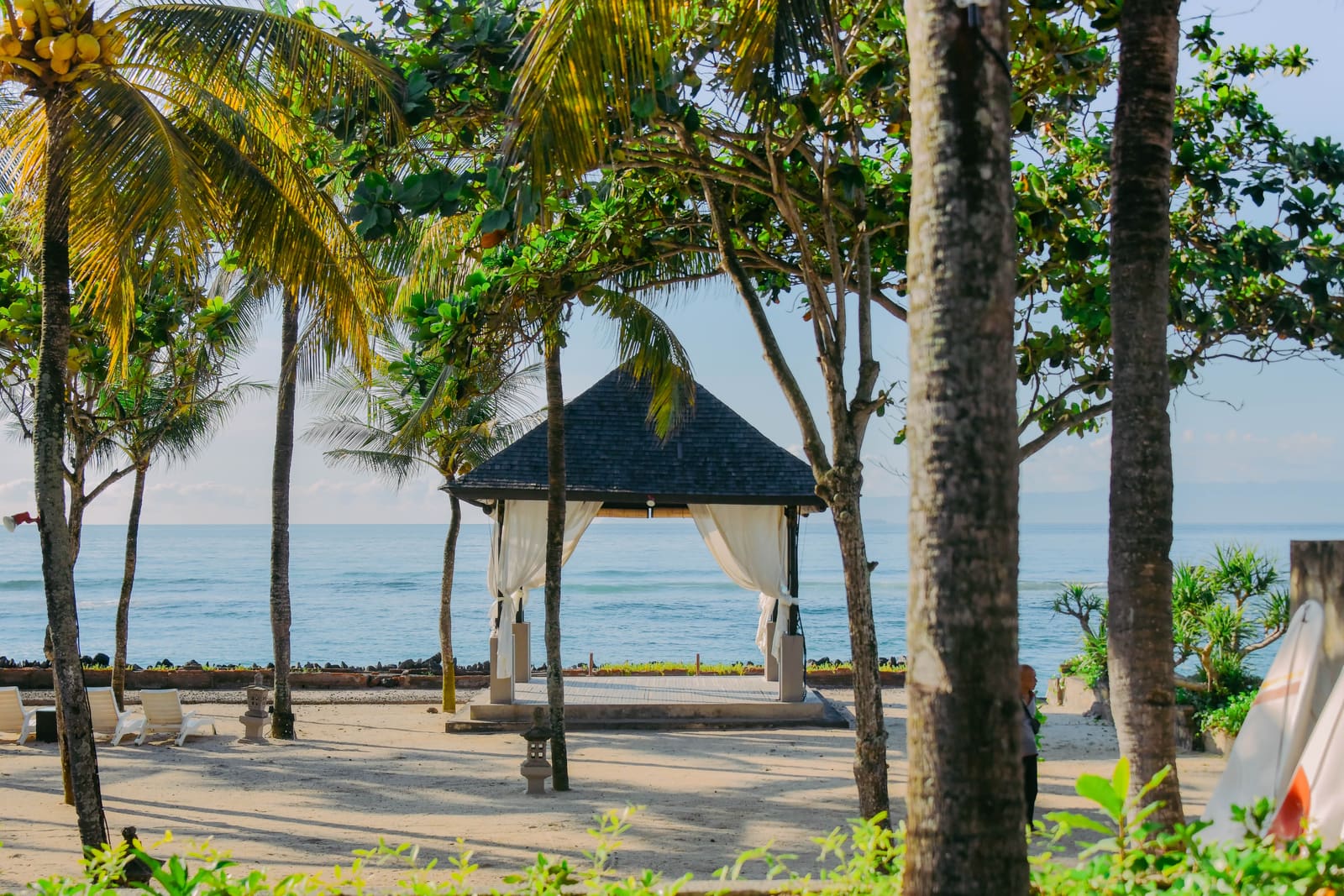
There is a particular alchemy to December in Seminyak. The monsoon has not yet arrived in full force, and the stretch of beach between Camplung Tanduk and the water's edge becomes a kind of secular cathedral, where visitors gather not for prayer but for the quieter rituals of transition: the year ending, the year beginning, the small ceremonies of togetherness that travel demands.
Hotel Indigo Bali Seminyak Beach, a 289-room property positioned just inland from that same stretch of sand, has announced its festive programme for the 2026 season. Across Christmas Eve, Christmas Day and New Year's Eve, the resort will activate two of its primary dining venues, Makase and SugarSand, with a series of buffets, multi-course dinners and live performances that include fire dance, a traditional Balinese art form that has, over decades, become shorthand for the island's theatrical hospitality.
The resort was recognised as the silver winner for Best Honeymoon Hotel in Bali at Bali's Best Awards 2026, according to the property. Room rates begin at 4,100,000 Indonesian rupiah (approximately 260 USD) per night for standard accommodation, rising to 9,900,000 rupiah (around 630 USD) for villa stays.
Fire, Feast and the Architecture of Gathering
The festive calendar opens on 24 December with a buffet dinner at Makase, the resort's Southeast Asian restaurant. The evening will feature live music and a fire dance performance, the latter a practice rooted in the Balinese kecak tradition, though adapted here for the resort stage. Fire dance in Bali is not merely spectacle; it is narrative, a retelling of myth through movement and flame, and its presence at a hotel dinner signals the way tourism and tradition have long negotiated shared space on this island.
Christmas Day offers two paths. The first is a buffet brunch at Makase, spanning more than 14 stations. The menu includes roasted honey pork belly ham and wagyu beef, alongside seasonal preparations and gelato. Chefs will work at live cooking stations, a format that collapses the distance between kitchen and table, making preparation part of the performance. Acoustic music will provide the soundtrack, a deliberate choice that suggests slowness, ease, the kind of afternoon that resists hurry.
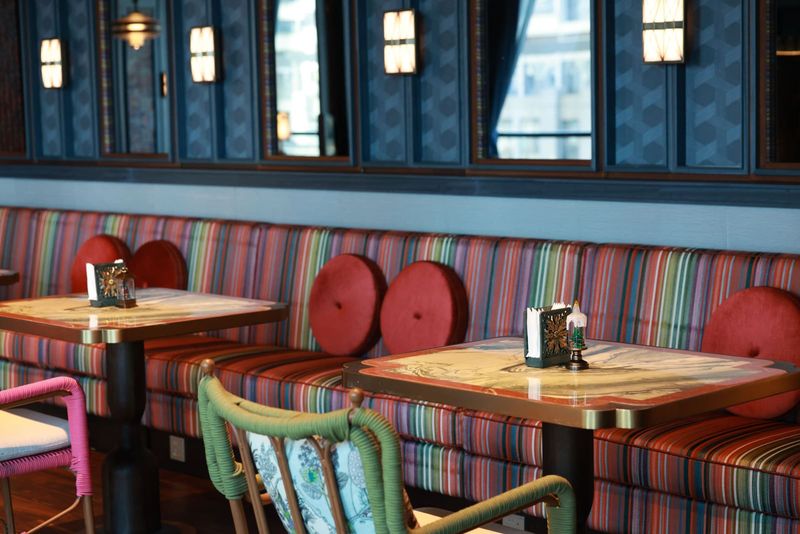
The second option arrives in the evening: a multi-course sharing dinner at SugarSand, the resort's beachfront venue. The restaurant has introduced what it calls a "borderless" menu, a term that gestures toward the culinary cross-pollination increasingly common in high-end resort dining. Mediterranean techniques meet Asian ingredients; Italian pastas share table space with spice profiles drawn from the archipelago. It is a cuisine of adjacency, of flavours that have travelled and settled beside one another, much like the guests themselves.
The Rituals of Transition
New Year's Eve follows a similar structure. Makase will host a buffet dinner, while SugarSand offers a multi-course beachfront meal. Both venues will feature live bands and fire dance. At 11.30pm, the gathering shifts to SugarSand's Upper Deck and Kiosk Beachfront Deck, where DJs will play through the countdown and into the first minutes of the new year. The toast, when it comes, will happen with sand underfoot and the Bali Sea stretched out in the dark.
These dinners are open to non-guests; reservations can be made directly with the hotel. But for those staying on property, the festive programme expands to include complimentary activities for children: Christmas crafts, treasure hunts, games and a movie night. These are the small architectures of family travel, the activities that allow parents to sit with a glass of wine while children are occupied, briefly, elsewhere.
The Villa as Archipelago
The resort's two-bedroom pool villas occupy 800 square metres and are designed as a series of pavilions rather than a single structure. Two bedrooms sit apart, offering privacy. Between them, a private pool anchored by a timber deck becomes the gravitational centre. A covered daybed flanks one side; an open-air living pavilion the other. A private kitchen and 24-hour butler service are included, practical considerations for families or groups travelling with young children.
This layout reflects a broader logic in Balinese resort architecture: the idea of the compound, where discrete structures orbit a shared courtyard or pool. It is a spatial grammar borrowed from traditional Balinese family compounds, where sleeping quarters, kitchens and temples exist as separate buildings within a single walled enclosure. Here, that grammar has been translated into the language of luxury hospitality, where separation allows for both togetherness and retreat.
The Body After Excess
The day after New Year's Eve, the body makes its demands known. Sava Spa, the resort's wellness facility, sits beneath a pool inspired by Bali's subak irrigation system, a centuries-old network of water management recognised by UNESCO. The spa offers traditional Balinese massage and body scrubs, as well as a 120-minute treatment called the Magic Glow ritual, which combines coffee scrub, massage and facial. There is also a sauna, an ice bath and a hair salon.
The resort runs a schedule of daily activities. Balinese dress-up and endek painting, a traditional textile technique, are complimentary. Vinyasa and yin yoga sessions begin at 125,000 rupiah (approximately eight USD) per person; latte art and Balinese dance classes cost 250,000 rupiah (around 16 USD). A neighbourhood bicycle ride takes guests through Seminyak's streets, a way of moving through the area that slows perception, that allows the small details of place to surface.
The Threshold of the Year
What draws people to a place like this in December is not merely the beach or the villa or the food, though those are the stated reasons. It is the desire to mark time somewhere other than home, to step outside the familiar rituals and into a choreographed version of celebration, one where fire dancers arrive on cue and the countdown happens with strangers who, for one night, become companions in the act of turning the year over.
Hotel Indigo Bali Seminyak Beach is located at Jalan Camplung Tanduk No. 10, a short walk from Seminyak Beach and the neighbourhood's constellation of shops and restaurants. The resort has 289 rooms, suites and villas; the smallest rooms begin at 50 square metres. SugarSand, positioned to capture the western horizon, has become known locally as a sunset venue, a place where the day's light performs its final, saturated act before dark.
December in Seminyak is a season of arrivals. Families, couples, groups of friends converge on this stretch of coast, drawn by the promise of warmth when the northern hemisphere tilts into winter. The rituals they find here are part invention, part inheritance: buffets and fire dance, champagne toasts and temple bells, the old and the new layered like the island itself.