When a Hotel Becomes the Destination: Inside Healdsburg's New Luxury Arrival
Appellation redefines wine-country hospitality by placing culinary excellence at the center of the stay itself.
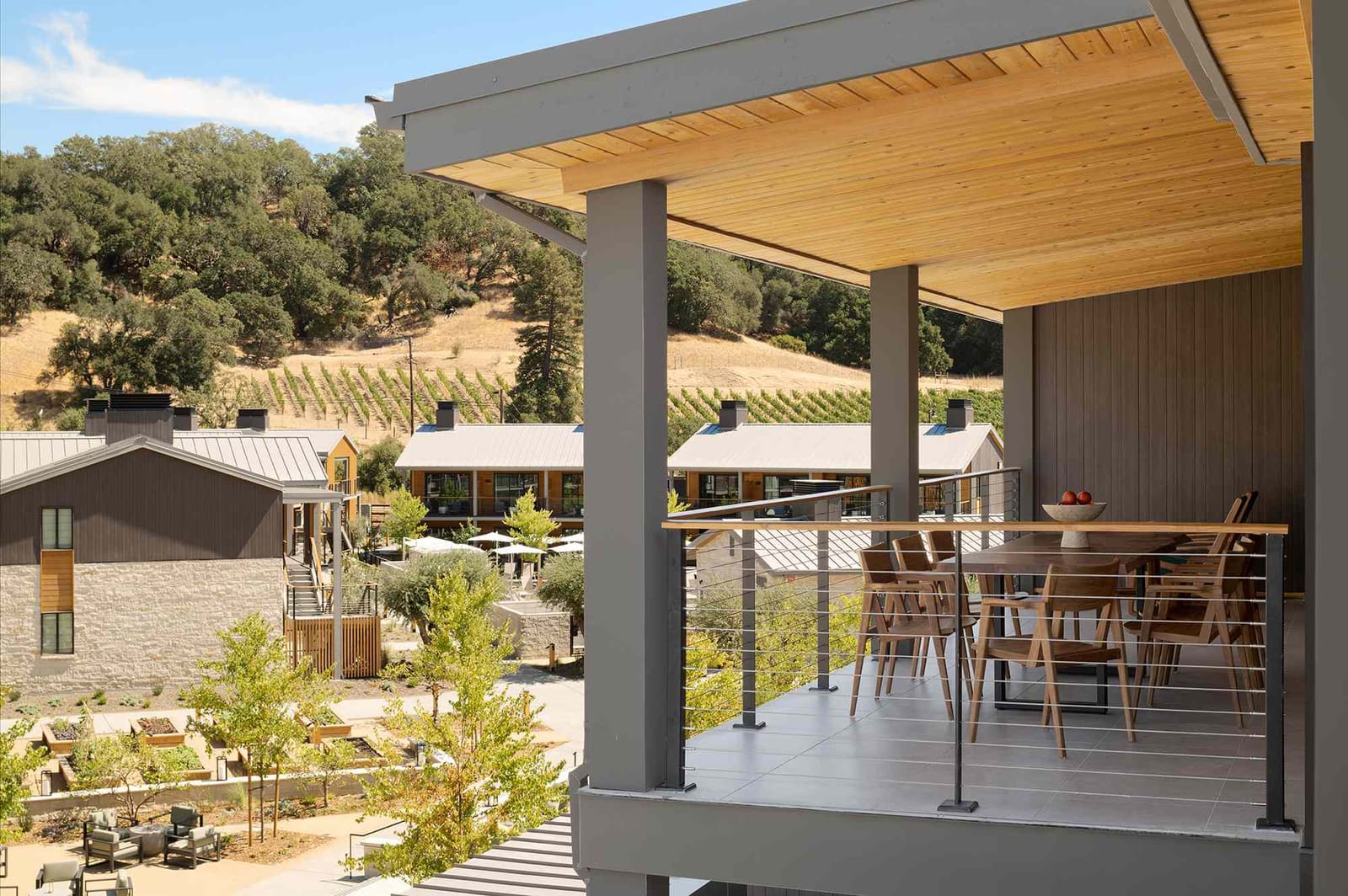
The Kitchen as Threshold
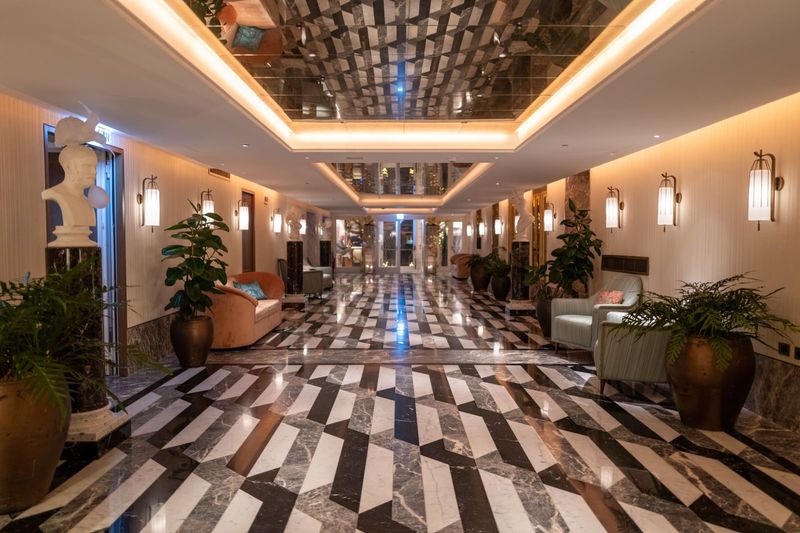
There is a moment, just after you've crossed the threshold of Appellation in Healdsburg, when the scent of something slow-roasting reaches you before the concierge does. It is not the usual lobby perfume of fig-and-cashmere diffusers or the faint musk of leather furniture. It is savory, specific, insistent. It smells like a kitchen that knows what it is doing. And in that instant, the usual hierarchy of a wine-country resort inverts: you realize you have not checked into a hotel with a restaurant attached. You have checked into a restaurant that happens to offer rooms upstairs.
At Global Chic Voyage, we have long argued that the most compelling properties are those that understand their own center of gravity. Some revolve around a pool, others around a spa or a view. Appellation, the inaugural property of a new hotel brand in Northern California, has staked its identity on the plate. The dining program here is not an amenity. It is the architecture.
A New Name in Wine Country
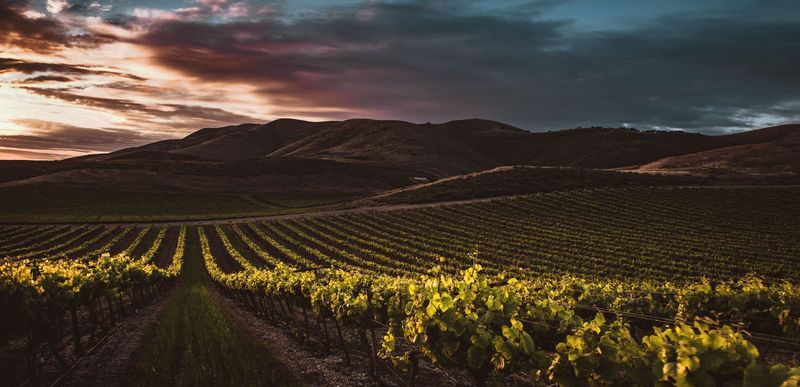
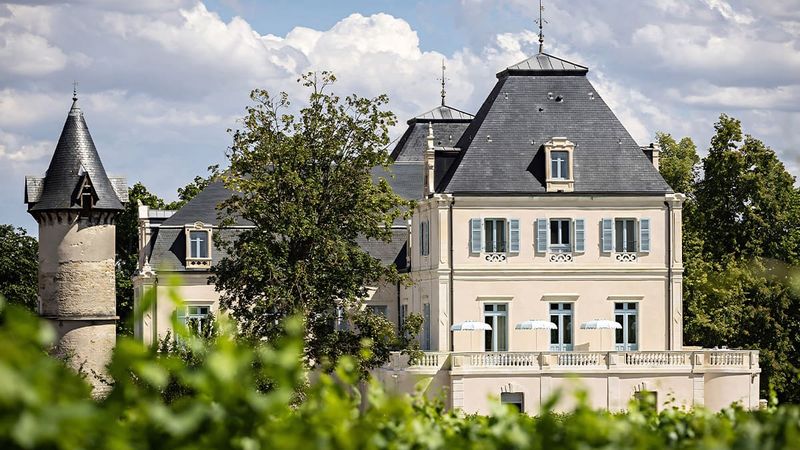
Appellation launched in Healdsburg in early 2026, marking the debut of a brand that positions itself at the intersection of viticulture and culinary craft. The name itself is borrowed from winemaking terminology, a nod to the specificity of place that defines both great wines and, increasingly, great hotels. Healdsburg, nestled in the heart of Sonoma County, has long been a magnet for oenophiles and weekend urbanites fleeing the Bay Area. But the town's hospitality landscape has historically leaned on proximity to vineyards as its primary selling point. Appellation flips that script. The property invites guests to linger indoors, to treat the dining room as the main event, and to venture out to the surrounding wineries only when appetite and curiosity align.
The resort sits within easy reach of some of Sonoma County's most celebrated producers, as well as a constellation of Michelin-starred establishments that have turned this corner of California into a gastronomic pilgrimage site. Yet Appellation's wager is that it can hold its own against that competition, that guests will choose to dine in rather than drive out. It is a bold claim in a region where the restaurant scene is both dense and distinguished.
The Culinary Core
The kitchen at Appellation operates with the precision and ambition of a standalone fine-dining destination. The menu changes with the seasons and the whims of the farmers who supply it, but the philosophy remains constant: ingredient-led, technique-driven, unapologetically focused. There is no attempt to simplify for a captive hotel audience. The dishes arrive with the same layered complexity you would expect from a restaurant that must earn its reservations every night.
We have watched, over the past decade, as hotel dining has shed its reputation for mediocrity and emerged as a legitimate stage for culinary talent. But even within that evolution, Appellation stands out. The restaurant is not a side project helmed by a consulting chef who flies in once a quarter. It is the reason the hotel exists. The rooms are the side project.
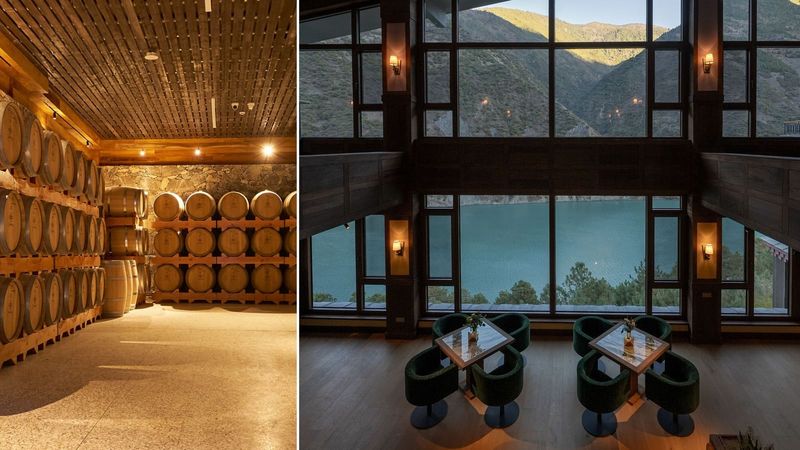
This inversion has practical implications. Breakfast is not a buffet. Dinner reservations are competitive, even for guests. The bar program is serious enough to warrant a dedicated menu and a mixologist who speaks the language of terroir as fluently as any sommelier. The wine list, predictably, is a love letter to the region, but it resists the temptation to become a greatest-hits compilation. You will find growers here who do not appear on every other list in town, producers whose allocations are small and whose stories are worth hearing.
The Rooms: Quiet Luxury in Service of Rest
If the restaurant is the heart, the guest rooms are the lungs: necessary, restorative, designed to let you breathe. They are not showy. There are no statement chandeliers or Instagram-bait wallpaper. The palette is neutral, the furnishings are considered, and the windows frame views of the surrounding hills with the kind of restraint that suggests confidence. The design language here is one of calm, of spaces that recede rather than demand attention.
The beds are excellent. The linens are the kind that make you notice linens. The bathrooms are generous without being cavernous, and the lighting is calibrated for both vanity and relaxation. These are rooms built for people who have spent the evening eating and drinking well, who want nothing more than to collapse into something soft and wake up slowly.
There is no spa, no elaborate wellness program, no sunrise yoga on the terrace. Appellation does not try to be all things. It is a place to eat, to sleep, to drink wine that was grown ten minutes away, and to do all of this without the pressure of a packed itinerary. It is, in other words, a retreat in the truest sense: a place to withdraw, to focus on a few things done exceptionally well.
Healdsburg as Context
Healdsburg itself remains one of Northern California's most charming small towns, a grid of tree-lined streets anchored by a central plaza that has managed to resist the worst excesses of wine-country gentrification. Yes, there are tasting rooms and boutiques and cafés that charge too much for almond croissants. But there are also hardware stores and local dive bars and a farmers' market that still feels like it belongs to the people who live here.
Appellation benefits from this context. It is close enough to the plaza to feel connected to the town's rhythm, but far enough removed to offer genuine seclusion. Guests who want to explore the surrounding vineyards will find themselves spoiled for choice: Russian River Valley, Dry Creek Valley, and Alexander Valley are all within a short drive. The region's Michelin-starred restaurants, including several that have become destinations in their own right, are likewise accessible. But the property does not push you out the door. It is content to let you stay.
What It Signals
The arrival of Appellation in Healdsburg is part of a broader shift in luxury hospitality, one that privileges depth over breadth, focus over amenities. We are seeing more properties that resist the temptation to be resorts in the traditional sense, that choose instead to excel in one or two areas and let the rest fall away. This is not minimalism for its own sake. It is clarity of purpose.
In wine country, where the landscape itself is the primary draw, it takes a certain audacity to build a hotel that asks guests to look inward, to spend their time in a dining room rather than on a vineyard tour. Appellation has that audacity. Whether it can sustain it, whether the culinary program can remain as compelling in year three as it is in month six, remains to be seen. But the early signs are promising.
For now, Appellation stands as a reminder that the best hotels are not those that try to anticipate every possible desire, but those that know exactly what they are and commit to it fully. In this case, that means a hotel that feels less like a place to stay and more like a place to feast, to linger over the table long after the plates have been cleared, to wake up the next morning and do it all again. It is a proposition that will appeal to a specific kind of traveler: the one who measures a trip not in sights seen but in meals remembered.