Where Wine History Sleeps: A 19th-Century Château Becomes Burgundy's Newest Sanctuary
Fontenille Collection weaves monastic heritage, Second Empire grandeur, and nine centuries of winemaking into a 35-room retreat in the heart of Meursault.
A Threshold Between Centuries
There is a particular stillness that settles over Burgundy in the early evening, when the light turns honeyed and the vines seem to exhale. It is in these moments that history feels less like a distant abstraction and more like a presence you can almost touch. At Château de Cîteaux, the newest opening from Fontenille Collection, that presence is woven into every stone, every cellar arch, every carefully restored fresco. The property opened last week in Meursault, the small village whose name alone conjures reverence among those who know wine, and it arrives not as an interruption but as a continuation of a story that began nearly a thousand years ago.
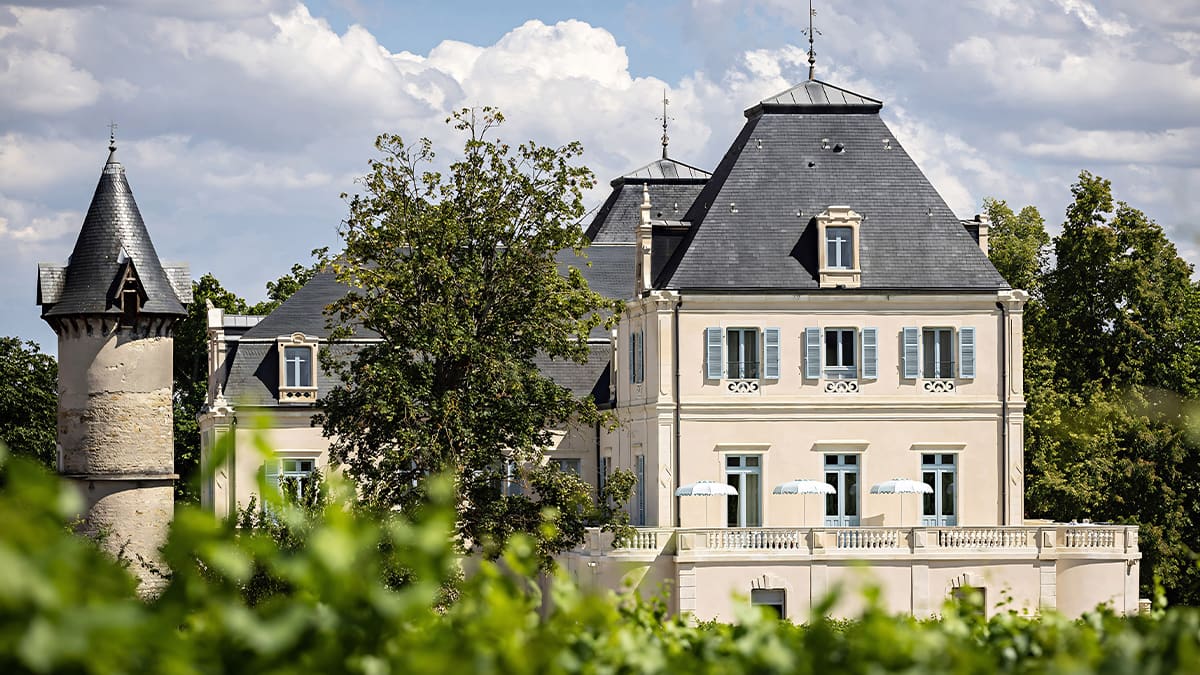
At Global Chic Voyage, we have long believed that the most compelling hotels are those that understand their place, not merely geographically but temporally. Château de Cîteaux is one such property. It sits less than three hours by train from Paris, yet it feels worlds away, perched above wine cellars carved by Cistercian monks in the 12th century and housed within an edifice raised in the 1800s by architect Jules Bernard. The hotel does not simply occupy this land; it honors it, drawing together threads of monastic discipline, aristocratic elegance, and the enduring rhythms of viticulture into a single, coherent vision.
The Roots Beneath
To understand Château de Cîteaux, you must first go back to 1098, when Robert de Molesme founded the Cistercian order at an abbey some 20 miles from where the hotel now stands. The Cistercians were known for their austerity, their labor, and their profound relationship with the land. When the dukes of Burgundy granted them parcels in Meursault's Vieux-Clos, the monks set about crafting wine cellars that would endure long after their order faded from the region. Those cellars remain intact today, stone vaults that speak to a philosophy of permanence and care.
Centuries later, Bernard constructed the château above those cellars, a Second Empire structure that reflected the tastes of Napoleon III's era: torsade columns, muted green palettes, terracotta accents, and stonework that felt both ornate and grounded. The building changed hands over the decades, eventually coming into the possession of Philippe Bouzereau, a ninth-generation Meursault grower whose family name is synonymous with the village's winemaking tradition. Fontenille Collection acquired the property and set about transforming it into a hotel that would respect every layer of its past while offering the kind of refined comfort expected by contemporary travelers.
The Architecture of Memory
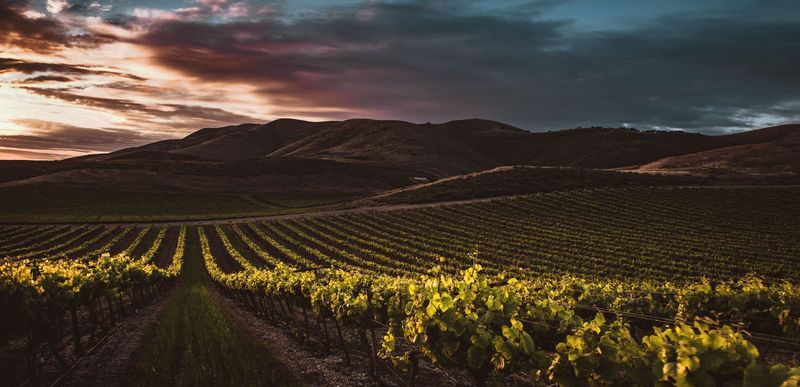
Château de Cîteaux will eventually offer 35 rooms and suites, though 18 are available now, with the remaining 17 scheduled to open later in 2027. The interiors draw inspiration from the Barbizon School, the 19th-century French painters who turned their gaze toward landscapes and the quiet beauty of the natural world. That sensibility translates into rooms with private terraces overlooking the Côte de Beaune, where the vines stretch out in orderly rows and the seasons announce themselves in shifts of color and light.
Fontenille Collection has a reputation for working with local artisans, and Château de Cîteaux is no exception. The hotel collaborated with ateliers such as Leblond Père et Fils to install bespoke woodwork that feels both timeless and specific to the region. The design scheme avoids the pitfalls of pastiche; rather than recreating a museum, the hotel offers a living space where history informs rather than dictates.
Perhaps nowhere is this more evident than in the restaurant, Célestine, named for Bernard's daughter. The dining room is a gilded salon filled with airy paintings, including cherubs drifting among clouds on the ceiling. Conservator Alice Gardien painstakingly restored the frescoes, revealing layers of artistry that had been obscured by time. The effect is not one of overwhelming opulence but of gentle grandeur, a space that invites you to linger.
Terroir on the Plate and in the Glass
Chef Christophe Vauthier helms the kitchen at Célestine, drawing from the region's deep pantry: river fish, Bresse poultry, regional cheeses, and vegetables sourced from local markets. His cooking is rooted in Burgundian tradition but never static, a balance that mirrors the hotel's own approach to heritage. The wine list, naturally, is a study in Burgundy's appellations. Bouzereau's cuvées are featured prominently, a nod to the estate's history, alongside selections from smaller growers and other corners of the Côte de Beaune.
It is worth noting that Burgundy's wine culture is not simply about consumption but about context. To drink a Meursault in Meursault, to taste the mineral backbone that comes from limestone-rich soil while looking out over the vines that produced it, is to engage with a place in a way that transcends the transactional. Château de Cîteaux understands this implicitly, and the hotel has structured its offerings to deepen that engagement.
Immersion and Ritual
Beginning in September, guests will be able to descend into the 12th-century Cistercian cellars for tastings, an experience that collapses the distance between past and present. Fontenille Collection has also arranged vineyard picnics, tastings with neighboring winemakers, and harvest events with Bouzereau from August through September. These are not add-ons but integral components of the hotel's identity, ways of situating guests within the rhythms of viticulture that have shaped Meursault for centuries.
The spa takes its cues from the monks' apothecary traditions, offering treatments that emphasize simplicity and natural ingredients. A heated indoor pool, Jacuzzi, hammam, and sauna provide spaces for quiet restoration, the kind that comes not from distraction but from stillness. It is a philosophy that feels increasingly rare in an era of hyperactivity, and it aligns with the broader ethos of the property.
Beyond the estate, Meursault serves as a gateway to other historic villages in the region. Beaune, the capital of Burgundy wine, is a short drive away, as are Pommard and other appellations that have become synonymous with excellence. Yet there is something to be said for staying put, for allowing the hotel and its surroundings to reveal themselves slowly, without the pressure of a packed itinerary.
A Milestone, Quietly Marked
Fontenille Collection celebrated its 10th anniversary with the opening of Château de Cîteaux, according to CEO Linda Hazi. The property marks the group's first address in Burgundy and its most historically layered project to date. That it arrives at this particular moment, when travelers are increasingly seeking depth over novelty, feels fitting. The hotels we return to are rarely the ones that shout loudest; they are the ones that invite us to slow down, to notice, to connect with something larger than ourselves.
Château de Cîteaux does not position itself as a reinvention of Burgundy hospitality but as a thoughtful addition to it, a place where the region's winemaking soul, monastic heritage, and 19th-century elegance converge. Starting rates are approximately $440 per night, a reflection of the care and craft embedded in every aspect of the property. It is not inexpensive, but then, neither is the kind of experience that lingers long after you have returned home, that shifts the way you think about place and time and the stories we inherit.
In an industry often fixated on the next big opening, Château de Cîteaux offers something quieter and, perhaps, more enduring: a chance to step into a narrative that has been unfolding for nine centuries and to find your own place within it, if only for a few nights.