Tokyo's Shokunin Culture and the Restaurants That Embody It
In a city where chefs devote lifetimes to perfecting a single craft, dining becomes an exercise in sustained obsession.
The Artisan's Path
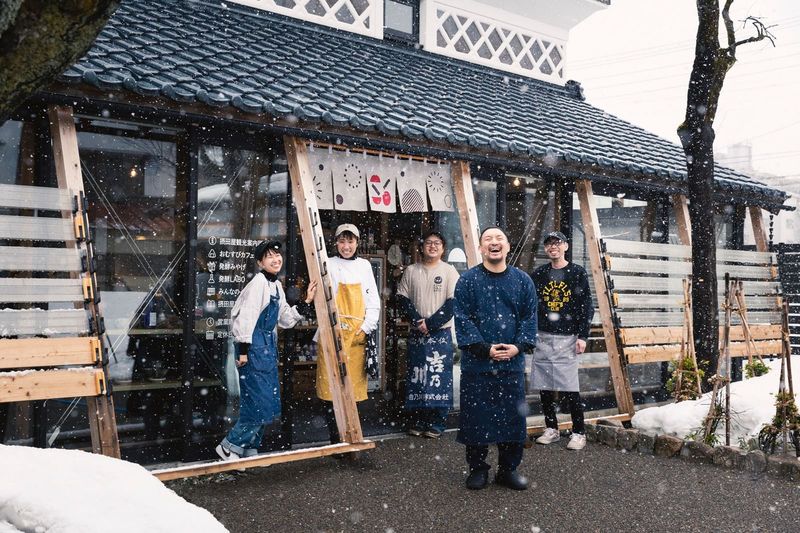
Walk past the narrow frontage of a tempura counter in Ginza at dusk, and you might catch the chef adjusting the flame beneath his pot with the precision of a watchmaker. The oil temperature hovers at exactly 180 degrees Celsius, maintained not by thermometer but by decades of sensory memory. This is shokunin at work: the craftsman who has organised his entire professional life around a singular pursuit.
Tokyo's restaurant culture has long been defined by this philosophy of concentrated devotion. Where other cities celebrate versatility and reinvention, the Japanese capital rewards depth over breadth. A sushi master spends years learning to cook rice before touching a knife. A tempura chef studies the moisture content of different batters across seasons. An unagi specialist memorises the ideal char patterns for summer versus winter eel.
The continuity this creates is unusual. Many of Tokyo's oldest dining establishments still serve the same repertoire they did a century ago: sushi, tempura, unagi, soba, sukiyaki. The menus have not changed because the pursuit of perfection within these narrow lanes has not ended. Each generation of chefs inherits not a static tradition but an active investigation.
What Separates Tokyo
Other metropolises have Michelin stars and celebrity chefs. What Tokyo possesses is something less visible: a cultural infrastructure that allows a person to spend forty years perfecting a single dish without being seen as stagnant. The shokunin ethos does not distinguish between high and low, expensive and accessible. It applies equally to a neighbourhood ramen shop and a Ginza kaiseki counter.
This has practical implications for visitors. While a handful of elite establishments maintain gatekeeping rituals, requiring introductions from regular patrons, the vast majority of Tokyo's exceptional restaurants are open to anyone willing to queue or book ahead. The barrier is rarely exclusivity; it is capacity. When a chef makes only twelve portions of rice per service, there are only twelve seats.
The system also means that reputation accrues slowly. A restaurant does not become legendary through marketing or a viral moment. It earns its place through consistency measured in decades. Taimeiken, known for its omurice, has been refining the same dish since the early twentieth century. The pursuit is incremental: a slightly different pan angle, a marginally shorter cooking time, a fractional adjustment to the ketchup-to-rice ratio.
The Expanding Conversation
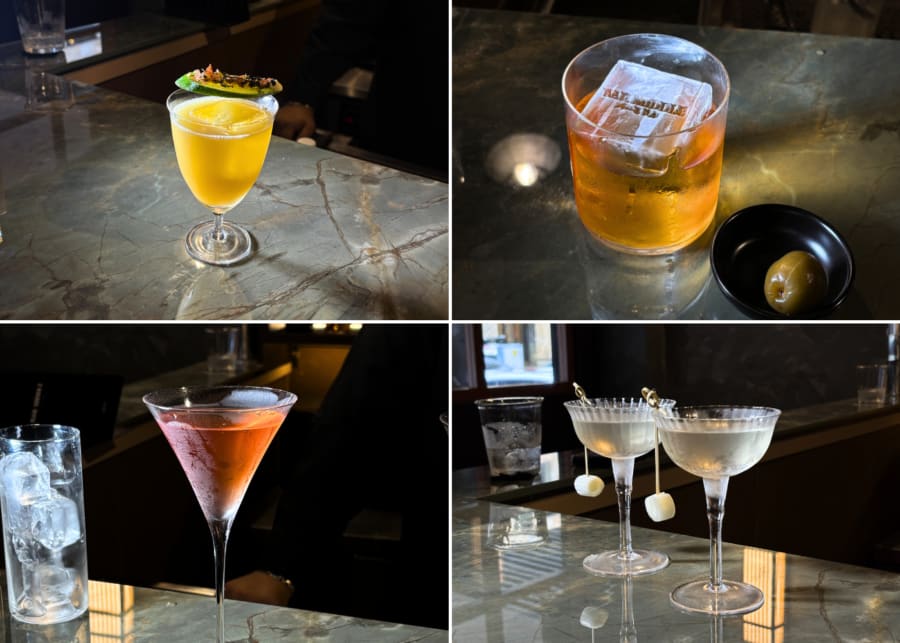
Recent additions to Tokyo's dining landscape suggest that shokunin principles are adapting rather than eroding. Chokeikyo, a tea-focused establishment, applies the same philosophy of mastery to tea service, offering not only traditional preparations but contemporary interpretations and even tea-based cocktails. The rigour remains; the form evolves.
Handroll sushi bars have emerged as another expression of this ethos. The format is informal, the pace quicker than traditional sushi counters, yet the attention to sourcing remains obsessive. One new opening sources its nori exclusively from Yamamoto Noriten, a shop revered for producing seaweed with a particular mineral snap and oceanic depth. The choice reflects a broader truth: in Tokyo, even the most casual format demands excellence in materials.
Sezanne, a restaurant that has navigated a change in leadership, demonstrates how the shokunin model manages succession. The departure of a founding chef does not signal decline but transition. The new chef inherits not just recipes but a framework of expectations. The kitchen continues to operate at the same level because the system is larger than any individual.
Even imported formats bend to local standards. Bulgari Bar, a recent addition to Tokyo's expanding roster of high-end pizzerias, joins a field where Italian technique has been subjected to the same relentless refinement that defines tempura and sushi. Dough hydration, fermentation times, oven temperatures are calibrated with the same intensity a Japanese chef brings to dashi.
The Accessibility Question
Tokyo's reputation for inaccessibility is partly myth, partly structural reality. Yes, certain restaurants operate on introduction-only models, relying on networks of trust to fill their seats. But these represent a fraction of the city's dining options. The greater challenge is scale. Tokyo has roughly fourteen million residents and a restaurant culture where even a modest neighbourhood spot may serve food of extraordinary quality.
Visitors arriving without Japanese language skills or familiarity with reservation systems may find the logistics daunting. Yet the obstacles are operational, not cultural. The city does not withhold its best food from outsiders; it simply has more demand than supply. A chef who makes eight bowls of ramen per hour cannot serve everyone who wants one.
The pricing spectrum is broad. Quick meals at standing soba counters or convenience store-adjacent eateries can cost less than ten dollars. Mid-tier izakayas and speciality shops hover in the twenty to forty dollar range. High-end kaiseki and sushi counters easily exceed a hundred dollars per person, with some reaching several hundred. Quality does not correlate neatly with price. Some of the most accomplished shokunin operate in modest settings, charging modestly because their overhead is low and their ambitions are focused.
The Question of Evolution
Tokyo's dining culture faces the same pressures as any other: rising costs, labour shortages, shifting demographics. Younger generations are less willing to endure the apprenticeship model that sustained shokunin traditions. The expectation that one will spend a decade washing rice or sharpening knives before touching a customer's order is harder to sustain in an economy where job mobility is increasing.
Yet the culture adapts. Some restaurants have shortened apprenticeships without sacrificing standards, compressing learning through more deliberate instruction. Others have embraced technology, using precise temperature controls and timers to achieve results that once required purely manual expertise. The philosophy endures even as the methods modernise.
What remains non-negotiable is the commitment to incremental improvement. A Tokyo chef does not seek to revolutionise a dish; the goal is to make it one per cent better than last year. Multiply that by decades, and the cumulative effect becomes significant. This is why a bowl of soba at a third-generation shop tastes subtly, inexplicably superior to a nearly identical bowl elsewhere. The difference is not dramatic. It is the accumulation of ten thousand minor adjustments.
Navigating the Landscape
For those planning to eat in Tokyo, a few principles help. First, assume that even informal-looking spots may be exceptional. A tiny yakitori stand under a railway arch may represent someone's life work. Second, understand that reservations are not about snobbery but logistics. A twelve-seat counter cannot accommodate walk-ins during peak hours. Third, be prepared for silence. Shokunin culture values concentration. Chefs may not chat; service may be efficient rather than warm. This is not hostility. It is focus.
Timing matters. Lunch services often offer the same food as dinner at lower prices, a legacy of Japan's set-menu lunch culture. Early or late seatings increase the chance of getting a table at popular spots. Neighbourhood restaurants outside central Tokyo often have shorter waits and lower prices while maintaining comparable quality.
Language barriers are real but surmountable. Many high-end establishments employ staff who speak English. Simpler spots may not, but pointing at photos or ordering the chef's choice usually works. The food itself is a language, and in Tokyo, it is articulate.
The Long View
Tokyo's restaurant culture is not static, but its rate of change is measured. Trends arrive slowly, last longer, and integrate into the existing fabric rather than replacing it. The city has absorbed French technique, Italian ingredients, and American casual formats without losing its foundational identity. Each import is subjected to the shokunin lens: studied, refined, perfected within an inch of its life.
This creates a dining landscape that rewards repeat visits. A single meal at a sushi counter or tempura shop offers a snapshot. Returning over years reveals the incremental evolution, the small shifts in seasoning or technique that mark a chef's ongoing investigation. Tokyo does not reveal itself quickly. It is a city built for the patient, the observant, and those willing to trust that mastery is worth the wait.