The Sound of Silence: Why Luxury Travelers Are Seeking Stillness Over Spectacle
Across continents, a quiet revolution is reshaping high-end hospitality - one that prizes contemplation over conversation and measures luxury in decibels avoided rather than amenities added.
The Retreat From Noise
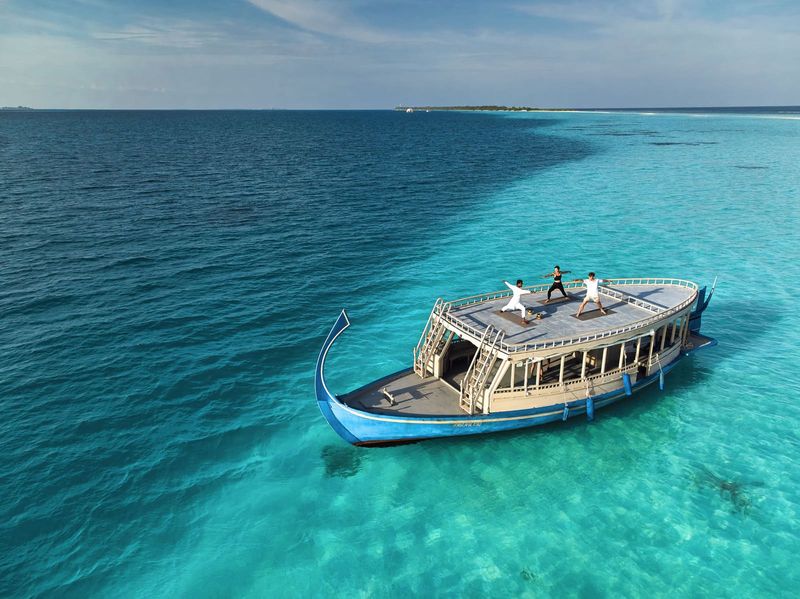
There is a particular quality to the morning air at certain mountain monasteries in Bhutan, where the only sounds are the flutter of prayer flags and the distant chime of bells carried on wind currents that have traveled across the Himalayas. That same deliberate hush - cultivated, protected, almost sacred - has begun to appear in unexpected places: luxury hotels in the Maldives, countryside estates in Tuscany, desert camps in Jordan. What was once the domain of ascetics and contemplatives has become the newest frontier in high-end hospitality.
The wellness industry has long promised transformation through addition: more treatments, more activities, more curated experiences designed to fill every waking hour. But a growing segment of luxury travelers is seeking the opposite - spaces that offer nothing but stillness, properties that measure their value not in what they provide but in what they withhold. The currency is silence, and the return on investment is measured in the quality of attention one can reclaim.
Architecture of Absence
The design language of these retreats speaks in negative space. Thick stone walls absorb sound rather than reflect it. Corridors curve to prevent sight lines that might invite social obligation. Guest rooms face away from communal areas, positioned to capture sunrise or forest edge rather than poolside conversation. In southern France, one restored monastery has removed all clocks from public spaces; in New Mexico, a high-desert property offers no Wi-Fi beyond the main lodge and asks guests to leave mobile devices at reception.
This is not deprivation but curation. The absence of stimulation becomes its own kind of luxury, one that requires significant infrastructure to maintain. Soundproofing between rooms, carefully chosen building materials that dampen rather than amplify, landscaping designed to create acoustic buffers - these are expensive propositions, and the properties committing to them are betting that a particular kind of traveler will pay a premium for what amounts to architectural restraint.
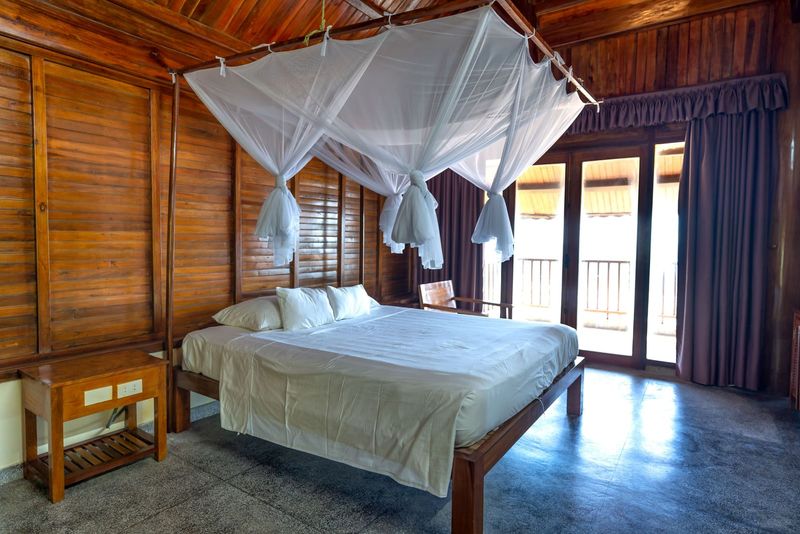
The aesthetics lean monastic: natural fibers, unfinished wood, stone left in its raw state. But the execution is far from austere. Linens are woven from organic cotton with thread counts that render them nearly weightless. Bathrooms feature rainwater showers and locally sourced soaps that smell of lavender or hinoki. The food, when it appears - often delivered to private terraces or left outside doors - is simple but meticulously prepared, emphasizing seasonal ingredients and minimal processing.
The Economics of Quiet
There is an irony in the fact that silence has become a luxury good, something to be purchased at considerable expense. Yet the market dynamics are undeniable. Properties offering silent retreats or designated quiet zones report occupancy rates that outpace their traditional luxury counterparts, particularly among professionals in their thirties and forties who describe their daily lives as acoustically overwhelming. The demographic skews urban, educated, and digitally saturated - people for whom the default state is connectivity and the rare commodity is disconnection.
Some establishments have introduced tiered pricing based on proximity to silence. Rooms farther from common areas command higher rates. Suites with private gardens or terraces that face wilderness rather than resort grounds carry premiums that can exceed thirty percent. One property in the Scottish Highlands offers what it calls "deep silence packages," where guests commit to three days without speaking and are housed in a separate wing of the estate, attended by staff trained in nonverbal communication.
The appeal extends beyond individual retreat. Corporate groups have begun booking these properties for what they term "strategic silence sessions," extended periods where leadership teams gather without agendas, presentations, or scheduled activities. The theory, borrowed from Quaker meeting practices and adapted for executive consumption, holds that meaningful insight emerges only when the noise of constant productivity is suspended.
Silence as Discipline
What distinguishes these experiences from simple solitude is structure. Most properties offering silence-focused programs provide frameworks - meditation instruction, guided forest bathing, movement practices designed to heighten rather than exhaust. The silence is not imposed but invited, and guests are given tools to navigate it. For people accustomed to filling every pause with podcast or playlist, the prospect of unmediated quiet can be unsettling, even frightening.
Some retreats employ what they call "silence concierges," staff members who help guests transition into and out of periods of quiet, offering techniques for managing the discomfort that often arises when external stimulation is removed. Others organize their programming around gradually lengthening periods of silence, beginning with silent meals and building toward full days without speech.
The practice reveals how deeply noise has embedded itself in contemporary life, how reflexive the reach for distraction has become. In early sessions, guests report restlessness, boredom, a low-grade anxiety they struggle to name. By the third or fourth day, something shifts. Attention deepens. Small sensory details - the texture of bark, the particular blue of twilight, the way light moves across stone - become absorbing in themselves. The silence stops feeling like absence and begins to register as presence.
The Broader Implications
This turn toward quietude reflects broader cultural currents. The wellness conversation has evolved from optimization - how to do more, be more, achieve more - toward something closer to preservation: how to protect attention, restore depleted reserves, create boundaries against the demands of an always-on world. Silence, in this context, becomes a form of resistance, a way of reclaiming autonomy over one's sensory experience.
It also raises questions about access and equity. If quiet has become a luxury, what does that suggest about the soundscapes most people inhabit? Urban environments grow louder as density increases. Noise pollution is linked to elevated stress hormones, disrupted sleep, cardiovascular strain. The ability to purchase silence, even temporarily, marks a form of privilege that compounds existing disparities in health and well-being.
Yet the popularity of these retreats may signal something more than elite escapism. There is a hunger, widely felt, for spaces that allow a different quality of presence, environments that do not demand constant performance or productivity. The luxury wellness industry, for all its excesses, occasionally identifies needs before they are fully articulated, and the proliferation of silence-focused offerings suggests a collective longing for what has been lost in the acceleration of daily life.
Returning to Sound
The most interesting aspect of these retreats may be what happens when guests leave. Many properties build transition days into their programs, periods where silence is gradually lifted and guests begin to speak again, first in whispers, then in normal tones. The re-entry is deliberate, designed to help people carry some quality of the silence back with them.
Some return changed in small but measurable ways: they keep their phones on silent, create quiet hours in their homes, seek out parks or nature reserves where the ambient noise drops below fifty decibels. Others describe the experience as clarifying, a reminder of what attention feels like when it is not fragmented across multiple inputs. The silence becomes a reference point, a standard against which the noise of regular life can be measured and, occasionally, refused.
Whether this represents a lasting shift or a temporary retreat remains to be seen. But the demand suggests something beyond trend - a recognition that silence is not merely the absence of sound but a condition necessary for certain kinds of thought, feeling, and restoration. In a world that grows louder by the year, the choice to seek quiet may be one of the more radical acts available. And for those with the means to make that choice, luxury hospitality is ready to provide it - at a price that reflects both the cost of creating silence and the value of what it offers in return.