Where Bali's Jungle and Cliffs Answer the Body's Quiet Requests
Seven sanctuaries scattered between Ubud's rice terraces and Uluwatu's limestone edges redefine what it means to rest, reset, and return to oneself.
The Geography of Repair
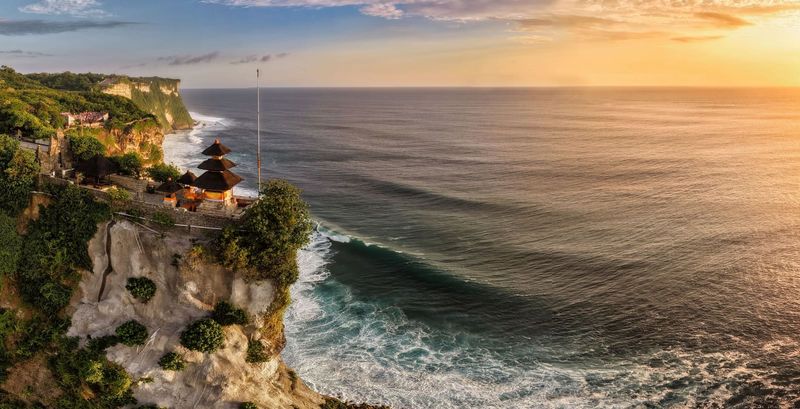
There is a particular hush that descends over the Ayung River valley at dawn, when the mist still clings to the canopy and the sound of water moving over stone is the only clock worth consulting. It is the same quality of silence you find on Uluwatu's cliffs at dusk, when the light turns copper and the ocean exhales against limestone. Between these two landscapes, Bali has carved out a reputation not merely as a destination but as a place of intentional repair.
The island's wellness offerings have evolved far beyond the spa-and-yoga formula that once defined them. Today's retreats are staffed by Ayurvedic physicians, traditional healers, and technicians trained in cryotherapy and hyperbaric protocols. They draw on centuries-old Balinese healing rituals and pair them with biohacking chambers, infrared saunas, and IV drips calibrated to your blood work. The result is a landscape where recovery, longevity, and performance optimization are no longer abstract goals but lived experiences, shaped by place.
What follows is not a catalog but a consideration of seven properties where the architecture, the protocols, and the surroundings conspire to create something rare: space to listen to what the body has been trying to say.
Ubud's Riverine Sanctuary
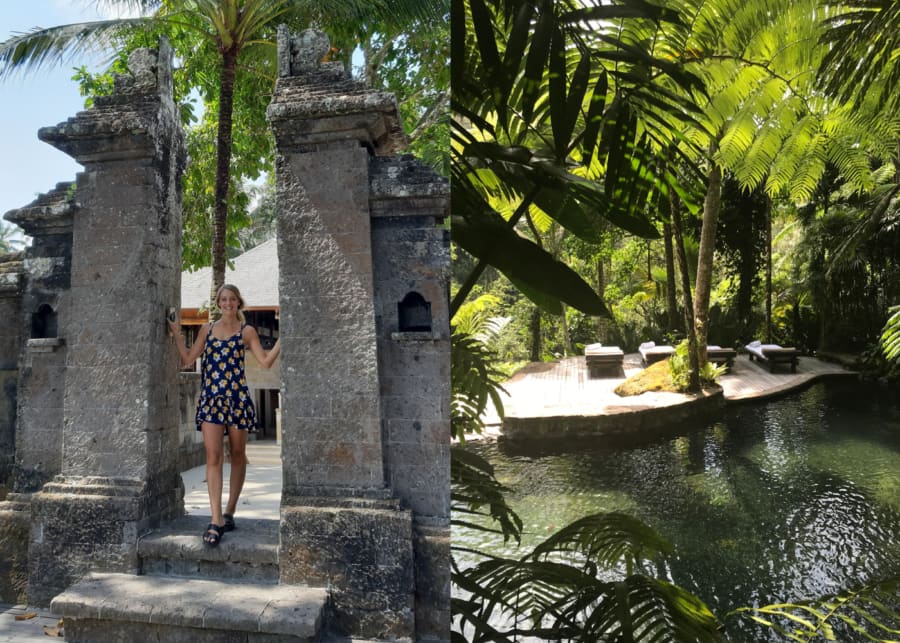
COMO Shambhala Estate occupies 22 acres above the Ayung River, its suites and villas dispersed widely enough that you can spend days without hearing another guest. Each residence opens onto its own terrace, often with a private pool and a designated corner for yoga or meditation. The estate's defining feature is its natural healing springs, which feed into hydrotherapy pools used in daily aqua therapy sessions.
The property offers what it calls the Wellness Path, a consultation-driven itinerary designed by on-site health experts. Depending on your needs, that might mean sunrise yoga overlooking the river, guided meditation in a jungle pavilion, or cycling through nearby villages to observe Balinese ceremonies. The kitchen operates on a farm-to-table model, sourcing from the estate's own gardens and neighboring organic farms.
Steam rooms, saunas, and a full roster of traditional and contemporary spa treatments round out the facilities. The experience here is less about ticking boxes and more about finding a rhythm that allows the nervous system to downshift.
Sound as Medicine
Soulshine Bali, founded by musicians Michael and Sara Franti, treats sound not as background but as therapeutic tool. The property calls itself Bali's first sound and wellness resort, and the claim is borne out in its programming: sound healing sessions, communal music experiences, and guest rooms equipped with vinyl record players and guitars.
The Panorama Penthouse, for instance, overlooks rice paddies that glow amber at sunset. Inside, the design leans into retro comfort, oversized stone tubs, handcrafted furniture, and a playlist you curate yourself. The spa, perched to capture views of the surrounding valley, offers treatments that incorporate singing bowls, gongs, and other resonant instruments.
Wellness here is social as much as solitary. Multi-day retreats, including the Soulrocker Retreat hosted by the Frantis, are built around group activities, shared meals, and the kind of late-night conversations that happen when strangers realize they are less alone than they thought. Yoga classes and sound baths are open to all guests, and the restaurant menu balances nourishment with indulgence, a rarity in wellness spaces that often tip too far toward asceticism.
The Ayurvedic Calculation
Ayurvedagram Bali does not offer walk-in treatments. Instead, every guest consults with an in-house Ayurvedic doctor, either online before arrival or in person upon check-in. The doctor assesses your dosha, your current imbalances, and your goals, whether those involve sleep, stress, gut health, or autoimmune support. From there, a tailored program is designed.
The 14,000-square-meter sanctuary holds just 25 rooms and suites, all surrounded by jungle and flowering gardens. Days are structured around Ayurvedic cooking, nature walks, daily yoga, breathwork, and meditation. The cornerstone offering is the Panchakarma retreat, a detoxification and rejuvenation protocol drawn from classical Ayurveda and adapted to individual needs.
This is not a place for casual wellness tourism. It is for those willing to commit to a process, to follow dietary restrictions, to sit with discomfort, and to trust in a system of medicine that has been refined over millennia. The reward is specificity: treatment that addresses your particular body, not a generic ideal.
Where Biohacking Meets Tradition
GDAS Bali Health and Wellness Resort sits amid emerald rice fields in Ubud, its suites and villas built in the style of traditional Javanese joglo houses. The aesthetic is grounding, but the facilities are decidedly modern. The property's Health Suite offers cryotherapy, LiveO2 (a system that combines oxygen therapy with exercise), salt therapy, and IV drips administered by trained medical staff.
The duality is deliberate. Morning might begin with a Balinese purification ceremony at a nearby temple, followed by an afternoon session in the cryotherapy chamber. The spa, Arana, uses ingredients grown on-site, many of them harvested that morning. Yoga and meditation sessions take place in open-air pavilions overlooking the rice paddies, while cultural workshops introduce guests to traditional crafts, music, and healing practices.
GDAS positions itself at the intersection of longevity science and ancestral wisdom, a place where you can optimize your mitochondrial function and learn to make offerings to the spirits of the land. It is an unusual synthesis, and it works.
Contrast and Breath on the Cliffs
The Asa Maia in Uluwatu is built from natural materials, thatched roofs, handwoven leaves, handcrafted wood, arranged to feel less like construction and more like collaboration with the landscape. The wellness area is subterranean, a series of chambers centered around a communal firepit and anchored by hot and cold plunge pools.
Contrast therapy, the practice of alternating between extreme heat and cold, is the property's signature. Guests move from infrared sauna to ice bath to firepit, a cycle that is said to improve circulation, reduce inflammation, and reset the autonomic nervous system. The process is uncomfortable, then exhilarating, then deeply calming.
Breathwork and yoga sessions take place in studios that open to the ocean. The gym is small but well-equipped, and the restaurant serves meals designed to support recovery and performance. The Asa Maia is eco-conscious in both philosophy and practice, composting, sourcing locally, minimizing waste, and the ethos extends to the treatments themselves, which favor natural products and time-tested techniques over quick fixes.
The Palace on the Edge
The Istana, perched on Uluwatu's cliffs, is unapologetically luxurious. The Master Suite includes a private cinema, jacuzzi, swimming pool, and panoramic views of the Indian Ocean. Each stay includes a complimentary biohacking treatment, a nod to the property's focus on performance optimization and longevity.
The biohacking menu is extensive: sensory deprivation tanks, cryotherapy, hyperbaric oxygen chambers, sound-dome infrared saunas. These are not gimmicks but tools, each backed by research and administered by trained technicians. The sensory deprivation tank, for instance, allows the brain to enter theta state, the same brainwave pattern associated with deep meditation and creative insight.
Yoga and meditation classes take place on a clifftop platform, the ocean a constant presence below. The restaurant focuses on nutrient density, meals that support cellular repair and energy production. The Istana is for those who want to push the boundaries of what the body can do, who are curious about the latest science, and who are willing to invest time and resources in the pursuit of optimization.
The Riverside Eco-Retreat
Fivelements Retreat, also on the Ayung River, is known for two things: its eco-conscious design and its plant-based cuisine. The property has won numerous awards for its sustainability practices, from bamboo construction to solar power to waste reduction programs. The one- and two-bedroom suites, some with private pools, are positioned along the riverfront, where the sound of water becomes a constant, calming presence.
The spa offers treatments rooted in Balinese healing traditions, many of them involving herbs, flowers, and oils sourced from the island. Yoga classes are held in bamboo shalas, open to the air and the sound of the river. The gym is small but functional, and the daily schedule includes guided meditation, sound healing, and cultural activities.
The signature offering is a series of multi-day wellness retreats, professionally designed programs that address everything from stress and fatigue to chronic pain and hormonal imbalance. These are all-inclusive experiences, with meals, treatments, and activities coordinated to support a specific outcome. Fivelements does not simply offer wellness; it orchestrates it.
The Calculus of Return
What these seven properties share is not a style or a price point but a seriousness of intent. They are not spas with rooms attached. They are environments designed to facilitate change, staffed by people trained to guide that process, and situated in landscapes that do half the work simply by existing.
Bali's wellness sector has matured beyond the cliches that once defined it. The island still offers yoga and massage, but it also offers Panchakarma protocols, cryotherapy chambers, and consultations with Ayurvedic physicians. It honors its own healing traditions while embracing the tools of contemporary longevity science. The result is a rare thing: a place where ancient and modern, spiritual and clinical, can coexist without contradiction.
For those willing to listen, the body has always known what it needs. Bali has simply learned how to provide the conditions under which that knowledge can surface.