Where the Surf Runs Long and the Calendar Stands Still
At the southern edge of Indonesia, a cluster of new retreats and a hospitality academy open doors to an island that has, until now, belonged mostly to the waves.
A Geography of Inconvenience
The tip of Rote sits closer to Australia than to Jakarta, a sliver of land off West Timor that feels less like a destination than a drift. For four decades, surfers from the southern continent have made the journey, drawn by breaks shaped through an uncommon geometry of wind, bathymetry, and swell. The inconvenience has always been part of the appeal. The island's remoteness acts as a natural filter, sorting those willing to travel from those merely curious.
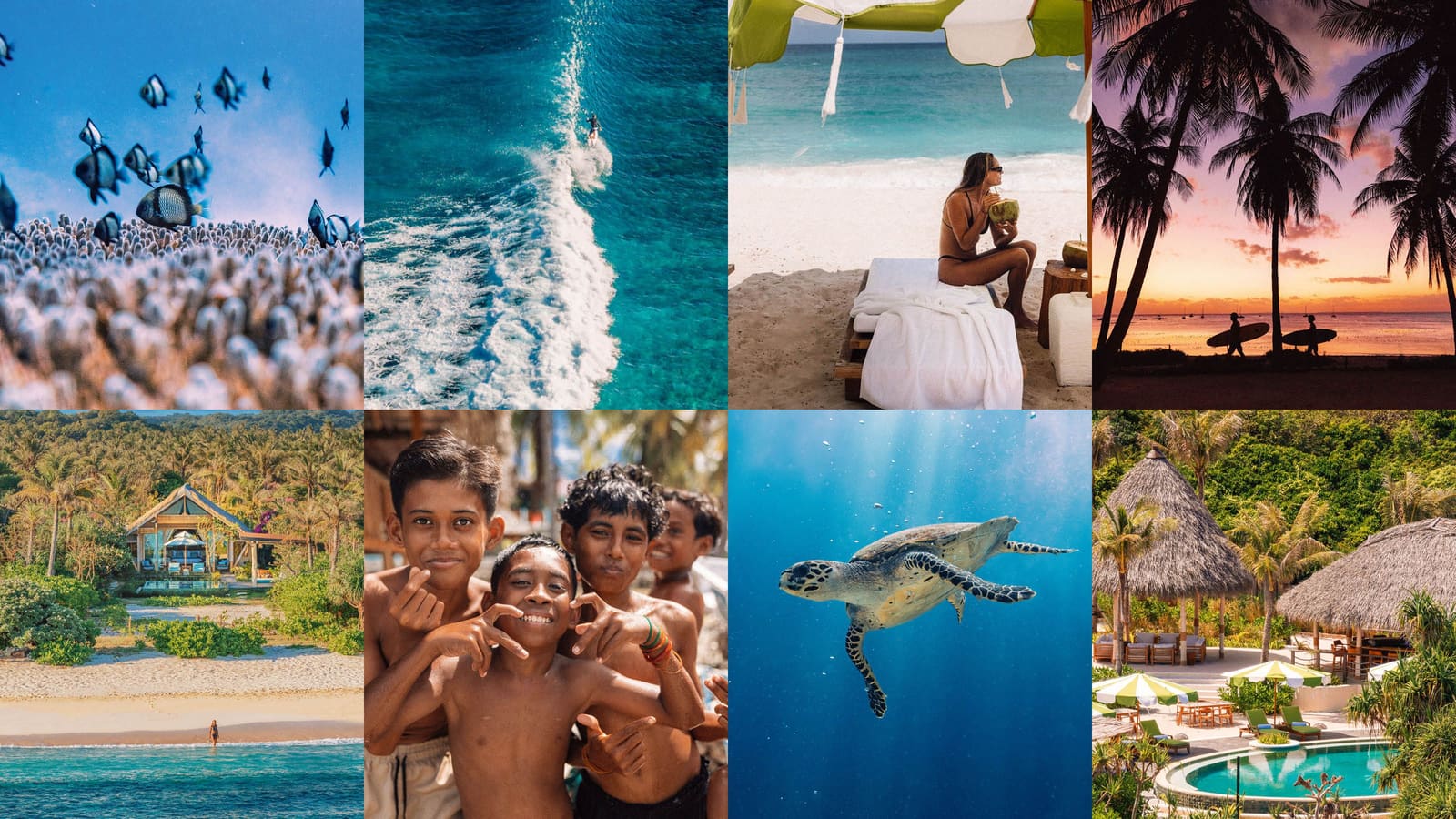
White sand fringes give way to dense coconut groves. During the dry months, a steady trade wind keeps the air moving and the insects at bay. Sunsets linger. The rhythm here is unhurried, shaped more by tide tables than any calendar.
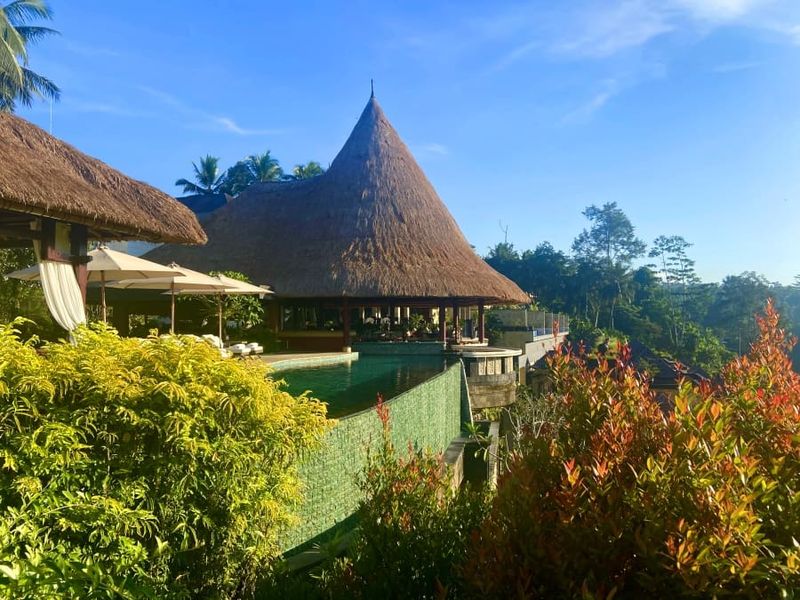
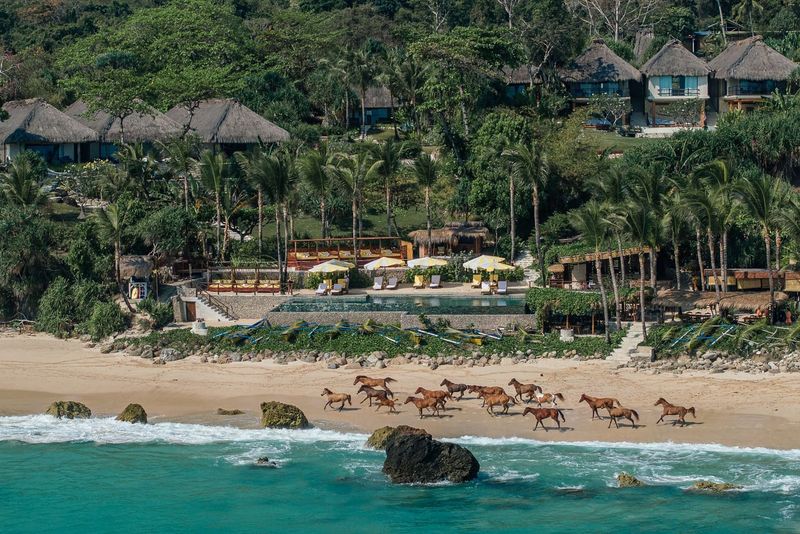
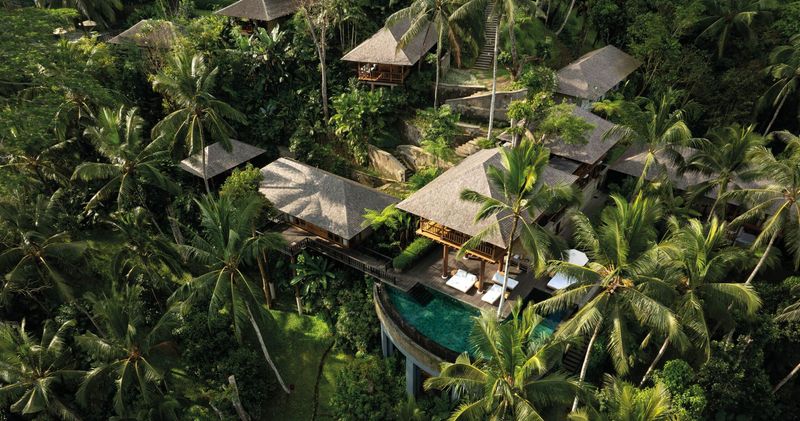
Now, that isolation is beginning to shift. Nihi Rote and Hospitality Academy opened its doors this year, a thatched collection of villas on Bo'a Beach. The property sits at the eastern end of the bay, each villa low-slung and designed with lontar palm and ikat textiles woven into the interiors. By October, the resort will comprise twenty-one villas, three pools, a spa, and additional amenities including a pump track and golf simulator. Plans for multimillion-dollar residences are already underway.
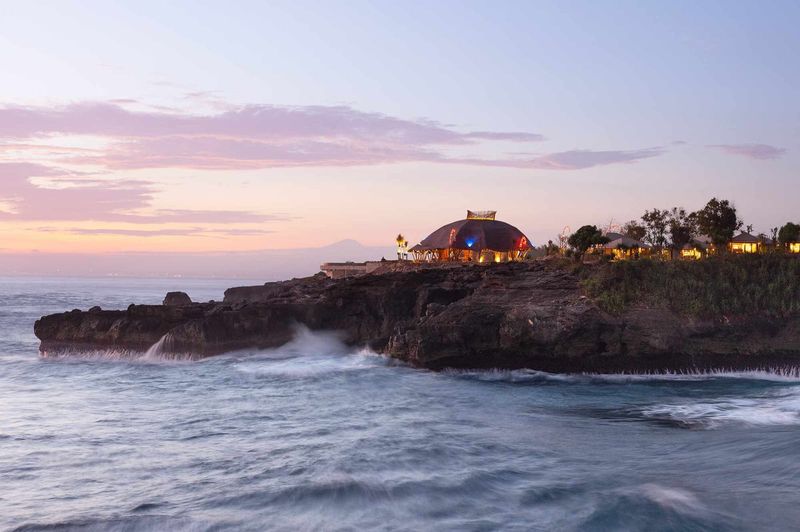
The hotel shares lineage with Nihi Sumba, its sister property several hundred miles to the west. Both anchor themselves to world-class surf breaks. At Nihi Rote, the gathering point is Nammo Beach Club, positioned directly in front of the Bo'a wave. Poolside, the restaurant overlooks the break, where surfers wait for the tide to shift before paddling out.
An Academy Built on Hospitality
Adjacent to the resort, the Rote Hospitality Academy trains local Timorese in the mechanics of high-end service. Students prepare traditional meals, coconut rice scented with lemongrass, rendang beef, grilled fish with sambal, and stage evenings of song, dance, and storytelling around a fire pit. For many, this marks their first formal employment. The learning curve has been steep. Some arrived unable to swim.
The academy's first major event was a fiftieth birthday celebration for the resort's owner, Michael Schwab. The scale of the occasion was unlike anything the island had seen. The students speak of it with a mixture of pride and bewilderment, a glimpse into a world that, until recently, existed only in theory.
Change arrives unevenly. Beyond the resort, Rote remains a patchwork of cinder-block homes with tin roofs, women plaiting hair on porches, frangipani blossoms scattered in the dust. The economy has long rested on seaweed farming and fishing. The island's openness to outsiders, a rarity in an age of selective borders, manifests in casual invitations from strangers. "Do you live here?" they ask, smiling, on the harbour, in cafés, along the beach. When the answer is no, the response is consistent: stay, bring your family, you are welcome.
Some have accepted. A South African surfer and his partner arrived two years ago, had a child, bought land, and began building a cottage. The island's tempo, its refusal to accelerate, proves difficult to leave.
A Coastline Marked by Faith
The main road runs parallel to the coast, sealed but pitted, with sandy lanes branching toward the water. Villages blur into one another, demarcated only by painted bollards reading "selamat datang" or by clusters of life-sized crucifixes, some painted lavender, others adorned with flowers. The churches tower over the landscape, vaulted monuments built on a scale that dwarfs the surrounding structures. One resembles a landlocked ark.
Denominations vary depending on whom you ask. Catholic, Presbyterian, Methodist, Calvinist. The distinctions matter less than the fervour. At Easter, residents enact the Stations of the Cross, parading through the streets in the costumes of Roman soldiers.
The rest of the year, traffic is sparse. On one stretch of road, a forty-minute drive yields two motorbikes and a single water truck. Roadside vendors sell petrol in glass bottles that resemble apothecary vials. Laundry flaps on lines. Cows wander. Goats perch atop tiled gravestones. Chickens cross the road with no apparent irony.
Histories Written in Sandalwood and Spice
The ease of daily life belies a colonial past marked by violence. Timor was contested by the Dutch and Portuguese, their struggle rooted in the sandalwood and spice trades. The island was eventually divided into east and west. The British occupied it briefly. During the Second World War, the Japanese held the region.
Cultural remnants persist, though they require attention to notice. Weavers produce tenun ikat textiles in tessellated patterns. Men wear the ti'i langga, a wide-brimmed hat woven from lontar palm, distinguished by a phallic spike on the brim. These markers of identity survive quietly, woven into the fabric of daily life rather than displayed.
Waves, Reefs, and the Open Water
The best way to understand Rote is from the water. Offshore islands dot the coastline, each with its own reef system and surf breaks. At one rocky outcrop, a cave swarms with fruit bats, their screeching audible from the boat. The current runs fast. Snorkelling reveals triggerfish and parrotfish. Deeper waters host oceanic manta rays and whale sharks, though sightings require patience and luck. The continental shelf drops away quickly. The next landmass is Australia.
Ndana Island marks Indonesia's southernmost point. On its far side, the breaks run clean and empty. Most sessions are spent crashing, recovering, paddling back out. Occasionally, a wave holds long enough to stand, the water so clear that fish are visible darting through coral below. Late in the day, a pair of Australian surfers arrive, sun-bleached and weathered. The sky shifts through shades of copper and violet as the session winds down.
Operators Who Came and Stayed
On land, a small community of hoteliers and operators has taken root, many of them drawn by the surf and held by something less tangible. Mick Fogarty spent more than three decades running a legendary guesthouse on Bingin Beach in Bali before relocating to Rote with his Danish wife, Sascha Hansen. They built three self-catering bungalows and used the best parcel of land for their own home. The decision reflects a shift in priorities. "Everyone moves here for the lifestyle," Fogarty explains, "not to turn a profit, just to sustain a life."
Carla Lázaro Ferro, originally from the Canary Islands, opened a thatched café on a rocky outcrop at Bo'a Beach fifteen years ago. She later moved to Berlin, only to find herself mourning the island. She returned and expanded the property into Bo'a Vida, a six-villa retreat designed in collaboration with her husband, architect Álvaro Carrillo Eguilaz. Stone paths wind down to slips of sand and a yoga pavilion. In town, she runs Indika, a café serving fruit bowls until late afternoon, when the surf calls everyone back to the water.
Nat and Matt Thistlewaite arrived from Australia in 2011 after discovering Rote on satellite imagery. They established Rote Island Huts as a nonprofit retreat, channelling income into local education. Five simple huts, three designed for families, provide beachfront access. The couple is now preparing to hand over management to Rotenese staff, fulfilling the original intention.
Pika and Pascal Chevillot, a Slovenian and a Frenchman who once owned Sardine, a celebrated restaurant in Bali, have created Sardine Beach Rote, a three-villa property set in five acres of gardens on one of the island's most striking beaches. Roofs are woven from lontar palm and coconut leaf. Pascal's breakfasts feature Parmesan omelettes and smoked mackerel. A copy of the Tao Te Ching rests on a side table.
Near the T-Land break at Nemberala Beach, Spaniards Julia Davila Solana and Jose Miguel Murgui operate 81 Palms, six A-frame cabins built on soft sand, along with a newer property, Next Door. Murgui, who once worked in Michelin-starred kitchens, now cooks gazpacho, tapas, and seafood paella in what has become the island's most regarded dinner destination.
The Quiet Draw of a Slower Tempo
After sunset, figures drift back from the water, gear strapped to scooters, boards tucked under arms, children in tow. Hair is wet and tangled, skin dusted with sand. The scene is healthy, unhurried. "No drugs, no nightclubs," one operator notes. Another describes Rote as a "retirement village for surfers, who come for peace and quiet."
Ferro frames it differently. "Here you feel you can give back," she says. "Life is more meaningful, more chaotic, more free."
On the southern edge of the Indonesian archipelago, the stars burn bright even near the horizon. The rising moon dims them only slightly. The Timor Sea stretches dark and vast. Distance, here, is measured not in miles but in the degree to which the rest of the world recedes.