The Ritz-Carlton Lake Tahoe Emerges from a Two-Year Transformation
California's alpine icon reopens with renewed interiors, slope-side intimacy, and a refined take on mountain hospitality.
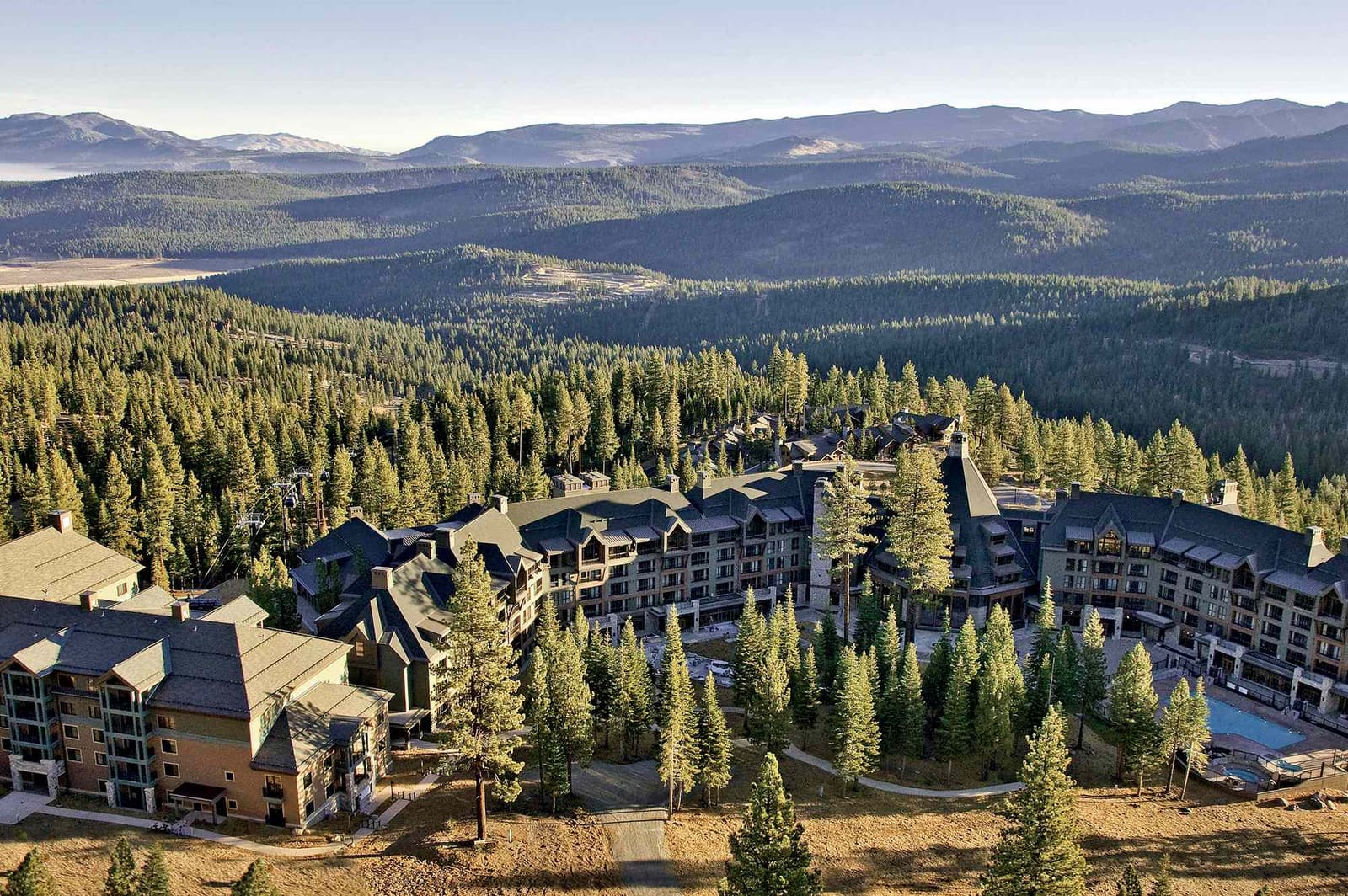
A Reimagined Alpine Refuge
There is a particular quality to the light at altitude, the way it filters through ponderosa pine and glances off granite. At The Ritz-Carlton, Lake Tahoe, that light now falls across newly refinished timber beams, reupholstered armchairs in wool the colour of winter sage, and stone fireplaces that anchor the property's redesigned public spaces. The resort has emerged from a two-year renovation that touched nearly every corner of its mid-mountain perch, 1,800 metres above sea level in the Sierra Nevada.
The transformation was comprehensive yet restrained. Rather than impose a foreign vocabulary, the design team leaned into the building's original dialogue with its surroundings: lodgepole pine, locally quarried stone, and palette drawn from the forested ridgelines that frame Lake Tahoe's western shore. Guest rooms now feature custom millwork in pale oak, textiles that echo the muted tones of high-altitude flora, and bathrooms clad in honed marble with deep soaking tubs oriented toward the forest canopy.
Direct Access to the Slopes
The property's location remains its most persuasive argument. A private gondola connects the resort directly to Northstar California's mid-mountain base, eliminating the logistical friction that often accompanies ski holidays. Guests can collect skis from the on-site shop, step into the gondola, and arrive at the slopes within minutes. The return journey is equally seamless, a particular luxury at the end of a long day on the mountain when fatigue has set in and the prospect of navigating car parks feels insurmountable.
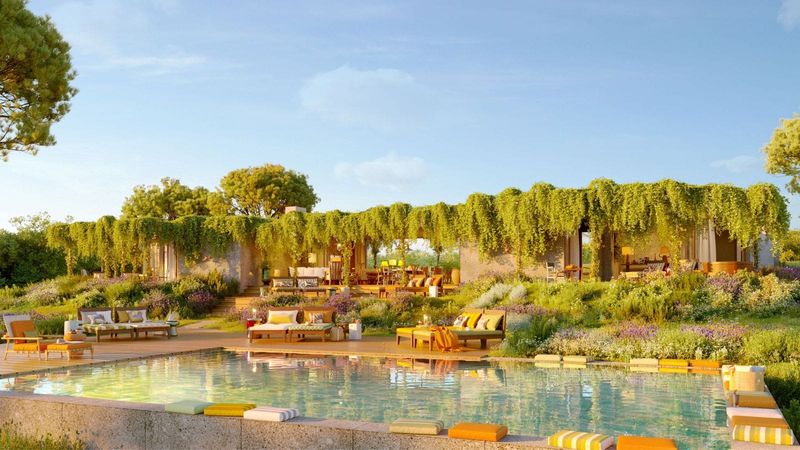
Beyond the winter season, that same gondola serves as a gateway to Northstar's network of summer trails. Hikers and mountain bikers depart in the morning cool, ascend through zones of Jeffrey pine and red fir, and return in late afternoon to the resort's terrace, where the heated outdoor pool overlooks a meadow dotted with lupine and Indian paintbrush. The pool itself, maintained year-round, offers the singular pleasure of soaking in warm water while snow falls softly on the surrounding pines.
The Rituals of Après
Après-ski culture at Lake Tahoe has historically leaned casual, a contrast to the more formal traditions of European resorts. The Ritz-Carlton threads a middle path. The Manzanita bar, redesigned during the renovation, anchors the resort's social life with a menu of craft cocktails that reference regional ingredients: Douglas fir syrup, Sierra honey, spirits from California distilleries. The space itself is intimate rather than sprawling, with low seating arranged around a central fireplace and floor-to-ceiling windows that frame the forest.
Live music appears several evenings each week, typically acoustic sets that complement rather than dominate conversation. The crowd skews towards guests who have spent the day outdoors and prefer a measured wind-down to late-night revelry. By nine o'clock, many have migrated to the resort's restaurant, where the menu emphasises hearty preparations suited to the altitude and activity level: braised short ribs, wild mushroom risotto, line-caught fish from the Pacific coast prepared simply with butter and herbs.
A Four-Season Proposition
Lake Tahoe's reputation as a winter destination often overshadows its appeal during the warmer months. The Ritz-Carlton has positioned itself as a year-round retreat, a strategy that aligns with broader shifts in mountain tourism. Summer brings hikers, climbers, and families seeking respite from the Central Valley's heat. Autumn draws photographers and quiet-seekers who time their visits to the aspen groves' brief blaze of gold. Spring, the shoulder season, offers variable weather and fewer crowds, appealing to those willing to trade predictability for solitude.
The resort's spa, also reimagined during the renovation, incorporates treatments that acknowledge the physical toll of altitude and exertion. Deep-tissue massage, hydrotherapy circuits, and oxygen-infused facials address the specific needs of guests who arrive wind-chapped and muscle-sore. Treatment rooms open onto private terraces where heated loungers allow for post-treatment rest beneath the pines.
The Broader Context of Mountain Luxury
The renovation arrives at a moment when North American ski resorts are reassessing their offerings. Rising operational costs, unpredictable snowfall patterns, and an evolving clientele have prompted many properties to invest in year-round amenities and diversified programming. The Ritz-Carlton's approach reflects this shift: the emphasis on non-ski activities, the culinary programme that extends beyond standard resort fare, the spa facilities that rival urban counterparts.
Yet the property's success will ultimately hinge on how well it balances accessibility with exclusivity. Lake Tahoe attracts a diverse spectrum of visitors, from Bay Area weekenders to international travellers for whom the Sierra Nevada represents a first encounter with alpine terrain. The resort must serve both constituencies without diluting the experience for either, a challenge that requires careful calibration of service style, programming, and atmosphere.
Arrival and Departure
The drive from Reno-Tahoe International Airport takes just under an hour, a journey that ascends through high desert, crosses the state line into California, and climbs into pine forest. The final approach winds through Northstar's village, past condominiums and vacation homes, before reaching the resort's entrance. Valet attendants appear immediately, a seamless transition from travel mode to arrival.
Departure, conversely, often feels premature. The rhythm of days at altitude has a way of recalibrating internal clocks, slowing the pace to match the mountain's own. Guests linger over breakfast, reluctant to exchange the clarity of high-country air for the compression of sea-level life. The checkout process, efficient and unhurried, acknowledges this reluctance without prolonging it unnecessarily. Within minutes, luggage is loaded, the descent begins, and the forest recedes in the rear-view mirror.
What Endures
Mountain resorts, perhaps more than their coastal or urban counterparts, must negotiate the tension between change and continuity. Guests return expecting both familiarity and renewal, the comfort of recognition alongside evidence that the property has evolved. The Ritz-Carlton's renovation attempts this balance by preserving the spatial logic and material honesty of the original design while updating surfaces, systems, and amenities to meet contemporary expectations.
Whether this approach resonates will become clear over successive seasons, as the property weathers winter storms and summer heat, as new guests arrive and returning visitors assess what has changed. For now, the renovation offers a considered response to the question of what alpine luxury might look like in an era when the mountains themselves are changing, when snow arrives later and melts earlier, when the very idea of permanence in high places has become provisional.