Where Two Lakes Meet: Inside British Columbia's Wine Country Retreat
Penticton's vineyard trails and quiet waters offer a different rhythm for travelers who've already ticked off Banff and Whistler.
A Geography That Shapes Everything
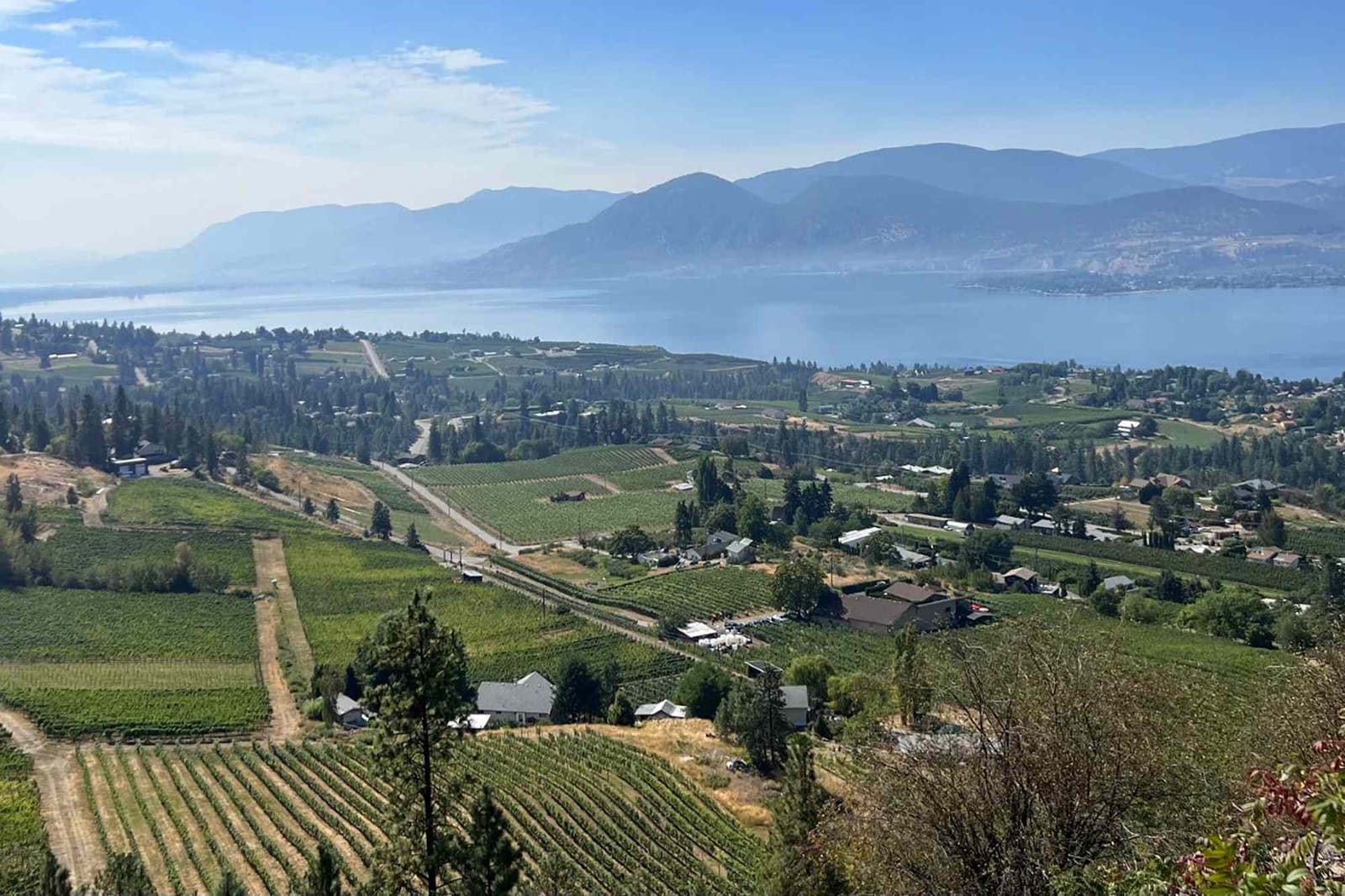
Stand at the right vantage point in Penticton and you can see both shorelines - Okanagan Lake stretching north toward Kelowna, Skaha Lake running south into orchard country. The city occupies a narrow four-kilometer corridor between them, a sliver of land that has dictated everything from settlement patterns to recreation culture. Indigenous Syilx people knew this place as Snpinkten, "a place to stay forever," and the geography explains why: two water sources, sheltered valley microclimates, and a natural corridor for movement.
At Global Chic Voyage, we've watched travelers discover secondary Canadian cities with the same delight once reserved for the Rockies circuit. Penticton belongs to that cohort - places where infrastructure remains human-scale and the landscape hasn't been engineered into submission. The lakes here aren't turquoise glacial spectacles; they're warmer, swimmable bodies of water that locals treat as front yards rather than photo ops.
The twin-lake configuration creates a peculiar weather pocket. The Okanagan Valley sits in a rain shadow cast by the Cascade Range, yielding one of Canada's few semi-arid climates. Summer temperatures regularly climb past thirty degrees Celsius, while winter brings enough snow for hill skiing but rarely the deep-freeze paralysis of prairie provinces. It's a Goldilocks zone that has made the valley Canada's second-largest wine region, after Ontario's Niagara Peninsula.
Pedaling Through the Vines
The Kettle Valley Rail Trail, a decommissioned railway route now converted to multi-use path, threads through the benchlands above Penticton. The section known locally as the KVR curves past vineyard after vineyard, the grade never exceeding two percent - a legacy of steam-engine limitations that modern cyclists appreciate. Rent a bike in town and within twenty minutes you're riding through Merlot and Chardonnay plantings, the lake a blue constant in your peripheral vision.
What distinguishes this experience from, say, cycling through Napa or Bordeaux is the absence of tour buses and tasting-room queues. Many Okanagan wineries still operate at boutique scale, family-run operations where the person pouring your flight might also manage the crush. The aesthetic skews functional rather than château-grand: barn-style tasting rooms, gravel parking, picnic tables under pop-up canopies. It's wine country before the lifestyle magazines arrived.
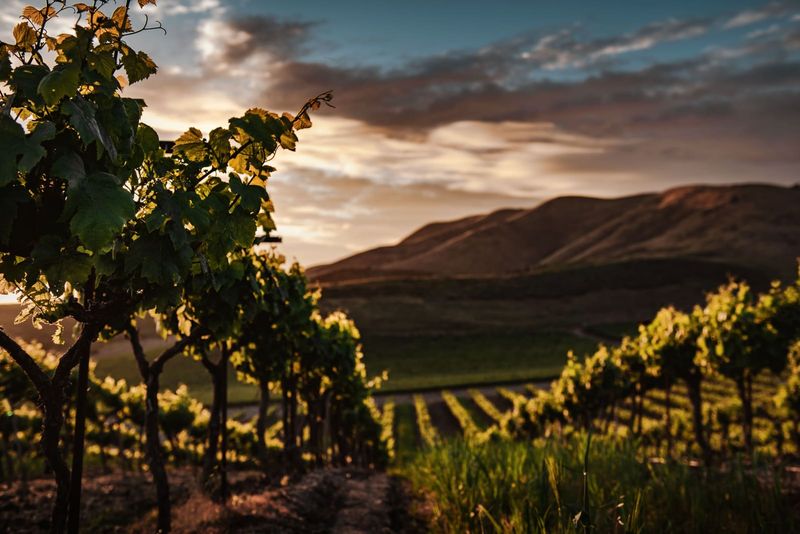
The trail itself carries a particular kind of beauty - the dusty, golden-grass beauty of interior British Columbia, where Ponderosa pines punctuate hillsides and irrigation determines what grows. In early autumn, the vine leaves turn ochre and crimson, and the light takes on that slanted, honeyed quality that photographers wait all year to capture. You can ride for hours without seeing another soul, the only sound the crunch of gravel under tires and the occasional hawk cry overhead.
On the Water, Quietly
Kayaking Okanagan Lake at dawn means sharing the water with great blue herons, osprey, and the occasional beaver. The northern reaches of the lake, where Penticton's shoreline gives way to marsh and wetland, support a surprising diversity of wildlife for a region so heavily cultivated. Paddle quietly and you might catch sight of a muskrat slipping through reeds, or a merganser diving for breakfast.
The lake's southern basin, where Penticton sits, reaches depths of more than seventy meters - cold, dark water that stays cool even when air temperatures soar. Locals will tell you about Ogopogo, the serpentine lake creature of Syilx legend and tourist kitsch, but the real mystery is ecological: how a desert valley sustains such a large, deep lake. The answer lies in glacial melt and a watershed that drains a vast swath of the Interior Plateau, but the effect on the ground is almost paradoxical - a lush, water-rich corridor cutting through sagebrush country.
Skaha Lake, the smaller southern sibling, offers a different character. Shallower and warmer, it's where families congregate in summer, where paddleboard rentals outnumber kayaks. The lake's eastern shore is largely undeveloped, a long stretch of pebble beach and grassland that feels more remote than it actually is. We've found that the best strategy is to split your time: mornings on Okanagan for the wildlife and the light, afternoons on Skaha for the swimming and the ease.
The Architecture of Leisure
Penticton's downtown retro-fits the bones of a mid-century lakeside resort town - motor lodges with kidney-shaped pools, single-story commercial blocks, neon signage that hasn't been updated since 1974. There's a certain charm in this, a refusal to cosmeticize or theme-park the experience. The main strip, Lakeshore Drive, runs parallel to Okanagan Lake, lined with ice cream shops, fish-and-chip stands, and the kind of family-run motels that survive on repeat guests.
In recent years, a quieter gentrification has begun - craft breweries in converted warehouses, farm-to-table bistros serving Okanagan peaches and Fraser Valley lamb, boutique hotels that nod to mid-century design without tipping into pastiche. It's a delicate balance, and Penticton hasn't entirely figured it out yet. The result is a town in conversation with itself, old and new coexisting without much attempt at synthesis.
The Penticton Lakeside Resort, perched at the north end of the beach, represents the town's aspirational side - a modern conference hotel with floor-to-ceiling windows and a rooftop patio overlooking the lake. A few blocks south, the aging motels with their vacancy signs and sun-faded awnings represent continuity, the Penticton that has hosted family vacations for three generations. Both versions are authentic; both have their adherents.
Why August Matters
The Penticton Peach Festival, held each August, transforms the town into a weeklong celebration of stone fruit, wine, and community ritual. There are parades, concerts, a sandcastle competition, and the peculiar tradition of the "Peach Queen" coronation - a beauty pageant holdover from 1948 that now functions as scholarship program and civic ambassador role. It's earnest, slightly kitschy, and utterly sincere in a way that feels increasingly rare.
August is also when the Okanagan's fruit economy hits full stride. Roadside stands overflow with peaches, apricots, cherries, and early apples. The valley's agricultural heritage, often overshadowed by wine tourism, reasserts itself. Drive twenty minutes in any direction and you'll find U-pick orchards, farm gates selling preserves and honey, and the kind of sun-warmed fruit that makes you reconsider what a peach can be.
For travelers, August means crowds - Canadian families on summer holiday, visitors from Alberta and Washington State. The beaches fill, the winery tasting rooms book solid, and accommodation prices spike. But the energy is convivial rather than frantic, and the long daylight hours (sunset past nine o'clock) stretch each day into something generous.
What Penticton Isn't
It's worth naming what this place doesn't offer. There are no Michelin-starred restaurants, no luxury spa resorts with infinity pools and Himalayan salt rooms, no helicopter tours or private-jet access. The shopping runs to outdoor gear, beachwear, and wine. Nightlife means pub patios and the occasional live band, not nightclubs or cocktail lounges. If your travel requires superlatives and five-star amenities, Penticton will feel modest, perhaps even dull.
But for travelers fatigued by the arms race of luxury tourism - the escalating thread counts and ever-more-esoteric tasting menus - there's relief in a place that doesn't try so hard. Penticton's appeal lies in accessibility: you can bike the vineyard trails without a guide, kayak the lake without a permit, eat well without a reservation made months in advance. It's a destination that rewards independent exploration rather than curated itineraries.
The city also sits outside the Instagram travel circuit, which means you're less likely to encounter influencers staging content at golden hour or tour groups moving in synchronized waves. The pace is slower, the interactions more organic. It's the kind of place where a winemaker might spend twenty minutes talking you through the quirks of Okanagan terroir, not because it's part of the brand experience, but because they're genuinely interested in the conversation.
The Longer View
As climate patterns shift, the Okanagan Valley faces the same pressures as wine regions worldwide - earlier harvests, water scarcity, wildfire risk. The summer of 2021 brought unprecedented heat and devastating fires to British Columbia's interior, and the valley's agricultural future is no longer a given. Penticton's identity, so bound to fruit and wine and outdoor recreation, will necessarily evolve.
Yet there's resilience in a place that has always negotiated between abundance and aridity, between development and preservation. The Syilx people have inhabited this valley for millennia, adapting to its rhythms and limits. The contemporary challenge is whether newcomers - both settlers and visitors - can learn that same attentiveness, that same long view.
For now, Penticton remains a place where you can still find quiet water at dawn, where vineyard trails wind through working landscapes, and where two lakes frame a city that hasn't yet decided whether it wants to be discovered. That in-between quality, that sense of a place still becoming, is perhaps its greatest asset.