Virginia's Wine Country Writes Its Own Story
Three centuries of viticulture, three hundred estates, and a Michelin star or two have turned the Commonwealth into a serious contender.
The Vineyard Before the Nation
The vines came first. Long before California planted its first rootstock, before the Gold Rush or the missions, Virginia's colonists were already coaxing grapes from red clay soil. Thomas Jefferson famously failed at it, his Italian varietals succumbing to humidity and phylloxera at Monticello. Yet the ambition persisted, and three hundred years later the Commonwealth claims a viticultural lineage no western state can match.
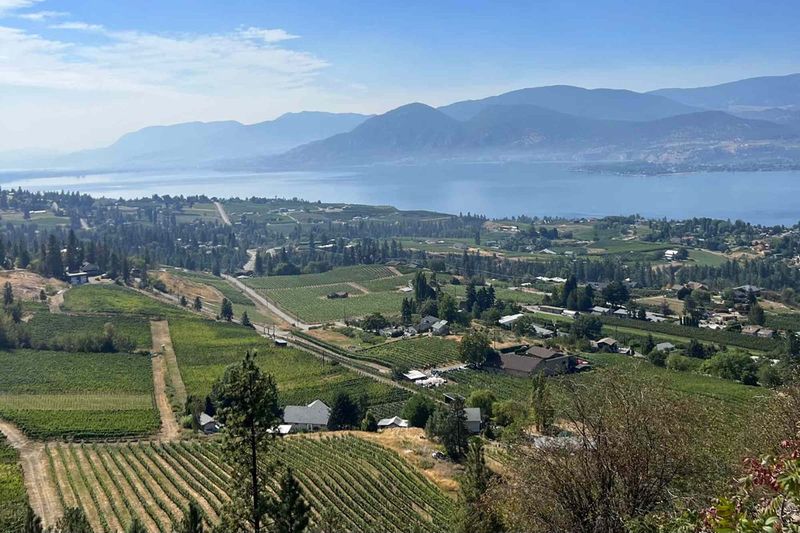
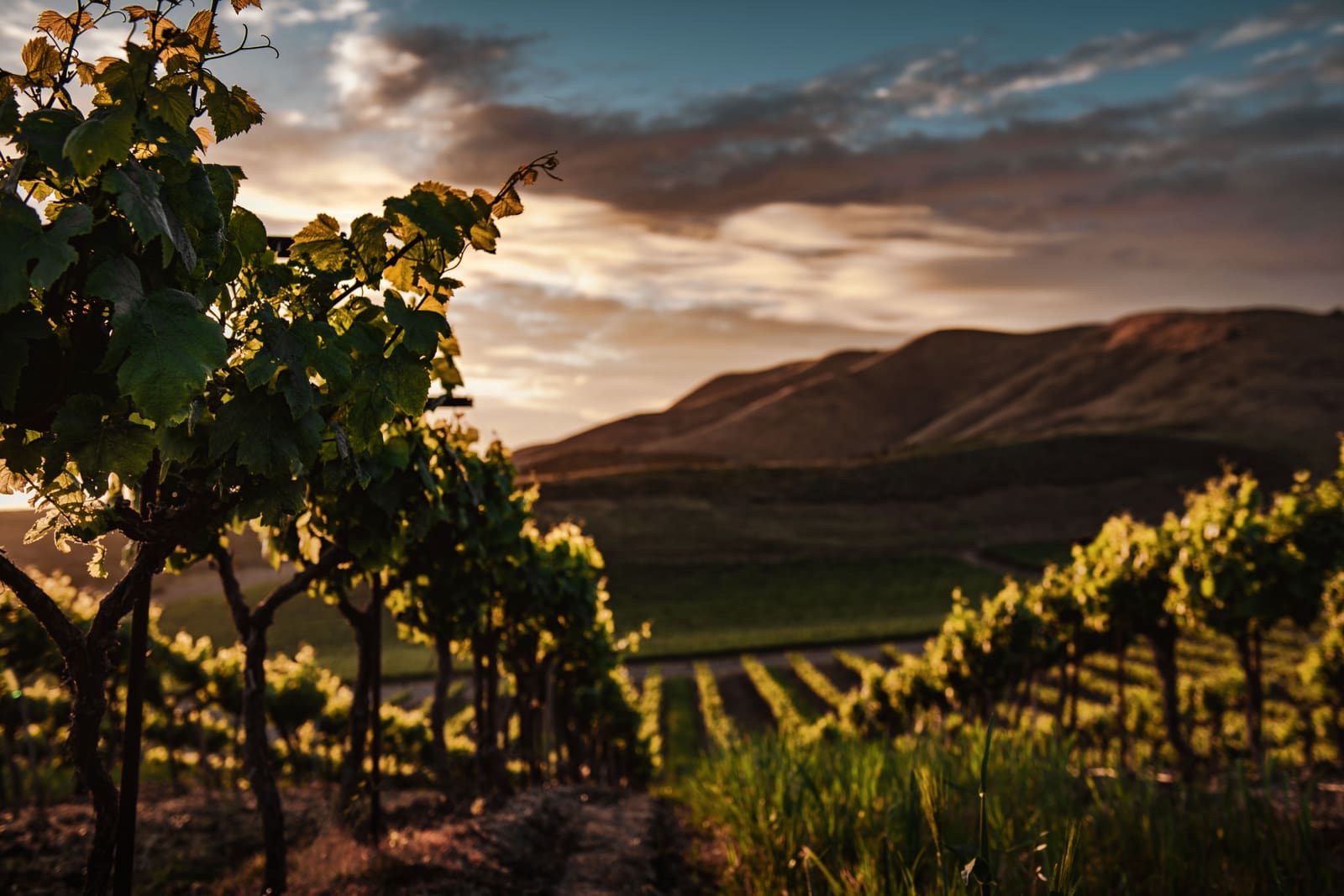
Early Mountain Vineyards sits in that continuum, a contemporary expression of an old wager. The estate occupies a sliver of the Blue Ridge foothills, where the Piedmont plateau begins its gentle descent toward tidewater. Here the growing season stretches long and warm, tempered by altitude and the occasional Appalachian breeze. The conditions favour Viognier and Petit Verdot, grapes that have found an unlikely second home far from the Rhône and Bordeaux.
What distinguishes the property is not novelty but a willingness to work within the region's limitations. Virginia's summers are humid, its winters unpredictable. The vines require constant attention, and the resulting wines often carry a brightness, an acidity, that sets them apart from the riper profiles of the West Coast. It is a style shaped by climate rather than fashion, and it has begun to attract serious notice.
A Region of Three Hundred
Virginia now counts more than three hundred licensed wineries, a figure that has tripled in two decades. The growth has been uneven, concentrated in the central counties where elevation and drainage permit viticulture. Albemarle, Loudoun, and Fauquier have emerged as the core appellations, their names appearing with increasing frequency on lists in Washington and New York.
The scale remains modest by Californian standards. Most estates produce fewer than five thousand cases annually, and many are still family operations, their tasting rooms converted barns or farmhouses. Yet the aggregate output has reached a threshold where regional identity begins to cohere. Certain varieties, Viognier and Cabernet Franc chief among them, have become signatures. The former thrives in Virginia's warmth, yielding wines with stone-fruit aromatics and a textural richness that wears its alcohol lightly. The latter adapts well to the region's cooler pockets, producing reds with herbal notes and a savoury finish.
Early Mountain has positioned itself within this emerging canon, farming organically and fermenting with native yeasts. The approach is not doctrinaire but reflects a broader shift in the region toward site-specificity and restraint. The wines are meant to taste of somewhere, not merely of varietal character or winemaking technique.
The Michelin Factor
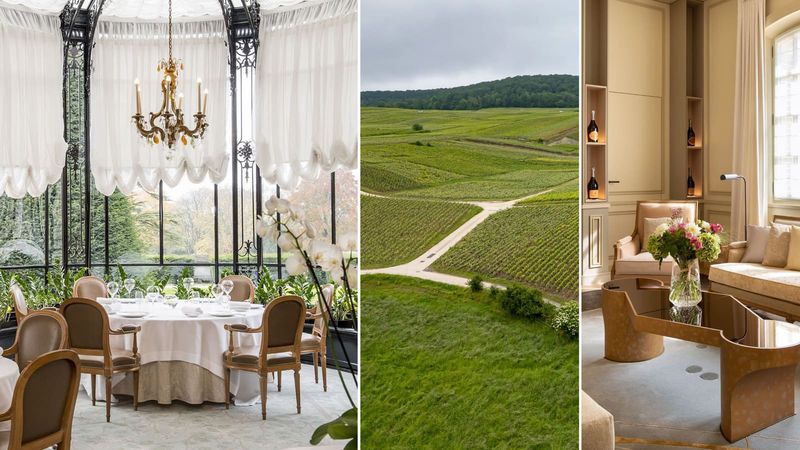
The arrival of Michelin stars in the region has lent culinary credibility to what was long dismissed as a weekend escape for Washingtonians. The Inn at Little Washington, a fixture in the Rappahannock Valley since the 1970s, has held three stars for years, its tasting menus pairing local trout and foraged ramps with Virginia Chardonnay and Merlot. More recently, other tables have earned recognition, their chefs sourcing from the same network of farms and dairies that supply the wineries.
The symbiosis is deliberate. Virginia's wine country has modelled itself less on Napa, with its corporate tasting rooms and highway traffic, than on smaller European regions where food and wine develop in tandem. The restaurants are intimate, the menus short and seasonal, the wine lists weighted toward local producers. It is a model that privileges experience over volume, and it has proven surprisingly resilient.
Early Mountain operates its own kitchen, a casual affair that serves wood-fired pizzas and charcuterie on a stone terrace overlooking the vines. The food is simple, designed to complement rather than compete with the wines, and the setting, particularly in late afternoon when the light slants across the valley, offers a reminder that luxury need not announce itself.
What the Old Region Offers Now
To call Virginia the oldest wine region in the United States is to invoke history, but it is the present that compels. The vines are mature, the infrastructure established, the winemakers increasingly confident. What has emerged is a destination that rewards curiosity over checklist tourism, where the pleasure lies not in ticking off famous names but in discovering a region still defining itself.
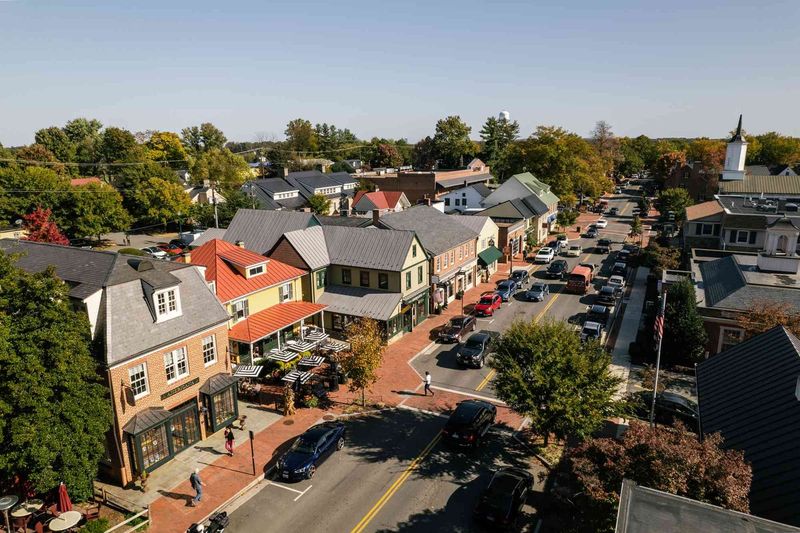
The landscape helps. The Blue Ridge forms a constant backdrop, its ridgeline visible from most vineyards. The roads wind through horse country and past Civil War battlefields, the towns small and unhurried. There is none of the density that now characterises Napa Valley, no traffic jams on weekend mornings or reservation battles months in advance.
Early Mountain exemplifies the accessible elegance that defines the region at its best. The tasting room is unpretentious, the staff knowledgeable without ceremony, the wines priced to encourage exploration rather than collection. It is an ethos shared by many of Virginia's producers, a recognition that the region's strength lies not in competing with established names but in offering something distinct.
The Measure of Maturity
Virginia's wine country has reached a point of maturity where it no longer requires the validation of comparison. The wines stand on their own merits, the restaurants have found their voice, and the region has developed an identity rooted in place rather than aspiration. Early Mountain Vineyards is one expression of that identity, but it is hardly alone. The Commonwealth's three hundred wineries represent three hundred variations on a theme, each interpreting soil and climate through the lens of individual ambition.
The question is no longer whether Virginia can produce serious wine, the answer to that is settled, but what kind of wine culture will take root. The early signs suggest something quieter than California, more integrated with agriculture and landscape, less concerned with scores and prestige. It is a culture that invites lingering rather than rushing, one that measures success not in cases shipped but in the quality of attention paid to the glass, the view, and the season.