The Capital That Grew Its Own Luxury
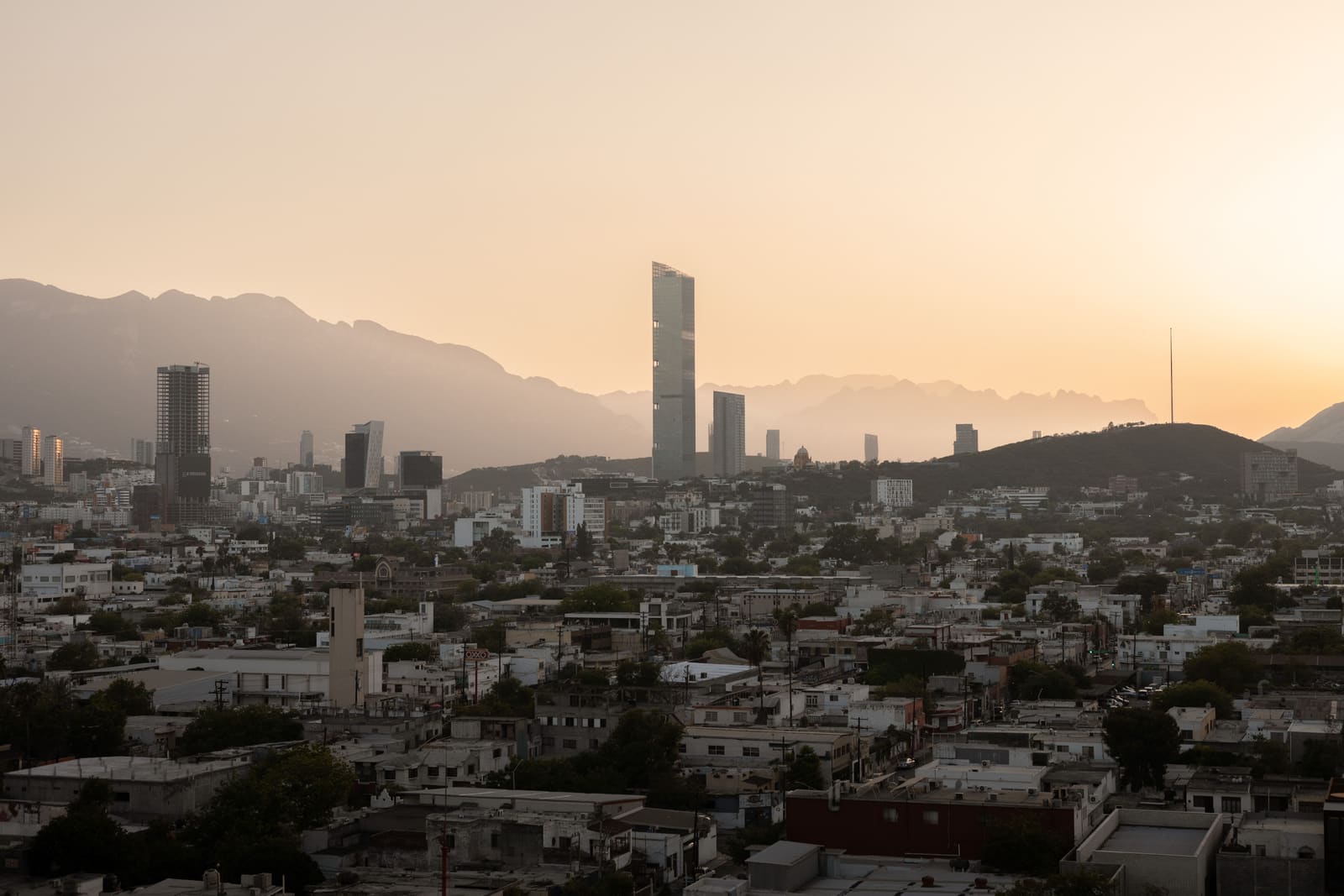
In the space of twenty-five years, Mexico City has built an infrastructure of taste that rivals any metropolis - and it did so on its own terms.
A Dining Room That Changed a Narrative
The year 2000 brought a restaurant to the Polanco district that operated on a premise few locals had witnessed: treating regional Mexican sauces with the kind of reverence European kitchens reserved for reductions and emulsions. Pujol, under chef Enrique Olvera, introduced formal dining structures to ingredients and techniques that had been relegated to home kitchens or street stalls. The impact stretched far beyond the neighbourhood. By 2024, when the Michelin Guide arrived in the capital, Pujol held two stars and had claimed a position in the top tier of the World's 50 Best Restaurants. The original intimate space gave way to a glass-fronted venue overlooking a courtyard dense with greenery, double the footprint, a few streets over.
What followed was not imitation but proliferation. A generation of chefs and restaurateurs observed that rigour and locality could coexist, that a city's culinary identity need not dilute itself to court international approval. The capital now draws visitors specifically for its tables, a shift that would have seemed improbable even fifteen years ago.
The Arithmetic of Arrival
Figures tell part of the story. Mexico City hotels recorded approximately 15.5 million overnight stays in 2025, a rise of nearly 5 per cent over the previous year. The capital now ranks among the most-visited cities in Latin America, a designation that carries both opportunity and tension. Eduardo Plaschinski, who co-owns the all-day dining group Niddo with his mother Karen, has watched the business grow from fifteen employees to one hundred across six locations in eight years. He recalls a time when the city carried a reputation that kept visitors away. "People were always scared of coming," he notes. That hesitation has dissolved, replaced by a curiosity that sustains rapid expansion.
The influx has brought the predictable frictions - rising rents, neighbourhood transformation, the friction between longtime residents and newcomers. Yet Plaschinski frames the change as overdue recognition. The city, in his view, has simply caught up to its own potential.
Concierge as Cartographer
Mónica Quintero and her three partners founded Odysya after recognising a pattern in their inboxes: requests for access, for introductions, for itineraries that moved beyond the obvious. Their clients - ultra-high-net-worth individuals seeking engagement with the capital's art and gastronomy - were not satisfied with standard luxury templates. Quintero notes a marked shift in travel behaviour. Where Los Cabos and Punta Mita once dominated the itineraries of wealthy visitors, the capital now competes for those same days. "When they go to Punta Mita or Los Cabos, it's like going to the U.S.," she observes. "Now they are willing to look for something unique."
The demand centres on two pillars: dining and art. The arrival of the Michelin Guide in 2024 formalised what locals already understood - that the capital's kitchens could stand alongside any in the world. Simultaneously, contemporary art spaces such as Masa, which opened in 2023, and LagoAlgo, established in 2022, have joined the long-standing Museo Nacional de Antropología in anchoring the city's visual culture. Quintero reports an increase in requests for gallery tours, particularly from collectors attending Zona Maco, the annual art fair held each February that draws European and American buyers.
Odysya's work spans the country, but the capital increasingly dominates the calendar. The reason, Quintero suggests, lies in the maturation of the city's five-star accommodation options, which now offer the polish that high-net-worth travellers expect without sacrificing local character.
Rooms With a Point of View
The Four Seasons established a foothold decades ago, but recent years have brought a wave of boutique properties that prioritise identity over homogeneity. Casa Polanco, which opened in 2022, occupies a restored 1940s mansion opposite Lincoln Park. The marble staircase remains, a centrepiece in a property that balances historical architecture with contemporary service standards.
El Cortés, a Relais & Châteaux member, arrived more recently in the Roma neighbourhood. Carlos Zaragoza, the Monterrey-born hotelier behind the project, spent his childhood travelling and developed a collector's eye. The fifteen-room property reflects that sensibility: artworks and tapestries from his personal collection line the walls, while traditional Talavera ceramics populate the guest rooms. Downstairs, Lotti serves European dishes reinterpreted through Mexican ingredients, overseen by Swiss chef Luc Liebster, who trained at a three-Michelin-star establishment in Vienna before relocating to cook at Pujol.
These properties do not attempt to erase their location. Instead, they embed it in every detail, offering visitors a version of luxury that feels specific rather than interchangeable.
The Market Matures
Retail has been slower to follow, but momentum is building. Catalina Marín, an analyst at trend forecasting firm WGSN, projects 5 per cent growth in the luxury market over the next five years. International houses - Carolina Herrera, Tiffany & Co., Cartier - have staged activations that engage with local culture rather than merely transplanting their brand codes. In 2023, Cartier mounted a three-month exhibition at Museo Jumex, exploring the intersection of design and Mexican craft traditions. Marín observes that these collaborations serve a dual purpose: they surprise international visitors with unexpected cultural depth, and they signal to Mexican consumers that luxury brands recognise the sophistication of the domestic market.
Demand among local buyers is rising, Marín notes, which means brands must offer more than imported prestige. "There are brands entering the market that need to offer a cultural view to connect with the local market," she explains. Window displays featuring local artists or references to Mexican traditions create a sense of dialogue rather than monologue.
Homegrown Names Claim Space
Mexican designers and makers are capitalising on the city's newfound visibility. Montserrat Messeguer, known for western wear and artisanal cowboy boots handcrafted in El Bajío, now counts musicians and actors among its clientele. Lengua, a high-end jewellery boutique, opened to showcase silver and gold pieces by Latin American designers. Patricio Campillo, an LVMH Prize finalist, launched his first standalone store in the Juárez neighbourhood, offering garments that reinterpret traditional techniques through contemporary silhouettes.
The breadth of these openings reflects a maturing ecosystem. Visitors who once flew in solely for a reservation at Pujol or Gabriela Camara's seafood institution Contramar now find reasons to extend their stays. Fashion ateliers, design boutiques, and galleries have proliferated at a pace that surprises even those embedded in the scene. Quintero, the concierge, remarks on the velocity of change: "Every day I discover something new."
What Sustains Momentum
The capital's transformation has not been imposed from above or engineered by tourism boards. It has emerged organically, driven by entrepreneurs who saw possibility where others saw risk, by chefs who refused to simplify their cuisine for foreign palates, by hoteliers who understood that luxury and locality need not conflict. The result is a city that has grown its own infrastructure of taste, one that does not defer to external validation but welcomes it when it arrives.
Twenty-five years after a single restaurant began reframing what Mexican dining could be, the capital has assembled the full constellation: accommodation that respects context, art spaces that engage serious collectors, retail that honours craft, and tables that require no apology. The crowds have followed, and with them the capital and attention that allow a city to sustain its own vision. What began as a solitary act of culinary ambition has become a citywide argument for a different kind of luxury - one built on specificity, on rootedness, on the confidence that comes from knowing your own worth.