Kazakhstan Adds a UNESCO Listing and a Tokyo Route in 2026
From Almaty's mountain edge to the desert sanctuaries of Mangystau, the country is pairing new heritage recognition with better roads and more flights.
Global Chic Voyage
Two changes in 2026 give Kazakhstan a clearer place on a long-haul traveller's map. The Rock Mosques and Associated Sacred Sites of Mangystau have been inscribed on the UNESCO World Heritage List, and Air Astana is due to start flying from Almaty to Tokyo Narita on 30 November 2026, twice a week.
Around them sits a country that is easier to read region by region than as a single destination. Each area has its own pace, and the new flights and roads make it more realistic to join two or three of them in one trip.
Almaty and the Mountains Beyond
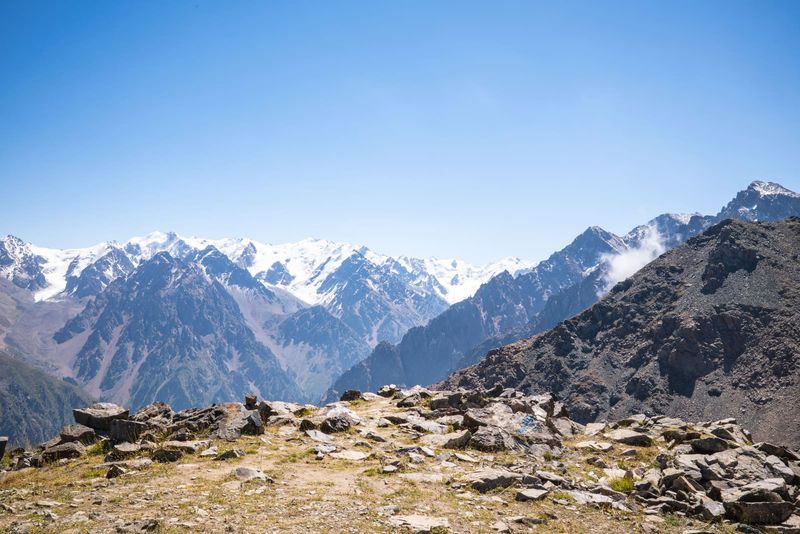
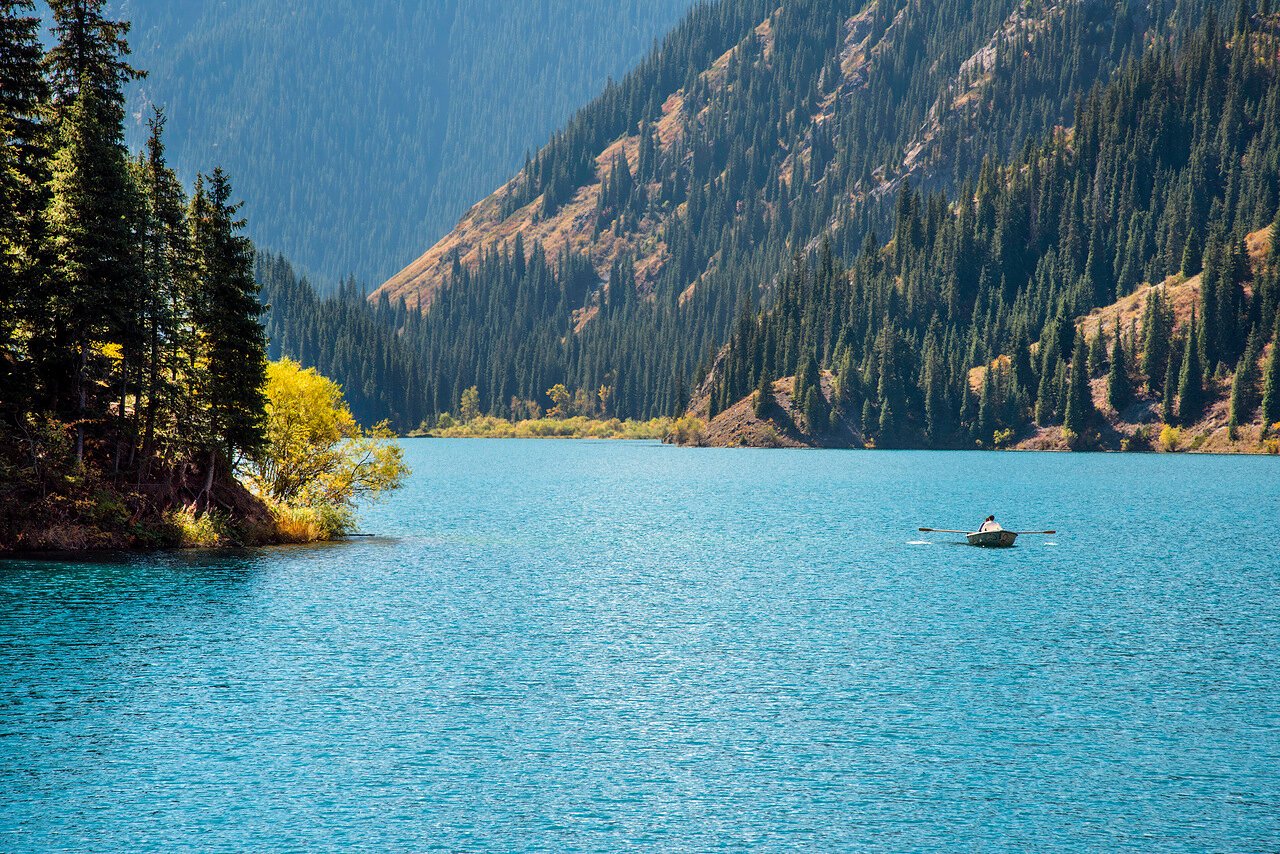
Almaty is the usual first stop, a city of urban culture and gastronomy with the Ile-Alatau range close enough to shape the weekend. Beyond the city limits, Ile-Alatau National Park, Charyn Canyon, the Kolsai Lakes and Altyn-Emel offer trekking, nature days and itineraries that stretch over several nights.

Burabay and Astana, Two Different Kinds of Pause
Burabay suits a slower trip. Forest and lake landscapes, walking, horse riding and health-oriented stays make it a candidate for nature-based wellness at any time of year. Astana works the other way round, as the capital where business and events draw visitors, and where a short run of cultural and gastronomic experiences can turn a work trip into a longer stay.


Mangystau: Desert Routes With a New Heritage Layer
Mangystau is the region for travellers who want distance and silence. Its adventure and expedition circuit centres on Bozzhyra, the Torysh Valley and the Tuzbair Plateau, and combines jeep tours, trekking and multi-day desert itineraries with cultural and spiritual sites.
In 2026 UNESCO inscribed the Rock Mosques and Associated Sacred Sites of Mangystau. The property covers five sacred complexes: Beket-Ata, Shopan-Ata, Karaman-Ata, Shakpak-Ata and Sultan-Epe. For visitors, the listing adds an internationally recognised reason to build a desert itinerary around them.


Turkistan and the Silk Road
Turkistan Region is the country's centre for cultural, historical and spiritual travel. The UNESCO-listed Mausoleum of Khoja Ahmed Yasawi anchors the visit, with the historic sites of Otyrar and Sauran extending it into a route about the Silk Road and Kazakhstan's heritage.

East Kazakhstan and the Altai, Now a Shorter Drive
The east of the country is built for slow travel: Katon-Karagay National Park, the Altai, Mount Belukha and Lake Markakol, with walking, horse riding, wellness stays and nature retreats as the common threads.
Access is the part that is changing. On the R-147 highway toward Katon-Karagay and Rakhmanovskie Klyuchi, a 13-kilometre high-altitude stretch between kilometres 437 and 450 has been rebuilt as a two-lane asphalt road. It was previously an unpaved track, and Kazakhstan's regional programme puts the journey time on that section at about 20 minutes, down from roughly two hours. Airports at Katon-Karagay and Zaysan are also planned, with government plans pointing to completion in 2026.


Getting There Is Getting Easier
Kazakhstan now has international air services to more than 30 countries across 161 routes, according to figures supplied for 2026, linking it with China, Europe, Central Asia and the Middle East. Air Astana's Almaty to Tokyo Narita service adds Japan to that list from 30 November 2026. Direct flights between Kazakhstan and the United States are under consideration for 2027, subject to regulatory approvals.
What to Weigh Before Booking
The World Economic Forum's Travel & Tourism Development Index 2026 places Kazakhstan 56th among 110 economies, with a score of 4.089 out of 7. The score rose 1.6 per cent on the previous edition, though the country slipped from 52nd as other economies improved faster. The index ranks Kazakhstan 2nd for price competitiveness.
The same data points to areas still to develop, among them transport beyond aviation and environmental performance. Whether the new airports make a practical difference will depend on the routes that airlines choose to fly into them, and on how reliably visitors can reach the regions once they land.
For travellers, the useful reading is a practical one. Kazakhstan is no longer a single long drive from one famous place to the next. It is a set of regions with separate characters, and 2026 is the year several of them became easier to reach.
Frequently Asked Questions
What was added to the UNESCO World Heritage List in Kazakhstan in 2026?
The Rock Mosques and Associated Sacred Sites of Mangystau, a property of five sacred complexes: Beket-Ata, Shopan-Ata, Karaman-Ata, Shakpak-Ata and Sultan-Epe.
When does Air Astana start flying from Almaty to Tokyo?
The Almaty to Tokyo Narita route is scheduled to begin on 30 November 2026, with two flights a week.
Which regions suit a multi-day trip in Kazakhstan?
Almaty Region for trekking and lakes, Mangystau for desert itineraries, Turkistan for Silk Road heritage and East Kazakhstan for mountain and slow-travel stays.