Where Romance and Landscape Converge on Maui
The island's volcanic cliffs, hidden waterfalls, and black-sand coves offer couples a honeymoon shaped by geology and intimacy.
A Coastline Built for Two
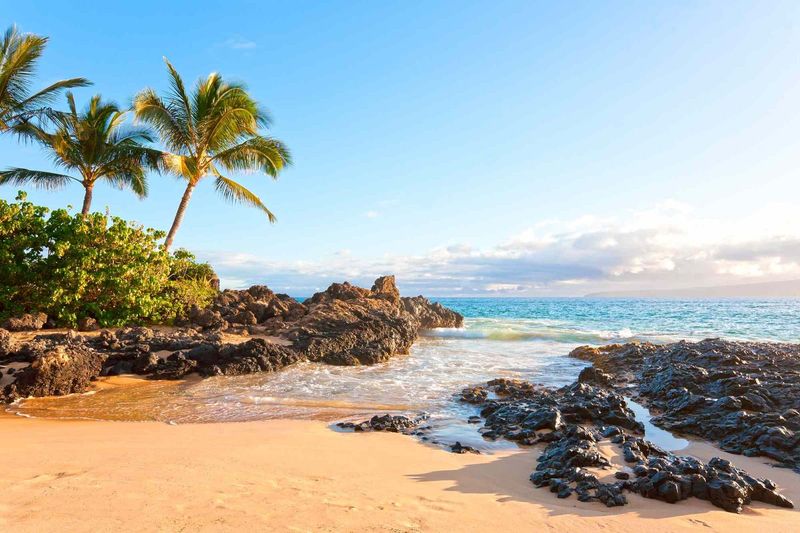
The road to Hana winds through more than six hundred curves, each bend revealing another fragment of Maui's eastern shore: a waterfall threading down a basalt wall, a grove of eucalyptus leaning into mist, a pocket beach where black sand meets turquoise water. Couples who make the journey early, before the convoy of tour vans, find the lookouts empty and the air still cool from the night. It is a drive that rewards patience, and honeymoons are exercises in exactly that.
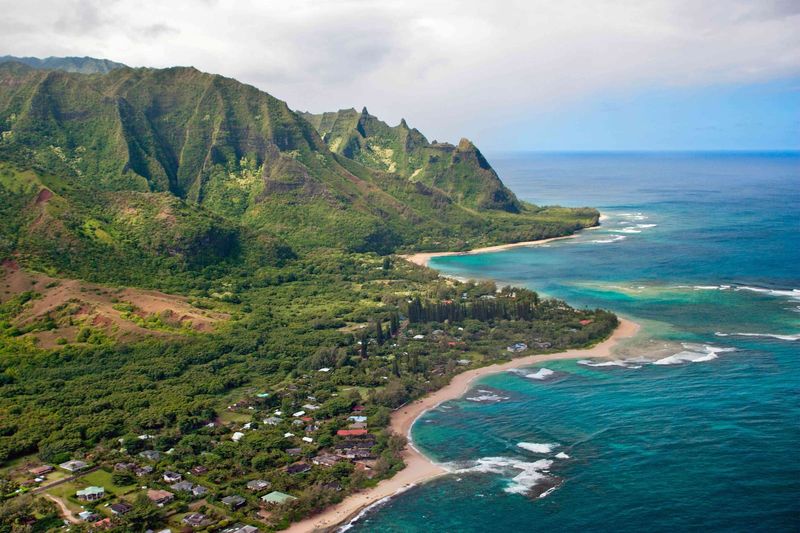
Maui's reputation as a romantic destination rests not on manufactured experiences but on the island's capacity to frame intimacy within elemental landscapes. The volcanic geography, still active beneath the surface, has sculpted coastlines that shift from lava rock to coral sand within a few kilometres. The result is an island of contrasts: arid leeward slopes where kiawe trees grow stunted and twisted, verdant windward valleys where taro patches have been cultivated for centuries, alpine desert at the summit of Haleakalā, and coastal waters where humpback whales breach from December through April.
Accommodation Beyond the Resort Template
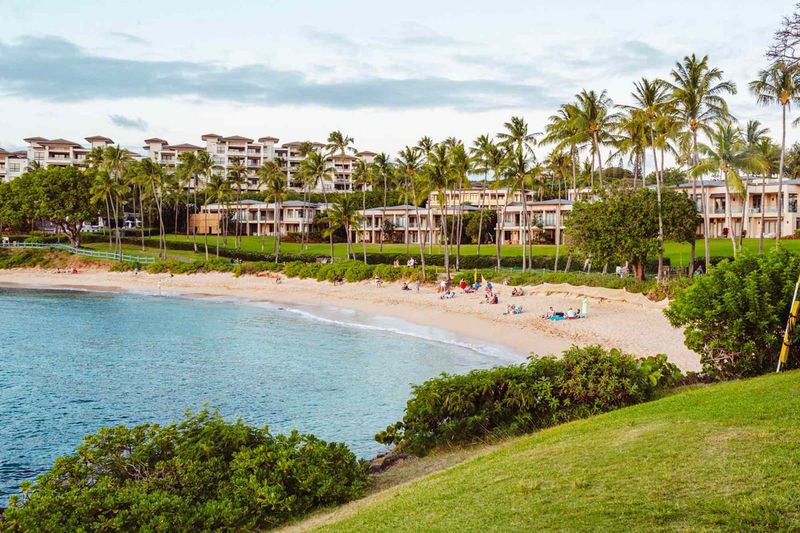
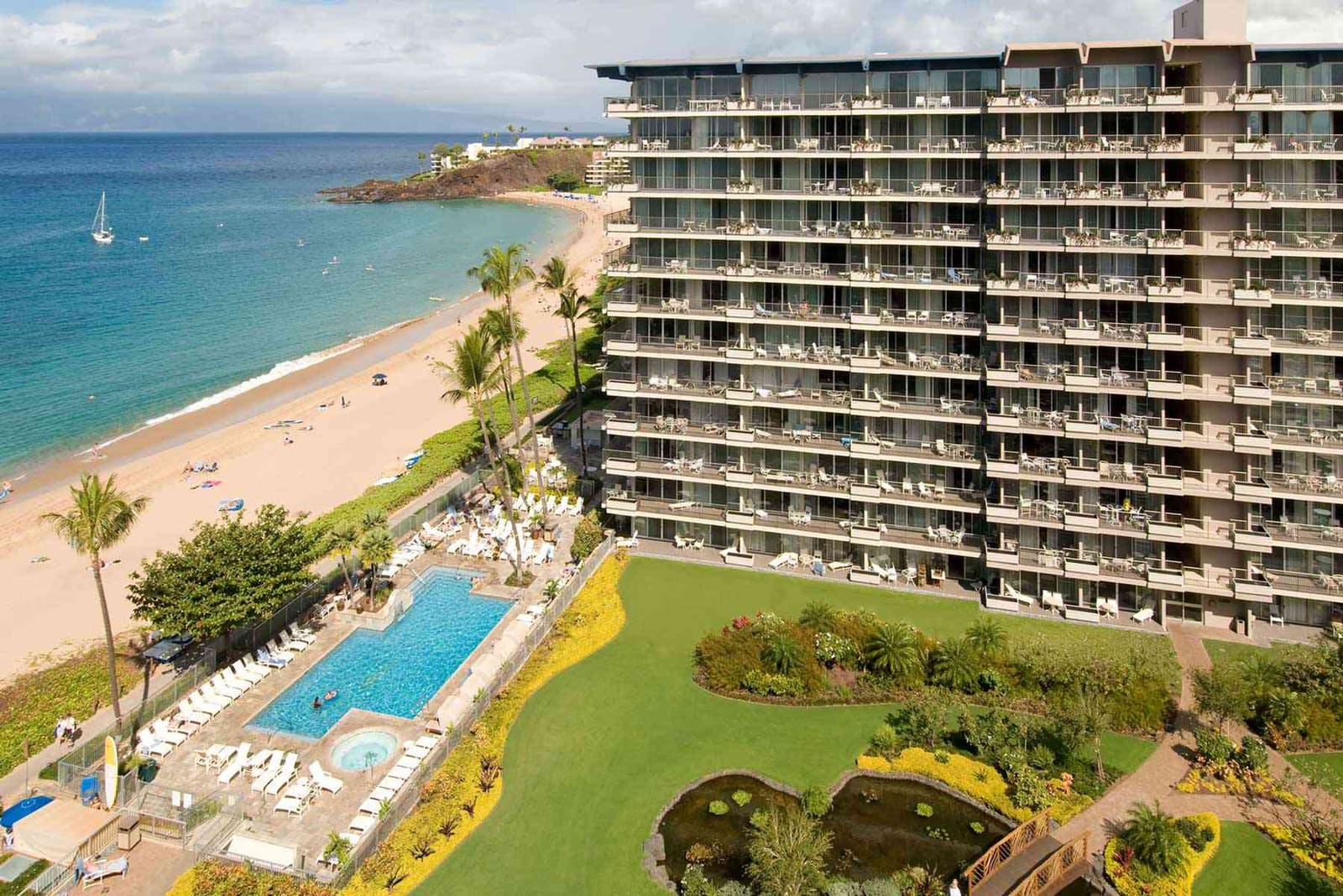
The western shore, from Kapalua south through Wailea, holds the majority of Maui's luxury properties. Yet the most compelling stays are those that resist the monolithic resort model. Smaller properties tucked into upcountry Kula or perched above the cliffs of Kahakuloa offer seclusion without isolation, often with kitchens stocked by local farmers and views unobstructed by neighbouring balconies.
In Wailea, a handful of oceanfront estates operate as private rentals, designed by architects who understood that the Pacific horizon should never be competed with, only framed. These homes, with their retractable walls and plunge pools cantilevered over lava rock, allow couples to inhabit the landscape rather than simply observe it. Breakfast becomes a ritual of papaya and Kona coffee taken barefoot on lanais, the sound of waves a constant metronome.
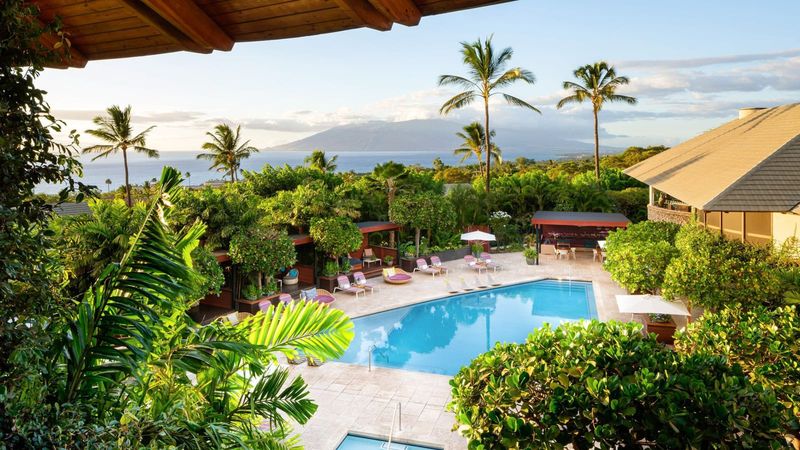
Upcountry, the air cools and the tourist density thins. Here, boutique inns occupy former plantation homes, their interiors a blend of mid-century Hawaiian modernism and contemporary restraint. Jacaranda trees shade the gardens; at night, the lights of the coastal towns glitter far below, and the Milky Way is visible in full.
Tables That Honour the Volcanic Soil
Maui's culinary landscape has matured beyond the resort dining room. A generation of chefs, many trained abroad but rooted in the islands, have built menus around what the volcanic soil and surrounding ocean provide. In Paia, a former surf town now colonised by yoga studios and organic grocers, restaurants serve line-caught ono and Maui Nui venison with sides of heirloom tomatoes grown in Kula's red earth.
In Lahaina, before the sun sets over Lānaʻi, couples gather at tables set directly on the sand, where the menu changes with the day's catch. The fish, often brought in that morning from boats moored in the harbour, arrives simply prepared: grilled over kiawe wood, dressed with lime and chilli, accompanied by purple sweet potato and local greens. It is cooking that privileges ingredient over technique, a philosophy borrowed as much from Japanese kaiseki as from Hawaiian tradition.
Wine lists, increasingly, feature not only California and European labels but bottles from Maui's own upcountry vineyards. The volcanic soil, porous and mineral-rich, produces wines with a distinct salinity, a reminder that the ocean is never more than a few miles away in any direction.
Pursuits for the Quietly Adventurous
Honeymoons on Maui need not be passive. The island offers enough variety that couples can alternate between exertion and repose without feeling programmed. Sunrise at the summit of Haleakalā, reached via a winding drive through multiple climate zones, is a pilgrimage undertaken by thousands each year, yet the scale of the crater, nearly eleven kilometres across, ensures that solitude is still possible. The air at three thousand metres is thin and cold; couples arrive in darkness, wrapped in blankets, and watch as the sun ignites the clouds below.
Snorkelling in Molokini Crater, a crescent of volcanic tuff rising from the channel between Maui and Kahoʻolawe, reveals an underwater topography as dramatic as anything on land. Visibility often exceeds thirty metres; schools of yellow tang and Moorish idols drift past coral formations that have taken centuries to build. The silence beneath the surface, broken only by the sound of one's own breathing, is meditative.
For those drawn to craft, the studios of Makawao and Haʻikū offer workshops in traditional Hawaiian arts: kapa cloth making, lei stringing with native flowers, wood carving from koa and milo. These are not tourist performances but working studios where artists maintain practices passed down through generations. Participating, even briefly, offers insight into a culture that has survived colonisation, annexation, and the homogenising pressures of mass tourism.
When to Arrive, and Why It Matters
Maui's climate is remarkably stable, yet timing still shapes the experience. Winter months bring humpback whales to the warm waters off the western shore; their presence is impossible to ignore. From coastal paths and restaurant terraces, breaches and tail slaps punctuate the horizon. The whales arrive to calve and nurse, and their vocalizations, audible even from shore on calm days, add a dimension to the seascape that summer lacks.
Spring and autumn offer fewer crowds and lower accommodation rates, though the trade winds can be unpredictable. Summer is the season of calm seas and long, warm evenings, ideal for sunset sails and beach picnics. Yet it is also the season when families descend en masse, and the island's infrastructure strains under the weight of peak tourism.
Regardless of season, the microclimates ensure variety. A morning spent in the rain forests of eastern Maui can be followed by an afternoon on the sun-baked beaches of the south, all within an hour's drive.
The Architecture of Shared Experience
What distinguishes a Maui honeymoon from a simple holiday is not the activities themselves but the cadence with which they unfold. The island's geography encourages a certain rhythm: mornings for exploration, afternoons for retreat, evenings for meals that stretch into hours. There are no monuments demanding to be seen, no museums with closing times. The landscape itself is the attraction, and it is patient.
Couples who return from Maui often speak less of specific places and more of moments: the unexpected appearance of a green sea turtle while swimming off Wailea, the taste of liliko'i sorbet eaten in the shade of a banyan tree, the warmth of sun-heated lava rock beneath bare feet. These are the textures of a honeymoon that resists itinerary and embraces improvisation, where the most memorable experiences are often unplanned.
The island's volcanic origins, its position in the middle of the Pacific, and its layered cultural history create a setting where romance is not manufactured but discovered. Maui offers not a script for honeymooners to follow but a landscape in which to write their own.