The Beaches That Make Maui the Island We Keep Coming Back To
Beyond the accolades and rankings, why this particular constellation of sand and reef continues to define Hawaii's most quietly magnetic shore
The Geography of Return
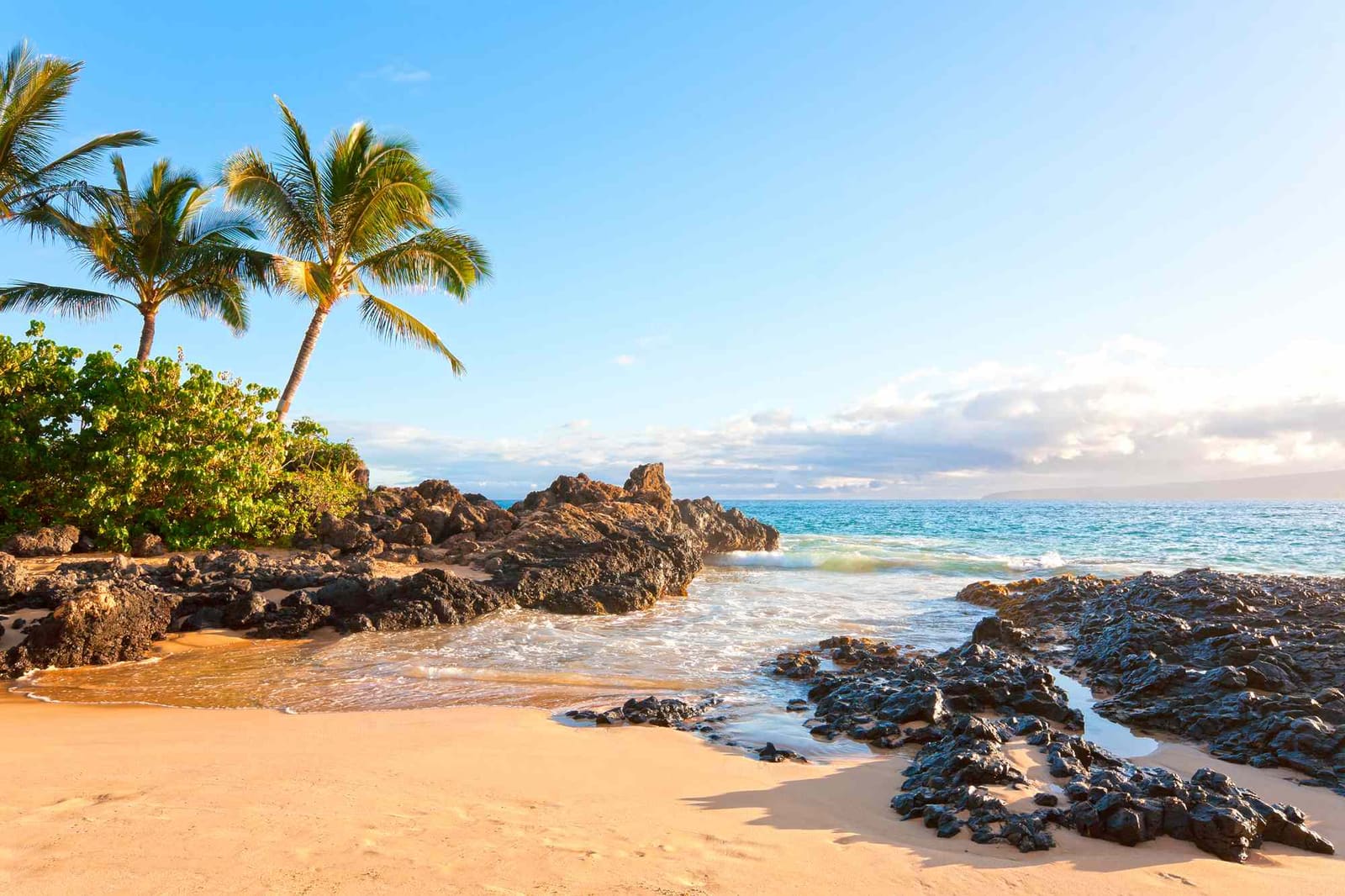
There is a particular quality to the light on Maui's western shore in late afternoon, when the sun drops toward Lanai and the water takes on the color of polished jade. At Global Chic Voyage, we've watched this island accumulate accolades over the years, but the numbers and rankings have always felt secondary to something harder to quantify: the way certain beaches here seem to hold travelers in a kind of gentle orbit, pulling them back season after season.
The island has just been recognized as Hawaii's top destination, a designation that surprises no one who knows its coastline. What matters more than the title itself is understanding why this particular piece of volcanic rock, second-largest in the archipelago, manages to offer such variety within its relatively compact geography. The beaches here are not interchangeable postcards. Each carries a distinct personality shaped by reef structure, exposure to swell, and the volcanic forces that built the island in the first place.
Reading the Water
The quality that defines Maui's most beloved beaches is not dramatic surf or endless expanses of sand, but rather the clarity and temperament of the water itself. This is an island for people who want to be in the ocean, not simply beside it. The leeward coast, sheltered from the prevailing trade winds by the bulk of Haleakala, creates conditions that are unusually forgiving. Protected bays and offshore reefs break up the Pacific's energy before it reaches shore, leaving behind water that is calm enough for long swims and clear enough to see the reef structure from the surface.
This is not accidental geography. The volcanic activity that formed Maui created natural barriers and channels that moderate wave action in specific locations. The result is a coastline where snorkeling becomes less about fighting current and more about drifting above gardens of coral, watching green sea turtles graze on algae-covered rocks. The visibility here regularly exceeds seventy feet, a function of minimal runoff and the way ocean currents sweep the coastline clean.
The Architecture of Sand
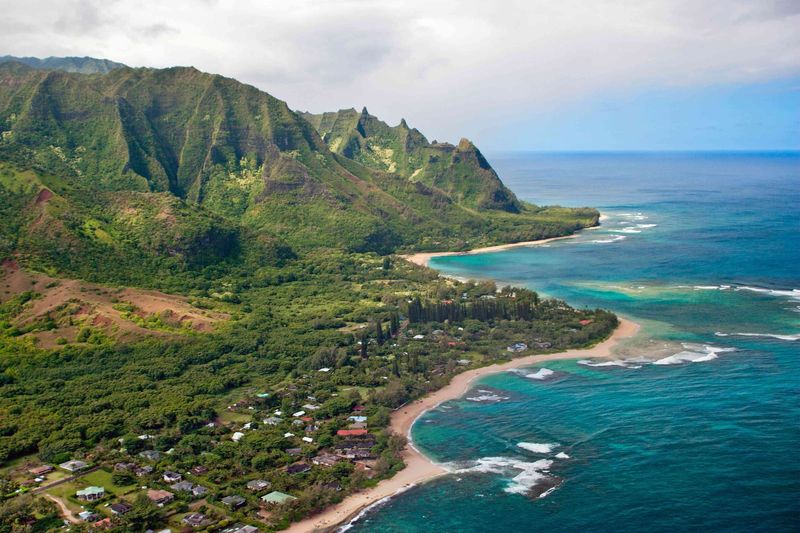
Maui's beaches reveal the island's volcanic history in their very composition. The golden sands of the western and southern shores are made from coral and shell fragments, ground fine by wave action over millennia. In contrast, the black sand beaches scattered along the eastern coast are newer creations, formed when lava met ocean and shattered into glassy fragments. These darker shores are less about languid swimming and more about witnessing the raw process of island-building still in motion.
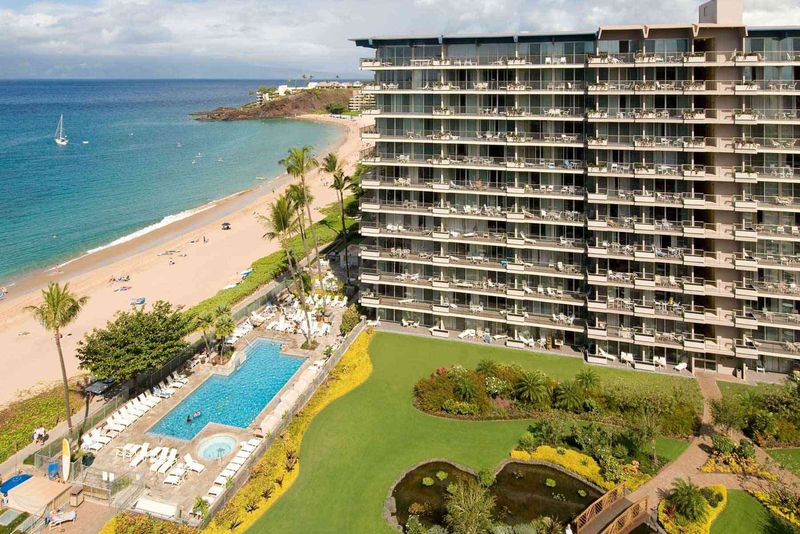
The variety means that choosing a beach here is less about finding the "best" and more about matching temperament to intention. Some coves are barely wider than a tennis court, tucked between lava outcroppings and accessible only by footpath. Others stretch for miles, backed by resort developments and equipped with every amenity. The island accommodates both the traveler seeking solitude and the one who wants a beach chair delivered with a cold drink.
Where Reef Meets Shore
The snorkeling along Maui's coast benefits from a particular ecological circumstance: healthy reef systems close enough to shore that you can swim to them without a boat. This proximity makes the underwater landscape accessible in a way that feels almost democratic. You need no special equipment beyond a mask and fins, no guide or tour operator. The reef simply begins where the sandy bottom ends, often within a hundred yards of the beach.
These reefs are not pristine wilderness, they show the wear of human presence and the stress of warming waters, but they remain vital ecosystems where fish aggregate in dense, colorful schools. The experience of floating above this underwater topography, watching trumpetfish hover vertically among coral branches and schools of yellow tangs flash past like windblown leaves, is the reason many visitors describe Maui in terms that border on the spiritual. It is not hyperbole. It is simply what happens when access to beauty is made this effortless.
The Question of View
Beyond the water itself, Maui's beaches offer sightlines that frame the island's dramatic geography. The view from the southern shore takes in Haleakala rising more than ten thousand feet behind you and the slopes of neighboring islands across the channel. These are not distant, hazy silhouettes but solid, three-dimensional landforms close enough to study in detail. The sense of scale is humbling in a way that photographs rarely capture.
This visual context matters more than it might seem. A beach is not only a place to swim but a vantage point, a place from which to understand your position in a larger landscape. The best beaches on Maui are the ones that offer both immediate pleasures, the cool water, the soft sand, and a broader perspective on the forces that shaped this place. Standing at the water's edge, you can trace the lava flows that built the coastline, see where ancient cinder cones have weathered into rounded hills, and watch clouds form and dissolve around Haleakala's summit.
The Weight of Recognition
Awards and rankings are useful insofar as they direct attention, but they also risk flattening a place into a list of superlatives. Maui's new designation as Hawaii's top island will likely bring more visitors to shores that are already well-traveled. The challenge, both for the island and for those who visit, is to maintain the qualities that earned the recognition in the first place: the ecological health of the reefs, the balance between development and preservation, the sense that these beaches remain places of genuine encounter rather than merely scenic backdrops.
What we've noticed over years of returning to Maui is that the island's appeal is not fragile, but it is specific. It depends on water quality, on the survival of coral ecosystems, on thoughtful management of coastal access. The beaches that define this island are not museum pieces to be admired from a distance. They are living systems that require care and attention, especially as recognition brings more footsteps to the sand.
The Ritual of Morning
There is a rhythm to beach life on Maui that reveals itself only after a few days. Locals arrive early, before the trade winds pick up, when the water is glassy and the light is still soft. By mid-morning, the breeze fills in, ruffling the ocean's surface and bringing relief from the heat. Afternoons are for shade and stillness, and then, as the sun drops, the beaches fill again with people drawn by the spectacle of sunset.
This daily cycle is not unique to Maui, but the island's western orientation makes it particularly pronounced. The sunsets here are not subtle. They are theatrical events, with clouds catching fire over Lanai and the ocean turning shades of copper and rose. Beaches that were quiet in the heat of the day become gathering places, informal amphitheaters where strangers stand side by side to watch the light fade.
What Draws Us Back
The question of why certain places exert such pull is never fully answerable. Maui's beaches are beautiful, but so are many others. The snorkeling is excellent, but the Caribbean and the Red Sea offer comparable experiences. What sets this island apart, what earns it rankings and keeps it lodged in travelers' minds, is perhaps the combination: the ease of access, the variety of experiences within a small area, the sense that you can spend a week here and never visit the same beach twice, yet still feel you've only begun to know the place.
At Global Chic Voyage, we measure destinations not by their superlatives but by the likelihood that we'll want to return. By that measure, Maui has always ranked first, long before any official designation confirmed it. The beaches here are not just beautiful. They are legible, readable landscapes that reward attention and repeat visits. Each time you return, you notice something you missed before: a new fish species, a different angle of light, the way the reef changes with the tide.
This is the real achievement of Maui's coastline. It offers not just a single perfect beach, but a dozen different ways to be beside, and in, the ocean. It accommodates different moods, different levels of ambition, different definitions of what makes a beach worth visiting. And in doing so, it becomes not just a destination but a place that feels, after a few visits, almost like home.