The Coastal Town Where Surf Breaks Meet Zen Gardens
An hour south of Tokyo's frenzy, Kamakura holds the unhurried rhythm of temple bells and Pacific swells.
A Different Coastline
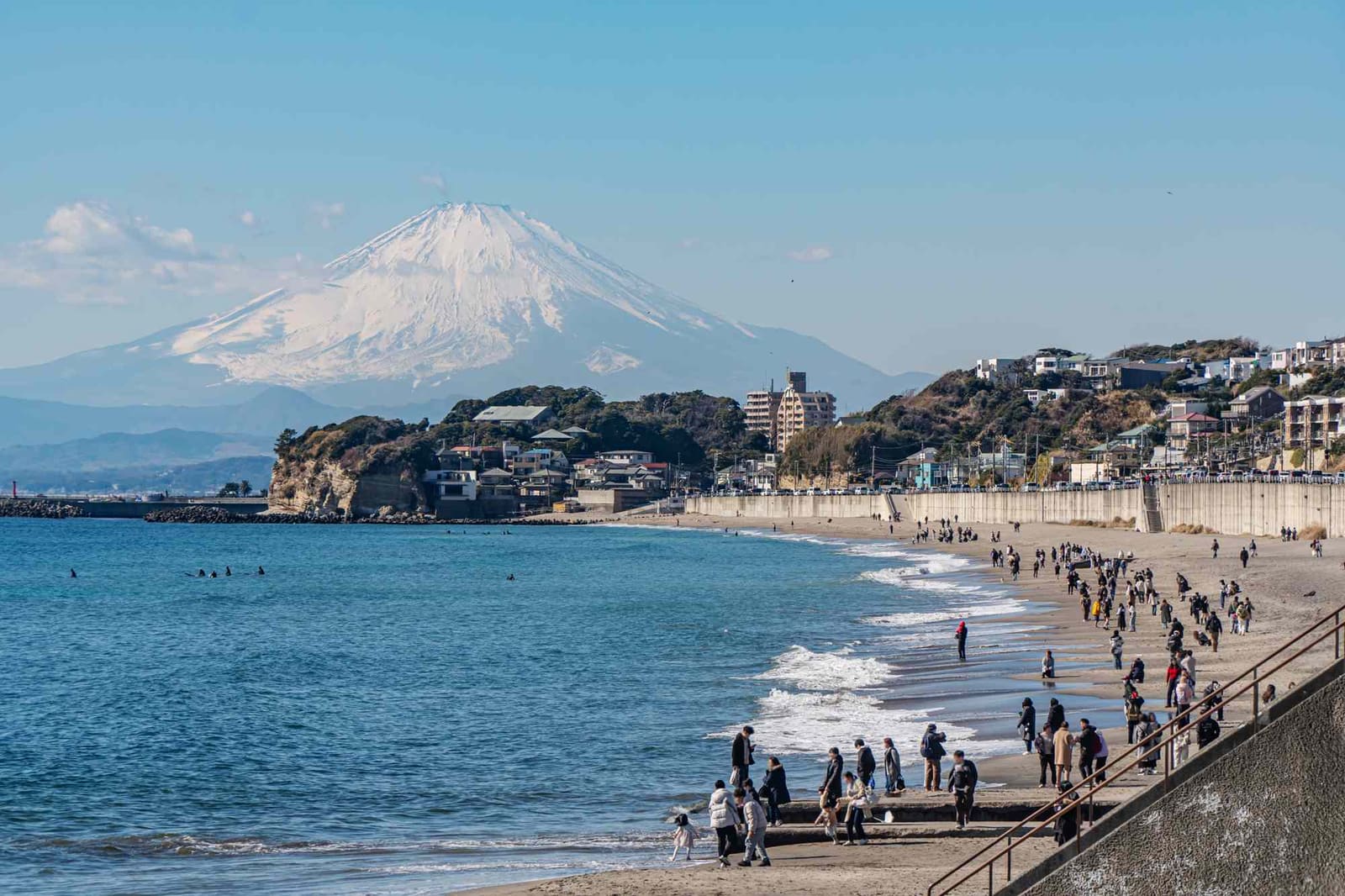
The Shonan shoreline unfolds in a way that feels neither wholly urban nor entirely remote. Kamakura occupies that liminal space where commuter trains still run on time but the air tastes of brine, where narrow lanes wind past wooden gates and the sound of waves becomes the town's undertone. It sits an hour south of Tokyo, yet the distance feels greater - not in kilometers but in tempo.
This is a place that has long understood duality. For centuries, it served as Japan's political seat, a city of warriors and governance. Today it draws a different kind of visitor: surfers who paddle out at dawn, pilgrims who walk the temple circuit, weekenders seeking refuge from metropolitan density. The town accommodates all three without erasing any one identity.
The Temple Circuit
Kamakura's Buddhist heritage is not ornamental. Over sixty temples dot the hillsides and valleys, many dating to the Kamakura period when the shogunate made this its de facto capital in the late twelfth century. These are not museum pieces cordoned behind velvet rope; they remain active sites of worship, their gardens raked daily, their bells rung at prescribed hours.
Kenchō-ji, Japan's oldest Zen training monastery, still functions as it did seven hundred years ago. The main hall's cypress beams carry the scent of incense; the karesansui garden invites the kind of sustained attention that modern life tends to interrupt. Nearby, Engaku-ji sits deeper in the hills, its pagodas framed by cryptomeria that filter the light into something softer, more diffuse.
The Great Buddha at Kōtoku-in - a bronze figure cast in 1252 - has weathered typhoons, tsunamis, and the slow erosion of salt wind. It sits in the open air now, the hall that once sheltered it swept away by a fifteenth-century wave. Visitors circle it in silence, the statue's patina a record of endurance.
The Surf
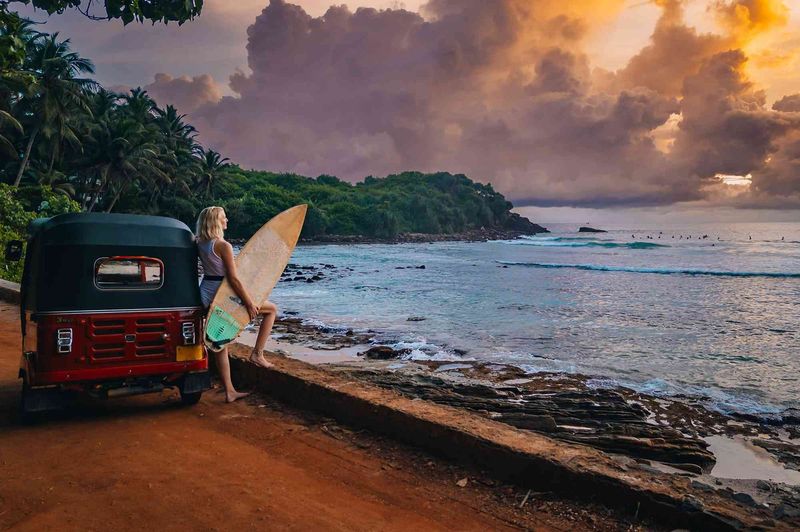
The beaches here are not Bali or Byron Bay. The sand is coarse, the waves inconsistent, the water cold enough to require a wetsuit most of the year. Yet Kamakura's surf culture runs deep, predating the postwar boom that brought the sport to much of coastal Japan. Yuigahama and Zaimokuza attract a mix of locals and Tokyo expats who make the pilgrimage each weekend, boards strapped to car roofs or carried onto the Yokosuka Line.
The breaks are forgiving, the lineups less territorial than at more storied spots. Beginners take lessons in the shallows; seasoned surfers wait for the occasional typhoon swell that brings head-high sets. Between sessions, surfers linger at beachside shacks that serve curry rice and cold beer, the kind of establishments that have operated under the same family for decades.
Swimming here is a seasonal affair, largely confined to July and August when the water temperature edges above tolerable. But the beach itself remains a presence year-round - a place to walk, to watch the light change over Enoshima Island, to sit with a book while the sound of the Pacific does its slow, iterative work.
The Culinary Thread
Kamakura's food culture reflects its coastal position and historical ties. Shirasu - tiny whitebait - are a local specialty, served raw over rice or lightly blanched, their delicate flavor a study in restraint. The fish arrive daily from Sagami Bay, and the best shops sell out by early afternoon.
The town's Buddhist legacy has also shaped its culinary identity. Shojin ryori, the plant-based cuisine developed in Zen monasteries, is still practiced here with rigor. Multi-course meals unfold in kaiseki progression: seasonal vegetables, tofu prepared in myriad forms, mountain vegetables pickled or simmered. It is food that asks you to pay attention, to notice texture and temperature and the way a single ingredient can express complexity without embellishment.
Machiya-style cafes occupy restored wooden houses along the shopping streets near Hase-dera. They serve matcha and sweets made from local azuki beans, spaces designed for lingering rather than transaction. The architecture itself - low ceilings, tatami rooms, gardens glimpsed through shoji screens - becomes part of the experience.
The Rhythm of Arrival
Kamakura's proximity to Tokyo is both asset and challenge. The town absorbs weekend crowds with a kind of weary grace, its main thoroughfares clogged with visitors who arrive on the same trains, follow the same routes, depart by evening. Yet step off those well-trodden paths - down a side lane, up into the hillside neighborhoods - and the town reasserts its quieter character.
Early mornings belong to the residents. Shopkeepers sweep the pavement outside their storefronts; elderly women tend small gardens; the smell of grilling fish drifts from kitchen windows. By midday, the tourist tide has risen, but even then, certain pockets remain undisturbed. The bamboo grove at Hokoku-ji, the moss garden at Sugimoto-dera, the residential streets behind Kamakura Station - these places hold their stillness.
The town has learned to live with its dual identity: sacred site and weekend escape, historical repository and surf town. It does not resolve the tension so much as inhabit it, allowing these layers to coexist without collapsing into theme park or museum.
The Enoshima View
From many points along Kamakura's coast, Enoshima Island rises offshore - a small, forested hump connected to the mainland by a causeway. It marks the western edge of Sagami Bay, a visual anchor that orients the shoreline. At sunset, the island's silhouette darkens against the sky, and if the weather is clear, Mount Fuji appears beyond it, a distant cone that closes the view.
This layering - beach, island, mountain - has been depicted in woodblock prints for centuries, a composition so iconic it risks cliché. Yet standing on the sand as the light fades, the view retains its pull. It is a reminder that certain landscapes earn their reputation not through novelty but through the way they continue to hold meaning, generation after generation.
The Question of Balance
Kamakura's appeal lies in what it juxtaposes: the sacred and the recreational, the historical and the everyday, the urban and the oceanic. It is a town small enough to walk across in an hour but dense enough to reward repeated visits. The temples require time and attention; the beaches invite a different kind of presence, more physical, less contemplative.
For travelers weary of Tokyo's relentless energy, Kamakura offers not escape but recalibration. The town does not demand that you choose between wave and temple, between the body's pleasures and the mind's quiet. It simply places both within reach, along a coastline where the Pacific meets the foothills and the past remains a living, breathing presence.