The Quiet Renaissance of Bangkok's Bang Rak
Once the city's trading gateway, this riverside district now draws a new generation of Thai makers, gallerists and craft studios into its faded shophouses and heritage buildings.
A District Between Eras
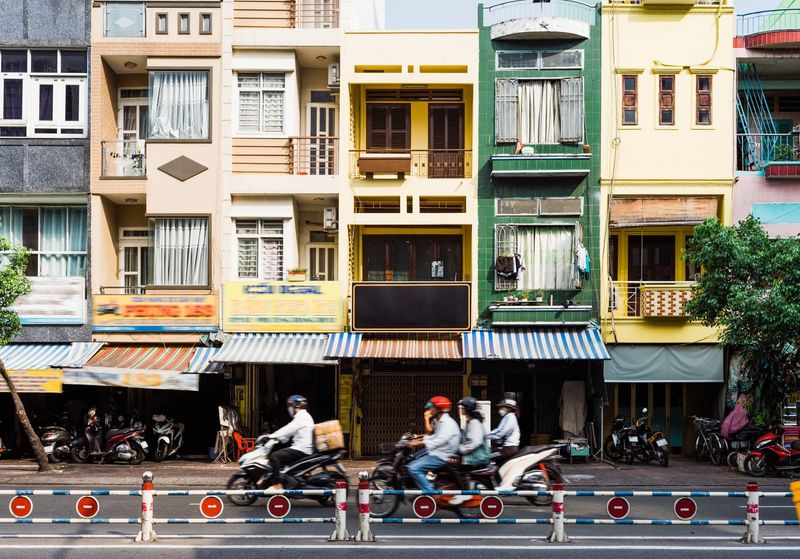
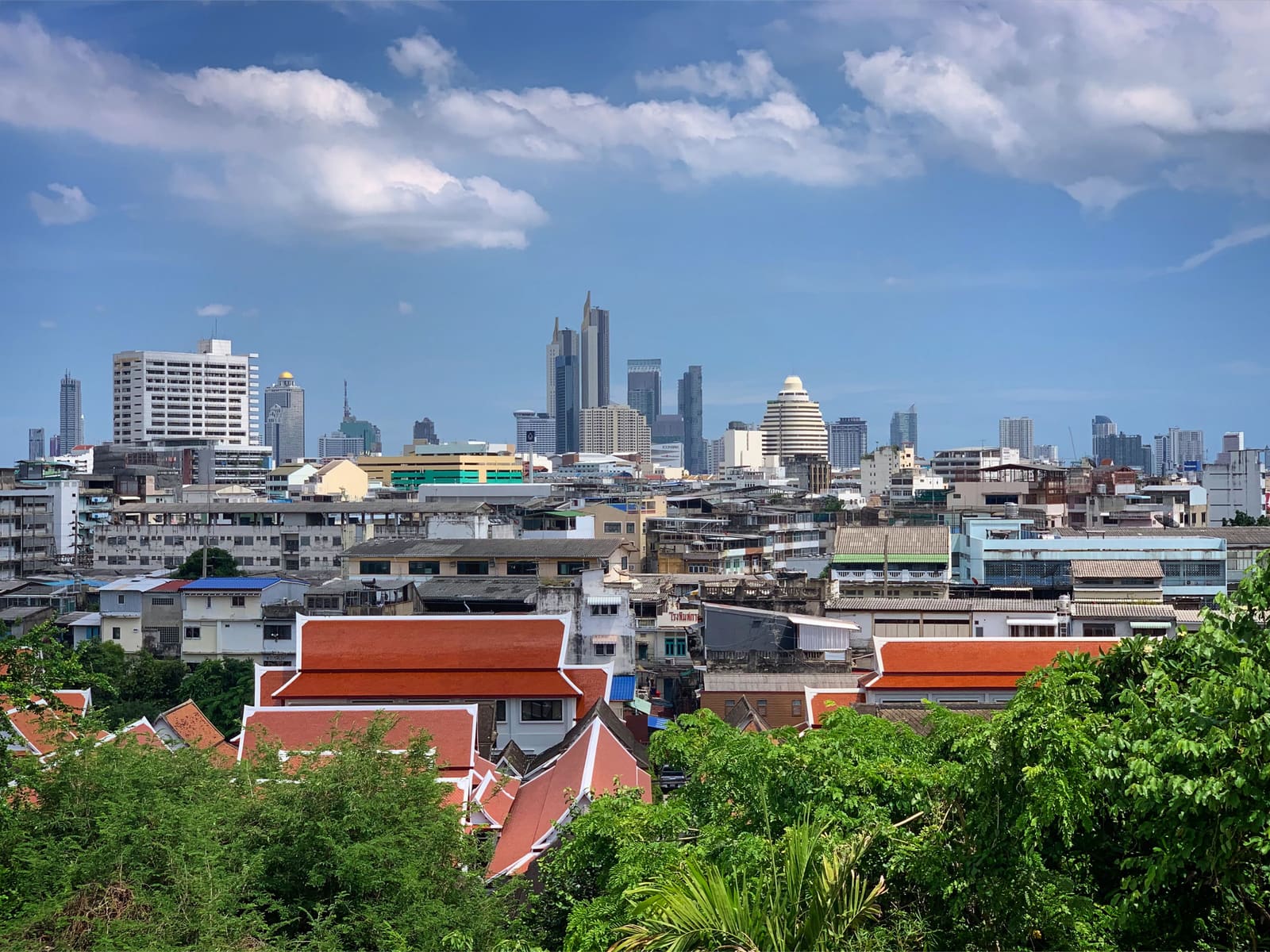
The red lanterns hang limp over side streets, leftovers from a celebration no one remembers. On Charoen Krung Road, the city's first paved thoroughfare, metal shutters bear graffiti in styles both fresh and dated, guarding shophouses whose signs appear in three languages. House of Gems. Heritage Gems. Gem Plaza. And, most optimistically, Gem Gems. This is Bang Rak, Bangkok's former trading gateway on the eastern bank of the Chao Phraya River, where foreign ships once docked at the Customs House and silversmiths run by Thai-Chinese families added a particular glitter to the neighbourhood. That version of Bang Rak has faded, replaced not by the glass towers of Sukhumvit but by something quieter: a creative quarter taking shape in the bones of what came before.
The district's transformation is recent enough that you can still see the seams. A Chinese shrine to the goddess of the sea sits on Charoen Krung Soi 39, tucked between newer arrivals. The Neilson Hays Library, housed in a neoclassical building and dating to the 19th century, anchors one end of the neighbourhood. Behind it, The British Club, another Victorian remnant, maintains what locals insist is the best swimming pool in the area. But the energy now belongs to a different generation, one that sees possibility in the district's layered history rather than a reason to tear it down.
The Gallery That Started the Shift
Gallerist Sutima Sucharitakul relocated Nova Contemporary to Si Phraya Road in 2025, a move that signalled something beyond simple real estate calculation. Sucharitakul has built her reputation on representing Thailand's emerging artists, among them Latthapon Korkiatarkul, Vacharanont Sinvaravatn and Prae Pupityastaporn. Her decision to anchor the gallery in Bang Rak rather than a more established art district suggested she saw momentum building here.
Three doors down, Glamma Vintage operates as part shop, part museum, its owner amassing haute couture in a space that feels like stumbling into someone's exceptionally well-curated attic. The place runs on appointments, a rhythm that has become common in this part of Bangkok, where Mondays mean closed doors and spontaneity requires advance notice.
Around the same time Nova arrived, fashion brand Philip Huang took over the former office and printing press of Daily News at the opposite end of Si Phraya Road. The building, Prachoom Chang, translates to "the meeting of makers," a name that turned out to be prescient. Philip Huang transformed the space into a flagship shop, office and natural dyeing workshop, with vats created by Pinaree Sanpitak, widely regarded as Thailand's most significant contemporary artist. Also in the building: Thai creative Channatip Chanvipava and Ivan Pun's Burmese furniture brand, Paribawga. The model of like-minded makers pooling resources to occupy a large space has become something of a pattern in Bang Rak, a practical response to rising rents and a way to create critical mass in a neighbourhood still finding its identity.
Craft, Modernised
Kitt Ta Khon opened its first shop in 2024, a craft studio specialising in handwoven furniture wrapped in colourful beads, rope and string. The Sukpha stools can be customised on the second floor and bubble-wrapped for the journey home. For those travelling lighter, the shelves hold bamboo fans, reed table mats and small ceramics, the kind of objects that telegraph place without tipping into souvenir kitsch.
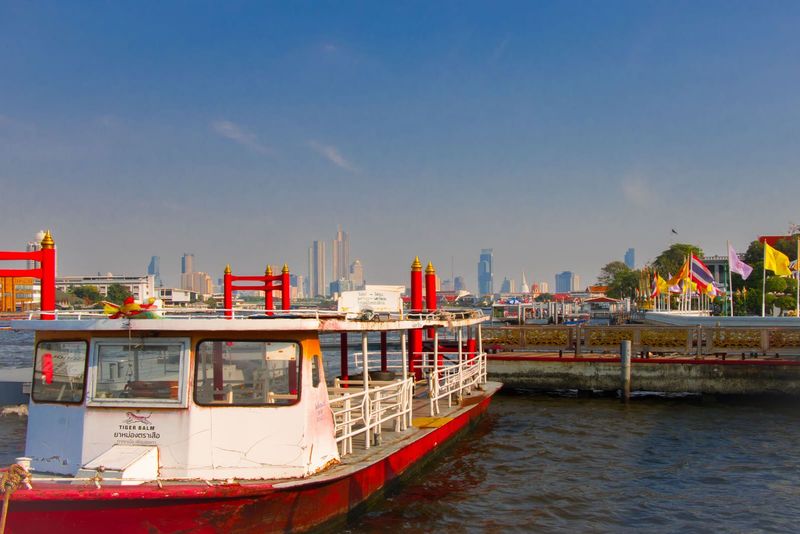
The studio sits a few steps from the Chao Phraya River, which has been experiencing its own resurgence. The opening of Capella and Four Seasons in 2020 brought renewed attention to Bangkok's main waterway, long dominated by the Mandarin Oriental, which has held its position on the riverfront for 150 years. The momentum continues. The former Customs House, the building that once processed all foreign arrivals to Thailand, is being transformed into a 75-key luxury hotel under The Langham's banner, an elaborate engineering project that involved elevating the subsided heritage structure by one storey. The design prioritises river views, from the guest rooms to the restaurants, with a yet-unnamed bar and pier set to open in 2027.
Inland, Decho Road has emerged as another focal point. Fashion brand Nong Rak took the ground floor of the former House of Chao antique shop for its first retail location, selling limited-edition pieces made from Bangkok silk alongside vintage clothing. Upstairs, Sala Saneha operates as cinema, wine bar and lounge, screening Thai films, US independents and European releases several times each night.
The Heatherwick Factor
The most ambitious project remains under construction. Hatai, a Thomas Heatherwick-designed mixed-use development, is rising on the site of the original Narai Hotel, a 1960s institution that once held 500 rooms, a revolving restaurant and the distinction of being the tallest building on Si Lom Road. The hotel was a celebrity hangout in its era, the kind of place that defined a certain vision of mid-century Bangkok glamour. Hatai, scheduled to open in late 2027, will include Bangkok's first Six Senses hotel and a redesigned version of the Narai.
Whether Heatherwick's arrival accelerates Bang Rak's transformation or simply formalises it remains to be seen. The district's appeal so far has rested on its lack of polish, the way heritage and decay coexist without anyone rushing to resolve the tension. The challenge for Bang Rak will be maintaining that quality as larger investments move in, preserving the texture that drew the first wave of makers here while accommodating the infrastructure and capital that follows.
Where to Anchor
Beanstalk Bangkok, on Surawong Road, occupies the building that formerly housed the New Fuji Hotel, which catered to American soldiers on leave from Vietnam. A small brass plaque on the discreet façade marks the history. The property reopened several years ago as a 57-room boutique hotel that channels the neighbourhood's Thai-Chinese heritage without turning it into theatre.
For breakfast, FIX, a Bangkok coffee chain, operates the courtyard café at the Neilson Hays Library, serving eggs on sourdough and yoghurt bowls under the shade of tropical palms. Samlor, on the corner of Charoen Krung, offers an elevated take on Thai street food, hinted at by the metal three-wheeled rickshaw suspended above the entrance. Lunch service runs only on weekends; the catch of the day typically comes from the warm waters off Thailand's southern coast. During the week, Kick! Chop! Slice! adds Thai ingredients, including Isan sausage, to New York-style pizza doughs.
Aunglo by Yangrak serves Thai classics cooked on a grill, having moved to a larger corner location on Si Lom Road. The barbecue pork ribs warrant the visit; the Khanom Krok Brûle, a contemporary twist on traditional coconut pudding, provides a reason to stay longer.
A Neighbourhood Still Becoming
Bang Rak's transformation lacks the dramatic arc of neighbourhoods remade by a single vision or developer. Instead, it is accumulating in pieces: a gallery here, a craft studio there, a cinema carved out of an antique shop. The district remains permeable, still shaped by the silversmiths and gem traders who have occupied these streets for generations, still marked by the faded lanterns and graffitied shutters that predate the current wave of arrivals.
What emerges is a neighbourhood in conversation with itself, where a neoclassical library built in the 19th century sits comfortably alongside a natural dyeing workshop using vats by a contemporary artist, where a hotel that once housed soldiers now channels Thai-Chinese heritage for a different kind of traveller. The question is not whether Bang Rak will change further but whether it can do so without erasing the layered history that makes it compelling in the first place. For now, the balance holds, and the district offers a version of Bangkok that exists somewhere between its trading past and its creative future, neither fully one nor the other, and all the more interesting for it.